This month’s blog entry is an article for the Inside Seaweed newsletter by Fed DeGobbi, host of the Inside Seaweed podcast. Click here to listen to the ideas and insights of key players in the seaweed industry.
An ingredient that is nutrient-rich, requires zero input to grow and tastes delicious might sound too good to be true, but kelp is the real deal. Whether consumed dried or fresh, it may be one of the most versatile ingredients in our kitchens.
In fact, it’s so popular that it’s the most cultivated species of seaweed. In 2019, it was among five kinds that accounted for over 95% of global seaweed culture production. Seaweed farming is now expanding from countries such as China, South Korea and Japan to the US and Europe, and kelp is also making an impact there. Sugar kelp (Saccharina latissima) is the most commonly cultivated commercial species in Europe. It’s also farmed in the Gulf of Maine in the US, and for commercial and scientific purposes in the UK. It’s an excellent candidate for aquaculture, growing up to several centimetres per day and reaching over 2m long during a single growth season.


In 2019, 27 different seaweed species, including kelp, were farmed globally. China produces Gracilaria seaweed (Gracilaria spp.) and red seaweed (Pyropia) for agar production and for use in soups and salads, while Indonesia farms the carrageenophytes Eucheuma and Kappaphycus. Japan, meanwhile, is known for farming nori (Porphyra spp.) and wakame (Undaria spp.). Nori is popular as thin sheets wrapped around sushi, while wakame is sold boiled or dried and can be eaten in miso soup or seaweed salads.
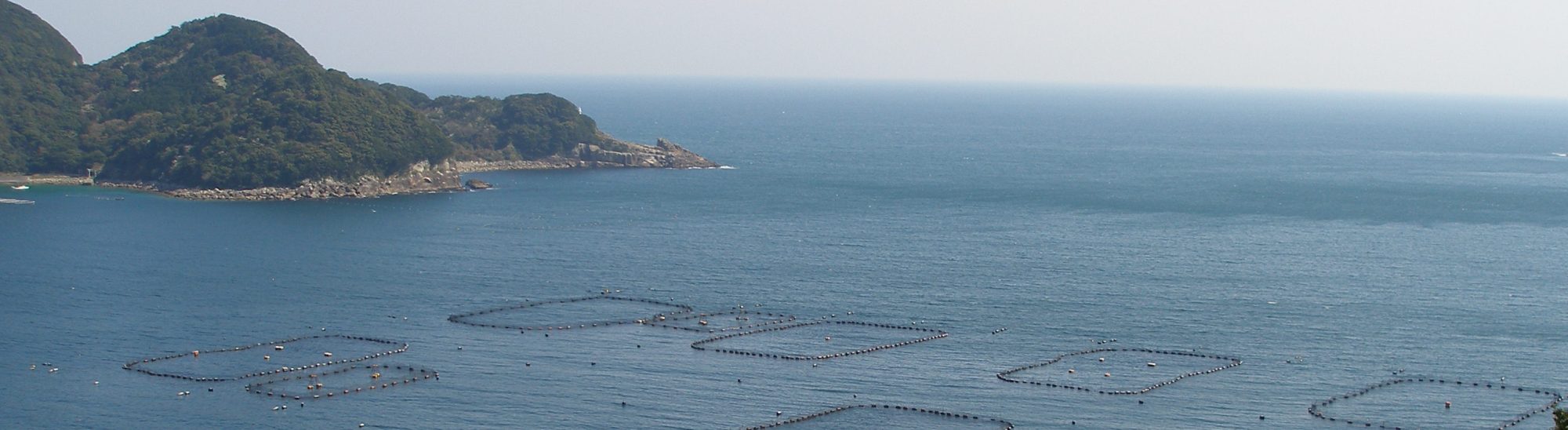
Farming seaweed is an opportunity for fish or shellfish farmers to diversify a farming operation or start a new business, and reap large harvests from a small area as seaweed uses the entire water column to grow. Kelp farmers can also gain a steadier income by taking advantage of the winter months as the species can be farmed during the winter. But although kelp is taking off, other seaweed like nori or wakame are not grown in Europe or the US. Why is this, when the techniques for growing seaweeds are well established and relatively simple?

There have been some attempts to grow species other than kelp in areas outside Southeast Asia. In Ireland, the Seaweed Company is growing Atlantic wakame and ulva (sea lettuce) in Irish and Dutch waters, while nori cultivation has been trialled in Scotland but is still at the research and development stage due to its complex lifecycle and expensive hatchery process. The reasons for this slow start appear to lie in various hurdles, such as cost issues, unpredictable production cycles, a lack of investment, a lack of processing infrastructure or simply no previous examples of nori or wakame having been farmed. Governance and market issues also appear to be challenges in Europe.
But the situation could change. Already there are a number of seaweed farmers, entrepreneurs and farms such as Seaweed Solutions in Norway and Atlantic Sea Farms in the US, so there could be more examples of fresh, locally grown varieties of seaweed in future. However, there is still a lot to do. In his book The Seaweed Revolution, Vincent Doumeizel explains the necessity of cataloguing different types of seaweed on particular coasts and domesticating them while controlling their proliferation to avoid ecosystem disturbances. He also stresses the need to continue improving and deepening phycology knowledge and experience. In this sense, understanding the factors that affect seaweed survival and growth, as well as necessary parameters such as light, water temperature and nutrient availability will be key for farmers. Meanwhile, different growing techniques in one country may not work in another, so farmers will have to assess such techniques and the genomic variation of seaweed on a local scale in order to farm particular varieties in their area.


Photos: Unsplash
 bonniewaycott.com