Season’s greetings! I hope you’re all enjoying this time as we prepare to close the chapter on 2023 and begin anew in 2024.
The Power of AI
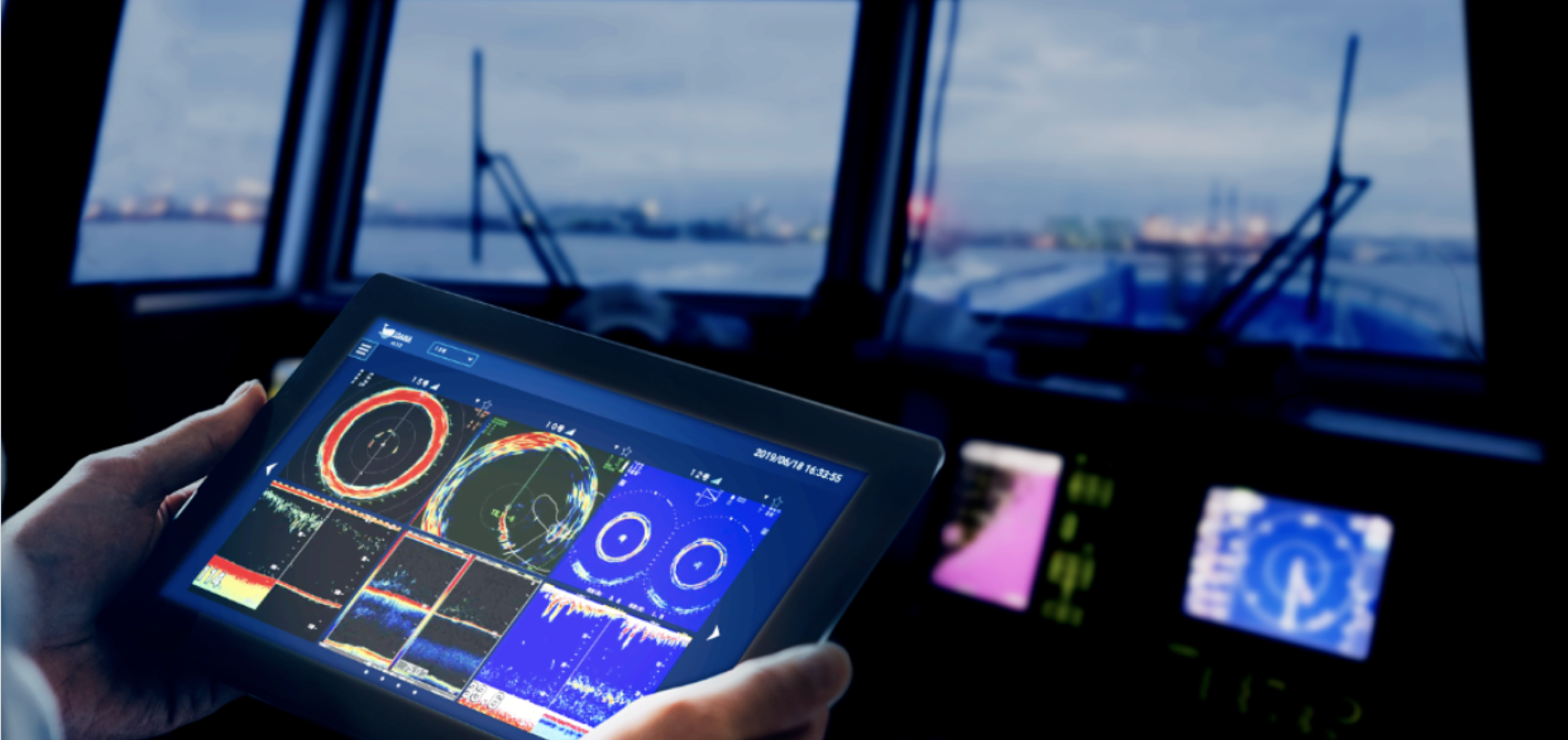
Several trends continued pushing the worlds of aquaculture and fisheries to evolve in 2023. One which really drew my attention was artificial intelligence (AI), which is leaving its digital mark by streamlining processes and improving efficiencies. In the UK, new scientific approaches are being used alongside AI to test for toxic algae that can result in severe and fatal sickness in humans. They can help to predict harmful algal blooms in marine populations at least four weeks earlier than microscope-based methods, and could greatly change the way in which the UK monitors biohazards, not just in the marine sector but also in others such as health care.
One of my first articles of 2024 will focus on AI, this time in fisheries, where AI-based tools are being used in the Netherlands to recognise the size and species of different fish, facilitating their handling and the recording of catches on board vessels. The tool also provides valuable data for fisheries management, stock estimates, research and fisheries policy, and improves the processing of catches on board, reduces crew workload and lessens administrative burden. With this kind of increased transparency, hopes are high that more fisheries will have improved data, improved stock assessments and ultimately become even better.
I’ve been particularly impressed by how quickly AI has taken root in fisheries and aquaculture and how relevant it’s become, bringing both sectors closer to meeting their production and sustainability aspirations.

Tourism and aquaculture
Tourism and aquaculture was another fascinating subject to explore, and in June this year I saw for myself how these sectors are coming together on the Greek island of Rhodes. Tourism there is a huge industry, while 65 percent of fisheries production in Greece is from aquaculture. With the demand for seafood increasing worldwide, along with awareness of the importance of sustainable businesses, innovation and unique initiatives are crucial for solid economic performance and to safeguard the natural environment. Visits to offshore pens containing sea bass and sea bream are opportunities for tourists in Rhodes to learn about farming practices, the importance of aquaculture in Europe and the relationship between aquaculture and the environment. Tours like this are also a way for fish farms to diversify and become more stable financially while continuing to work on the water.


Blue Carbon
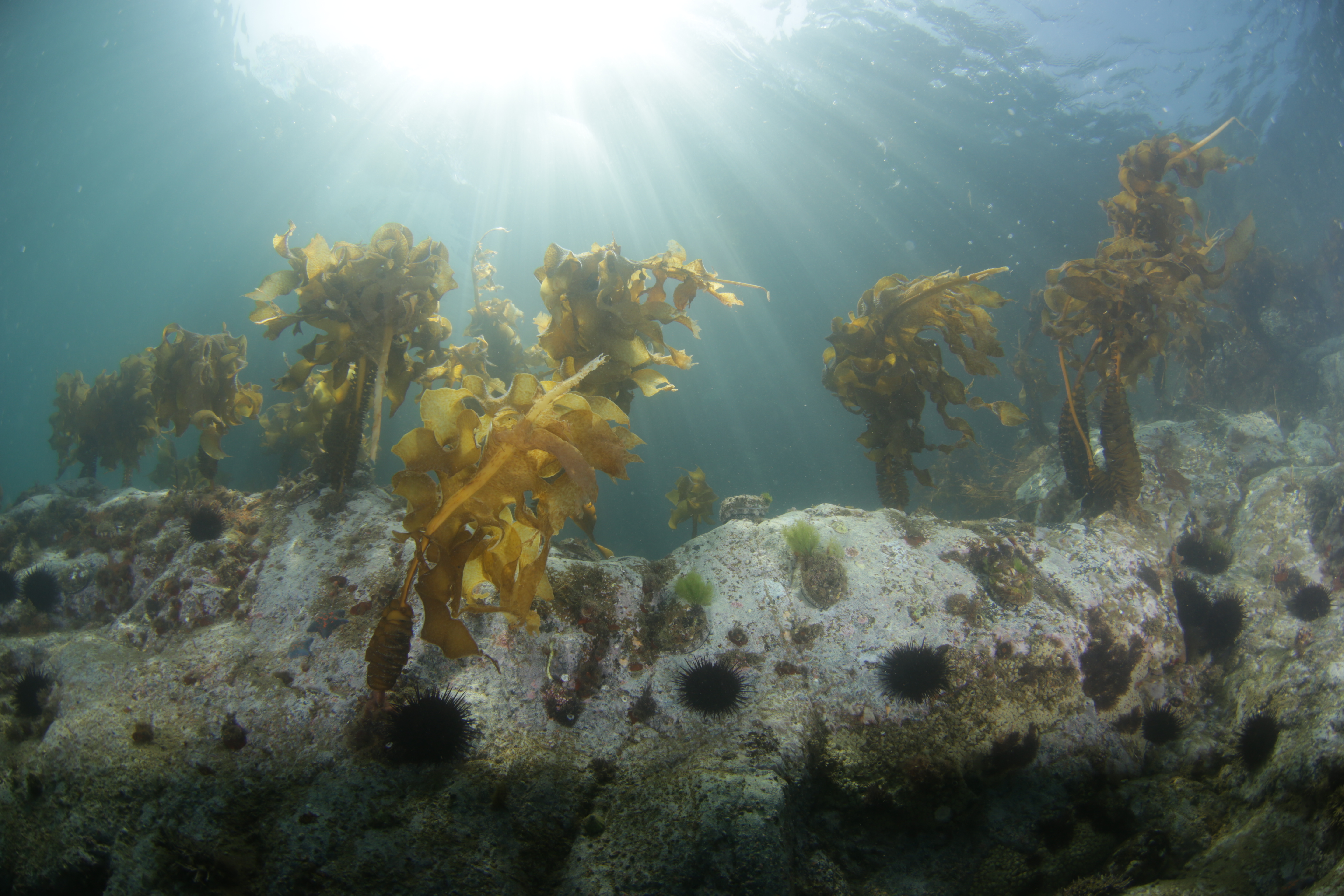
But by far the highlight of 2023 for me was blue carbon, the carbon that is captured and stored in marine and coastal ecosystems such as mangroves, salt marshes, seagrass and seaweed. With studies showing that these can store up to 10 times more carbon per unit area than terrestrial forests, blue carbon is gaining huge attention as a way of mitigating the effects of climate change. For aquaculture — in particular seaweed farming — this is extremely significant. The benefits of farming seaweed are already clear, and if farms can have economic incentives associated with proof of climate change mitigation, this may be key to improving farmers’ income and supporting more seaweed production in future.
It’s also exciting to see the increasing number of companies that are buying blue carbon credits* from carbon offset projects, with sales revenue going towards the conservation and restoration of blue carbon ecosystems. This increased focus on blue carbon highlights a stronger awareness towards the need for investment in the conservation and restoration of ecosystems like seagrass and seaweed, which is huge, and it’s great to see a lot of companies, particularly in Japan, recognising the appeal and potential of blue carbon and wanting to be a part of something that delivers social, economic and biodiversity benefits.
*When an ecosystem like seagrass is protected or restored, it can capture CO2. IF this carbon capture is quantified and verified, it generates blue carbon credits that are tradable on carbon markets for companies that want to offset their GHG emissions.

As we go into 2024, I’m looking forward to seeing how things will develop in the blue carbon space and what the future holds for seaweed farming. No doubt there will also be other innovations from AI and feed to disease prevention and animal welfare, keeping aquaculture and fisheries strong and resilient amidst the world’s ongoing need for responsibly produced seafood.
 bonniewaycott.com