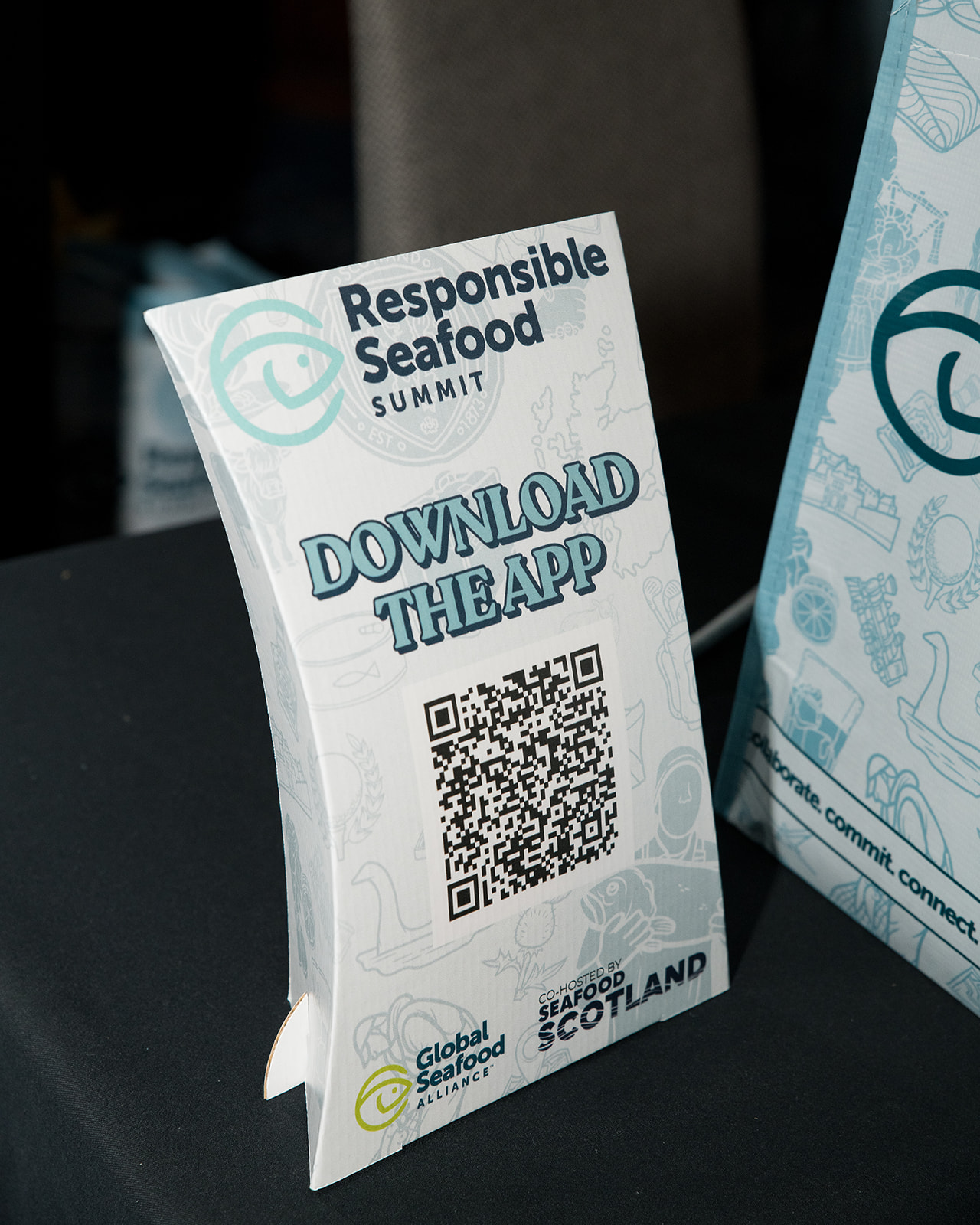
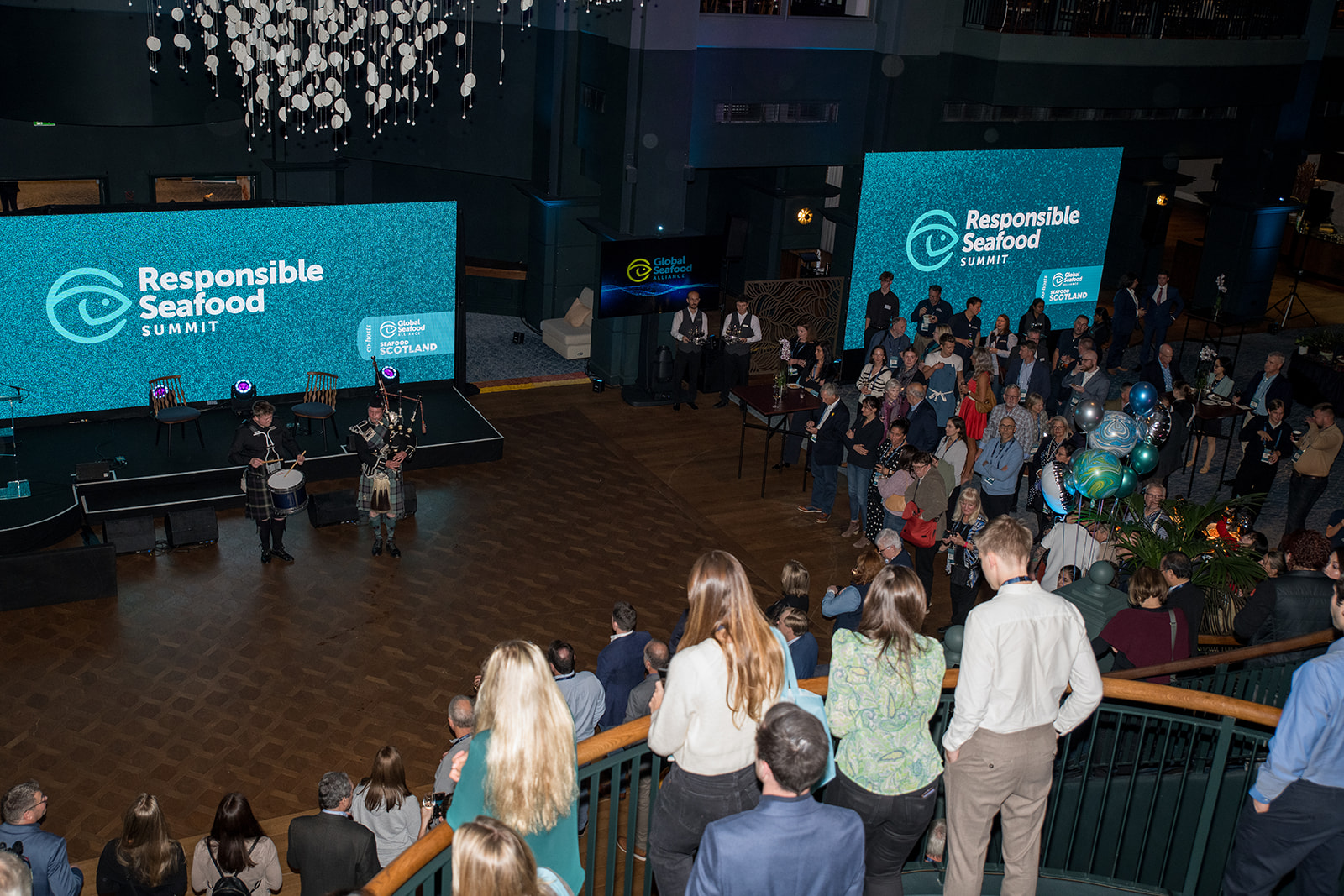
Last month, I went to St Andrews in Scotland, where over 300 people attended the Responsible Seafood Summit, an annual conference hosted by Global Seafood Alliance (GSA) in the US and national industry body Seafood Scotland. Key issues in fisheries and aquaculture were discussed as part of a packed programme that also included time for recreation – namely golf – an evening reception and gala dinner.
I was honoured to host a panel on animal welfare, and had a great time catching up with familiar faces, making new connections and enjoying the presentations. Bringing together professionals from around the world, the summit highlighted the many innovations underway in aquaculture and fisheries to increase sustainability, efficiency, introduce technology and improve human and animal welfare. Among the many topics discussed were the journey to net zero, developing leadership in seafood, and how aquafeed can become more sustainable. It was an ideal opportunity to gain a valuable perspective on the importance of increasing seafood production to address food insecurity, and hear just how aquaculture and fisheries are innovating and looking to the future.




AI and Statistics
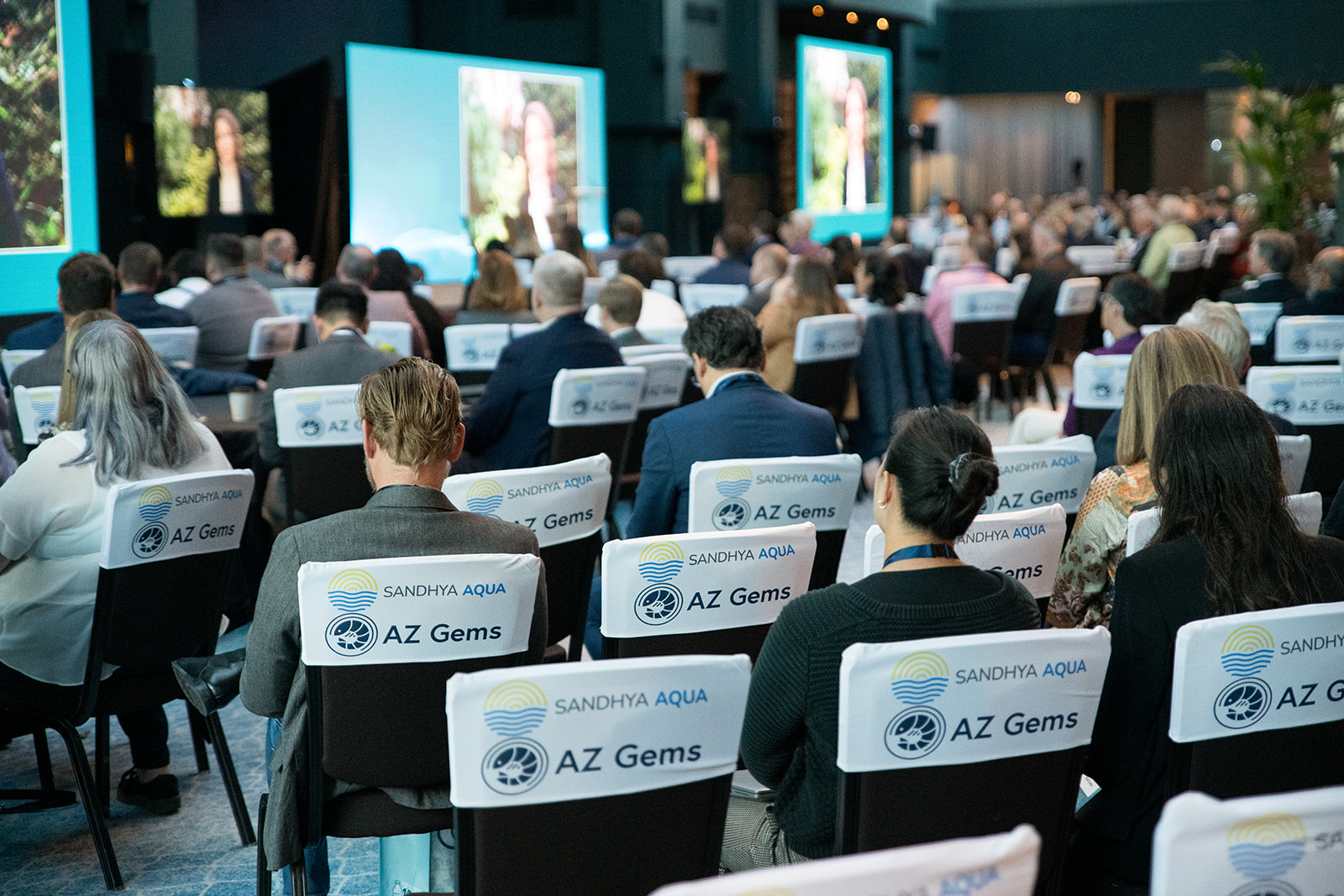
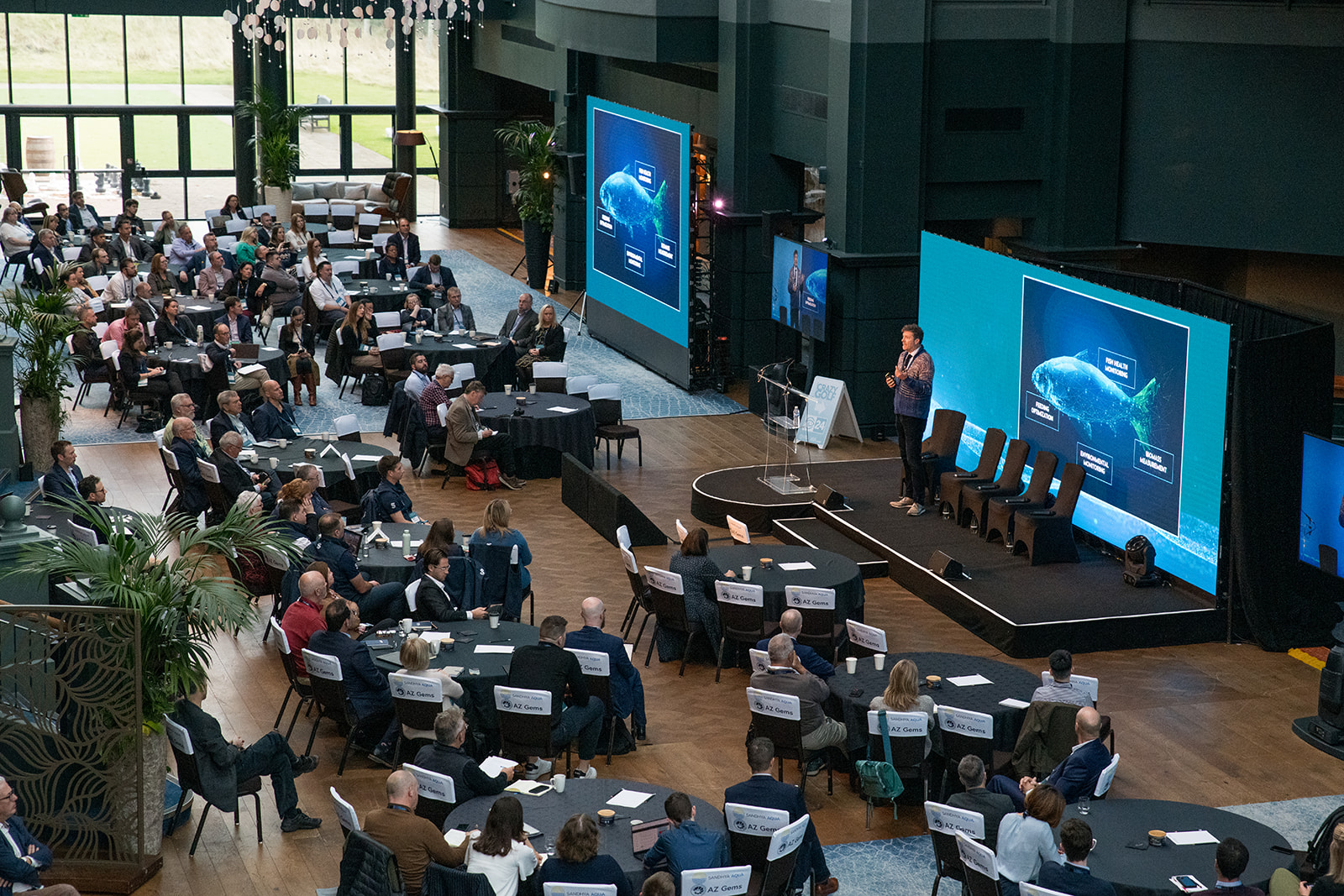
The first big topic was artificial intelligence (AI), which is likely to be key to helping aquaculture and fisheries sustainably feed a growing population. That’s according to Chris van der Kuyl of 4J Studios Ltd and Principal at Chroma Ventures, who kicked off the summit by delivering the keynote address, which focused on AI. “The future promises faster innovation – reshaping industries and societies at speed we’ve never before experienced,” he said.
As a sector that has grown dramatically over the years to provide a half of all seafood, aquaculture is worth keeping an eye on, said Van der Kuyl. With a clear need worldwide for efficient, sustainable and scaled food production systems, he continued, sectors like aquaculture need to embrace AI and digital technology. Van der Kuyl described it aquaculture “a significant investment opportunity, as it has the potential to drive the most transformative advancements in food production.”
Combined with sensors, cameras and more, AI can offer insights, enhance sustainability and improve profitability by tracking fish behaviour, size and movement, and quickly detecting any signs of stress, illness and parasitic infestations. This will help farmers reduce mortality on farms, minimise antibiotics use and act quickly. Tracking fish behaviour through AI will also help determine optimal levels of feed and appropriate feeding times to reduce overfeeding and underfeeding, improve water quality and boost fish growth. AI could also predict environmental changes, enabling proactive steps to protect stocks in advance of events such as harmful algal blooms.
“By leveraging AI, aquaculture can address its biggest challenges, ensuring a more sustainable and profitable future,” said Van der Kuyl.
Meanwhile, GSA’s annual updates on fish and shrimp aquaculture gave a picture of the sector in 2024 and predictions for the next few years. Scotland’s salmon production is likely to be up by 15 percent in 2024 compared to 2023, said Gorjan Nikolik, global seafood specialist at cooperative bank Rabobank. He predicts that salmon production in Scotland will continue increasing in 2025 and 2026, rising by an estimated 7 and 6 percent respectively, while production in the Faroe Islands and a number of other smaller salmon-farming nations is looking promising. For example, Iceland’s salmon production is set to see 24 percent growth in 2024, and this growth is predicted to continue. Another key takeaway was that after two challenging years, Norway’s Atlantic salmon production is also likely to grow. On the topic of salmon, it was encouraging to hear Tavish Scott from Salmon Scotland and Gilpin Bradley, a respected leader in the Scottish salmon farming sector, discuss the wave of negative media that salmon producers face, and emphasise issues such as transparency and the need to educate consumers.


Focus on Fisheries
Another highlight of the summit, which I found a lot of the attendees appreciated, was the focus on both aquaculture and fisheries, rather than just one or the other. Tom Pickerell from the World Resources Institute moderated a great panel on how seafood supply chains can proactively support fisheries improvement. One way to do this, he said, is through Fisheries Improvement Projects (FIPs). These are multi-stakeholder initiatives whose goal is to help fisheries work towards sustainability. Ways to measure FIP progress were described, as well as the certification of marine ingredients, the importance of buyer engagement and sourcing from FIPs, as well as implementation challenges. Could technology also help improve FIP transparency? Jayson Berryhill from Wholechain, who believes that it can, covered this topic in detail.
Fisheries remained in focus, with further discussions on human rights due diligence efforts in the seafood industry and some of the red flags such as forced labour, deception, isolation, and poor working conditions. Alison Potter, Technical Officer at the International Labour Organization, explained what could be done to improve working hours, freedom of movement, and highlighted the importance of WiFi on board vessels to tackle isolation and enable crews to have better contact with families and friends back home. Traceability was described as essential to improving conditions on board vessels and ensuring safe working practices. I also really enjoyed hearing about Marks and Spencer’s fisheries standards and policies, with areas related to the environment, people, fish welfare and legal issues.


Welfare – the need for good management practices
The second day of the summit began with animal welfare. During my panel, I got some important insights from Dr. Sara Barrento of training and consultancy group FAI Farms, Simao Zacarias of the University of Stirling, Linda Wood from Marks and Spencer, and Ben Perry from Ace Aquatec. Sara gave a great talk on FAI Farms’ training programs to improve animal welfare, and highlighted significant indicators, such as nutrition, health and environmental conditions, that can dictate good or bad welfare on a farm. “Once you see bad welfare, you can’t unsee it,” she said.
Simao explained shrimp farms’ attempts to move away from the controversial practice of eyestalk ablation towards alternatives such as sex ratio manipulation, selective breeding, nutrition and hatchery practices. Ben’s talk touched upon the interconnectedness of improved animal welfare and better human welfare, i.e. how good animal welfare practices can result in a less stressful working environment for those on farms and on vessels.
“The slaughter and processing industry has one of the highest staff turnovers of any sector,” he explained. “Physical injuries and psychological health challenges are shown to be highly prevalent in the sector from prolonged exposure.”
He went on to explain that a comfortable working environment that doesn’t test people emotionally will experience greater retention and uptake in positions, and businesses want to cultivate such an environment. One way in which they can do this, he said, is by improving animal welfare practices. Linda touched upon the human aspect in the panel discussion. She described how more and more staff don’t want to work in environments with poor animal welfare practices, and that the human element is a huge part of animal welfare improvement.



This year’s summit came with many presentations and talks that covered much more than what I’ve described, but they all focused on a single goal — to make the seafood industry more sustainable for generations to come.
Trust, relationship-building and maintaining contact with one another can all work towards making the above goal a reality, and this is why events like the Responsible Seafood Summit are so important. I found that talking to people in person, and seeing so many people who want to make positive contributions, was fantastic, and as always, I was very impressed by the technology, innovations, research and more that are helping to drive improvements. This is how we can feel motivated and driven to create significant and meaningful change – by coming together, sharing insights and discussing how to develop solutions for the future of aquaculture and fisheries.
*Next year’s Responsible Seafood Summit will take place in Cartagena, Colombia, in the week commencing 29th September 2025.
*All photos taken by Ryan Murrant
 bonniewaycott.com