Category Archives: Uncategorized

March 2015: The Return to Miyako Island, Okinawa, Japan

OLYMPUS DIGITAL CAMERA OLYMPUS DIGITAL CAMERA OLYMPUS DIGITAL CAMERA OLYMPUS DIGITAL CAMERA OLYMPUS DIGITAL CAMERA OLYMPUS DIGITAL CAMERA OLYMPUS DIGITAL CAMERA OLYMPUS DIGITAL CAMERA OLYMPUS DIGITAL CAMERA OLYMPUS DIGITAL CAMERA OLYMPUS DIGITAL CAMERA OLYMPUS DIGITAL CAMERA OLYMPUS DIGITAL CAMERA OLYMPUS DIGITAL CAMERA

Monday March 23rd – Wednesday March 25th 2015

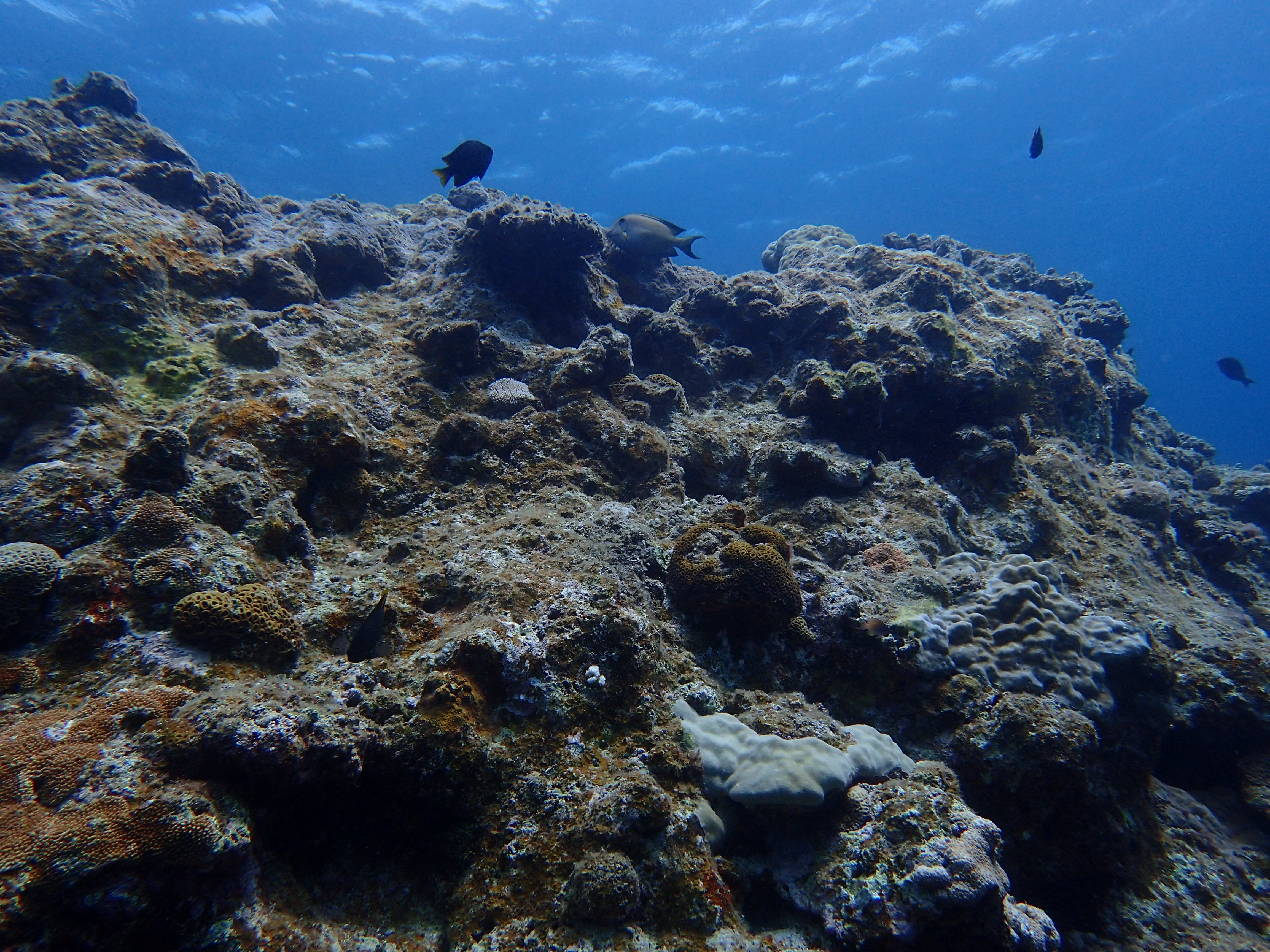
The long winter months can leave the keenest of divers, including myself, seriously dried out, and early this year I planned to refresh my skills and get back into diving at a place that required some planning and at least a couple of days away from the hustle and bustle of Tokyo.  One place that ticks those boxes is Okinawa’s Miyakojima. Located about 300km southwest of the main island of Okinawa, this warm and tropical place is most well known for its underwater limestone formations and promises divers an adventurous experience, with swim-throughs, arches, overhangs and labyrinths of tunnels.  Most of the popular dive sites are about 35mins from the mainland, and although the journey can seem long and the sea sometimes choppy, there is a sense of anticipation and excitement as huge rocky structures appear in the distance and the boat makes its final approach.  With a decent selection of dive sites to choose from, we settled on the following spots:

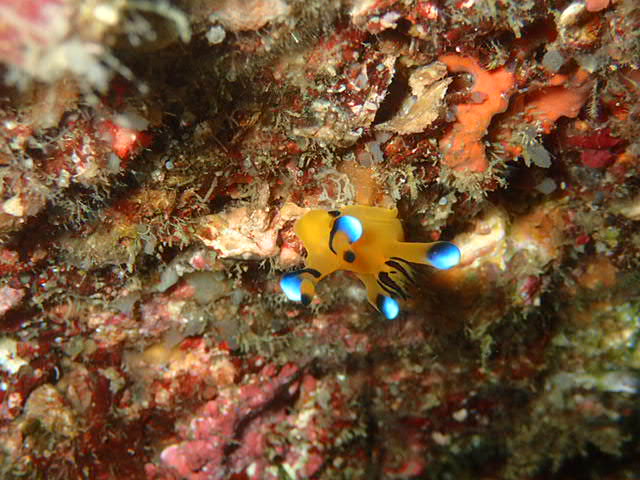
Nakanoshima Channel:  This site allows divers to explore walls and swim-throughs created when the ocean worked its magic on the volcanic rocks a long long time ago.  The rocks here slope to a 14m-deep seabed over a jumble of medium-sized boulders that make an ideal habitat for all manner of darkness-loving marine life. Swimming through a narrow arch and then down to around 18m, it’s clear that the rocks are covered with sponges and other critters thriving in the nutrient-rich waters.  Juvenile parrot fish gently hover close by, while tiny jawfish also peer out from holes in the sand, gripping tightly as they sit and wait patiently for divers to move on or darting quickly out of sight if so inclined.  Close to this sandy spot is the entrance to a small tunnel, which seems to promise encounters with little creatures.  As we swam in, we hunted their nooks and crannies and spotted a shoal of red soldier fish sheltering deep within.  As the dive comes to a close, the tunnel spits you out with a tiny bit of surge, topping off a fun dive as you begin your ascent while closely examining a range of colourful nudibranchs.

Hon Drop: As its name suggests, this site is a drop-off that rises from around 35m to a shallow plateau at 8m.  One advantage of diving here is that during the journey back to the surface it’s possible to maintain a visual reference by following the wall and ascending to the shallows.  Swimming over the shallow plateau, the descent begins down the wall to about 12m, where soon you spot something.  It’s the star of the show – and what divers come here to see – a giant trevally that takes refuge at the rocky gullies and overhangs.  On good days it’s possible to spot around 3 or 4, disappearing into the deep blue with a flick of their tails. The shallow depths here are bathed in the sun as prism-like ripples of light skip across the rocks.  Leaf scorpion fish lurk in the crags of a rock, while curly anemones provide homes for a range of clownfish and  the odd blackspotted puffer fish can be seen finning away. The fish life here may be less abundant but the big rocky structures will keep divers entertained thanks to the diverse range of marine life.

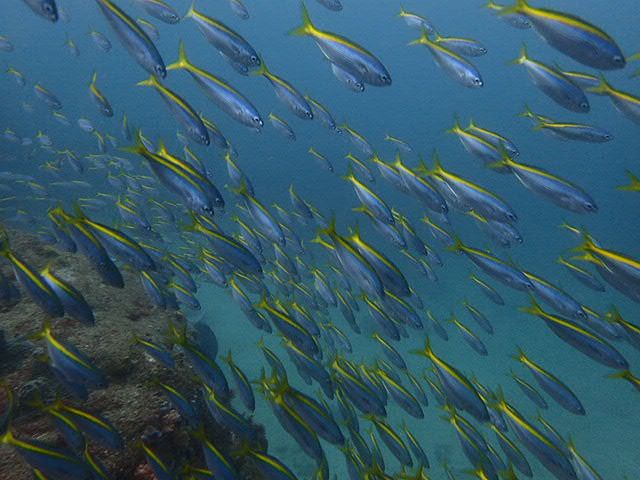
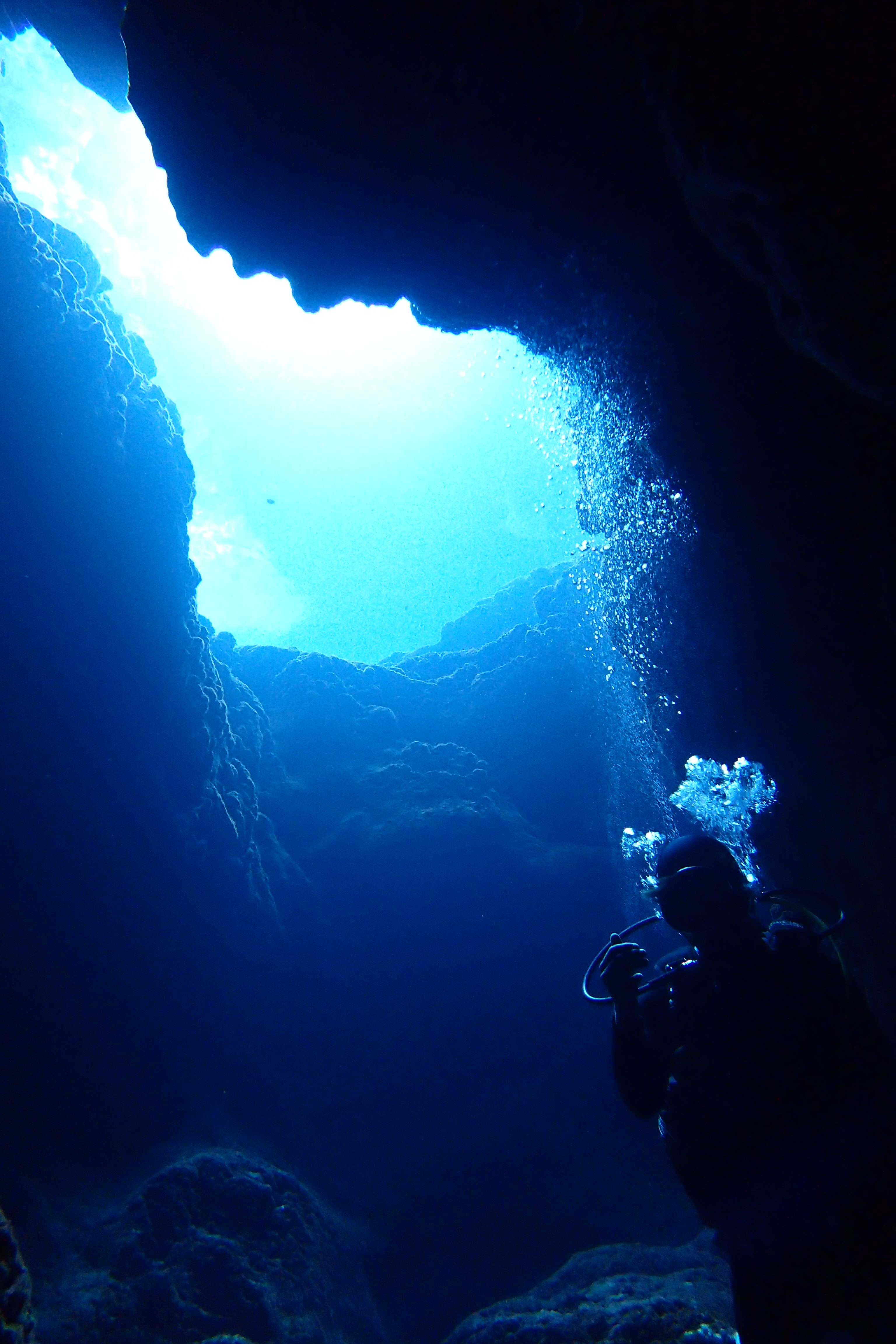
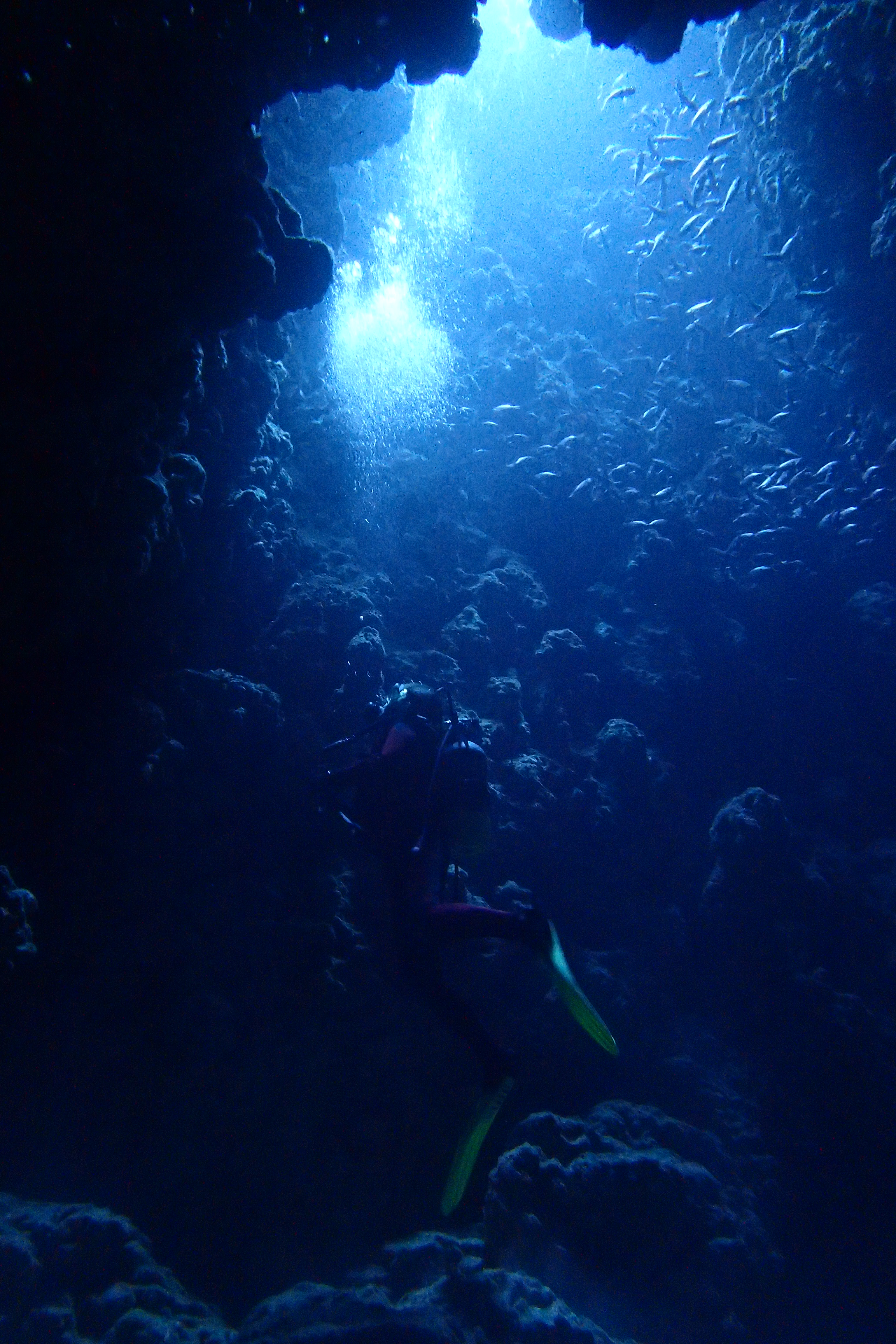
Mini Grotto: Mini Grotto is the perfect example of Miyakojima’s colossal rocky structures and tunnels.  A boulder-strewn seabed slopes gently into the deeper depths, and a turtle sways back and forth, trying to munch on food it had found on the surface of a rock.  This site also offers a small tunnel ideally suited for open water level exploration.  Divers can easily enter at around 15m, penetrating the semi-darkness with their flashlights and swimming up and up towards the surface of the water as the sun streams into the opening, creating a spectacular scene.  Popping up above the water, it’s clear that the surrounding structures were carved out by waves centuries ago, and divers can float on the water, lie back and marvel at the immense beauty before them.  The only way out is back through the same tunnel but although it mainly consists of sediment, small rocks and gravel, it’s worth taking time out to study the nudibranchs that have found their way inside. Back in the shallows, shoals of chromis move into open water to feed on drifting plankton.

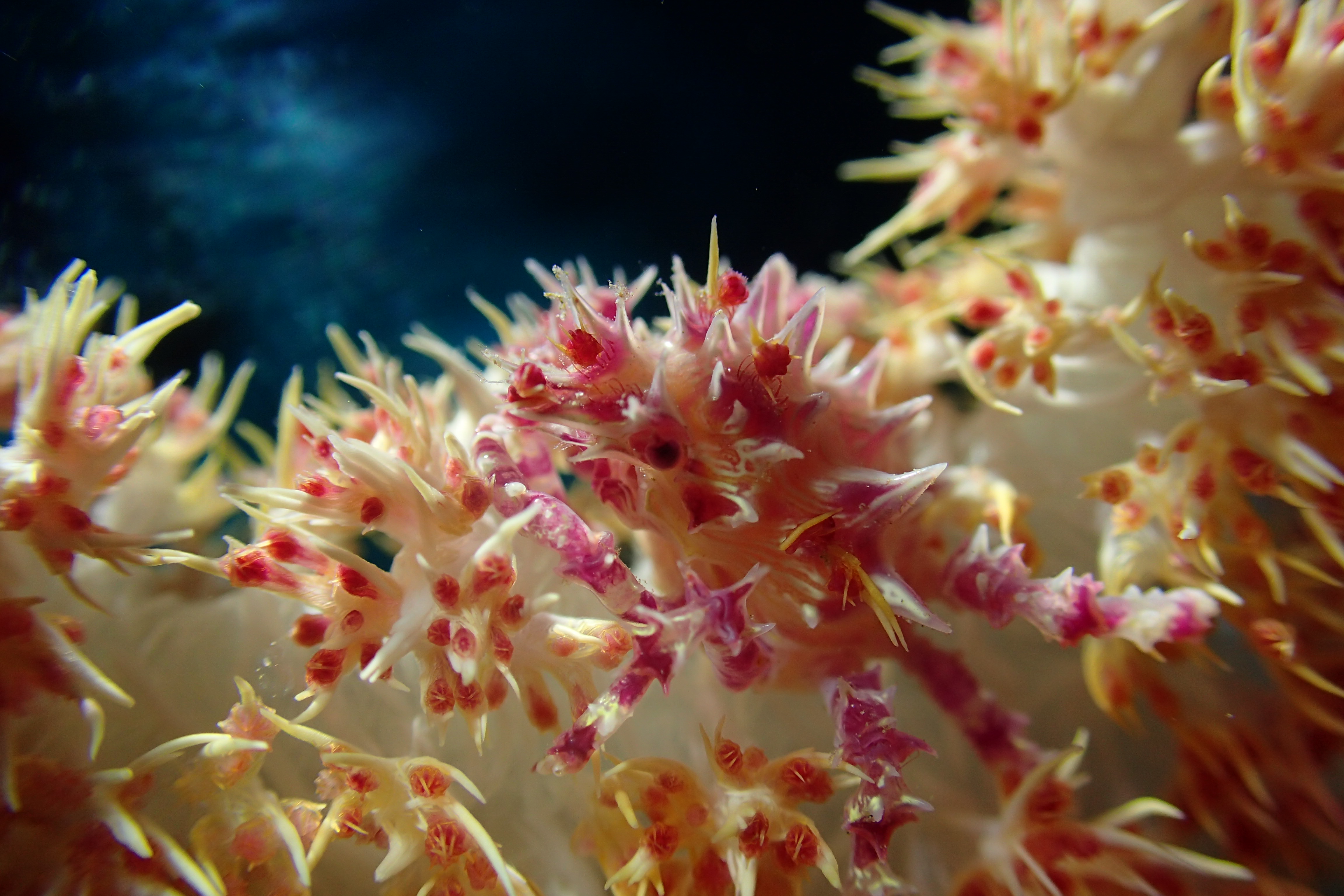
Mao no Kyuden: A large boulder area and labyrinth of tunnels offers an air of mystery and anticipation. With a maximum depth of around 25-27m, divers can’t spend too long here before reaching no-decompression limits, but even a short time spent at this point will reveal some form of life such as red soldier fish making a hasty retreat with their fins fluttering.  The structure here seems to consist of several large chambers and tunnels linked together and although divers are never far from an opening, it can sometimes be hard to tell where you are going.  Swimming towards the exit past shoals of fish, the immense beauty of the tunnel reveals itself and taking photos, divers are framed against an iridescent blue ocean, enveloped in a velvety blackness. At the surface, nutrient-rich water swirls around, giving life to vast schools of fish such as filefish and sweepers competing with one another for space.  Don’t forget to visit the candy crab at 21m, a cute little critter that’s well camouflaged against a piece of soft coral.

Practical information 

  • I booked the Miyakojima trip with Paradise Island Tours based in Tokyo (http://www.pit-diving.com/travel/)
  • JTA flights direct to Miyakojima leave from Haneda airport at 06:55AM, getting to the island around 10:00.  Direct return flights to Tokyo leave around 20:00, arriving at 22:35.  It’s also possible to leave a little early, around 17:15 with a transfer at Naha (18:00 – 18:40), arriving in Tokyo around 21:00
  • Our school Dive Kids (http://www.divekids.jp/a/frame1.htm) was there to meet us on arrival and drive us to the school.
  • Diving equipment can be sent from Tokyo in advance for about 2,500 yen, using Kuroneko Takkyubin.
  • Dive Kids is about 5 mins’ drive from the main port.  On the left side of the school is a huge area to wash, hang/dry equipment and take showers (no shampoo, conditioner and soap provided) while next door on the right is an area to fill in log books, complete with an outside terrace, plenty of books and magazines on marine life, and free coffee.
  • All dives are boat dives.  The boat is very spacious with an outdoor deck and an upstairs for catching more sun.  Bring your own towels, sun cream and any other necessary items but sweets, tea and coffee are available on the boat all day.
  • Lunch is Japanese style and homemade.  On day 1 we had a thick creamy pork stew with vegetables, and rice accompanied by pickles and hot tea.  On day 2 we had a clear fish broth with vegetables along with rice balls and hot tea.
  • 2L bottles of warm water are available on deck for divers to pour over themselves when exiting from cold water.
  • All entries are down a ladder from a small platform.  Ascent is via the same ladder.
  • On the school’s white board, the staff draw a detailed map of every dive site you visit, along with fridge magnets of different fish.  This helps immensely when completing dive logs and gives an excellent idea of what was seen and where.
  • We stayed at the Hotel Peace Island Miyakojima Shiyakusho (http://www.peace-k.jp/miyako2/) about 10mins drive away from Dive Kids.  The hotel is clean and spacious with WIFI and other usual amenities available such as towels, shampoo, soap and toothbrushes.  There is a huge bath on the 10th floor.  Breakfast is a buffet of rice, miso soup, bread, various vegetables and fish, eggs, tea and coffee.  Western style food (cereal, bread, fruit) is available too, and the breakfast area serves as an izakaya (Japanese style pub) at night serving a range of dishes such as sashimi raw fish, grilled meat and fish, salads, pizzas and chips. Check out from the hotel is 11AM.
  • Close to the hotel are a few good izakayas, a 24-hour convenience store, ice cream parlour and shops.
  • The total cost of the trip was 80,000yen, including return flight, 4 boat dives including tanks and weights, two nights in the hotel with breakfast, and all transport.
  • Dive Kids will also drive you to the airport after your stay.

March’s dives

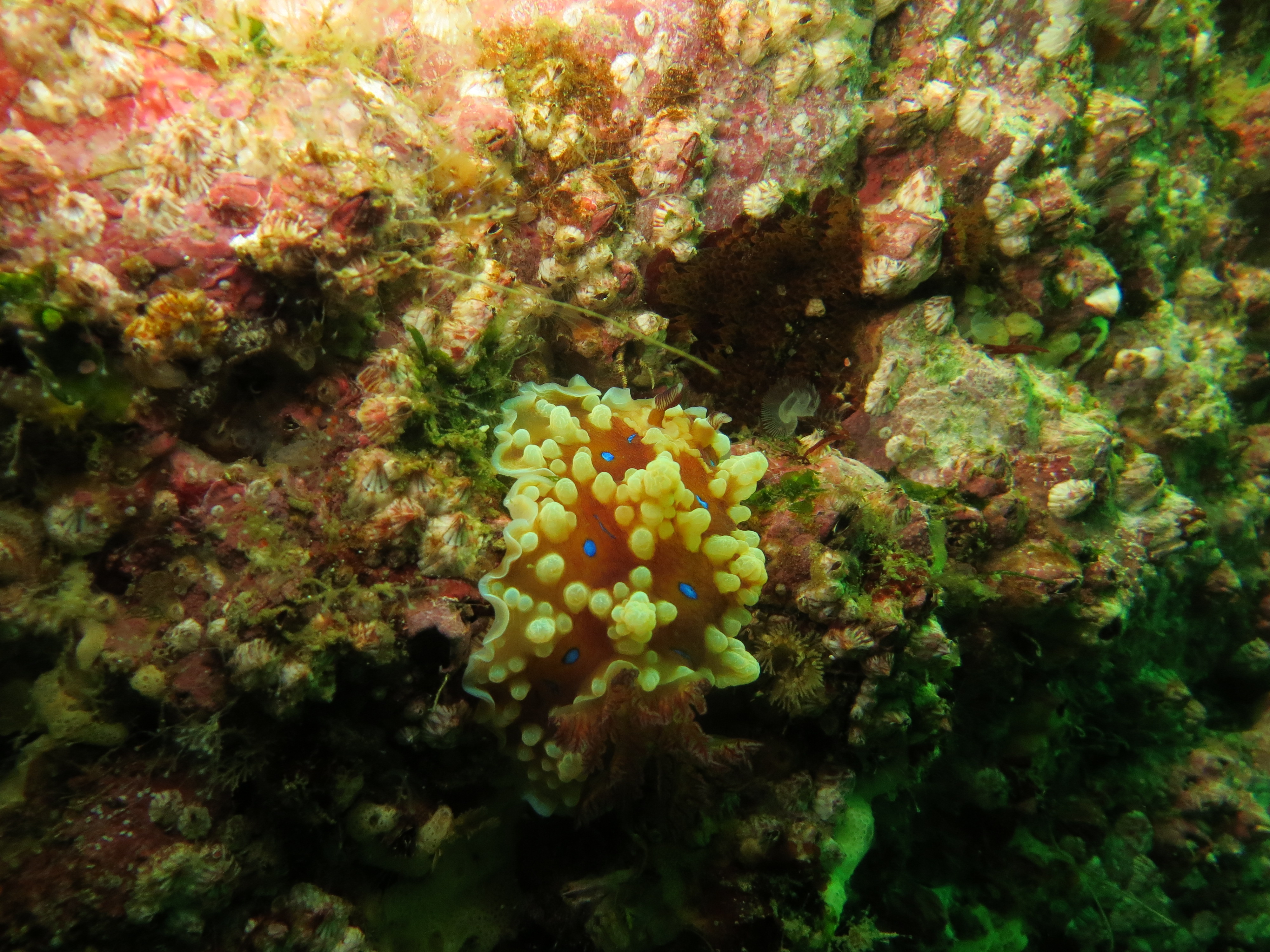
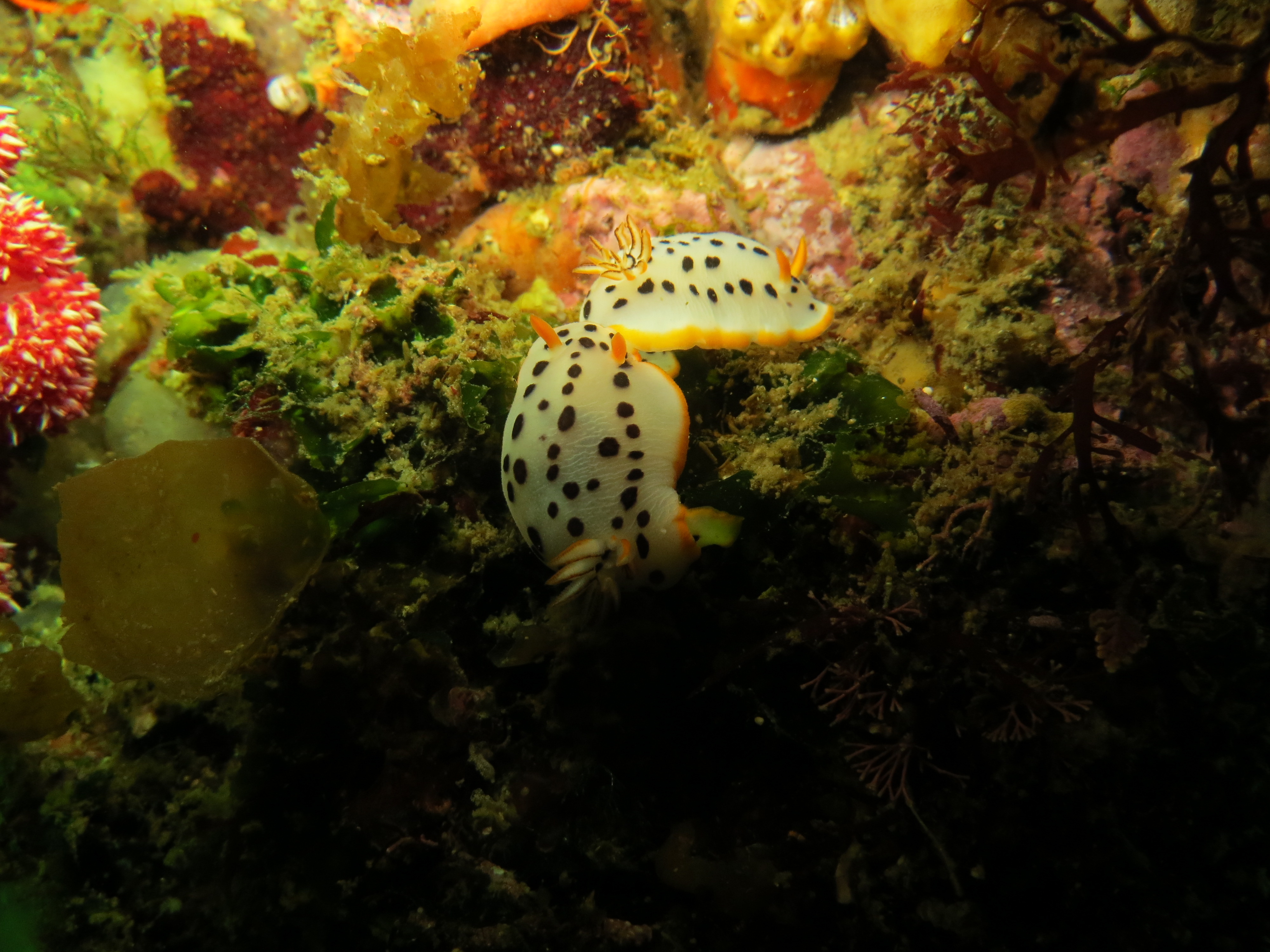
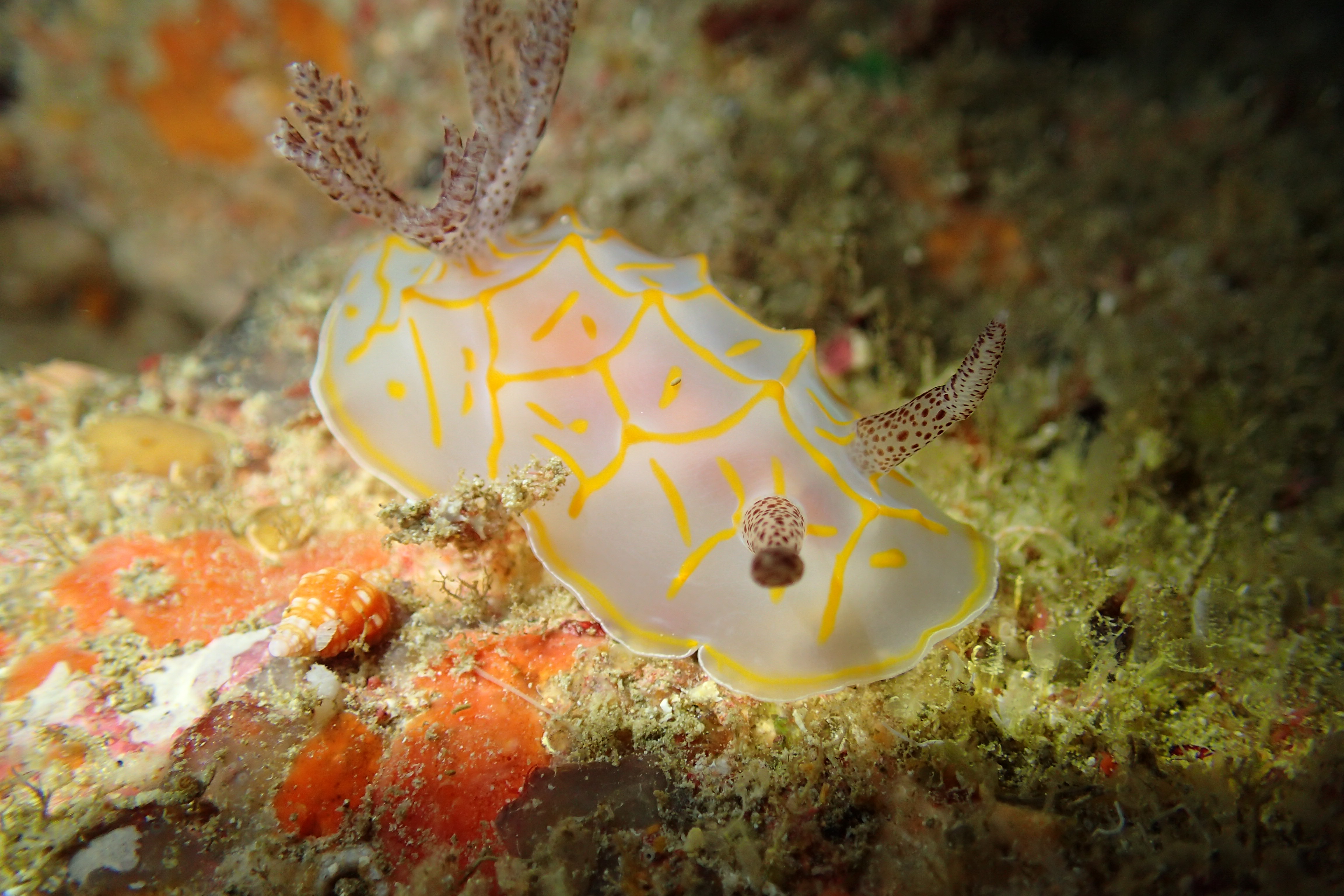
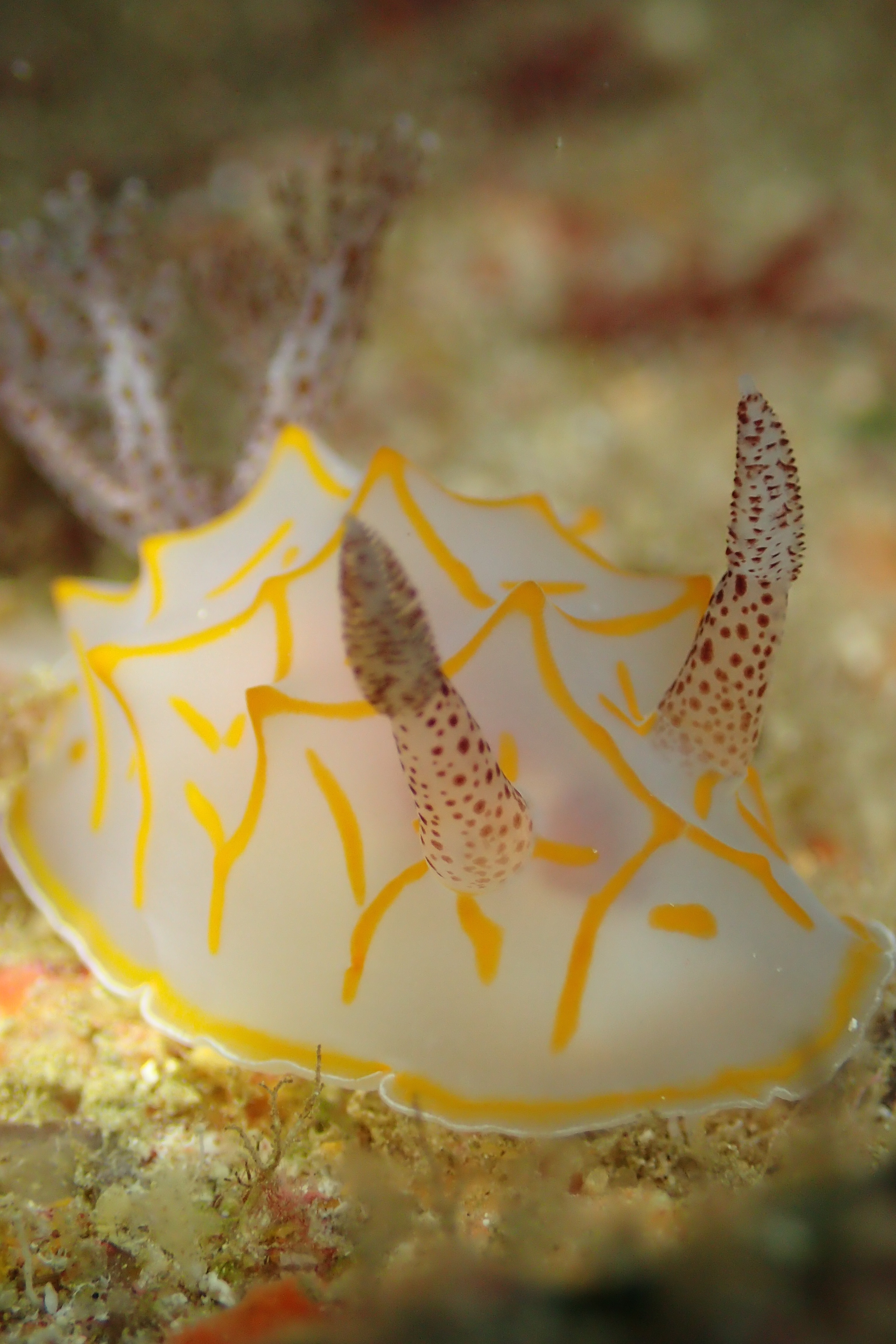
Dive 1: Nakanoshima Channel: dive number:166, depth: 17.9m, dive time: 51mins, entry time: 11:38AM, exit time: 12:28, water temp: 24C, water visibility: 20-25m, used a 10L steel tank, 5mm wetsuit, 3mm hood/vest and 4kg weight belt.  Start pressure: 200 bar, end pressure: 60bar.  Saw juvenile bicolour parrot fish, jaw fish, red soldier fish and seaslugs (halgerda diaphana)

Dive 2: Hon Drop: dive number 167, depth: 14.5m, dive time: 41mins, entry time: 14:17, exit time: 14:57, water visibility: 20-25m, water temperature: 22C, used a 10L steel tank, 5mm wetsuit, 3mm hood/vest and 4kg weight belt.  Start pressure: 180 bar, end pressure: 50 bar.  Saw giant trevally, turtles, blackspotted puffer fish and a couple of leaf scorpion fish

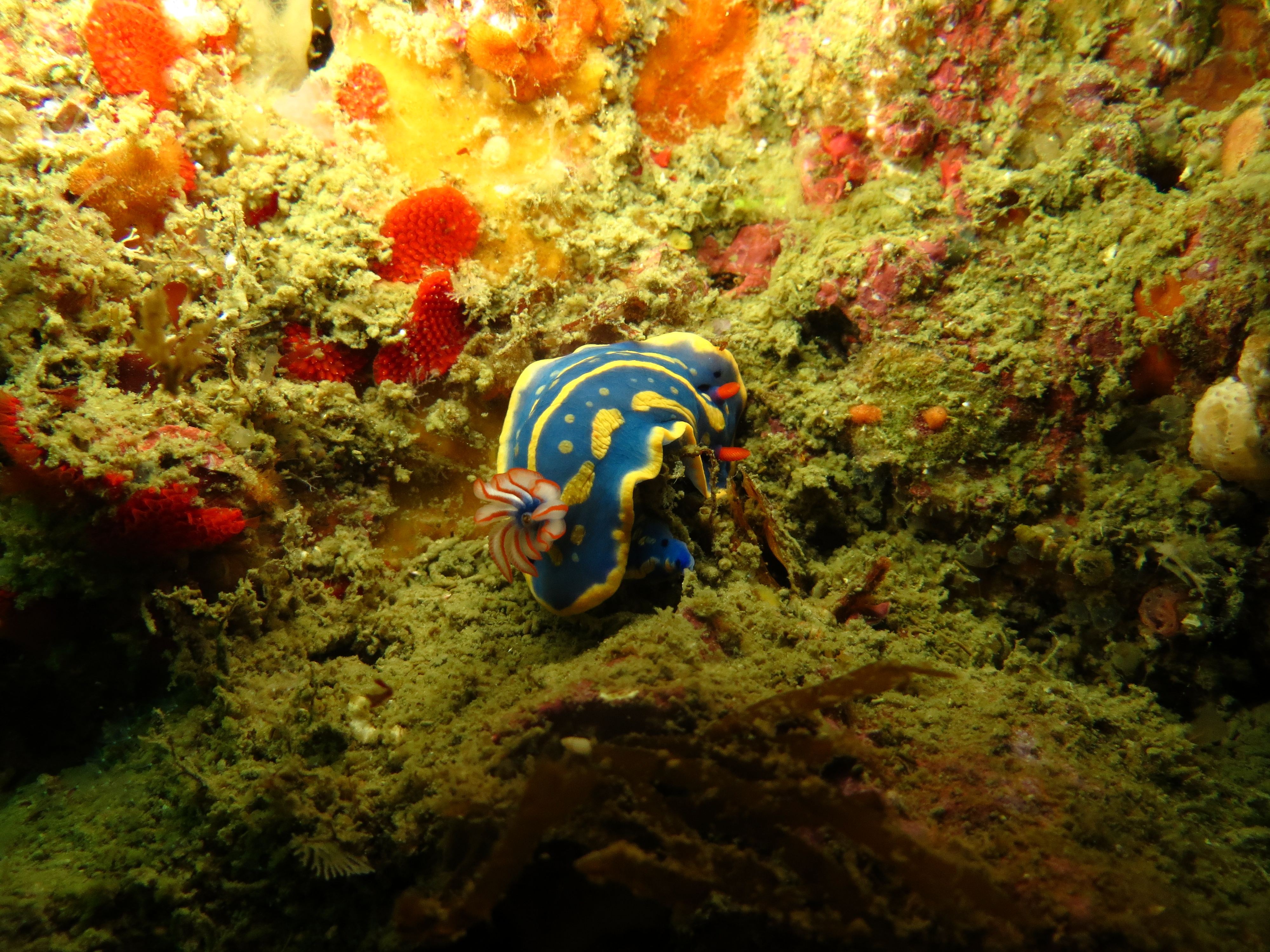
Dive 3: Mini Grotto: dive number 168, depth: 15m, dive time: 48mins, entry time: 09:46, exit time: 10:24, water visibility: 20m, water temperature: 22C, used a 10L steel tank, 5mm wetsuit, 3mm hood/vest and 4kg weight belt.  Start pressure: 200 bar, end pressure: 60 bar.  Saw turtles, lion fish, stout chromic, red snappers, sea slug (halgerda diaphana and chromodoris kuniei)

Dive 4: Mao no Kyuden: dive number 169, depth: 24.4m, dive time: 38mins, entry time: 11:31, exit time: 12:09, water visibility: 20m, water temperature: 21C, used a 10L steel tank, 5mm wetsuit, 3mm hood/vest and 4kg weight belt.  Start pressure: 180 bar, end pressure: 30 bar.  Saw filefish, candy crab, sweepers and bigscale soldier fish.

February 2015: Gearing Up for 2015

A belated Happy New Year!  I’m excited about an upcoming scuba diving trip to the amazing island of Miyakojima next month.  It’s a treasure chest of biodiversity towards the end of the Okinawa island chain and I’m looking forward to seeing some of the huge rock formations underwater, swimming with the fish and enjoying the peace and quiet that the island has to offer.

Fortunately Miyakojima’s marine life seems to have been kept relatively safe from the growing number of tourists including scuba divers.  6 weeks or so into 2015 and the discovery of one of Japan’s largest single-species colonies of coral recently caught my attention.  It was found during work to remove crown-of-thorns starfish in Nagura Bay off Ishigakijima, further south of Miyakojima.  Read more about the discovery here: http://the-japan-news.com/news/article/0001921604.  Okinawa’s corals remain under threat due to warming seas and coral bleaching but let’s hope that efforts to protect them keep going.

Regarding ocean conservation, Japan’s Environment Ministry is studying the possibility of working with Green Fins, a management approach set up by the United Nations Environmental Programme (UNEP) to encourage dive centres, local communities and government practices to reduce their environmental impacts on the oceans.  I’ll be keeping an eye on how this goes and staying in touch with Green Fins this year to help them reach out to the diving enthusiasts of Japan.

The beginning of 2015 not only marks a fresh year but also some time to continue my article writing, dive training and to explore new avenues.  With about 5 dive sites left, I’ll soon have covered all the main dive spots in Japan I’d planned to visit and will continue focusing on more news, stories and opportunities in marine initiatives in Japan.

Thank you for reading and…see you underwater!

November 2014: Yakushima, Kagoshima Prefecture, Japan

10299927_864167356935304_8269163656690007354_n 10301044_863357610349612_6974111054726615316_n 10373486_864167386935301_1452493067081924419_n 10406837_863357550349618_9151069360900970911_n 10409318_864167306935309_7932036854210005227_n 10410361_863357573682949_3681541727129473859_n 10690316_863357507016289_2567728846454390582_n

Friday October 31st to Saturday November 2nd 2014

A circular island floating on the East China Sea, Yakushima, a UNESCO World Heritage Site, is most famous for its mountains, trees and extreme annual rainfall. The island boasts ancient cedars, spectacular waterfalls, challenging and beautiful hiking trails, indigenous deer and monkeys. People come to go hiking and to soak up the ancient forest atmosphere, a stunning shade of green thanks to all the rain. The giant Yaku cedar “Jomon-sugi,” believed to be 7,200 years old, is also one of Yakushima’s most famous features.

The seas surrounding Yakushima most definitely deserve a mention thanks to the warm Kuroshio current, which brings a huge variety of marine life. Even in November, visibility is good and the water temperature mild. Isso and Nagata, two areas on the north of the island, are the main dive spots with shallow reefs, coral, rocks and marine life of all shapes, sizes and colours.

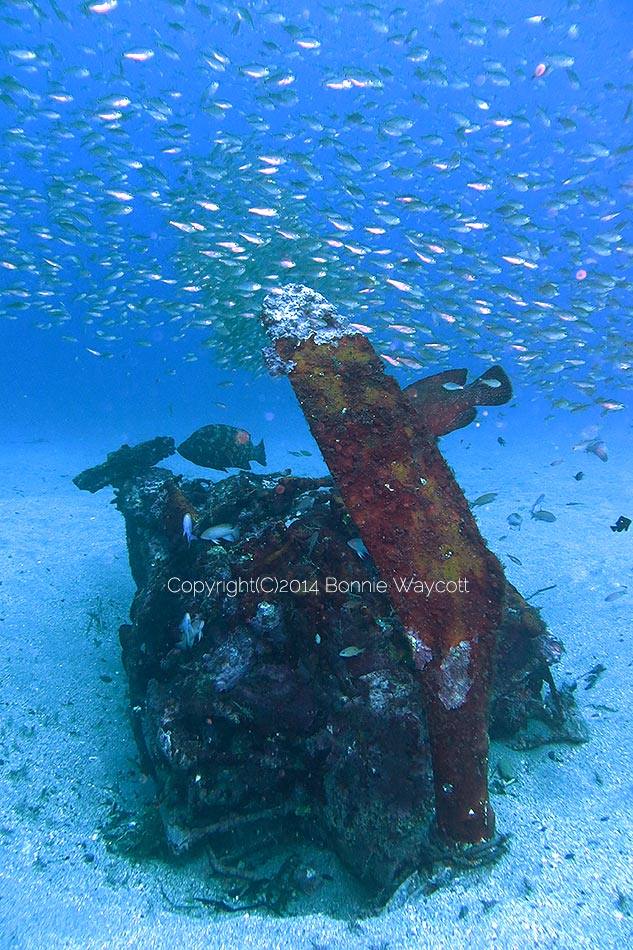
Zero-sen, Isso: This site is no more than 5mins by boat from the mainland. It’s the resting place of a Mitsubishi a6m zero, a long-range fighter aircraft operated by the Japanese Imperial Navy from 1940 – 1945. The dive begins down an anchor rope to 10 metres, where nothing can be seen except a carpet of white sand. After swimming for a good while, a dark cluster of what appears to be rocks begins to emerge. This is the front part of the Mitsubishi a6m zero, with one propeller wing sticking out of the sand and the others buried deep within. The legacy of war very much remains and there is nothing else nearby except the wreck just waiting to be explored. The tapestry of colour, even more magnificent under a light, is overwhelming and the multitudes of marine life extremely impressive. It’s a riot of colour, encrusted with sponges and engulfed by a range of fish, shrimps and some moray eels that will attack if you move about too much or get too close. Place your hands on the wreck and red shrimps will nibble at them until you can no longer stand the ticklish sensation.   Lie on the sand and you’re lost in a world of enchanting marine life and photos.

Isso Tank-shita Number 1: This point is only about 4 minutes by boat from the mainland and can be reached by either boat or shore. Entering from the shore is definitely worth it because even at 3 metres there is much life to behold, including an area festooned with corals and sponges. Almost instantly we encountered a tame and relaxed turtle before swimming over beds of hard coral and rocky structures, meeting a range of fish including a clown fish and some baby harlequin sweetlips. Heading into deeper areas packed with more coral and fish, we came across a stunning purple cinderella nudibranch, smooth and almost shiny against our flashlights. We also encountered a range of anemone shrimps, cleaner shrimps tucked in among a bed of soft coral, and an anemone crab looking comfortable among the tentacles. One highlight was spotting an octopus dart into a hole in a nearby rock. This dive reaches a maximum depth of around 20m and is most captivating because of the pure diversity of species found there.

Nagata, Otsuse: About 7 mins by boat from the mainland, this site a bit more current and bigger rocks than the points at Isso. Descending to about 5m, the dive began over a patch of rocks that we clung to in the current. Our destination was a huge rocky boulder at about 26m with branch coral sticking out of it. The critter to look out for here is the pygmy seahorse clinging by its tail to the coral and swaying to and fro. Because the bottom of the rock is sandy, it’s a great place to crouch and get close to this photogenic animal. But this doesn’t mean pygmy seahorses are easy to photograph as they can shy away from the camera, turning around and leaving the photographer with just their backs. It takes a sharp eye to spot them, but finding them is both rewarding and satisfying. The rest of the dive consists of the ascent over huge sloping fields of rocks swarming with equally large shoals of gold striped goatfish and then continuing further upwards to a shallow patch that provides sanctuary for a magnificent collection of creatures such as little nudibranchs, anemone pink squat lobsters, gorgonian pandalid shrimps, longnose hawkfish and pink squat lobsters.

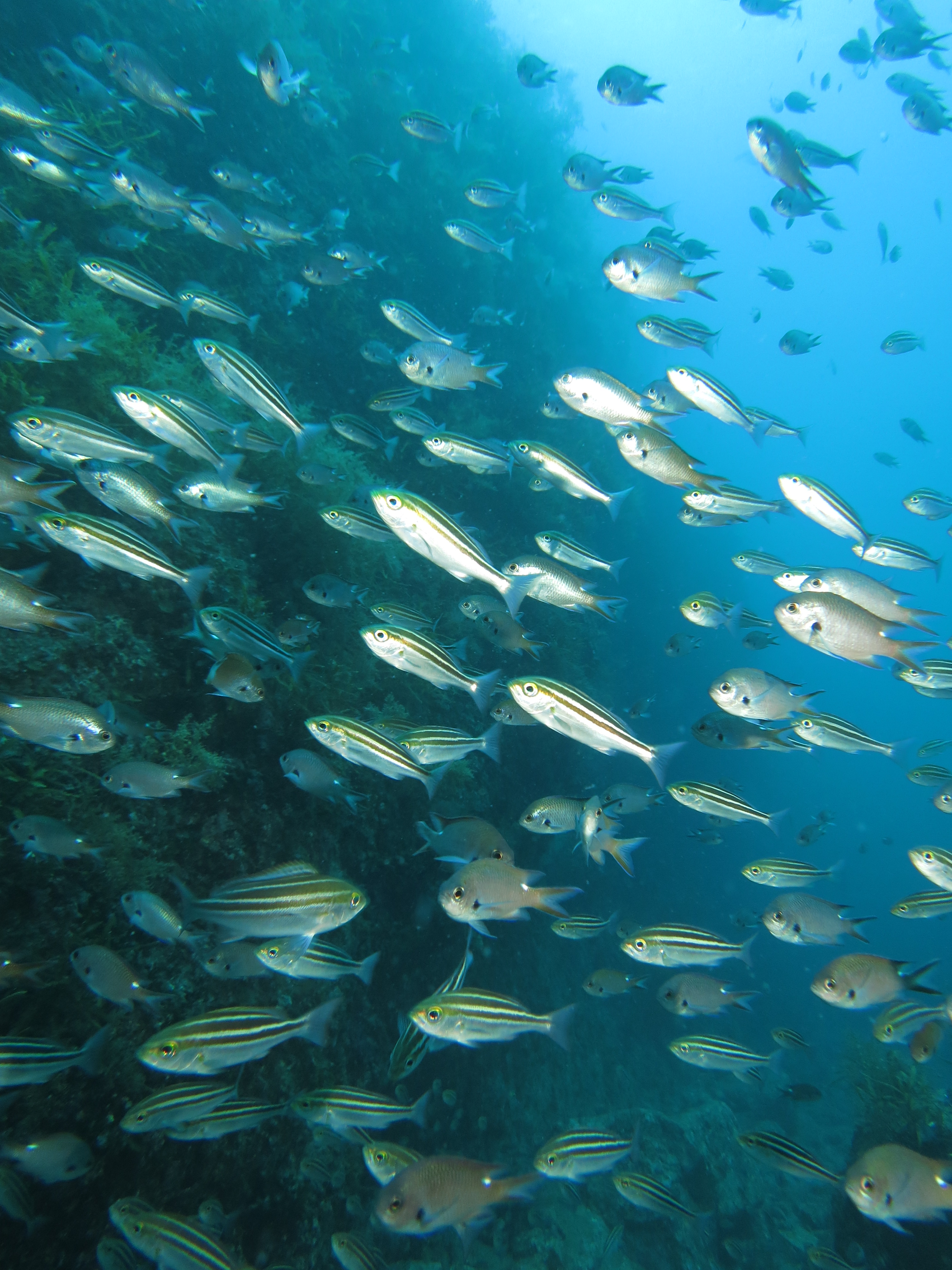
Omiyamae, Isso: Heading back to the area Isso, we entered the water about 5mins from the mainland at the dive site Omiyamae. Dropping into the water with a backward roll, on our first 10m down we observed a large carpet of rocks covered with what looked like leafy algae and no doubt home to many. We then made a sharper descent to around 26m where the fish life was again a feature, with schools of blue-striped snappers and gold striped goatfish swarming past. Omiyamae is known for the range of fish that call it home, and those from the tropical seas further south and colder seas up north tend to congregate here, making it an interesting point. Now and then some blunt-head parrotfish would appear and we observed a few turtles enjoying the area’s lush food supply. There are many macro photographic opportunities in the shallower depths and every single spot seemed to be overgrown with a forest of life such as sea squirts, anemone shrimps, nudibranchs, squat shrimps, porcelain anemone crabs and emperor shrimps. The star of the show however, is the jaw fish with his huge eyes and gaping mouth, poking out of his lair in the rocks, watching us intently and darting out of sight if so inclined.

Practical Information

  • I flew to Yakushima via Kagoshima with JAL, leaving Tokyo’s Haneda airport at 08:15AM and arriving in Kagoshima around 10:10AM. My flight from Haneda to Yakushima departed at 11:00AM, arriving at 11:35AM. The total cost of a return flight, including taxes, is about 80,000yen.
  • Upon arrival, Mr Harasaki from the dive school Umi to Mori (Sea and Forest) was there to meet me at Yakushima airport. He then drove me to his shop to get changed and prepare for the first dive.
  • The shop is up a hill in front of a forest. It’s very secluded and well kept, with 3 showers (shampoo and conditioner provided), a spacious concrete area to wash and hang dive gear and a beautiful wooden hut that’s the dive shop. There’s an array of books and magazines on marine life, a coffee machine that can make lattes and cappuccinos, and two big wooden tables to sit and write up log books. Mr Harasaki also connects his computer to a big screen so guests can look at their own photos, and explains in detail the different creatures seen during the dives. Beer is also available at 300yen a can.
  • All the dive sites are no more than 5mins away by boat from the mainland. The main area for diving is called Isso and there are 4 points. A local fisherman is in charge of the boat. It’s big with plenty of space for dive gear but no shady areas. Entry into the water is by backward roll and ascent is up a ladder. There is a boat charge, usually about 2,000yen.
  • Hot tea is available after the dives, and there is hot water to pour over yourself if you are cold.
  • The dive shop will order a boxed lunch (600yen) for divers. This includes rice, pickles, chicken, deep-fried fish and a vegetable item.
  • I stayed at a traditional Japanese inn (minshuku) called Kaisei, a new family-run place about 15mins drive away from the dive shop. Japanese style rooms with tatami floors and futon, or Western style rooms with beds are both available. Rooms are en-suite, with a TV, towels, shampoo, conditioner and shower gel all provided. There is also a communal area with sink, fridge, kettle, mugs, table and chairs and a bookshelf of manga comic books as well as maps and books on Yakushima. The minshuku has a bit of a youth hostel feel, with plenty of hiking guides and other leaflets available. A night’s stay costs 4,500yen, with breakfast included.
  • Breakfast consists of rice (or bread), miso soup, natto (fermented soy beans), pickles, salad, fish and eggs. Free tea (green) and coffee is available.
  • For dinner, there is a traditional Japanese style pub (izakaya) serving set meals of rice, miso soup, fish, vegetables and pickles, or smaller dishes for sharing. These dishes include raw fish (Yakushima is well known for mackerel), deer, vegetable salad, deep-fried flying fish and squid fried in butter. The cost comes to just over 3,000yen per person.
  • The people on Yakushima are used to foreigners as many visitors come for hiking.  Basic English is spoken
  • The cost of diving is as follows: 2 beach dives are 11,000yen, BC and regulator rental is 3,000yen a day for the two, fin rental is 500yen, and optional dives (including tank) are 4,000yen.
  • Divers are driven to the port or airport on the day of departure. I flew back to Tokyo with JAL, leaving Yakushima at 09:55 and arriving in Kagoshima at 10:30. I then had a bit of time at the airport (not much to do but there are a couple of shops, basic cafe and PC area) before heading to Tokyo’s Haneda at 14:05 and arriving at 15:45.

November’s dives

Dive 1: Zero-sen: dive number: 161, depth: 21.9m, dive time: 44 minutes, entry time: 13:07, exit time: 13:50, water temp: 28C, used a 10L steel tank, 5mm wetsuit, and 4kg weight belt. Start pressure: 230 bar, end pressure: 80 bar. Saw slender sweepers, tomato hinds, blackspot cardinal fish, white socks shrimp, violet boxer shrimp, cleaner shrimps.

Dive 2: Isso Tank-shita Number 1: dive number: 162, depth: 19.9m, dive time: 70 minutes, entry time: 15:15, exit time: 16:25, water temp 26C, used a 10L steel tank, 5mm wetsuit, and 4kg weight belt. Start pressure: 230 bar, end pressure: 40 bar. Saw green sea turtles, clownfish, harlequin sweetlips, blue-striped snappers, purple sea slug, white spot anemone fish, octopus, porcelain crab, hypselodoris apolegma, commensal shrimp and pustulose wart slug.

Dive 3: Nagata, Otsuse: dive number: 163, depth: 26.7m, dive time: 53 minutes, entry time: 09:09, exit time: 10:05, water temp: 23C, used a 10L steel tank, 5mm wetsuit and 4kg weight belt. Start pressure: 230 bar, end pressure: 30 bar. Saw pygmy seahorse, file fish, longnose hawkfish and pink squat lobsters.

Dive 4: Nagata, Otsuse: dive number: 164, depth: 22.6m, dive time: 55 minutes, entry time: 11.39, exit time: 12:35, water temp: 25C, water temp: 25C, used a 10L steel tank, 5mm wetsuit and 4kg weight belt. Start pressure: 230 bar, end pressure: 50 bar. Saw gold striped goat fish, purple sea slugs, whip coral gobies, gorgonian pandalid shrimps, red coral crabs, blackside hawkfish, yellowspotted scorpion fish, sea goldies and square-spot fairy basslets.

Dive 5: Omiyamae, Isso: dive number: 165, depth 26m, dive time: 61 minutes, entry time: 14:15, exit time: 15:16, water visibility: 25-30m, water temp: 27C, used a 10L steel tank, 4kg weight belt and 5mm wetsuit. Start pressure: 230 bar, end pressure: 50 bar. Saw blue-striped snappers, gold striped goat fish, hawkfish anthias, red lionfish, green sea turtles, celestial phylidia nudibranches, pustulose wart slugs, sea squirts, anemone shrimps, porcelain anemone crabs, emperor shrimps, pineapple sea cucumbers, halgerda diaphana nudibranch, blunt-head parrotfish and zebra lionfish

October 2014: The Oki Islands, Shimane Prefecture, Japan

7 DSCF2146 IMG_1899 IMG_1901 IMG_1972 IMG_1973 IMG_1977 IMG_3488

Sunday October 19th to Tuesday October 21st 

*I wish to say a big thank you to Nicola Jones and the rest of the staff at Nishinoshima Tourism Office (http://www.nkk-oki.com), for inviting me to the islands to write about the diving there, and to the Oki Islands Tourism Association for covering some of my expenses including accommodation.  I’d also like to thank Eiji Yanagihara of Club Noah Oki for supplying some of the underwater photos.

Mention the Oki Islands and not many people in Japan will know where they are, but that’s why going there and being able to dive is a special experience. Located on the Sea of Japan coast, the Oki Islands are four large inhabited islands and around 180 smaller uninhabited ones, with Dogo Island the largest, followed by the Dozen Islands that consist of Nishinoshima, Nakanoshima and Chiburijima. In 2013 the Oki Islands became part of the Global Geoparks Network backed by UNESCO.  Read more about the Oki Islands Global Geopark here (http://www.oki-geopark.jp). Formed by volcanic activity, today they are known for fishing, agriculture, delicious seafood (squid, turban shell, rock oyster, crab…), sea kayaking, some spectacular scenery and, of course, scuba diving.

Underwater, the islands are just as fascinating, with a range of currents and a variety of temperate and tropical marine species. Divers can shine a light over beds of seaweed or study temperate soft coral as schools of fish swim around in the distance. There is also a chance to see up close a special and unique underwater topography, where the waves, currents and volcanic activity have created huge dynamic rocks and even caves.

Iguri, Nishinoshima: The adventure here begins after a 10-min boat journey, down an anchor rope to 16m. Visibility was only about 5 – 8m because of remaining swell from a strong typhoon the previous week. Iguri consists of two rocks stuck together with the anchor placed in between. We turned left, swimming over the rock down to 20m. A very monotonous environment with flat sandy areas and some seaweed growth, it’s a scene very typical of the Sea of Japan coast but if you’re a nudibranch hunter or prefer small critters you don’t need anything more. Foraging through the leafy green seaweed, a closer look reveals a surprising array of life, such as orange starfish and little crabs that hide under rocks and in cracks but come out if you stop moving. Usually they are very patient and will stay still if you don’t scare them. A keen eye might also notice the slight movement of a piece of seaweed. A closer look, and you could find a range of tiny fish or a nudibranch nestling under the greenery. Nearby, schools of chicken grunts patrol the rocks and below them congregate the damselfish. Yellowfin amberjack quickly swarm all around, disappear and then return. We spent the rest of the dive ascending up the rock to 16m and hovering around at that depth until it was time to ascend.

Hoshi-no-kami-shima, Nishinoshima: This site, 30 minutes away from the mainland, is known for its fairly strong currents but the long journey and challenging conditions are worth it as the marine life is very prolific. As soon as there is a semblance of a current it whips the site into life. Nutrients in the water column strike the rocks and cause upwelling — perfect for schools of fish that dine on plankton. Hoshi-no-kami-shima is a small, uninhabited island that can be explored up to around 25m. Its walls plummet vertically into the depths below, and every inch of rock seems to be covered in seaweed, sponges and tiny critters, a great site for those keen to spot a range of blennies. Clouds of shimmering damselfish flittered in and out among the soft corals, and groups of chicken grunts and amberjack drifted past as we spent most of the dive studying the rocks in detail, shining our lights over the little holes and dark patches. Look up during the dive and you’ll see long rays of sunlight piercing through the ocean’s surface, transforming the water from a slight grey green to a deeper blue. When the current is strong and nutrient-rich waters bellow up from the depths, the area becomes an engine driving the complex ecosystem here.

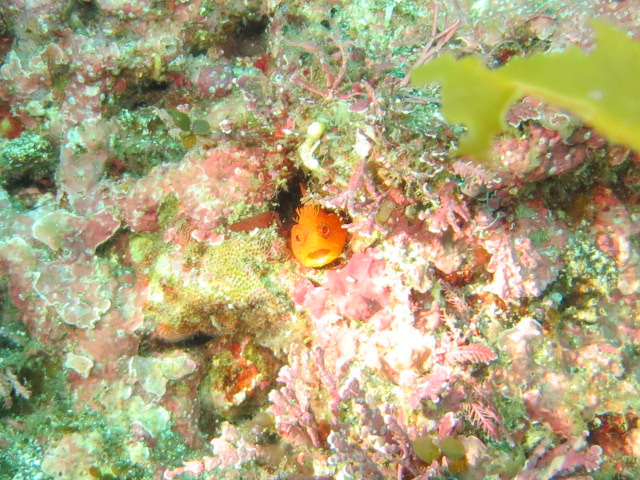
Oki no Tatami, Dogo: 10minutes away by boat from Fuse Diving Center, this site is a huge rock whose bottom is at around 25m over a carpet of white sand. Divers who like macrolife or exploring with a light are often brought here, where there is a mild current but not much in the way of huge schools of pelagic fish. During the dive we circled twice around the huge rock itself, and around it in the distance, saw some small to medium-sized rocks. The simple, almost barren landscape gives little hint of the wealth of marine life below the surface, but schools of damselfish are top of the agenda here, as well as a wealth of biodiversity, including several blennies looking like frogs and curiously poking their heads out from their lair in the rocks. Some can look quite comical, with feathery tentacles above the eye, often found peering out of dark holes or retreating to the safety of them when startled. The best way to explore Oki no Tatami is to keep circling the rock. It’s a classic Sea of Japan coast dive, and very beautiful.

Practical Information

  • I took a flight with ANA at 06:55AM on Sunday 19th October from Tokyo’s Haneda Airport to Yonago Airport, and then took a taxi to Shichirui Port, which takes about 20 – 30mins from Yonago Airport. The taxi fare from the airport came to 3,460yen. My flight was paid for with air miles.
  • There are also flights to Oki Airport with JAL via Osaka (Itami Airport) and Izumo (Izumo Airport).
  • At Shichirui Port, I then boarded a ferry (Ferry Kuniga) bound for Beppu Port on Nishinoshima Island. The journey takes two and a half hours and a single ticket costs 3,240yen. The ferry is extremely spacious, with a games room, shop, places to take off your shoes and lie down, smoking areas and lots of benches out on deck. The ferry leaves at 9:30AM and arrives at Beppu Port at 12:05.
  • Five minutes’ walk away from Beppu Port is a restaurant called Conseil (コンセーユ) which serves excellent turban shell with rice, called sazaedon for around 1,000yen. Tea, coffee, soft drinks, deep-fried prawn set lunches, turban shell curry, noodles and other options are available.
  • On Monday 19th and Tuesday 20th I dived with Club Noah Oki (http://noahoki.web.fc2.com) on Nishinoshima. The school is a huge yard by the water, very spacious with free tea and coffee, huge areas to wash, dry and hang gear, plastic chairs and tables and huge indoor and outdoor spaces to write up log books, have a coffee or relax and go over photos or books on marine life. Showers and changing rooms (including hair dryers, moisturiser, shampoo, conditioner and body soap) are warm, comfortable and in great condition. A vending machine is available with cold soft drinks.
  • All dives are off a boat that belongs to the school and leaves from right outside. It can carry around 10 people. Divers sit at the side with their gear in the middle. Warm tea and hot water (to pour over yourself after dives) are available. There are no shady areas to sit under.
  • All entries into the water are backward rolls. Ascent is up a rope and then a ladder.
  • The cost of one boat dive is 8,000yen including tanks and weights.
  • I stayed at a traditional Japanese inn (minshuku) called Fukuro, about 10mins away from Club Noah Oki. The family-run minshuku is quiet, clean and located on the waterfront. Rooms are basic – tatami straw mat flooring, TV, kettle and futon bedding. Dinner is mainly fish, squid, shellfish (turban shell), with rice, miso soup, pickles, salad and green tea.  Wifi access is available.  The owners Mr and Mrs Sakamoto are really friendly and welcoming, and Mrs Sakamoto will run a bath for you as well!
  • To get to Dogo from Nishinoshima, take the ferry (Ferry Kuniga or Ferry Shirashima) from Beppu Port to Saigo Port. A single ticket costs 1,470yen and the journey is about an hour and 15minutes.  The high-speed ferry also operates between the two ports, half the time, but twice the price.
  • On Tuesday 21st I dived with Fuse Diving Center (http://www.okidiv.jp) on Dogo. The shop is located right on the waterfront. It’s old, very spacious, with hot showers outdoors and shampoo/conditioner and shower gel provided in two indoor showers. There is a spacious indoor area to look through dive magazines or write up log books. The boat is in good condition, and all dive sites are within 15mins away from the mainland. Free coffee is available, as well as a spacious outdoor area to wash and dry gear.
  • Shore dives are available but most of the dives conducted at Fuse are boat dives. Tanks and gear are stored in the middle of the boat while divers sit around that area. There is also a roof over the tanks that divers can sit under too to avoid the sun.
  • All entries into the water are backward rolls. Ascent is up a ladder.
  • On Dogo I stayed at a traditional Japanese inn (minshuku) called Michizaka, about 10mins away from Fuse Diving Center. Also family-run, this minshuku is spacious with a big room where guests eat dinner (squid and shellfish with rice, miso soup, salad, pickles and green tea) and breakfast (rice, miso soup, grilled fish, tomatoes, seaweed and green tea). A bath is run for you in the evening, shower gel and shampoo are provided but there are no towels so bring your own!
  • On my last night in Dogo, I stayed at a traditional Japanese inn (ryokan) called Nadagiya. This family-run place is two minutes from Saigo Port from which ferries leave for the mainland. It’s old but very traditional Japanese style with tatami straw mats and paper doors. A bath is available, as well as a simple and delicious breakfast of rice, miso soup, fish, pickles, egg, tofu and green tea.
  • To get back to the mainland, you can take a high-speed ferry (Rainbow) or the slower ferry to either Sakaiminato Port (five hours, goes via all islands) or Shichirui Port (two and a half hours, direct service).  The ferry costs 3,240yen one way.
  • To get to Yonago Airport from Sakaiminato Port, take the JR line train or a taxi (about 2,000yen).  There is a shuttle bus from Shichirui Port to Yonago Airport (about 500yen).

October’s dives

Dive 1: Iguri: dive number: 158, depth: 25.3m, dive time: 48 minutes, entry time: 14:32, exit time: 15:10, water temp: 23C, used a 10L steel tank, 5mm wetsuit (new), 3mm hood/vest and 5kg weights to begin with (1kg in each pocket and 3kg back plate) which later became 4kg. Start pressure: 200 bar, end pressure: 50 bar. Saw a moss fringehead, damselfish, chicken grunts, yellowtail amberjacks and a range of orange starfish.

Dive 2: Hoshinokamishima: dive number: 159, depth: 20.1m, dive time: 62mins, entry time: 10:25, exit time: 11:27, water temp: 20C, used a 12L steel tank, 5mm wetsuit (new), 3mm hood/vest and 4kg weights (1kg in pocket and 3kg back plate). Start pressure: 200 bar, end pressure: 30 bar. Saw chicken grunts, knifefish, yellowtail amberjack, young yellowtail, damselfish, sardines, sea bream, sea slugs (orange Ceratosoma trilobatum, blue hypselodoris festiva, white Glossodoris misakinosibogae, purple and cream-coloured Goniobranchus aureopurpureus), pike blennies and neoclinus nudiceps, another type of blenny.

Dive 3: Oki no Tatami: dive number: 160, depth: 19.1m, dive time: 54 mins, entry time: 11:39, exit time: 12:35, water temp: 20C, used a 12L steel tank, 5mm wetsuit (new), 3mm hood/vest and 4kg weights (1kg in pocket and 3kg back plate, one press on my BC made me neutrally buoyant). Start pressure: 200 bar, end pressure: 80 bar. Saw chicken grunts, pike blennies, neoclinus nudiceps, damselfish and schools of young yellowtail.

September 2014: Hatsushima, Shizuoka Prefecture, Japan

1603_1 OLYMPUS DIGITAL CAMERA 1605_1 OLYMPUS DIGITAL CAMERA OLYMPUS DIGITAL CAMERA 1607_2

Saturday September 13th 2014

Hatsushima is a quaint little island in Sagami Bay, only 25 minutes by boat from the city of Atami, a major hot spring town and dive spot about 45 minutes from Tokyo by bullet train. If you want to dive but can only spare a day, it’s worth taking the boat and heading out there. Hatsushima is only 4km (2.5miles) in circumference so you can walk around the island easily, and the fresh raw fish at the restaurants along the seafront is not to be missed. The island is supported by tourism and fishing, while dive shops were eventually established to increase the number of visitors.

Depending on the weather and sea conditions, boat dives are available but they tend to be for experienced divers due to the sometimes strong and unpredictable currents. The range of sites is not that big, but the most popular spot that is open to all is Futatsune, a shore dive that begins down a slope of concrete steps as divers put on their masks and fins before swimming to the nearest buoy and making their descent. Upon reaching 6m, we encountered some parrotfish that seemed more than happy to spend time close to us as we took photos. We then descended to 12m over a bed of medium-sized rocks and swam gradually towards the right, reaching our final depth of around 22m. The rocks seem to be pretty standard but a closer look reveals a surprising amount of activity where a lot of the rocks have been colonised by hundreds of sea sponges, anemones and small coral.   We spent time searching for macrolife such as sea slugs and shrimps trying to hide away under the glare of our torches.

One of the highlights of Futatsune is an artificial house-shaped structure that was placed there deliberately for marine life to grow over. This has been a successful initiative – the structure is teeming with soft coral, a range of seaweed, tiny shellfish, crabs and anemones. Divers can swim through and hover over various parts depending on what they find or stop and marvel at the many schools of fish that drift past. There is also a sandy area around the structure for those wishing to descend a little deeper and explore the bottom.

The ascent begins with a slow and gradual leftward turn over the sand. This part is home to a cluster of tree branches and green leaves, which is where squid come to spawn around May, brought here by the warm Kuroshio current. The eggs they deposit are contained in long white tubes that hang off the branches by a thread, clustered together in huge balls. On this dive we didn’t see any eggs but close to the branches are more rocks at 14m that mustn’t be overlooked. The schools of orange anthias fish are pretty something, darting quickly from one place to another, while other species such as trumpet fish, nudibranchs and butterfly fish are close by, all of them great from up-close-and personal interactions. During the safety stop, look out for tiny blennies that seem to poke their heads out at you, no doubt out of curiosity!

Practical information

  • I took a bullet train from Tokyo’s Shinagawa station at 07:04, arriving at Atami at 07:45 to meet the shop’s gathering time of 08:00AM at Atami station. A return ticket costs about 7,000yen.
  • I was picked up and driven to the nearest port from Atami station. The journey is about 10-15mins. At the port, customers are given their return ferry ticket which is 2,400yen but included in the price you pay after a day’s diving. The ferry journey to Hatsushima is approx. 25mins.
  • The boat is fairly comfortable with long wide seats, an outdoor seating area and carpet at the bottom for those who want to sleep. Vending machines for drinks are available as well.
  • Everyone gathers at Hatsudai port and walks 5mins to the dive shop. Diving gear is put onto a van that comes to meet customers, and is then driven to the shop.
  • On the right is the dive shop Seafront Hatsushima (http://seafront-dive.com), indoor shower/toilet/locker area for men and women, reception (with a table for logging dives and some books/magazines on marine life)and a large area for rinsing equipment and hanging it to dry. On the right, by the water, is a huge area of tables where divers can leave their stuff for the day or sit and relax. Shower gel and shampoo are provided, as well as free Japanese tea, warm and cold. The facilities aren’t very new.
  • Divers are put into groups, shown the facilities and then get get ready for the first dive. Before changing into wetsuits, all gear is taken to the beach entry point (about 2 seconds from the seating area) and set up.
  • Entry into the water is along a rope on foot. Divers put on their masks and fins holding onto a rope, then walk backwards slowly into the water, swim to the nearest buoy and descend in groups from there.
  • The exit is up a different rope where divers walk up before removing masks and fins once the water is shallower.
  • Gear is carried up to the shop and divers have a designated area to hang everything with the others in their group.
  • Next door to the dive shop is a row of restaurants all serving set meals including rice, miso soup, pickles, salad and fresh sashimi raw fish (squid, prawns, sardines, shellfish…). The meals are usually about 1,900yen.  Hatsushima is well-known for its fresh fish and the meals are highly recommended!
  • Two beach dives are usually done before 13:30 so divers are free to have lunch and write up their log books in time for the 15:20 ferry back to Atami. Taking the 16:40 boat is included in the dive price and the shop will drive you back to Atami station as well. If you take the 15:20 you need to make your own way to Atami station (taxi or local bus).
  • For those wishing to stay on the island, the Hatsushima Island Resort (http://www.hatsushima.jp/island/index.html) is the most popular place to stay. You can stay at the Island Camp Villa and enjoy a hot spring and a range of food.

September’s dives

Dive 1: Futatsune: dive number: 156, depth: 21.1m, average depth: 12.2m, dive time: 50mins, entry time: 10:40AM, exit time: 11:30AM, water temp: 24-25C, used a 10L aluminium tank, 5mm wetsuit, 3mm hood/vest and 4kg weights (3kg back plate and 1kg weight in one pocket), start pressure: 200 bar, end pressure: 40 bar. Saw knifefish, large scale blackfish, nudibranchs, anthias fish, grunts, parrot fish and harlequin crabs

Dive 2: Futatsune: dive number: 157, depth: 24.1m, average depth: 13,7m, dive time: 45mins, entry time: 12:33PM, exit time: 13:18, water temp: 24-25C, used a 10L aluminium tank, 5mm wetsuit, 3mm hood/vest and 5kg weights (3kg back plate and 2kg weights in each pocket), start pressure: 200 bar, end pressure: 50 bar. Saw grunts, parrot fish a

May 2014: Kushimoto, Wakayama Prefecture, JAPAN

IMG_1357 IMG_1365 IMG_1371 IMG_1376 IMG_1393 IMG_1405 IMG_1407 IMG_1410 IMG_1420 IMG_1427 IMG_1430 IMG_1447 IMG_1460 IMG_1464

Saturday May 24th and Sunday May 25th 2014

Located on the southern curve of Wakayama prefecture, Kushimoto is a tiny place in between the mountains and wind-swept sea. You might be gazing out at the ocean or passing a scene of fishing nets and boats at a nearby port but whatever you are doing, you’ll find that the ocean is everywhere. The town has much to do with fishing, while its history consists of boats and shipwrecks, including the famous Ertugrul, dispatched to Japan from Turkey for a diplomatic mission in 1891. As it set sail for home, it was engulfed by a massive typhoon that crashed it into pieces and took it straight to the bottom of the sea.

But the very reefs which make this part of Japan so treacherous also make it an ideal home for technicolor fish, macrolife and other sea creatures. The area probably has some of the best diving and snorkelling in Honshu and today divers can choose from a range of local dive shops and fascinating sites. The fact that these sites accommodate both novices and seasoned pros makes it easy to see that Kushimoto is an area where divers of varying abilities can find a lot to enjoy together.  It offers a bit of everything, with a whole spectrum of marine life just waiting to be seen.

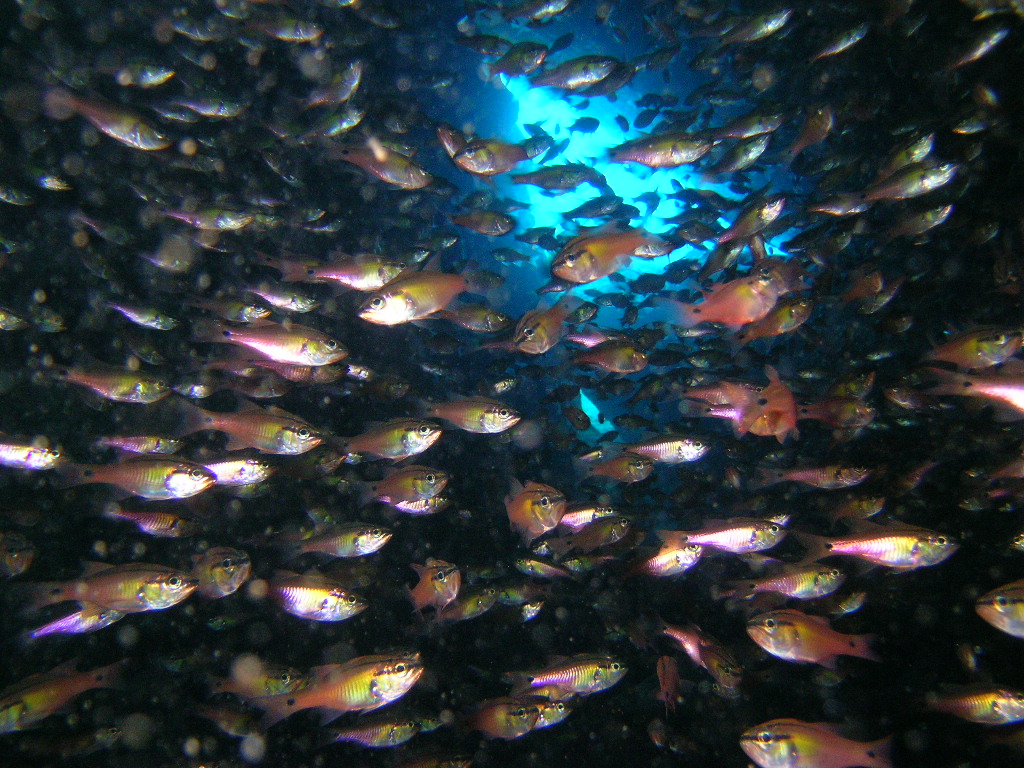
The Black Tunnel: This is one of Kushimoto’s most popular points but is only open to those with at least Advanced Open Water because of its deep depth. The dive begins with an arch that starts at 32m, between two huge rocks that are densely covered in a variety of colourful sea fans, soft coral and vivid sponges. Descending down an anchor rope to around 24m, sea goldies, knifefish and butterfly fish congregate close by before the arch takes you into deeper depths and colder waters. Here an incredible sight materialises – schools of half-lined cardinal fish and pempheris japonica, aligned and perfected ordered, hover at the entrance to the arch, squashed together and milling about. Looking above and to your right as you swim through, you notice that despite the depth the rock formations offer a home to a myriad of life – tiny little crabs, bits of seaweed and shellfish. As you leave the arch, don’t forget to look back and watch it light up as the sun shines through. Keep your eyes peeled and you might even spot a common octopus or some longtooth groupers as well.

Kaminoshima: With a maximum depth of around 20m, this site is an easy-going and relaxing underwater experience for everyone, with a fantastic array of life forms. Spending a good few minutes scanning the water, you soon discover that the most interesting areas lie between 14-19m and it’s a surprisingly exotic place, a rocky site revealing a different world of critters such as emperor shrimp, crabs, pike blennies and black-bar chromis that are found literally every day, darting in and out of the nearest hiding places. Tiny wire coral shrimps twist and coil around the coral and although beautiful, can be extremely difficult to photograph due to the water which moves the individual whips around, constantly obscuring the little shrimps. Soon it wasn’t long until we came across the stars of the site: a group of nudibranchs that displayed a broad palette of different colour forms. This site is one of the richest in terms of diversity and abundance of these beautiful critters.

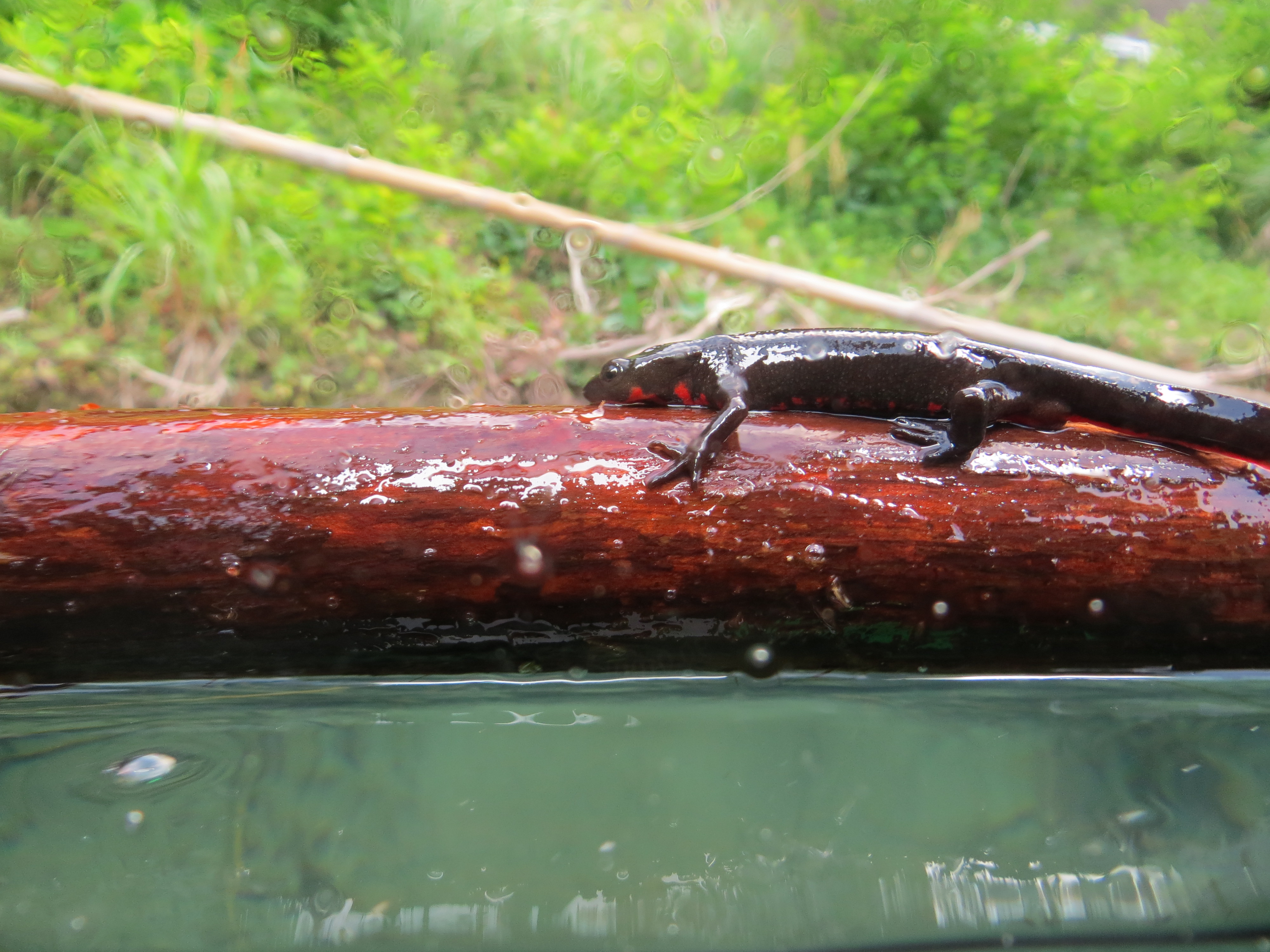
Nukumi (a section of river under Myokenbashi Bridge): Dipping your head underwater at Nukumi feels like a shock as you discover this fresh and clear dive spot. Bad visibility is a photographer’s worst enemy but thanks to the water, here you’re spoiled with a good few photo opportunities and the chance to see a few critters. After swimming to the other side of the river over stones and rocks that lie helter-skelter, you come to some huge rocks and boulders. The bottom is covered in tiny pebbles, a few green plants and a thin layer of sediment and organic materials. It’s a bit of a barren landscape, a brownish colour that appears to offer no life but soon a Japanese giant salamander appears, playfully darting over the pebbles and poking his head around curiously, taking in everything around him. Don’t forget to cast your eyes over the very bottom of the huge rocks as you never know what might be hiding down there. Huge healthy-looking shrimp scuttle around while tiny fish hover over the little pebbles. It’s a nice and easy dive, maximum depth 5m, where you can spend ages taking photos. Despite the cold, it’s extremely refreshing and there’s no need to rinse equipment and underwater cameras afterwards. In fact, they are probably cleaner than they were at the start of the dive!

Nagizaki: This site is just off Oshima island, the largest island in Wakayama prefecture and 1.8km off Kushimoto. It’s a huge rock formation that’s covered with a riot of life, a smattering of soft coral, nudibranchs and dense rich colours. We dived soon after some bad weather so visibility was not perfect but in the murky water our torches still revealed a wonderland of activity such as soft corals jostling and swaying for nutrients. Descending from the boat to around 7m, we swam down to a maximum depth of around 25m before turning around and heading back to the boat extremely slowly, stopping on the way to marvel and photograph everything around us.  There were many great sightings during the dive, things as obvious as schools of fish, or others that were more hidden away, such as delicate anemone shrimps waiting and watching amongst the tentacles. Decorating the rocky walls were some white chromodoris sea slugs and festival sea slugs with bright blue bodies and yellow markings, while strong and angry-looking sea urchins were found in every crack and space, sometimes accompanied by tiny red urchin clingfish hovering delicately in front of our cameras.

Practical information

  • I took an evening bullet train around 6PM on Friday 23rd May from Tokyo’s Shinagawa station to Shin Osaka station where I was picked up and driven to Kushimoto.  The car journey takes around 3 hours and the train journey around 2.5 hours.
  • A return bullet train ticket from Tokyo to Shin Osaka station costs roughly 14,000yen one way.
  • Other alternatives to get to Kushimoto are to fly from Haneda to Kansai International Airport or Shirahama airport.
  • On Friday night we stayed at the dive school Dive Kooza (http://dive-kooza.com/koza.html) which has bunk beds, showers, toilets, towels, hairdryers, shampoo and body soap available.  It’s extremely comfortable, with a big indoor space to write up log books, have a coffee or relax and go over photos or books on marine life.  You can also connect a computer to their bigger screen when looking at your photos.  There are areas to sit outside if the weather is nice, and a convenience store a short walk away for food, drink, snacks and other daily items. Right next to it are places to wash, dry and hang equipment, and a parking area for vehicles. Cameras/lens can also be hired.
  • All dives are off a boat that leaves from the port outside the school.  It can carry a bit more than 10 people and has an area in the middle if you want to be in the shade and a small section on deck to set up equipment. Tea and sweets are also available.
  • All entries into the water are backward rolls.  Ascent is up a ladder.
  • Two boat dives cost 14,000yen, including tanks and weights.
  • On the Sunday we drove to Sue Diving Centre (http://www.zb.ztv.ne.jp/sue.d.c/index.htm) about 30mins away from Dive Kooza to dive off Oshima Island.  Sue Diving Centre is full of character, converted from an old school, with huge classrooms serving as relaxation areas for divers, and a big outdoor deck to wash/dry equipment, have lunch and relax in the sun.  Showers and toilets are at the back of the building, as well as a huge parking area for vehicles.  Two boat dives also cost 14,000yen including tanks, weights and a guide, and a packed box lunch is extra at around 600yen for a set of rice, vegetables, fish and meat.
  • Boat dives are available.  Nagizaki is about 5-10mins from the nearby port and the port is about 5mins from the dive shop.  All entries into the water are backward rolls.  Ascent is up a ladder and hot water is available for divers to pour over themselves after the dive. Divers set up their equipment and dismantle everything on land as the boat is slightly small and crowded.
  • A weekend of diving in Kushimoto can be arranged through David Graham at Kansai Divers (http://www.fourthelement.jp/KansaiDiving/). Check out their Facebook page as well.  Tours can be arranged at the above schools and non-Japanese speakers are also welcome!

May’s dives

Dive 1: Black Tunnel: dive number: 149, depth: 36.6m, average depth: 16.6m, dive time: 30mins, entry time: 10:14AM, exit time: 10:44AM, water temp: 20C, used a 10L steel tank, 5mm wetsuit, 3mm hood/vest and 6kg weights (3kg back plate, 1kg weight in each pocket and 1kg weight on a weight belt as my wetsuit was brand new). Start pressure: 200 bar, End pressure: 50 bar. Saw half-lined cardinal fish and pempheris japonica.

Dive 2: Kaminoshima: dive number: 150, depth: 18.6m, average depth: 12.6m, dive time: 45 mins, entry time: 13:41, exit time: 14:25, water temp: 20C, used a 10L steel tank, 5mm wetsuit, 3mm hood/vest and 5kg weights (3kg back plate, 1kg weight in each pocket). Start pressure: 200 bar, End pressure: 80 bar.  Saw emperor shrimp, crabs, pike blennies and black-bar chromis, wire coral shrimps and nudibranchs.

Dive 3: Nukumi (river): dive number: 151, depth: 5.2m, average depth: 3.4m, dive time: 34mins, entry time: 16:51, exit time 17:21, water temp; 19C, used a 10L steel tank, 5mm wetsuit, 3mm hood/vest and 3kg weights (3kg back plate as you are more buoyant in fresh water).  Saw Japanese giant salamander and shrimps

Dive 4: Nagizaki, Sue: dive number: 152, depth: 24.9m, average depth: 11.4m, dive time: 52mins, entry time: 9:28AM, exit time: 10:20AM, water temp: 17.9C, used a 12L steel tank, 5mm wetsuit, 3mm hood/vest and 5kg weights (3kg back plate and 1kg weight in both pockets). Start pressure: 200 bar, End pressure: 80 bar. Saw rockfish, lizard fish, soft coral, white chromodoris sea slugs and festival sea slugs.

Dive 5: Nagizaki, Sue: dive number: 153, depth: 20.2m, average depth: 13.3m, dive time: 60mins, entry time: 12:27, exit time: 13:27, water temp: 19C, used a 12L steel tank, 5mm wetsuit, 3mm hood/vest (3kg back plate and 1kg weight in both pockets). Start pressure: 200 bar, End pressure: 80 bar. Saw nudibranchs, sea urchins, urchin clingfish and anemone shrimps.