Tag Archives: agriculture

Aquaculture – What I’ll Be Tracking in 2025

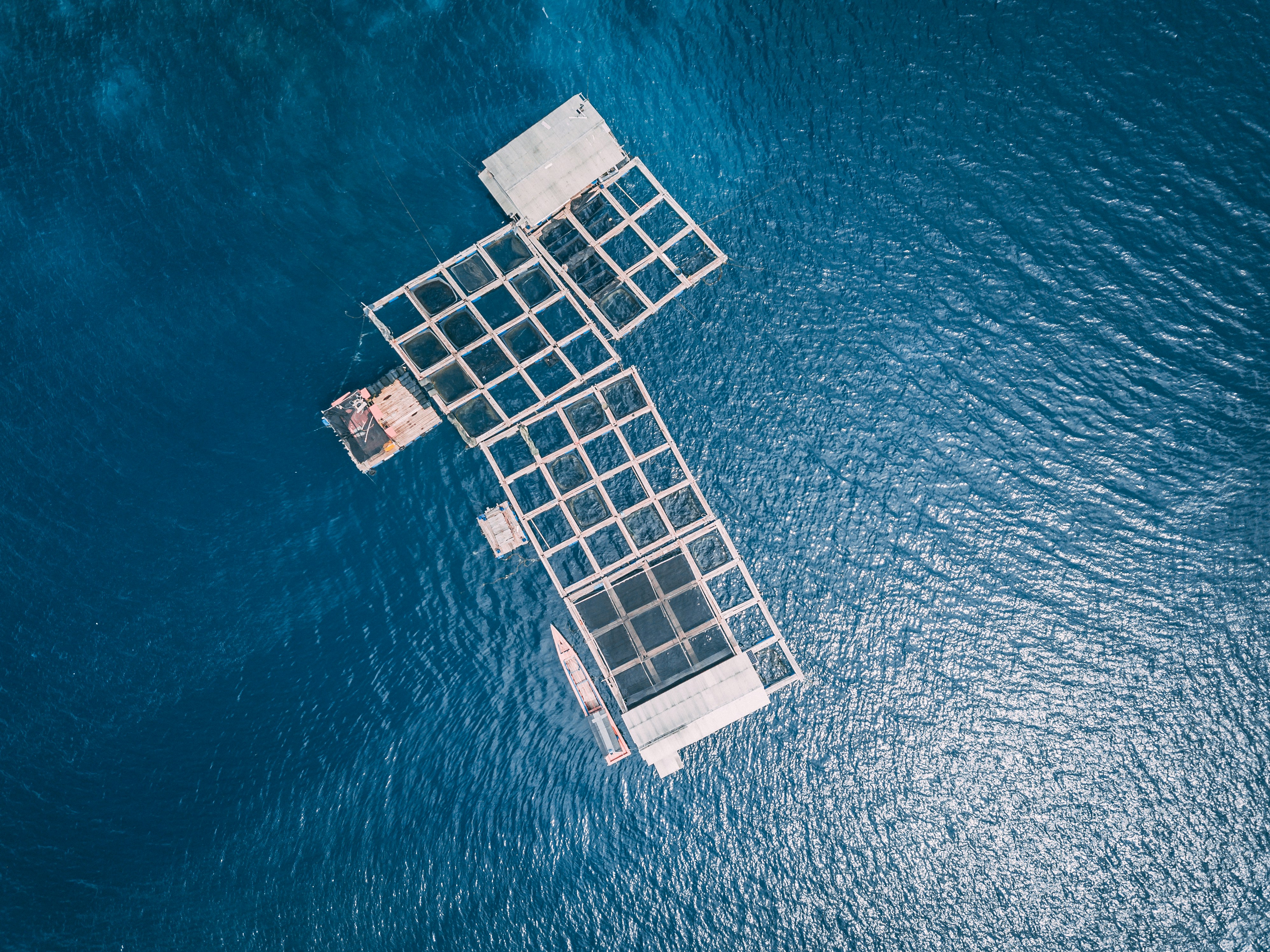
Having faced unprecedented hurdles such as economic impacts from the COVID-19 pandemic, the Russian invasion of Ukraine, as well as other obstacles such as climate change, rising feed prices and operational expenses, aquaculture has had some challenging years. However, the industry is projected to supply over 60% of global fish consumption by 2025, and as we enter this new year, it is very much in the spotlight, with technology, innovation and research driving things forward. There are also strong expectations that production volumes are expected to grow. In my first blog entry of 2025, I take a look at the outlook for aquaculture and what has resonated with me so far.

The Rise of AI
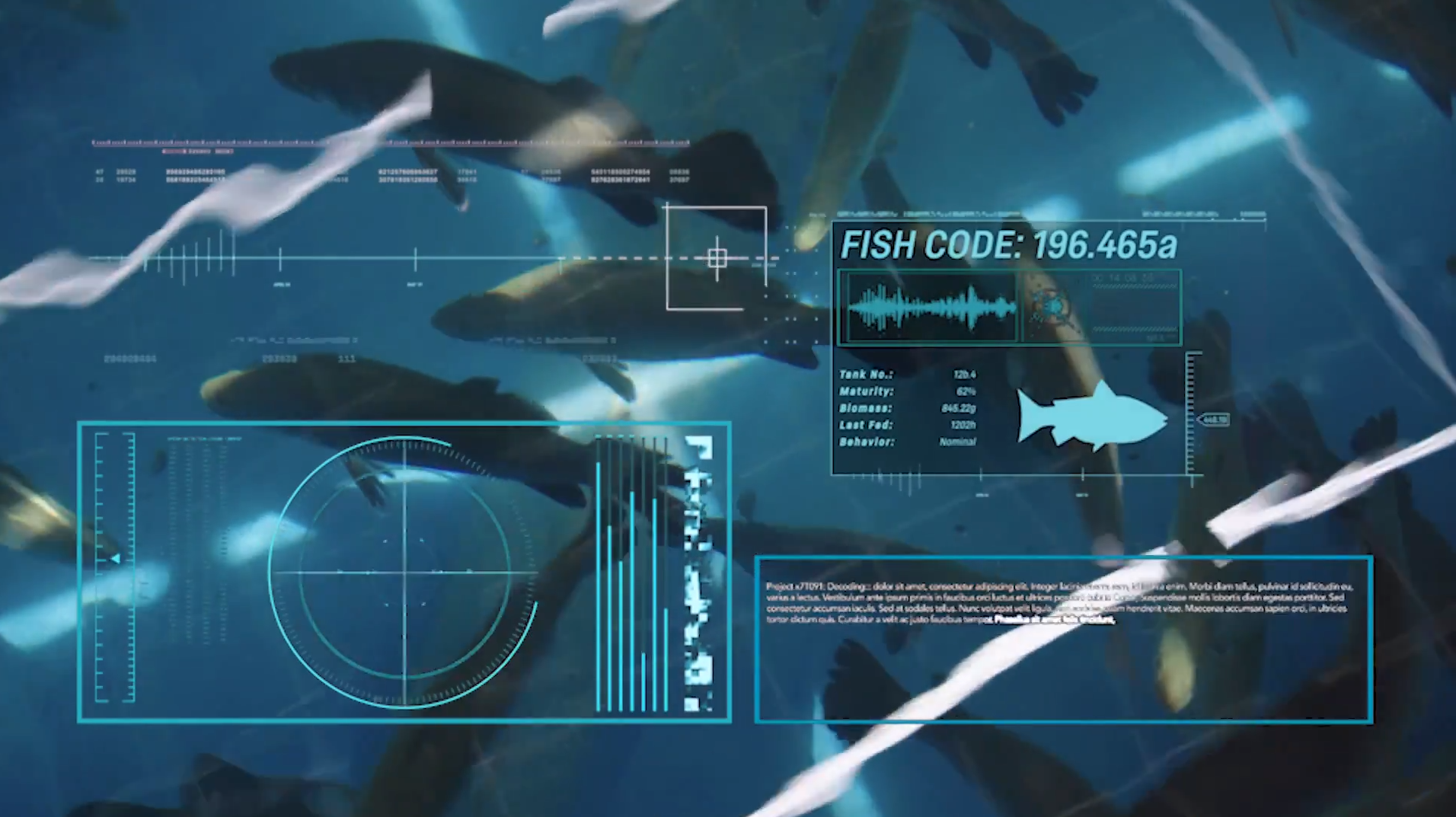
Technology and AI have continued to make their mark on aquaculture. Last year saw a range of news stories describing a series of advances, where producers are using machine learning to monitor systems, sort animals and products, and automate feedings.

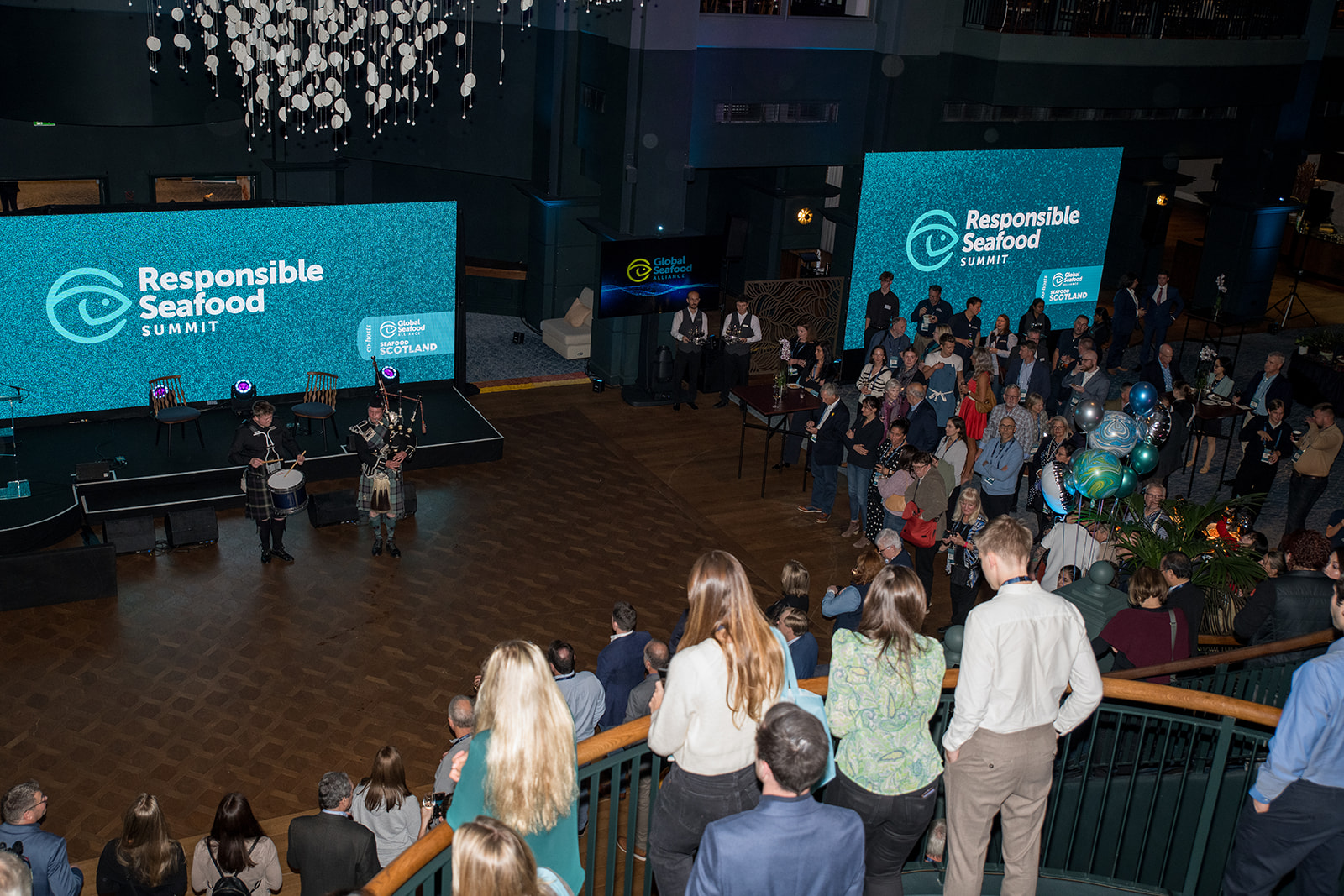
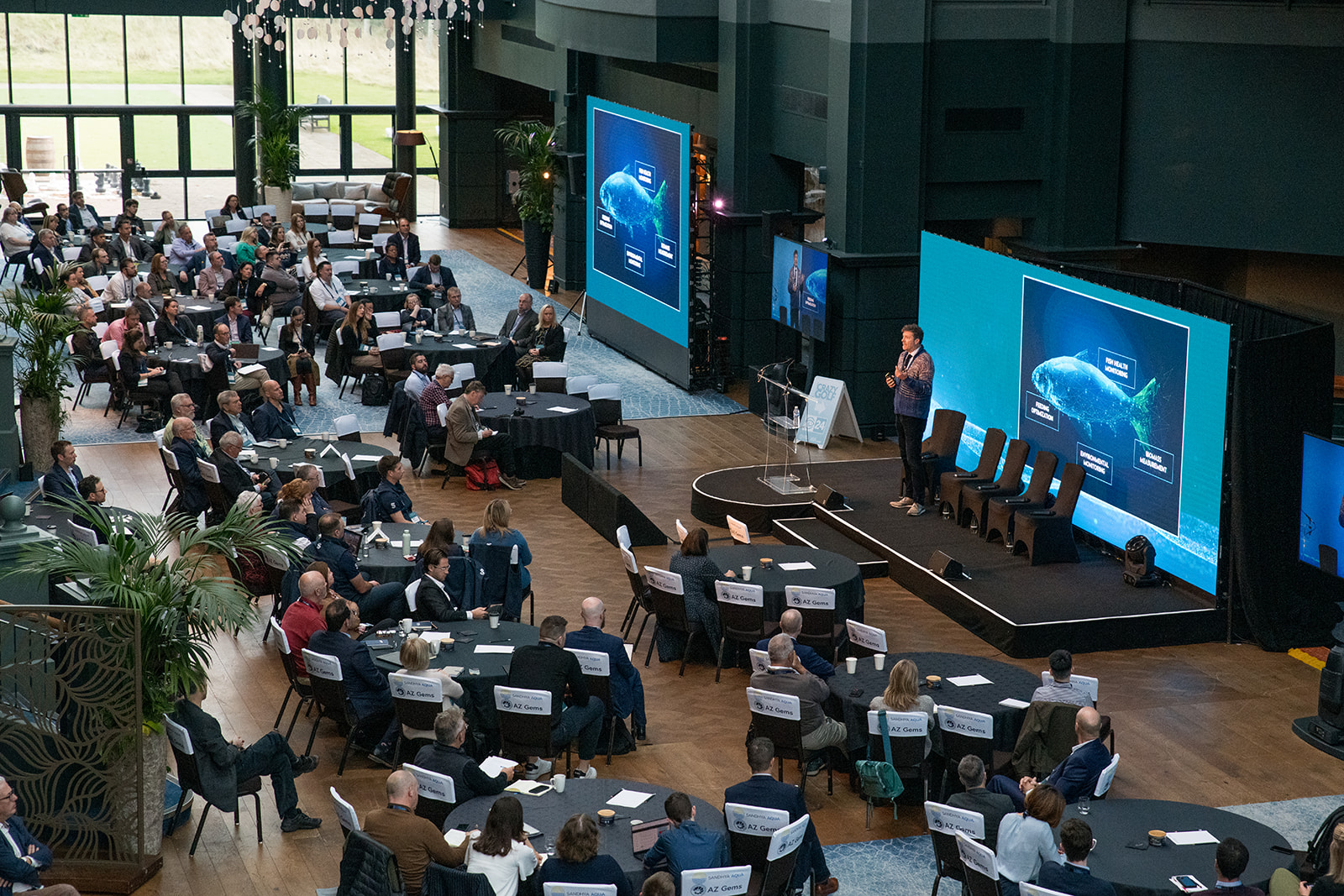
Indeed, artificial intelligence, or AI, was a key topic at last year’s Responsible Seafood Summit in St Andrews, Scotland. Chris van der Kuyl, chairman of Ace Aquatec, discussed the relationship between AI and the seafood industry, and the important role AI plays in meeting food security needs. Over the years, rising costs, climate challenges and persistent uncertainties have challenged aquaculture, so innovative tools like AI are highly likely to be implemented further in 2025. Modern solutions like this can help farmers optimise their operations through data-driven decision making, reducing the need for extensive on-site staff while improving efficiency. Real-time insights are also expected to drive significant progress. Producers have already seen some of the benefits of AI, such as its ability to detect and alert farmers to subtle changes in fish behaviour or growth rates, and these benefits will become all the more important, for example as farms move further away from shore and there is a greater need to automate processes such as feeding, and tracking fish growth and weight remotely.

Farms in South Africa are also reaping the benefits of AI. Dominion Solutions, a South African firm, is developing digital tools and systems that can help farmers monitor fish behaviour using AI. Founder and CEO Shongwe Thembeka says that a lack of access to land and sea space, a small pool of skills and knowledge, and limited access to funding and investment are all reasons why South Africa’s aquaculture sector is lagging behind. She hopes to address the challenges fish farmers face with a precision aquaculture tool called AquaBrain Net that optimises feeding by monitoring fish behaviour and generating feeding schedules so that feed is distributed efficiently and waste is reduced.
In the Spotlight – Animal Welfare
Fish are farmed in higher numbers than any other animal, but they haven’t had much attention from the animal welfare movement, that is, until now. Continuing research into areas such as fish pain has offered a greater insight into fish than ever before, while growing consumer concerns for animal welfare are encouraging aquaculture to improve its fish welfare practices. Fish farmed in environments with reduced stress leads to better, all-round conditions for farmers and their animals, decreased mortality, better yields for farmers, and more flavourful fish for the consumer. From farming and transportation practices to pre-slaughter manipulations and stunning technology, more operators are seeing value in creating reduced-stress environments.

Another company that made headlines at last year’s Responsible Seafood Summit was FAI Farms, which trains farmers to improve welfare and achieve better production outcomes in tilapia, shrimp and carp farming. With partners in Thailand, Brazil and China, FAI Farms gives farmers the knowledge and practical tools that they need to improve the lives of the species they farm. Online courses with modules on welfare indicators, nutrition, health, environment and humane slaughter teach farmers how to implement welfare practices in their daily routine. Results and improvements can be shared with processors and retailers to highlight positive welfare practices. Last year, together with Ethical Seafood Research (ESR) in Scotland, FAI Farms launched the Egypt Tilapia Welfare Project to improve the production practices of Egyptian small-scale tilapia farmers and ensure that they have the resources to take better care of their fish, monitor water quality, and reduce unnecessary stressors such as handling procedures.

Meanwhile, at the end of last year, the European Union Reference Centre for Animal Welfare in Aquaculture (EURCAW Aqua) launched a new digital platform to deepen understanding around aquatic animal welfare. The platform is a resource containing research information, expert insights and practical tools designed to improve the lives of farmed fish, crustaceans, and molluscs. Examples include a knowledge hub of articles, best practices and technical guidance, interactive learning tools, webinars, and an updated feed with the latest news, insights from experts and details on upcoming conferences and training sessions.

These are two strong examples of aquaculture’s efforts to make improvements, and with consumers increasingly keen to know where their seafood comes from and how it’s been caught or farmed, these efforts couldn’t have come at a better time. With animal welfare likely to remain a strong focus this year as well, hopes are high that companies like FAI Farms and organisations like EURCAW Aqua can keep building relationships with farmers and work more collaboratively with aquaculture. There may also be opportunities to work with seafood certification programmes that look more at environmental concerns rather than animal welfare, or with researchers and the feed sector to change the composition of fish feed.
Grasping Public Perceptions
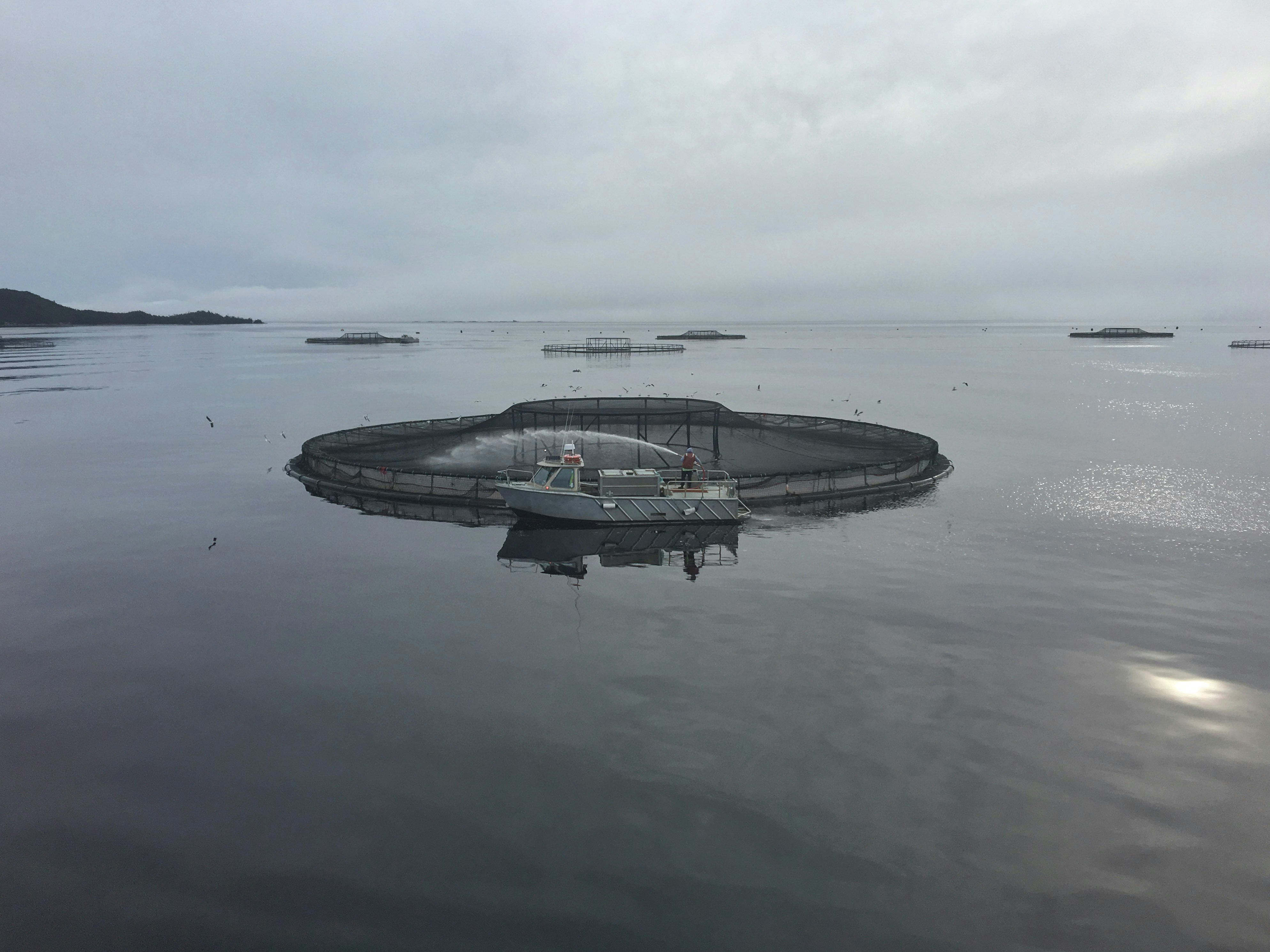
With interest in the origins of seafood likely to remain high, I hope that this year we will hear more about consumer perceptions of aquaculture and its products, and how aquaculture could work in line with these perceptions. The public has diverse expectations of the sector, and their attitudes are shaped either by their own experiences or by the type and degree of available information on aquaculture and what is involved. As aquaculture continues to grow in scale and value, it’s likely to be increasingly scrutinised going forward, and public perceptions will be of great importance when making further improvements. 

Having often spoken to people outside aquaculture, my impression is that they are generally positive towards it. They understand why it exists, and perhaps even tolerate or accept it, but there are very strong concerns and more negative perceptions towards the environmental impact of production and how the animals in question are treated. Those I’ve spoken to have been a little reluctant to welcome production growth, while there are some differences in attitudes between those that do or don’t eat seafood, or who live close to or far from production areas such as seaweed farms.

Aquaculture has already made significant efforts to communicate with the public and use tools such as social media to highlight the types of activities involved and how production is carried out. Continuing such efforts will be key this year, and hopefully the sector will implement strategies to gauge different attitudes and communicate effectively with the public, for example by engaging more with mainstream media or groups that are interested in or involved in the transformation of food systems and that are viewed as credible by the public, hiring communication experts, and continuing to make full use of social media platforms, especially when reaching out to a younger audience. In the future, food production systems like aquaculture will need to become even more efficient, to produce more with fewer resources to feed a growing world population. In this sense, it will be important to communicate even better the important role of farmed fish. Aquaculture could also engage in more social science research to better understand the influence on public perceptions and how these are formed.

As we look to 2025, I anticipate even more significant advancements such as technology, machine learning and research, that could help to tackle resource constraints and address other key challenges. By taking steps to better engage with the public or embracing trends like AI and focusing on its practical implementation, aquaculture can contribute to a more resilient and productive future for food production. I believe that a commitment to research and technology-driven advancements will play significant roles in shaping this future, and am looking forward to seeing how aquaculture will position itself this year as a pivotal industry in addressing global food security and sustainability challenges.

Looking back on Responsible Seafood Summit 2024 in Scotland

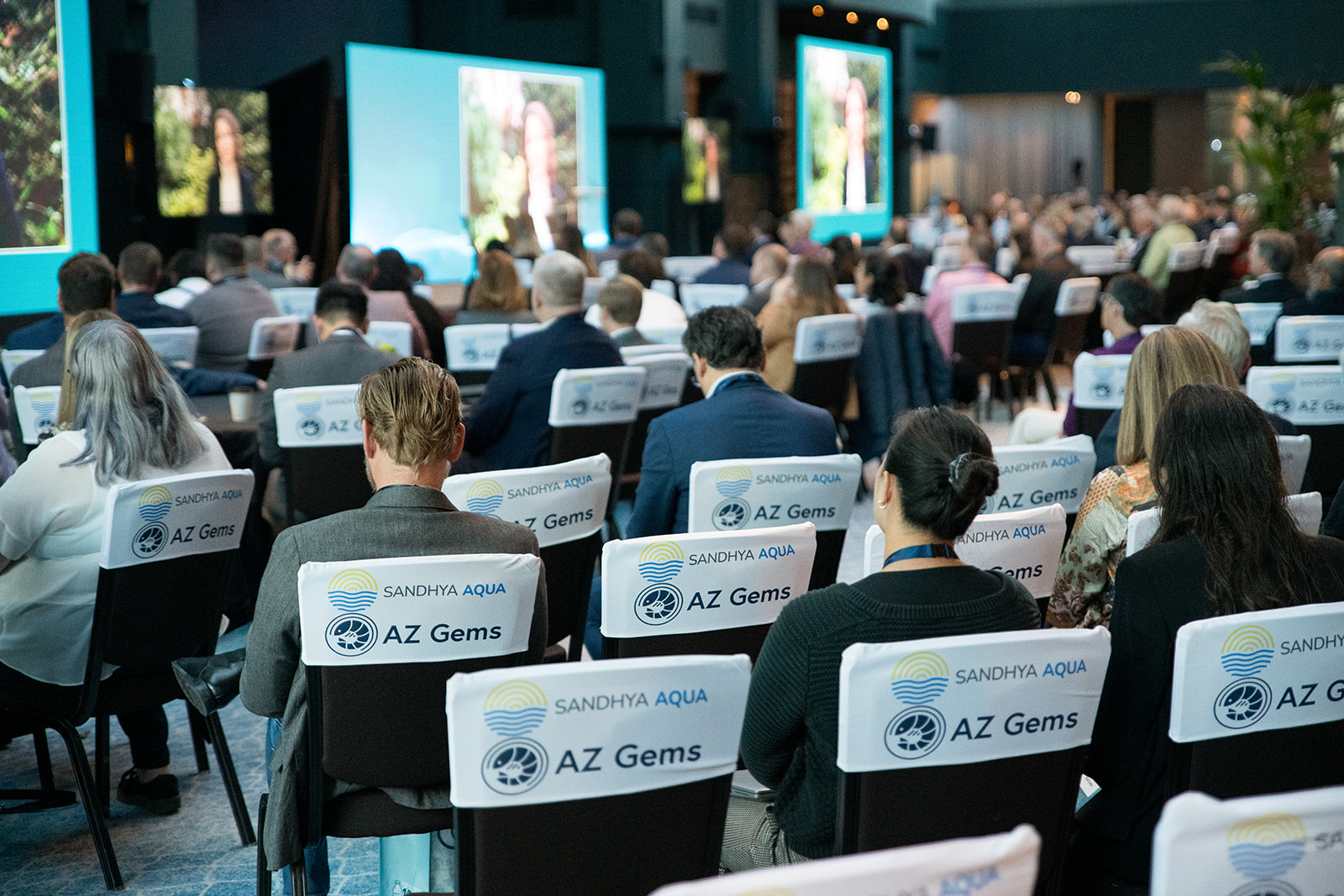
Last month, I went to St Andrews in Scotland, where over 300 people attended the Responsible Seafood Summit, an annual conference hosted by Global Seafood Alliance (GSA) in the US and national industry body Seafood Scotland. Key issues in fisheries and aquaculture were discussed as part of a packed programme that also included time for recreation – namely golf – an evening reception and gala dinner. 

I was honoured to host a panel on animal welfare, and had a great time catching up with familiar faces, making new connections and enjoying the presentations. Bringing together professionals from around the world, the summit highlighted the many innovations underway in aquaculture and fisheries to increase sustainability, efficiency, introduce technology and improve human and animal welfare. Among the many topics discussed were the journey to net zero, developing leadership in seafood, and how aquafeed can become more sustainable. It was an ideal opportunity to gain a valuable perspective on the importance of increasing seafood production to address food insecurity, and hear just how aquaculture and fisheries are innovating and looking to the future. 

AI and Statistics
The first big topic was artificial intelligence (AI), which is likely to be key to helping aquaculture and fisheries sustainably feed a growing population. That’s according to Chris van der Kuyl of 4J Studios Ltd and Principal at Chroma Ventures, who kicked off the summit by delivering the keynote address, which focused on AI. “The future promises faster innovation – reshaping industries and societies at speed we’ve never before experienced,” he said.

As a sector that has grown dramatically over the years to provide a half of all seafood, aquaculture is worth keeping an eye on, said Van der Kuyl. With a clear need worldwide for efficient, sustainable and scaled food production systems, he continued, sectors like aquaculture need to embrace AI and digital technology. Van der Kuyl described it aquaculture “a significant investment opportunity, as it has the potential to drive the most transformative advancements in food production.” 

Combined with sensors, cameras and more, AI can offer insights, enhance sustainability and improve profitability by tracking fish behaviour, size and movement, and quickly detecting any signs of stress, illness and parasitic infestations. This will help farmers reduce mortality on farms, minimise antibiotics use and act quickly. Tracking fish behaviour through AI will also help determine optimal levels of feed and appropriate feeding times to reduce overfeeding and underfeeding, improve water quality and boost fish growth. AI could also predict environmental changes, enabling proactive steps to protect stocks in advance of events such as harmful algal blooms. 

“By leveraging AI, aquaculture can address its biggest challenges, ensuring a more sustainable and profitable future,” said Van der Kuyl. 

Meanwhile, GSA’s annual updates on fish and shrimp aquaculture gave a picture of the sector in 2024 and predictions for the next few years. Scotland’s salmon production is likely to be up by 15 percent in 2024 compared to 2023, said Gorjan Nikolik, global seafood specialist at cooperative bank Rabobank. He predicts that salmon production in Scotland will continue increasing in 2025 and 2026, rising by an estimated 7 and 6 percent respectively, while production in the Faroe Islands and a number of other smaller salmon-farming nations is looking promising. For example, Iceland’s salmon production is set to see 24 percent growth in 2024, and this growth is predicted to continue. Another key takeaway was that after two challenging years, Norway’s Atlantic salmon production is also likely to grow. On the topic of salmon, it was  encouraging to hear Tavish Scott from Salmon Scotland and Gilpin Bradley, a respected leader in the Scottish salmon farming sector, discuss the wave of negative media that salmon producers face, and emphasise issues such as transparency and the need to educate consumers.

Focus on Fisheries
Another highlight of the summit, which I found a lot of the attendees appreciated, was the focus on both aquaculture and fisheries, rather than just one or the other. Tom Pickerell from the World Resources Institute moderated a great panel on how seafood supply chains can proactively support fisheries improvement. One way to do this, he said, is through Fisheries Improvement Projects (FIPs). These are multi-stakeholder initiatives whose goal is to help fisheries work towards sustainability. Ways to measure FIP progress were described, as well as the certification of marine ingredients, the importance of buyer engagement and sourcing from FIPs, as well as implementation challenges. Could technology also help improve FIP transparency? Jayson Berryhill from Wholechain, who believes that it can, covered this topic in detail. 

Fisheries remained in focus, with further discussions on human rights due diligence efforts in the seafood industry and some of the red flags such as forced labour, deception, isolation, and poor working conditions. Alison Potter, Technical Officer at the International Labour Organization, explained what could be done to improve working hours, freedom of movement, and highlighted the importance of WiFi on board vessels to tackle isolation and enable crews to have better contact with families and friends back home. Traceability was described as essential to improving conditions on board vessels and ensuring safe working practices. I also really enjoyed hearing about Marks and Spencer’s fisheries standards and policies, with areas related to the environment, people, fish welfare and legal issues.

Welfare – the need for good management practices
The second day of the summit began with animal welfare. During my panel, I got some important insights from Dr. Sara Barrento of training and consultancy group FAI Farms, Simao Zacarias of the University of Stirling, Linda Wood from Marks and Spencer, and Ben Perry from Ace Aquatec. Sara gave a great talk on FAI Farms’ training programs to improve animal welfare, and highlighted significant indicators, such as nutrition, health and environmental conditions, that can dictate good or bad welfare on a farm. “Once you see bad welfare, you can’t unsee it,” she said.

Simao explained shrimp farms’ attempts to move away from the controversial practice of eyestalk ablation towards alternatives such as sex ratio manipulation, selective breeding, nutrition and hatchery practices. Ben’s talk touched upon the interconnectedness of improved animal welfare and better human welfare, i.e. how good animal welfare practices can result in a less stressful working environment for those on farms and on vessels. 

“The slaughter and processing industry has one of the highest staff turnovers of any sector,” he explained. “Physical injuries and psychological health challenges are shown to be highly prevalent in the sector from prolonged exposure.” 

He went on to explain that a comfortable working environment that doesn’t test people emotionally will experience greater retention and uptake in positions, and businesses want to cultivate such an environment. One way in which they can do this, he said, is by improving animal welfare practices. Linda touched upon the human aspect in the panel discussion. She described how more and more staff don’t want to work in environments with poor animal welfare practices, and that the human element is a huge part of animal welfare improvement. 

This year’s summit came with many presentations and talks that covered much more than what I’ve described, but they all focused on a single goal — to make the seafood industry more sustainable for generations to come. 

Trust, relationship-building and maintaining contact with one another can all work towards making the above goal a reality, and this is why events like the Responsible Seafood Summit are so important. I found that talking to people in person, and seeing so many people who want to make positive contributions, was fantastic, and as always, I was very impressed by the technology, innovations, research and more that are helping to drive improvements. This is how we can feel motivated and driven to create significant and meaningful change – by coming together, sharing insights and discussing how to develop solutions for the future of aquaculture and fisheries. 

*Next year’s Responsible Seafood Summit will take place in Cartagena, Colombia, in the week commencing 29th September 2025.
*All photos taken by Ryan Murrant

Animal Health &Welfare – How Fisheries and Aquaculture Are Making A Difference

In spring 2024, I wrote an article for Canada’s Hatchery International magazine on how fish health and welfare certification programmes have evolved over the past 25 years. With a growing movement in fisheries and aquaculture to make positive changes in this area, this particular story couldn’t have come at a better time.

Today, fisheries and aquaculture worldwide are paying more attention to health and welfare amidst an increased consumer interest in seafood safety and quality, and market demands for sustainably-sourced farmed and wild-caught seafood. To give a couple of examples, the 11th International Fisheries Symposium in Bangkok at the end of last year held several sessions on animal welfare, while just last month, a paper by the African Union’s InterAfrican Bureau for Animal Resources (AU-IBAR) and Ethical Seafood Research (ESR) highlighted the pivotal role of aquatic animals in Africa’s ecosystem and the importance of animal welfare to maintain ecosystem health and support sustainable fisheries and aquaculture. There has also been a strong focus on evidence that shows how fish can experience pain and suffering. With stressed animals bad for business, more operators are seeing value in creating less stressful environments.

Improving the health and welfare of aquatic animals has far-reaching implications for sustainable development. This was highlighted in an article by Catalina Lopez, director of the Aquatic Animal Alliance at Aquatic Life Institute. With better health and welfare in place, Lopez says, fisheries and aquaculture can forge a transformational path towards a more sustainable and equitable future.

Aquaculture
So how are both sectors taking steps to address animal welfare? Throughout the aquaculture production chain, various factors are considered to ensure that proper care is taken of the animals being reared. These include disease control, water quality, stocking density, transportation and slaughter methods. Certification programmes such as the Best Aquaculture Practices (BAP) Standards, for example, require farms to inspect water quality, behaviour and conditions of their animals regularly, and set limits for the amount of wild fish that can be used in fish feed depending on the species in question.

Meanwhile, researchers and companies are playing their part. At the Roslin Institute at the University of Edinburgh, researchers are studying responses to stress inducers in fish, such as vaccination and handling, and investigating whether these responses can be passed on through generations. Their aim is to establish breeding strategies that enable good health and welfare. Over in California, a tech startup called Shinkei is blending AI with an ancient Japanese slaughter method called Ikejime, which paralyses fish and drains them of blood. Shinkei’s system uses AI to detect the size and shape of each fish before using that information to identify the location of the brain. The mechanical component of the system then penetrates the brain, taking just a second of time and preventing fish from suffering for minutes on end.

Collaboration between research and industry also boosts the growth of aquaculture and promotes animal health and welfare, according to Ana Manuela de Azevedo at the University of Santiago de Compostela. Her work studying fish diseases aims to improve fish health and welfare and help aquaculture companies increase productivity and food safety. One area of her work involves optimized radiodiagnosis for Senegalese sole and established scales for assessing malformations at different stages of their development. Through this, she hopes to reduce anomalies in the species and improve product quality on farms.

Technology is also drawing attention in Egypt thanks to the Tilapia Welfare Project. With Egypt the top tilapia producer in Africa, the project gives farmers tools and knowledge to assess and improve welfare and enhance fish performance. Launched by FAI and Ethical Seafood Research (ESR), the project ‘s Tilapia Welfare App offers farmers a user-friendly platform to assess and manage the welfare of fish effectively.

Fisheries
Although the majority of my work focuses on aquaculture, I’ve always been impressed by fisheries’ efforts to address animal welfare too. One company that caught my attention a few months back is Precision Seafood Harvesting in New Zealand. This company has developed a modular harvesting system that improves fish welfare, optimises catch quality and reduces bycatch. Fish are contained and swim comfortably underwater inside a large flexible PVC liner. There, the correct size and species can be selected before being brought on board vessels. The system’s design also allows vessels to target specific species and fish size, and greatly increases protection for small fish that can swim free through escape portals, and bycatch, which are released unharmed. This is a huge step for commercial fishing, bringing great benefits not just in fish welfare but also in fish stocks and the environment.

It’s also very encouraging to see more fisheries conferences addressing the topic of fish welfare. In November 2023, the first ever Catch Welfare Platform conference was held in Norway. The key focus was pragmatic solutions to reduce individual stress levels in catch, including unwanted and released animals, and those to be slaughtered onboard. There was also a strong focus on humane slaughtering methods. Reducing stress can no doubt create premium market opportunities for seafood caught with good catch welfare standards.

Animal health and welfare in the context of fisheries and aquaculture can seem overwhelming. There are so many species, fishing operations and rearing environments to consider that no one solution can help every single situation and yet, meaningful progress in this area must come from a place of extreme understanding of the particular species or situation at hand. In this sense, it’s really encouraging to see the improvements that are being made. Fisheries and aquaculture are still adjusting as to how best to approach the issues that arise, but today’s efforts will no doubt make significant contributions to increasing operational resilience in both sectors.