Tag Archives: aquaculture

Looking back on Responsible Seafood Summit 2024 in Scotland

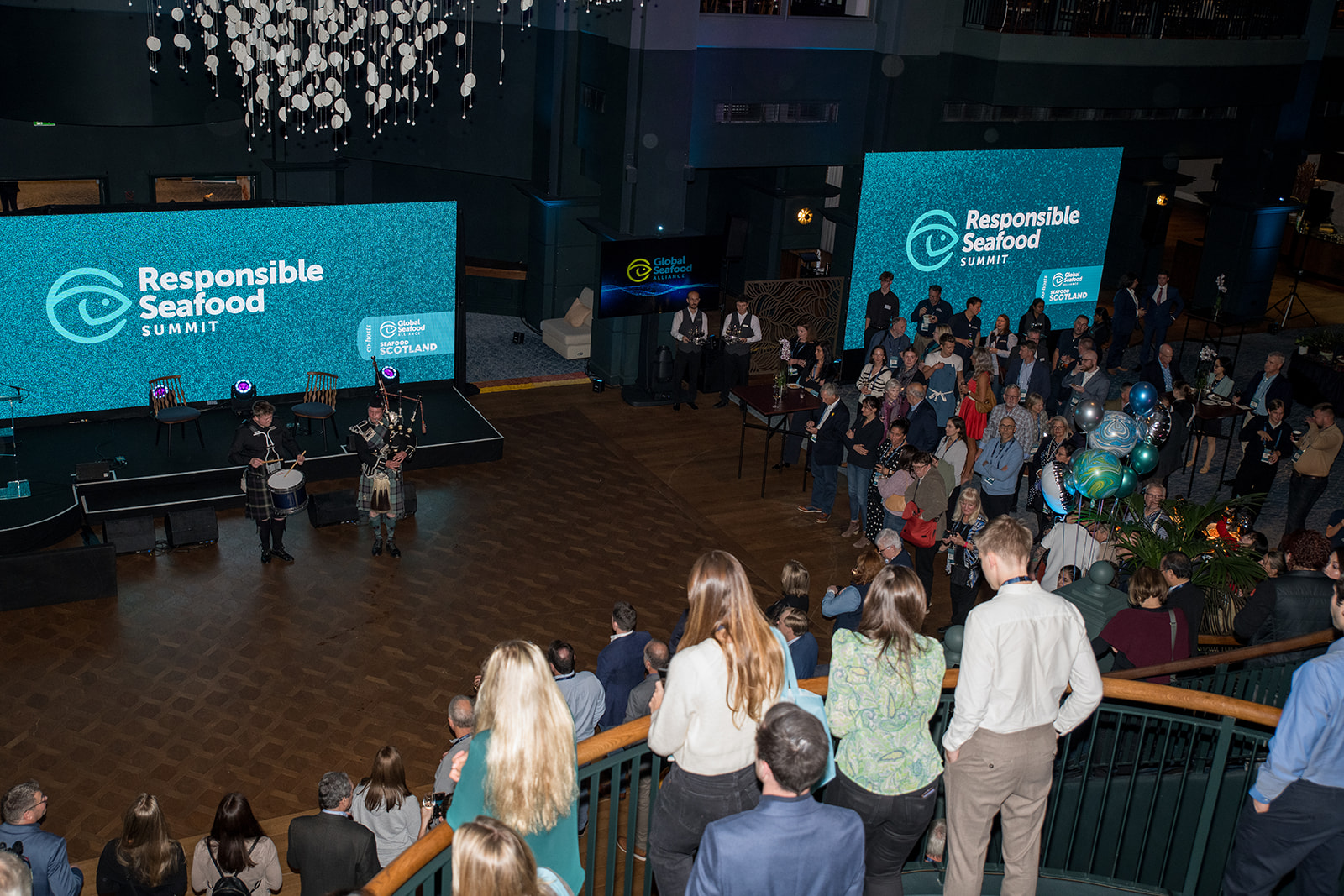
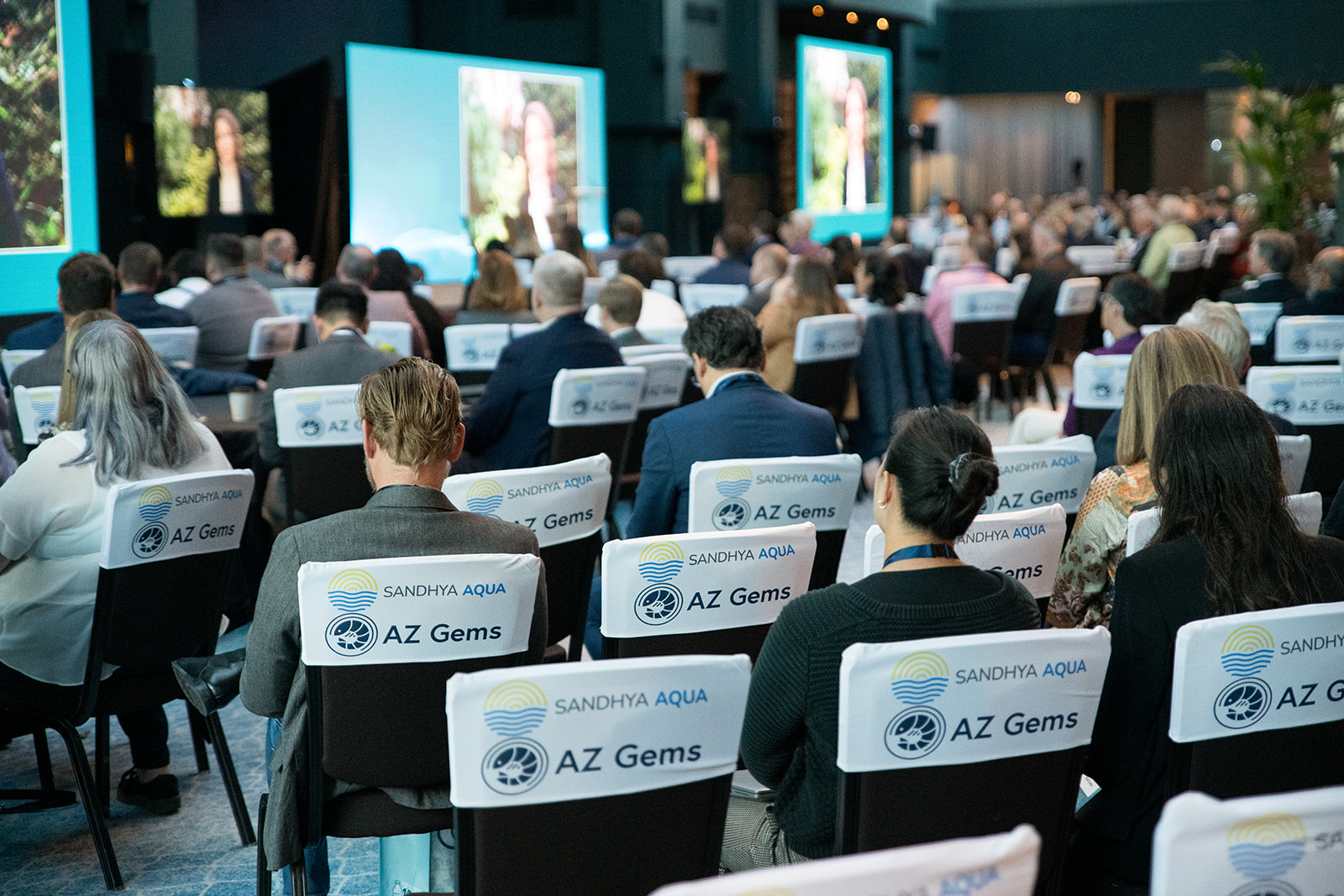
Last month, I went to St Andrews in Scotland, where over 300 people attended the Responsible Seafood Summit, an annual conference hosted by Global Seafood Alliance (GSA) in the US and national industry body Seafood Scotland. Key issues in fisheries and aquaculture were discussed as part of a packed programme that also included time for recreation – namely golf – an evening reception and gala dinner. 

I was honoured to host a panel on animal welfare, and had a great time catching up with familiar faces, making new connections and enjoying the presentations. Bringing together professionals from around the world, the summit highlighted the many innovations underway in aquaculture and fisheries to increase sustainability, efficiency, introduce technology and improve human and animal welfare. Among the many topics discussed were the journey to net zero, developing leadership in seafood, and how aquafeed can become more sustainable. It was an ideal opportunity to gain a valuable perspective on the importance of increasing seafood production to address food insecurity, and hear just how aquaculture and fisheries are innovating and looking to the future. 

AI and Statistics
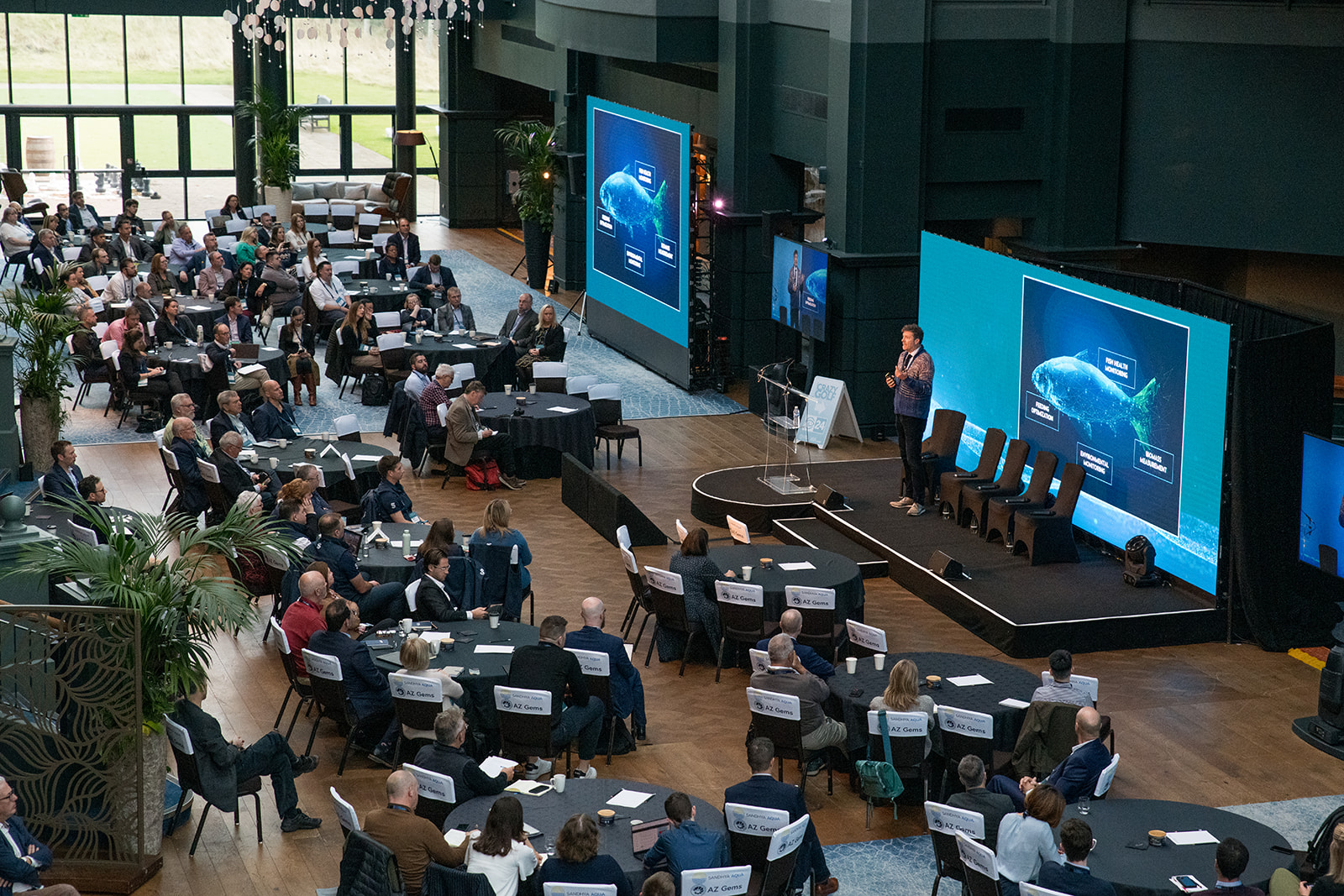
The first big topic was artificial intelligence (AI), which is likely to be key to helping aquaculture and fisheries sustainably feed a growing population. That’s according to Chris van der Kuyl of 4J Studios Ltd and Principal at Chroma Ventures, who kicked off the summit by delivering the keynote address, which focused on AI. “The future promises faster innovation – reshaping industries and societies at speed we’ve never before experienced,” he said.

As a sector that has grown dramatically over the years to provide a half of all seafood, aquaculture is worth keeping an eye on, said Van der Kuyl. With a clear need worldwide for efficient, sustainable and scaled food production systems, he continued, sectors like aquaculture need to embrace AI and digital technology. Van der Kuyl described it aquaculture “a significant investment opportunity, as it has the potential to drive the most transformative advancements in food production.” 

Combined with sensors, cameras and more, AI can offer insights, enhance sustainability and improve profitability by tracking fish behaviour, size and movement, and quickly detecting any signs of stress, illness and parasitic infestations. This will help farmers reduce mortality on farms, minimise antibiotics use and act quickly. Tracking fish behaviour through AI will also help determine optimal levels of feed and appropriate feeding times to reduce overfeeding and underfeeding, improve water quality and boost fish growth. AI could also predict environmental changes, enabling proactive steps to protect stocks in advance of events such as harmful algal blooms. 

“By leveraging AI, aquaculture can address its biggest challenges, ensuring a more sustainable and profitable future,” said Van der Kuyl. 

Meanwhile, GSA’s annual updates on fish and shrimp aquaculture gave a picture of the sector in 2024 and predictions for the next few years. Scotland’s salmon production is likely to be up by 15 percent in 2024 compared to 2023, said Gorjan Nikolik, global seafood specialist at cooperative bank Rabobank. He predicts that salmon production in Scotland will continue increasing in 2025 and 2026, rising by an estimated 7 and 6 percent respectively, while production in the Faroe Islands and a number of other smaller salmon-farming nations is looking promising. For example, Iceland’s salmon production is set to see 24 percent growth in 2024, and this growth is predicted to continue. Another key takeaway was that after two challenging years, Norway’s Atlantic salmon production is also likely to grow. On the topic of salmon, it was  encouraging to hear Tavish Scott from Salmon Scotland and Gilpin Bradley, a respected leader in the Scottish salmon farming sector, discuss the wave of negative media that salmon producers face, and emphasise issues such as transparency and the need to educate consumers.

Focus on Fisheries
Another highlight of the summit, which I found a lot of the attendees appreciated, was the focus on both aquaculture and fisheries, rather than just one or the other. Tom Pickerell from the World Resources Institute moderated a great panel on how seafood supply chains can proactively support fisheries improvement. One way to do this, he said, is through Fisheries Improvement Projects (FIPs). These are multi-stakeholder initiatives whose goal is to help fisheries work towards sustainability. Ways to measure FIP progress were described, as well as the certification of marine ingredients, the importance of buyer engagement and sourcing from FIPs, as well as implementation challenges. Could technology also help improve FIP transparency? Jayson Berryhill from Wholechain, who believes that it can, covered this topic in detail. 

Fisheries remained in focus, with further discussions on human rights due diligence efforts in the seafood industry and some of the red flags such as forced labour, deception, isolation, and poor working conditions. Alison Potter, Technical Officer at the International Labour Organization, explained what could be done to improve working hours, freedom of movement, and highlighted the importance of WiFi on board vessels to tackle isolation and enable crews to have better contact with families and friends back home. Traceability was described as essential to improving conditions on board vessels and ensuring safe working practices. I also really enjoyed hearing about Marks and Spencer’s fisheries standards and policies, with areas related to the environment, people, fish welfare and legal issues.

Welfare – the need for good management practices
The second day of the summit began with animal welfare. During my panel, I got some important insights from Dr. Sara Barrento of training and consultancy group FAI Farms, Simao Zacarias of the University of Stirling, Linda Wood from Marks and Spencer, and Ben Perry from Ace Aquatec. Sara gave a great talk on FAI Farms’ training programs to improve animal welfare, and highlighted significant indicators, such as nutrition, health and environmental conditions, that can dictate good or bad welfare on a farm. “Once you see bad welfare, you can’t unsee it,” she said.

Simao explained shrimp farms’ attempts to move away from the controversial practice of eyestalk ablation towards alternatives such as sex ratio manipulation, selective breeding, nutrition and hatchery practices. Ben’s talk touched upon the interconnectedness of improved animal welfare and better human welfare, i.e. how good animal welfare practices can result in a less stressful working environment for those on farms and on vessels. 

“The slaughter and processing industry has one of the highest staff turnovers of any sector,” he explained. “Physical injuries and psychological health challenges are shown to be highly prevalent in the sector from prolonged exposure.” 

He went on to explain that a comfortable working environment that doesn’t test people emotionally will experience greater retention and uptake in positions, and businesses want to cultivate such an environment. One way in which they can do this, he said, is by improving animal welfare practices. Linda touched upon the human aspect in the panel discussion. She described how more and more staff don’t want to work in environments with poor animal welfare practices, and that the human element is a huge part of animal welfare improvement. 

This year’s summit came with many presentations and talks that covered much more than what I’ve described, but they all focused on a single goal — to make the seafood industry more sustainable for generations to come. 

Trust, relationship-building and maintaining contact with one another can all work towards making the above goal a reality, and this is why events like the Responsible Seafood Summit are so important. I found that talking to people in person, and seeing so many people who want to make positive contributions, was fantastic, and as always, I was very impressed by the technology, innovations, research and more that are helping to drive improvements. This is how we can feel motivated and driven to create significant and meaningful change – by coming together, sharing insights and discussing how to develop solutions for the future of aquaculture and fisheries. 

*Next year’s Responsible Seafood Summit will take place in Cartagena, Colombia, in the week commencing 29th September 2025.
*All photos taken by Ryan Murrant

Animal Health &Welfare – How Fisheries and Aquaculture Are Making A Difference

In spring 2024, I wrote an article for Canada’s Hatchery International magazine on how fish health and welfare certification programmes have evolved over the past 25 years. With a growing movement in fisheries and aquaculture to make positive changes in this area, this particular story couldn’t have come at a better time.

Today, fisheries and aquaculture worldwide are paying more attention to health and welfare amidst an increased consumer interest in seafood safety and quality, and market demands for sustainably-sourced farmed and wild-caught seafood. To give a couple of examples, the 11th International Fisheries Symposium in Bangkok at the end of last year held several sessions on animal welfare, while just last month, a paper by the African Union’s InterAfrican Bureau for Animal Resources (AU-IBAR) and Ethical Seafood Research (ESR) highlighted the pivotal role of aquatic animals in Africa’s ecosystem and the importance of animal welfare to maintain ecosystem health and support sustainable fisheries and aquaculture. There has also been a strong focus on evidence that shows how fish can experience pain and suffering. With stressed animals bad for business, more operators are seeing value in creating less stressful environments.

Improving the health and welfare of aquatic animals has far-reaching implications for sustainable development. This was highlighted in an article by Catalina Lopez, director of the Aquatic Animal Alliance at Aquatic Life Institute. With better health and welfare in place, Lopez says, fisheries and aquaculture can forge a transformational path towards a more sustainable and equitable future.

Aquaculture
So how are both sectors taking steps to address animal welfare? Throughout the aquaculture production chain, various factors are considered to ensure that proper care is taken of the animals being reared. These include disease control, water quality, stocking density, transportation and slaughter methods. Certification programmes such as the Best Aquaculture Practices (BAP) Standards, for example, require farms to inspect water quality, behaviour and conditions of their animals regularly, and set limits for the amount of wild fish that can be used in fish feed depending on the species in question.

Meanwhile, researchers and companies are playing their part. At the Roslin Institute at the University of Edinburgh, researchers are studying responses to stress inducers in fish, such as vaccination and handling, and investigating whether these responses can be passed on through generations. Their aim is to establish breeding strategies that enable good health and welfare. Over in California, a tech startup called Shinkei is blending AI with an ancient Japanese slaughter method called Ikejime, which paralyses fish and drains them of blood. Shinkei’s system uses AI to detect the size and shape of each fish before using that information to identify the location of the brain. The mechanical component of the system then penetrates the brain, taking just a second of time and preventing fish from suffering for minutes on end.

Collaboration between research and industry also boosts the growth of aquaculture and promotes animal health and welfare, according to Ana Manuela de Azevedo at the University of Santiago de Compostela. Her work studying fish diseases aims to improve fish health and welfare and help aquaculture companies increase productivity and food safety. One area of her work involves optimized radiodiagnosis for Senegalese sole and established scales for assessing malformations at different stages of their development. Through this, she hopes to reduce anomalies in the species and improve product quality on farms.

Technology is also drawing attention in Egypt thanks to the Tilapia Welfare Project. With Egypt the top tilapia producer in Africa, the project gives farmers tools and knowledge to assess and improve welfare and enhance fish performance. Launched by FAI and Ethical Seafood Research (ESR), the project ‘s Tilapia Welfare App offers farmers a user-friendly platform to assess and manage the welfare of fish effectively.

Fisheries
Although the majority of my work focuses on aquaculture, I’ve always been impressed by fisheries’ efforts to address animal welfare too. One company that caught my attention a few months back is Precision Seafood Harvesting in New Zealand. This company has developed a modular harvesting system that improves fish welfare, optimises catch quality and reduces bycatch. Fish are contained and swim comfortably underwater inside a large flexible PVC liner. There, the correct size and species can be selected before being brought on board vessels. The system’s design also allows vessels to target specific species and fish size, and greatly increases protection for small fish that can swim free through escape portals, and bycatch, which are released unharmed. This is a huge step for commercial fishing, bringing great benefits not just in fish welfare but also in fish stocks and the environment.

It’s also very encouraging to see more fisheries conferences addressing the topic of fish welfare. In November 2023, the first ever Catch Welfare Platform conference was held in Norway. The key focus was pragmatic solutions to reduce individual stress levels in catch, including unwanted and released animals, and those to be slaughtered onboard. There was also a strong focus on humane slaughtering methods. Reducing stress can no doubt create premium market opportunities for seafood caught with good catch welfare standards.

Animal health and welfare in the context of fisheries and aquaculture can seem overwhelming. There are so many species, fishing operations and rearing environments to consider that no one solution can help every single situation and yet, meaningful progress in this area must come from a place of extreme understanding of the particular species or situation at hand. In this sense, it’s really encouraging to see the improvements that are being made. Fisheries and aquaculture are still adjusting as to how best to approach the issues that arise, but today’s efforts will no doubt make significant contributions to increasing operational resilience in both sectors. 

All About Aquafeed: Will Fishmeal Alternatives Become More Common?

Aquaculture is rapidly expanding to meet the global population’s appetite for affordable seafood. But with this expansion is an increasing demand for aquafeed, which is raising questions about the sustainability and affordability of two key feed ingredients – fishmeal and fish oil. 

Both are sources of nutrients for energy and tissue growth, and often come from wild-caught forage fish such as anchovy and herring. However, aquaculture’s reliance on fish feed products, and the process of catching wild fish to feed farmed fish, will not only drastically reduce the amount of forage fish that can be harvested from the ocean, but also limit the necessary growth and sustainability of a sector that plays, and will continue to play, a huge role in the global food supply. Forage fish are also a vital part of the food chain, and the prices of fishmeal and fish oil derived from them are expected to rise. 

Reducing its reliance on fishmeal and fish oil is one of the major challenges aquaculture faces as it continues to grow. But how can we scale up responsible aquaculture by reducing fishmeal and fish oil? Could there be opportunities for alternative ingredients to come under the spotlight?

Luckily, there could be. In future, fishmeal and fish oil alternatives will have to work together to make up a larger percentage of aquafeed, and things appear promising, with an array of potential solutions from insect-derived feed to algae innovations and plant-based proteins.

In February this year I spoke to two researchers who are working to provide the protein that fish need to grow, without resorting to fishmeal. Dr. Ming Hung Wong of the Education University of Hong Kong has developed feed pellets from food waste – expired items from supermarkets such as rice, wheat, vegetables, fruit and meat. He told me that food waste already contains different proteins and nutrients and is suitable for species with a lower nutritional requirement like lower-trophic level fish, herbivores like the common carp, filter feeders like grey mullet and omnivores like tilapia. 

Suneet Shivaprasad, chief technology officer and co-founder of Rare Earth Global, has been evaluating hemp as a potential feed ingredient for the past two years. After nutritionally characterising several products, Shivaprasad and his team found high levels of aspartic acid, glutamic acid, phenylalanine, histidine and arginine in hemp seed meal, comparable to levels in fishmeal, with minimum anti-nutritional factors. They are now working to increase the protein content and balance the inclusion of hemp seed into feed formulations for salmon, trout, shrimp, tilapia and other species. 

Both researchers told me that as aquaculture continues to expand, a portfolio of ingredients will be key to meeting future feed demand, so the sector will have to industrialise a range of new ingredients in the coming years. However, the journey may not be so smooth. Buyer interest, the ability to scale and integrate a new ingredient into the feed production supply chain, price competitiveness and product quality — protein content, palatability, digestibility and anti-nutrient factors – will all need to be taken into account. 

When I read about fishmeal alternatives, the one that always makes sense to me is insect feed. Many fish naturally eat insects. Insects are easy to raise, are high in protein, low in waste and rich in nutrients. It seems like a win all round.

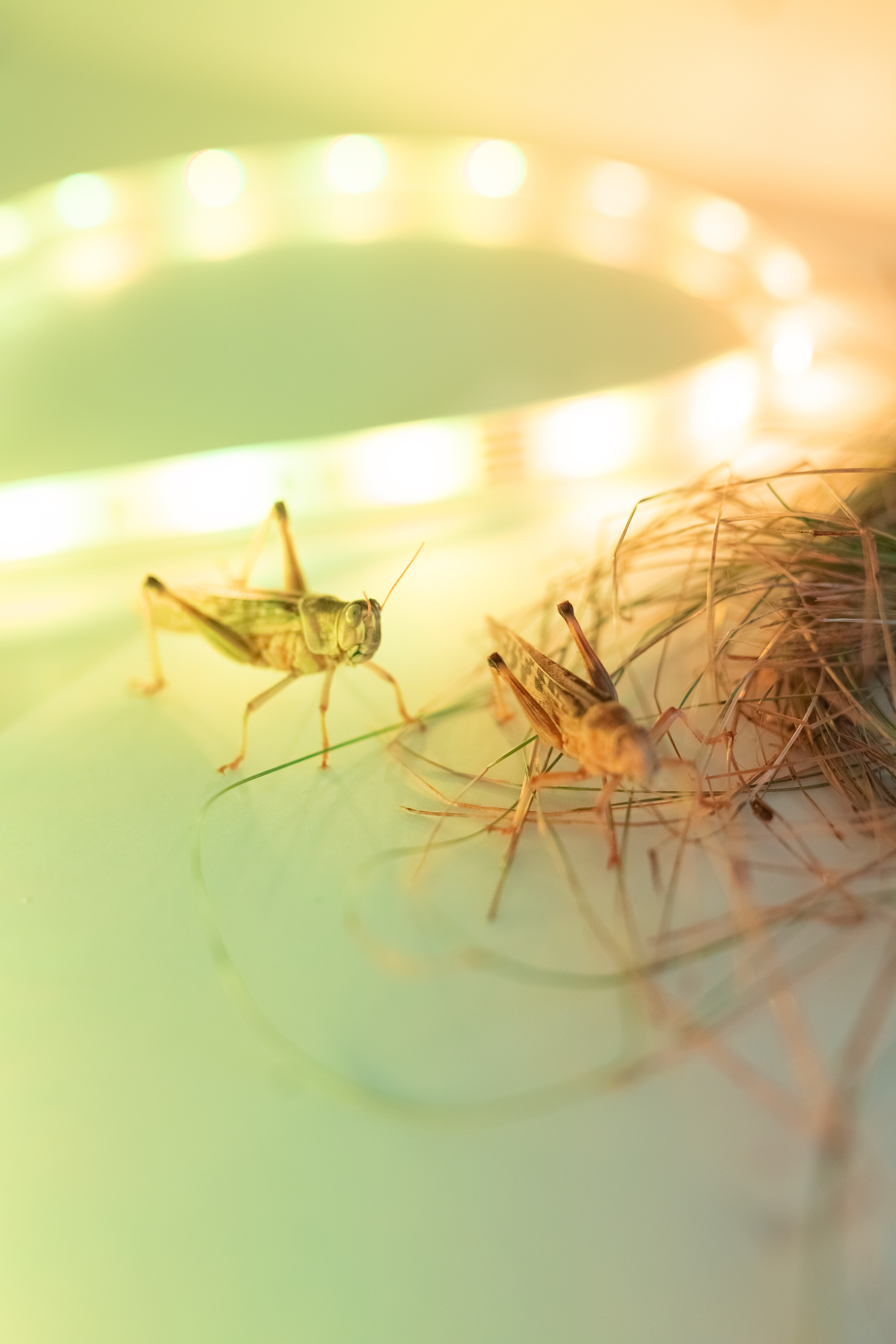
Emissions associated with insect feed production are also much lower than conventional feeds. In fact, insects can reduce emissions by feeding on food waste that would otherwise go to landfill. The black soldier fly can apparently grow 5,000 times its initial body mass while feeding on fruit and vegetable waste or manure. With seven potential species that could be used in aquafeed, including mealworm, house cricket, housefly and black soldier fly, industry giants such as Cargill are betting on insects, recognising their benefits and working to incorporate novel ingredients in their feed.

Microalgae also have potential due to their high levels of nutrients including proteins, lipids and omega-3 and omega-6 fatty acids. Their levels of carbohydrates and natural antioxidants result in positive effects on aquatic animals such as improved growth performance and enhanced disease resistance. 

However, there is still a need to better understand the role of parameters such as temperature and light in microalgae growth and whether they impact the production of certain compounds. More research is also needed to optimise microalgae feed for different species. Microalgae can also be more expensive than fishmeal, and is only really economically viable as a supplement to existing protein sources.

Meanwhile, some studies focus on plant protein. Examples include corn products, pulses, oilseed meals and protein from other cereals products, as well as soybean meal, black cumin seed meal, canola meal and rapeseed meal. Soybean meal is by far the most well-known, with a balanced amino acid profile and consistent supply, but it also has low palatability, while high proportions can impact growth and digestion. Rapeseed meal also has a good protein content and a comparatively balanced amino acid content. It provides vitamins and minerals but also has anti-nutritional factors. Plant-based proteins could be cost-effective and stable in terms of supply, but it’s also worth asking ourselves how sustainable a plant really is. Large-scale soy farming, for example, requires mass deforestation.

Alternative protein ingredients are clearly much needed in aquaculture, but could they replace fishmeal entirely or could fishmeal remain a significant ingredient? According to Dr. Monica Betancor of the University of Stirling, fishmeal is unlikely to disappear completely.

“While it will continue to be included within aquafeeds, its role has changed from that of principal protein supply to that of a more strategic raw material. Nevertheless, a healthy basket of alternative ingredients is necessary to ensure the resilience of aquaculture and other livestock farming,” she said. 

Any single ingredient is unlikely to completely replace fishmeal. However, as we can see from the range of emerging alternatives, a lot of effort is being made to reduce the percentage of fishmeal in aquafeeds to allow aquaculture to grow without depleting fishmeal supplies. Current fishmeal alternatives are complimentary; perhaps we will see new ingredients mixed together through specific feed formulations to produce something that successfully meets the nutritional needs of different species. Feeds including several ingredients are also more balanced and reduce the anti-nutritional factors of each separate ingredient, leading to better growth rates and animal health all round.

There is undoubtedly room for novel ingredients like algae and insect feed to gain a larger share of feed ratios in aquaculture. The question lies in whether broader industry cooperation, partnerships and working with industries outside aquaculture could develop the volume of promising fishmeal alternatives. 

A New Year – What’s Ahead for Aquaculture in 2024?

At last year’s United Nations Climate Conference COP28, the Food and Agriculture Organization (FAO) of the United Nations unveiled its Global Roadmap for Achieving Sustainable Development Goal 2 (SDG2) without Breaching the 1.5C Threshold. The roadmap identifies 120 actions and key milestones within ten domains, one of which is fisheries and aquaculture.

The FAO describes aquatic food as “a nutritional powerhouse, rich in protein, essential fatty acids, vitamins and vital minerals. It also supports millions, providing incomes and jobs, particularly in coastal regions, bolstering local economies and communities, and should also play an important role in the dietary shift to mitigate emissions.” It is encouraging to see that as we enter a new year, seafood continues to draw attention for many significant reasons.

I’m looking forward to finding out how aquaculture will develop this year, and so too, it seems, is Rabobank, which released its annual seafood production report at the end of 2023. According to the Dutch banking and financial services firm, there are “signs of optimism” ahead, such as a year-on-year shrimp production growth of 4.8 percent in 2024, surpassing 2022’s peak volumes. Global Atlantic salmon production is also expected to grow by 4.3 percent and 3.9 percent respectively in 2024 and 2025, with Norway taking the lead. The Faroe Islands and Australia are other emerging markets to watch in salmon farming.

The report also covers some potential risks from higher temperatures that could lead to more algal blooms and mortalities. My work in 2023 began with a series of articles on this very subject and the efforts of countries such as the US to lessen the negative effects through modelling, forecasting and using sensors that assemble data on ocean conditions, currents, algal species abundance and toxin levels. The risks of algal blooms were also described by the Sustainable Aquaculture Innovation Centre (SAIC) in Scotland as one of aquaculture’s biggest emerging challenges. Hopefully, however, new technological advances will continue to make the sector even better equipped to deal with the risks.

Fish health and welfare could also be in the spotlight. At the end of 2023, I was asked by Hatchery International magazine – which will be celebrating its 25th year anniversary in 2024 — to write a story about aquaculture certification and fish health and welfare standards. This topic is key not only from a public perception standpoint, but also from a productivity standpoint. A fish that is healthier and less stressed will grow better and faster, and organisations like SAIC are taking note of this with new research projects on parasite management, managing or preventing disease through immunisation and vaccinations, gill health in Atlantic salmon and more. Work such as this will make huge differences to the survivability and wellbeing of fish and help seafood producers provide a nutritious protein source, according to Heather Jones, CEO of SAIC. It will also pave the way for a more robust, environmentally-friendly sector.

Last year saw significant focus on blue carbon ecosystems as a way of mitigating the effects of global warming. This focus is highly likely to continue in 2024. Blue carbon ecosystems like seagrass and mangroves can capture carbon dioxide through photosynthesis and convert it into biomass. Experts are now saying that restoring these ecosystems is key to removing additional carbon dioxide and addressing other issues such as increasing ocean acidity.

And there’s more. A market is also emerging for carbon credits to finance coastal ecosystem restoration projects. In Japan, the number of such projects, or blue carbon projects, is growing, with major companies keen to purchase credits as a way of not only offsetting their own emissions but also contributing to a local community and fostering regional development. Last year, I started working with consultancy firm Hatch Innovation Services on a blue carbon project with Japanese oil and gas corporation Idemitsu. Studies are underway to explore the potential of these projects in Japan, as seagrass and seaweed become increasingly recognised for their immense promise in addressing climate change and promoting environmental sustainability.

But what does this mean for aquaculture? Many blue carbon projects in Japan focus on seagrass and tidal flats, but there could also be some potential in seaweed, which the Japanese farm extensively and have been consuming for decades. With a strong seaweed sector, Japan is in a unique position and there could be more developments. This month, the country announced that it is recognising seaweed as a carbon sequestering ecosystem and incorporating it into its national carbon emission calculations. This is a hugely significant step, and it feels as though Japan’s current blue carbon projects are the start of a major emerging blue carbon credit market. Success depends on many factors, such as effective engagement with local communities to build trust and transparency, active monitoring and data collection, and a strong presence by companies in the project that they wish to support.

As the Hatch/Idemitsu project continues into 2024, I would love to see other Japanese companies engaging in blue carbon in a similar way. There are still some limitations when it comes to knowledge and information, for example the differing capacities of ecosystems to store carbon, and more communication and research are needed to improve our understanding of blue carbon ecosystems and how they remove carbon dioxide. No doubt, however, big contributions will be made in future to improve the resilience of blue carbon ecosystems and enhance the benefits derived from habitat protection to local communities.

I’m looking forward to seeing how this all develops and the opportunities it will present for those in Japan’s seaweed space.

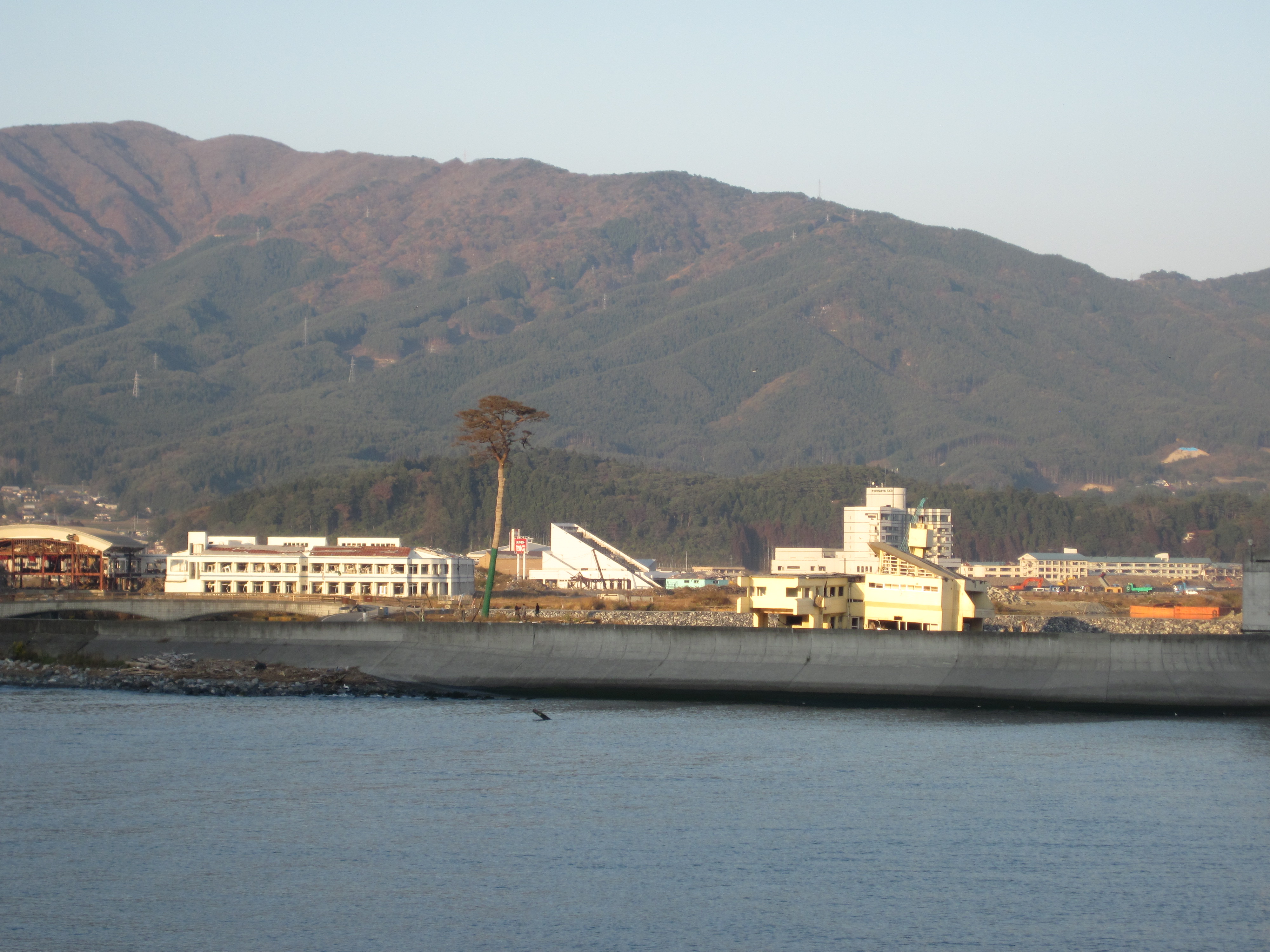
One of my major goals in 2024 is to write my own research paper as a continuation of my MSc thesis on aquaculture recovery in Tohoku, northeast Japan, after the March 11th, 2011 earthquake, tsunami and nuclear disaster. Over the years, I have found that topics such as disaster risk management and aquaculture/fisheries recovery following natural disasters are not highlighted as frequently as others, and there appear to be much less examples from Japan compared to other countries. My aim is to highlight the particular characteristics of Tohoku’s aquaculture and marine environment, describe the disaster’s impacts and how the sector is working towards recovery, to assess whether Japan’s experience could serve as an example of disaster management and help other countries better understand what happened to aquaculture in Tohoku. I hope that the paper will contribute to formulating plans to reduce the risks and impacts of disasters and steer recovery processes on to the fastest track.

Also coming up this year is the Global Seafood Alliance’s Responsible Seafood Summit 2024, which will be held in St Andrews, Scotland, in October. This event is a great opportunity to network, discover new products and solutions and find out the latest in aquaculture and fisheries research. It’s a huge platform for industry, NGOs, academia and more to share knowledge and information and be part of a varied conference programme covering production, sustainability, innovation, market trends and more. I’m looking forward to learning plenty when I return to St Andrews for the first time since my graduation in 2018.