Tag Archives: climate-change

How ocean farming can coexist with marine biodiversity

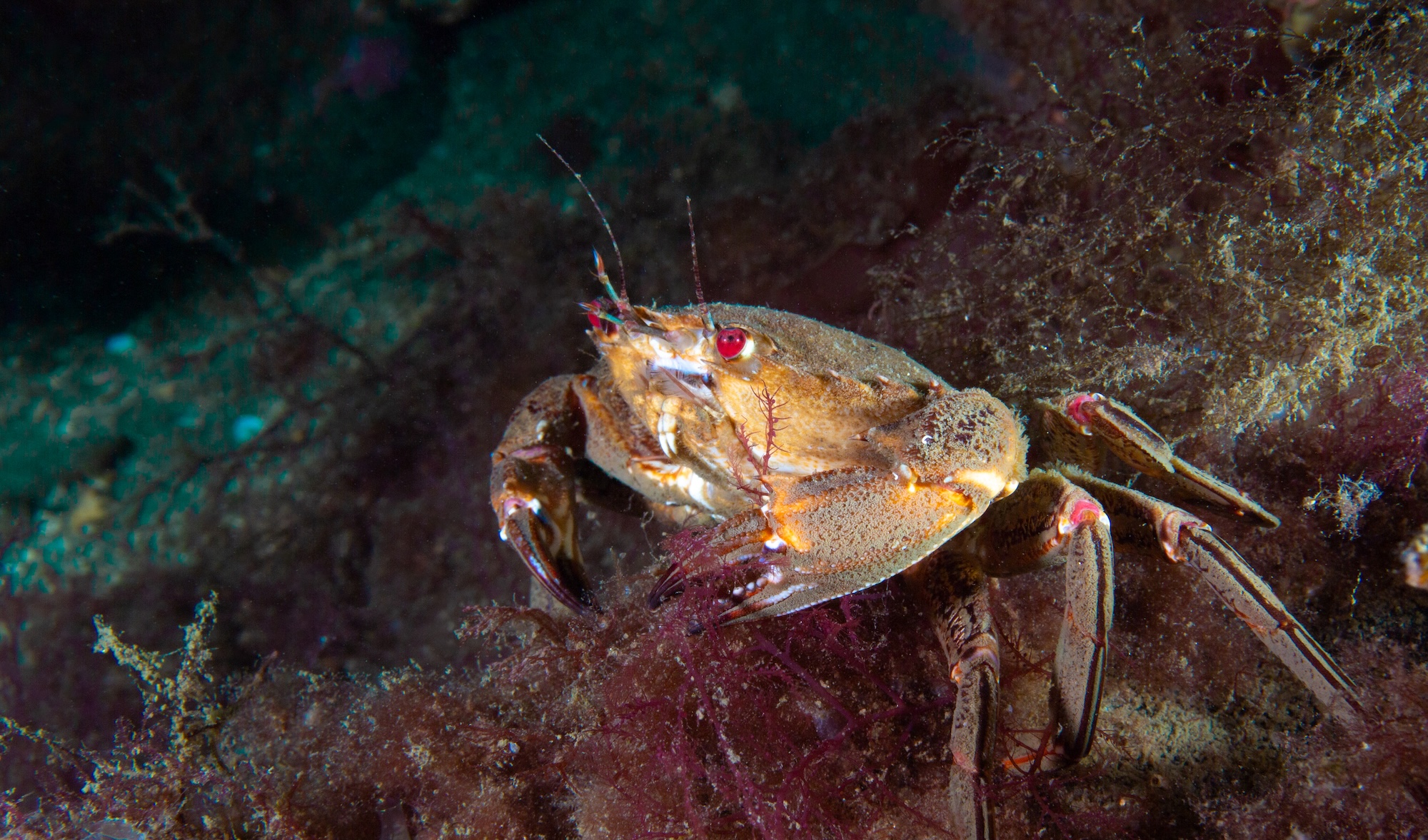
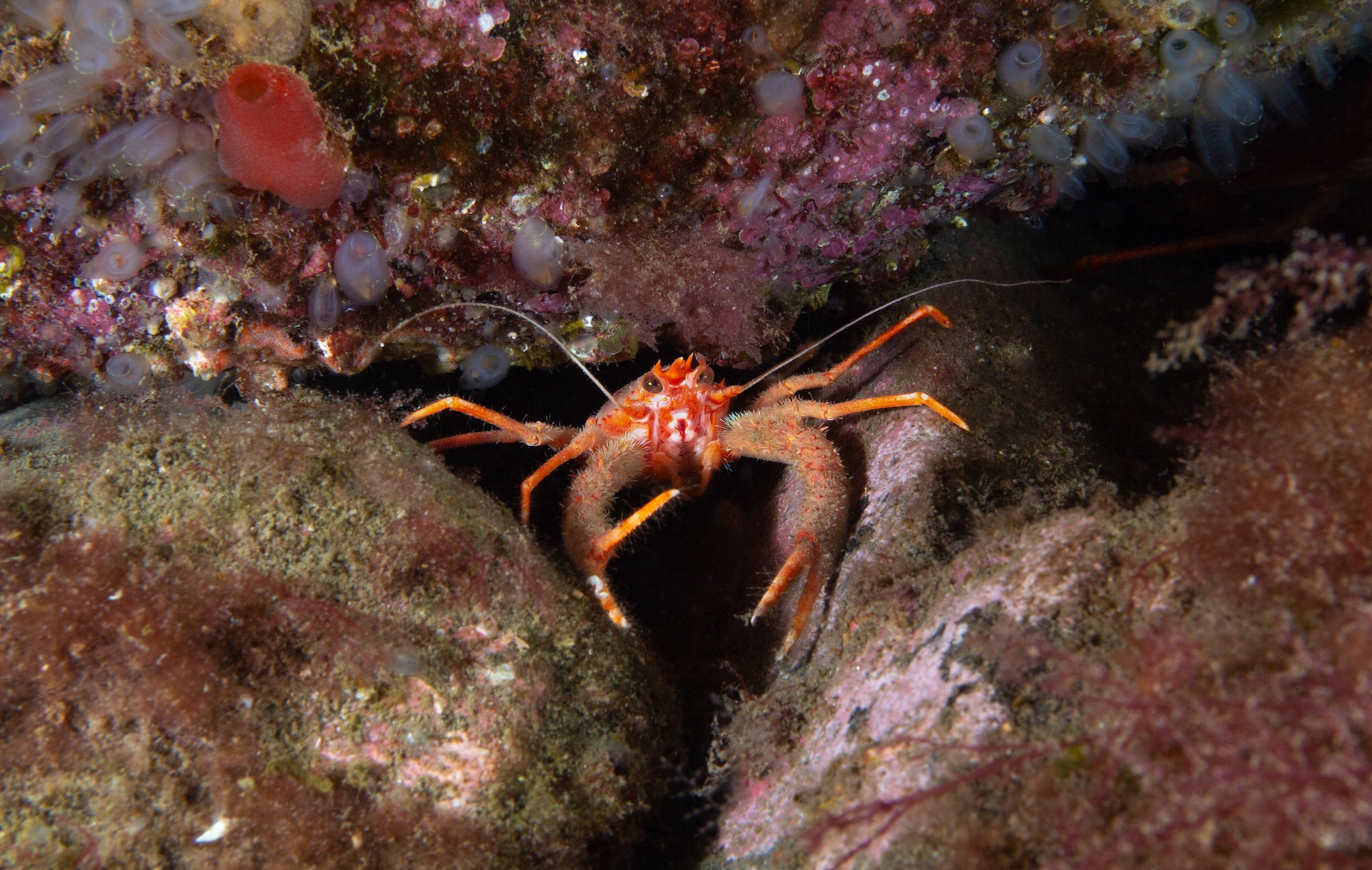
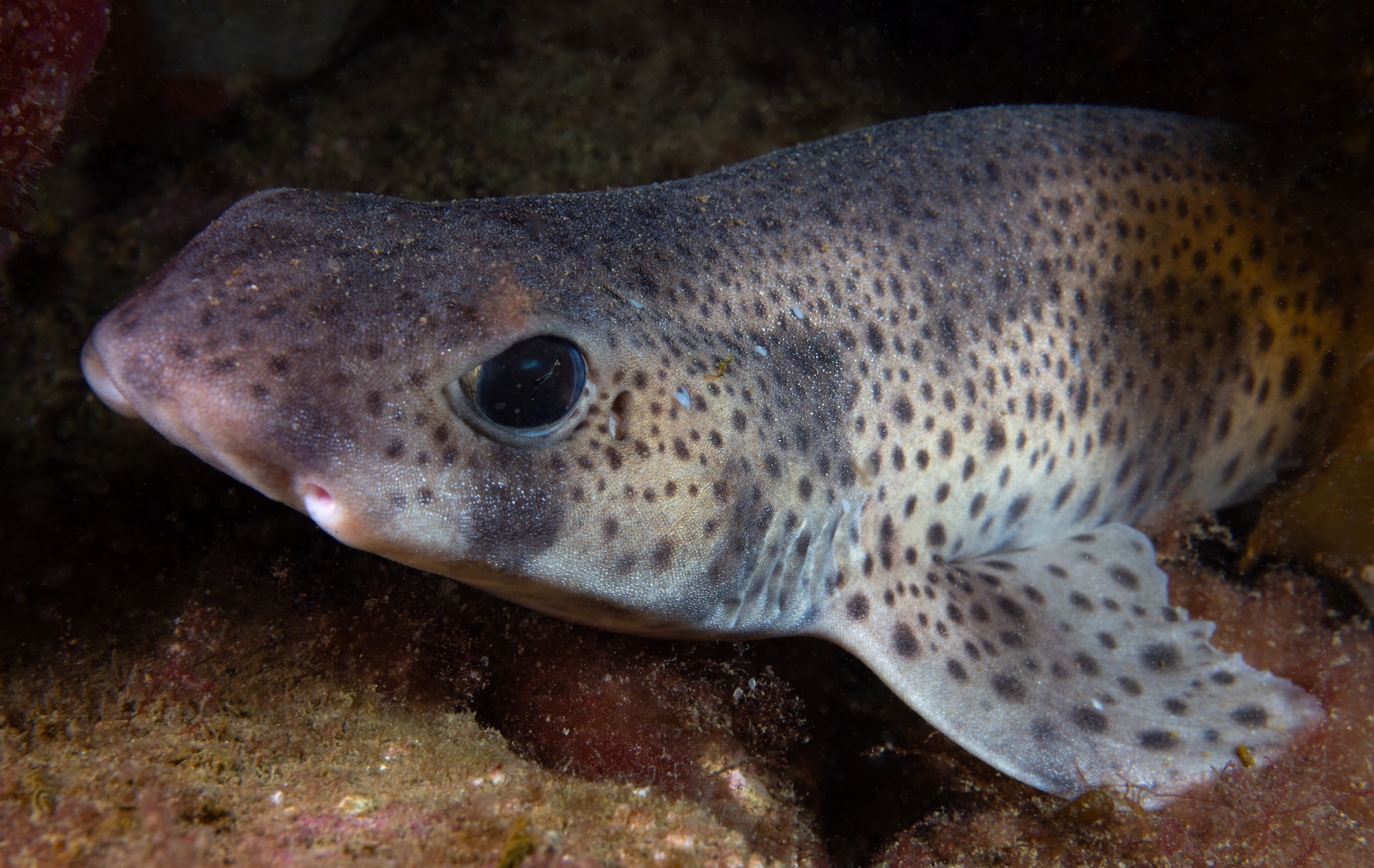
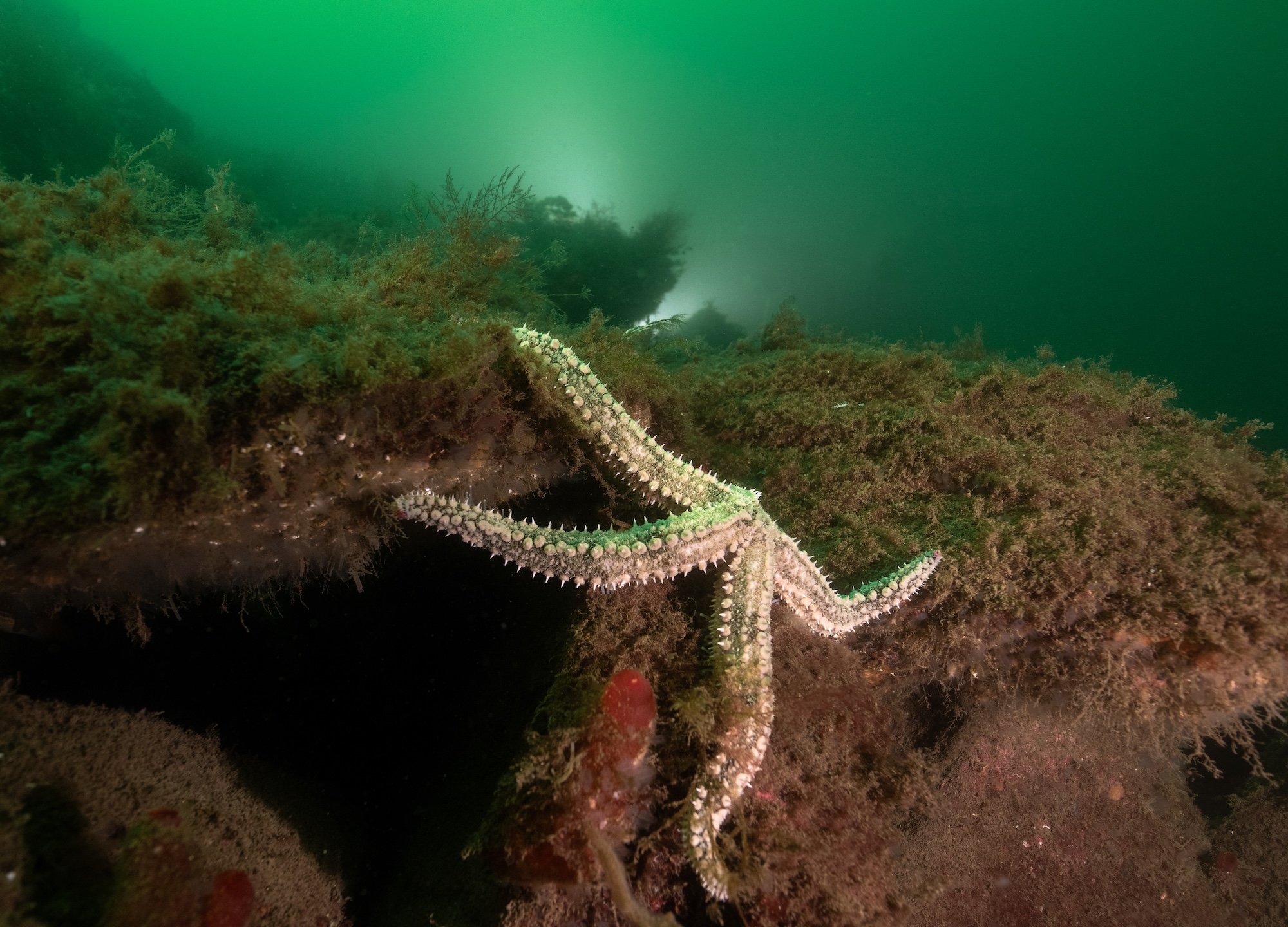
Earlier this month, Mowi Scotland sent me a press release and some underwater photographs taken around its salmon farm at Loch Hourn. The images were taken by a dive team from Tritonia Scientific, an independent marine survey consultancy, after Loch Hourn was the subject of a recent environmental pollution report. They show how a huge range of species is thriving, with the seabed and mooring lines teeming with life from feather stars, kelp and sponges to squirts, jellyfish, wrasse and anemones. 

The press release also included some comments from Stephen MacIntyre, Head of Environment at Mowi Scotland.

“Protecting our marine environment is at the heart of everything we do,” he said. “That’s why we commissioned an independent environmental survey of the seabed and waters around our salmon farm at Loch Hourn.”

“There are a lot of misconceptions around the environmental effects of fish farming, with rush to judge and apportion cause and effect,” he continued.” In response, it’s important we acknowledge such concerns but that we also investigate, monitor and transparently present observational field data to inform more reasoned opinions. At Mowi, we are committed to responsible and sustainable operations that ensure we meet our environmental standards and thresholds. We take any concerns that we are not operating to those standards seriously. When claims were made that our farm was harming the loch, we investigated. The results are clear: salmon farming in Loch Hourn is not damaging the marine ecosystem. In fact, it’s coexisting with it.”

“The photos definitely speak for themselves. This is what responsible fish farming looks like in a well-managed environment,” MacIntyre concluded.

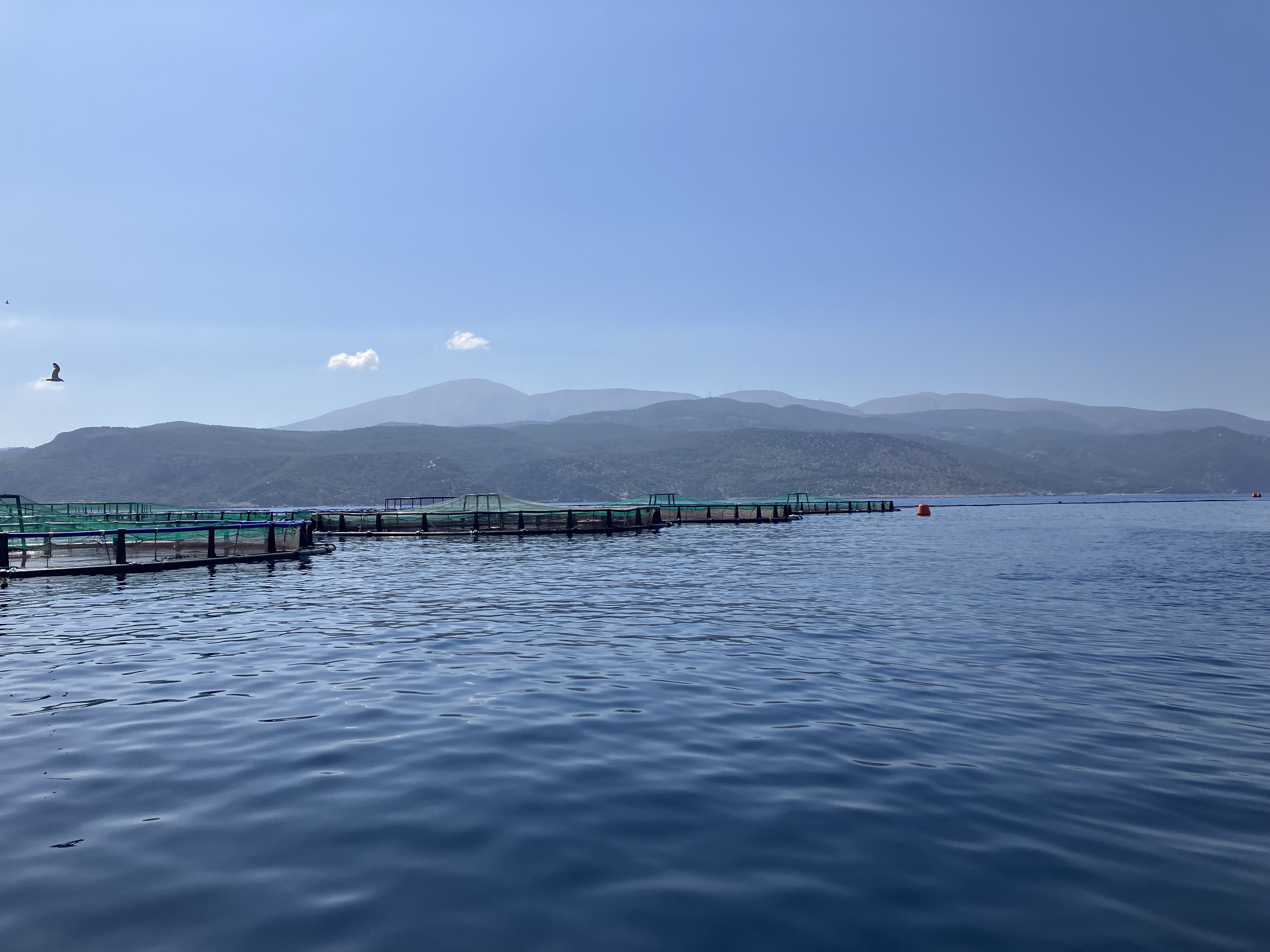
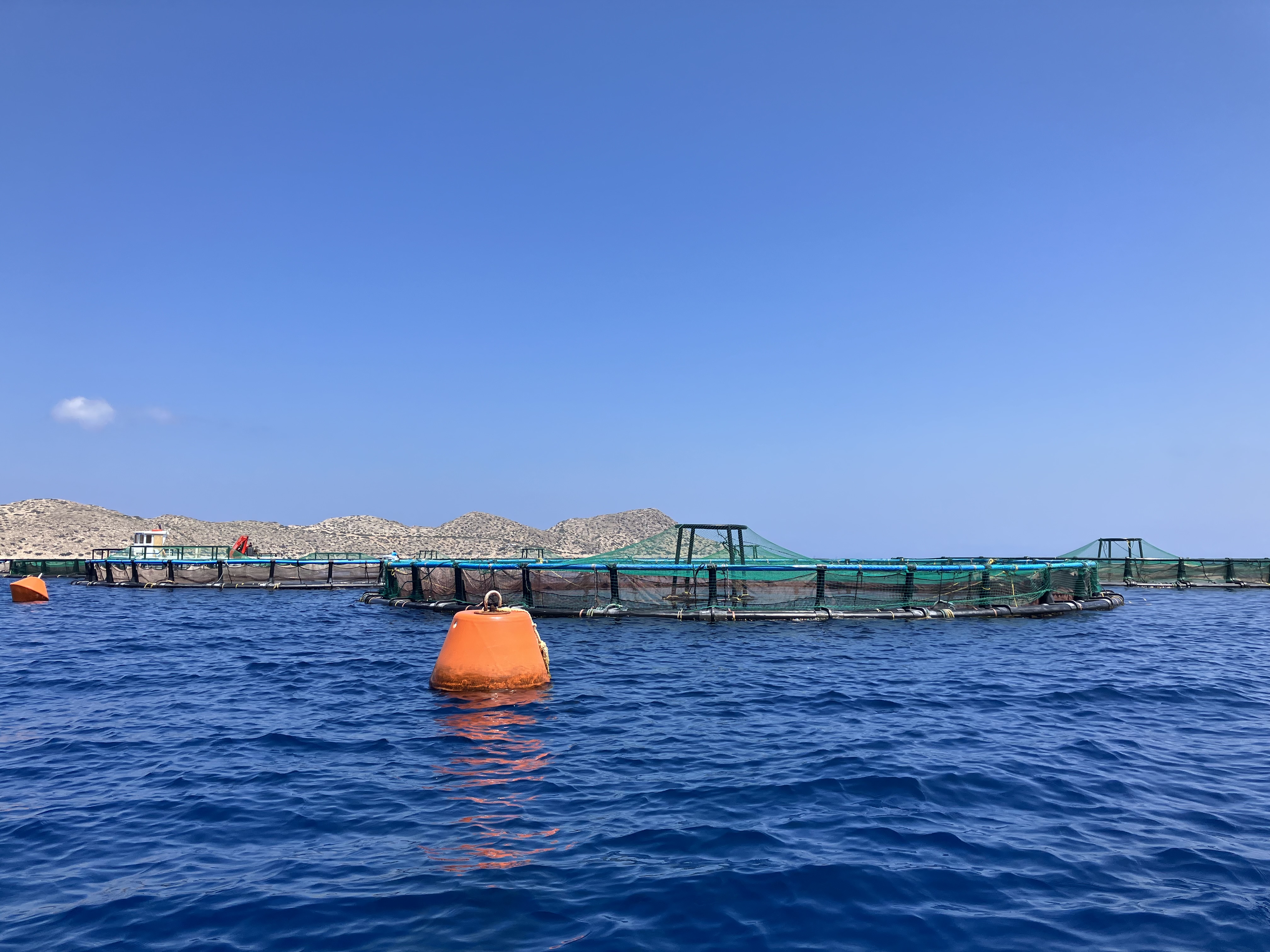
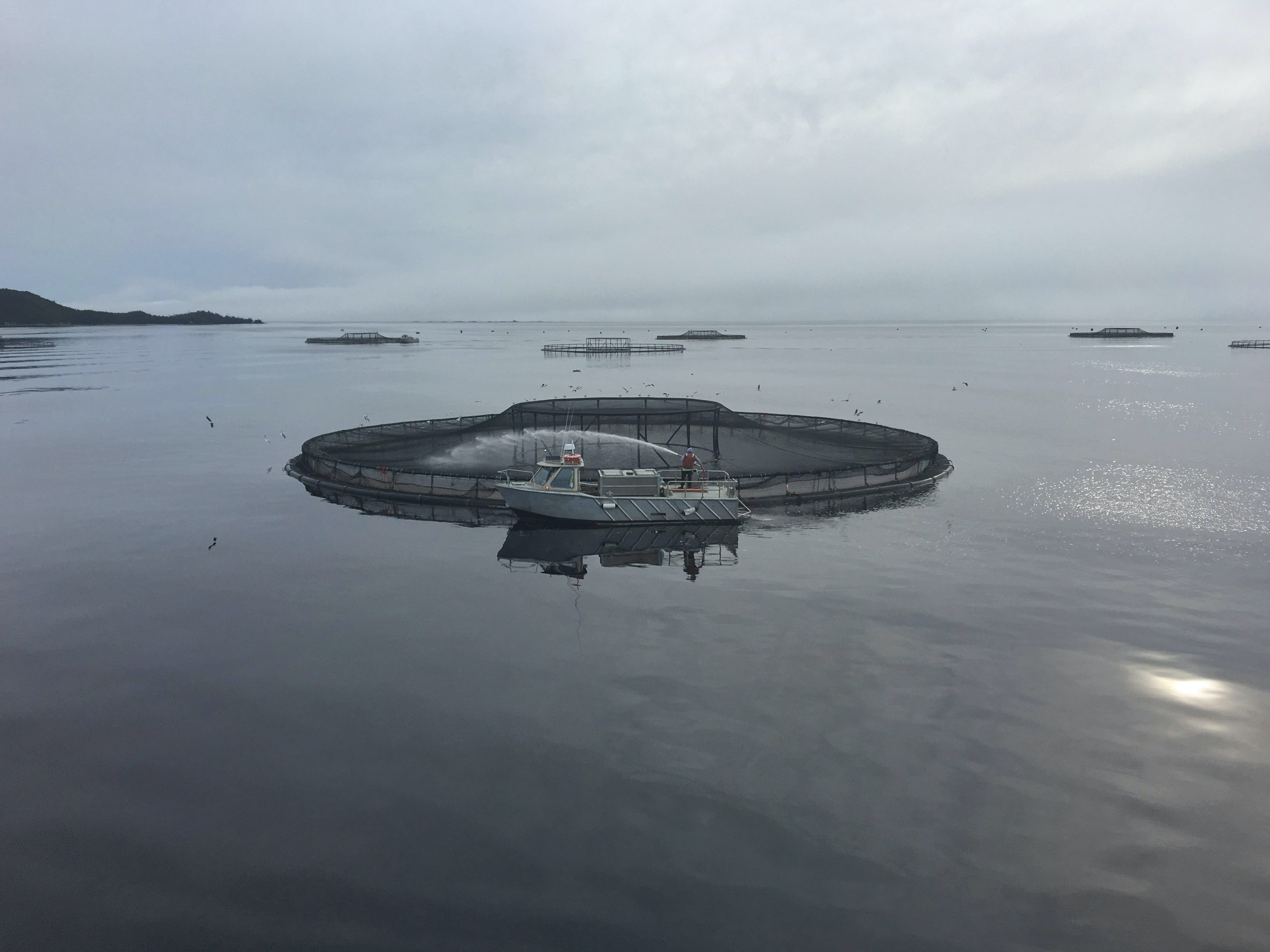
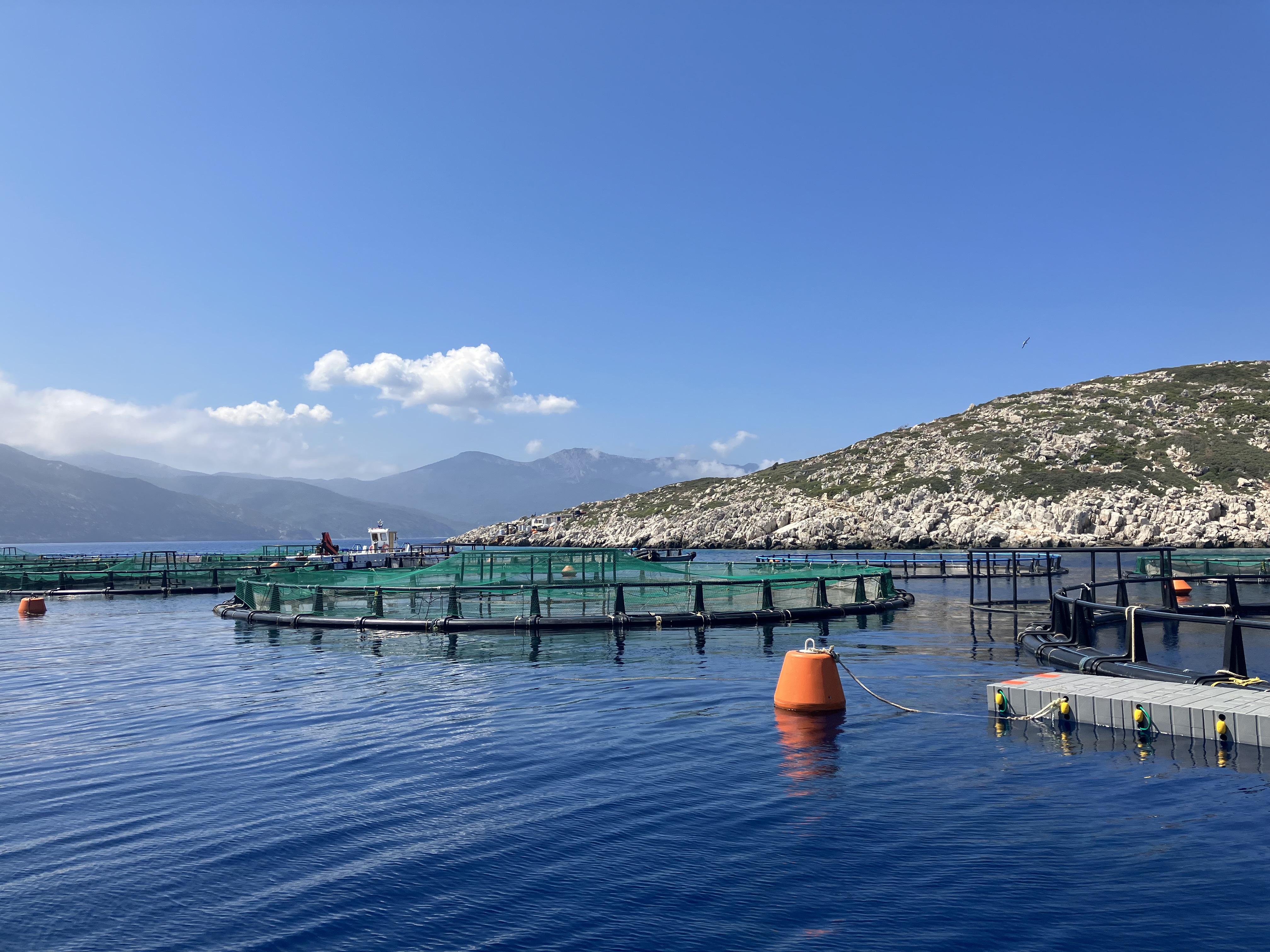
Fish farming is a huge food production sector that contributes to the global economy, food safety and more specifically to rural development in coastal areas where employment opportunities are often limited, e.g. islands. However, with the global push towards sustainable development and blue growth, understanding and addressing the environmental impacts of fish farming is crucial. We often hear about its negative impacts, such as water pollution from the release and accumulation of waste, the transmission of disease, escapes and the use of antibiotics and chemicals. However, when done wisely, fish farming can be part of the solution, slowing or stopping the negative impacts and helping to restore ecosystems. As Mowi Scotland’s photos show, Atlantic salmon and the wider ecosystem in Loch Hourn can flourish side by side. This is just one of many examples of how offshore fish farms can co-exist alongside, and significantly benefit, marine life. 

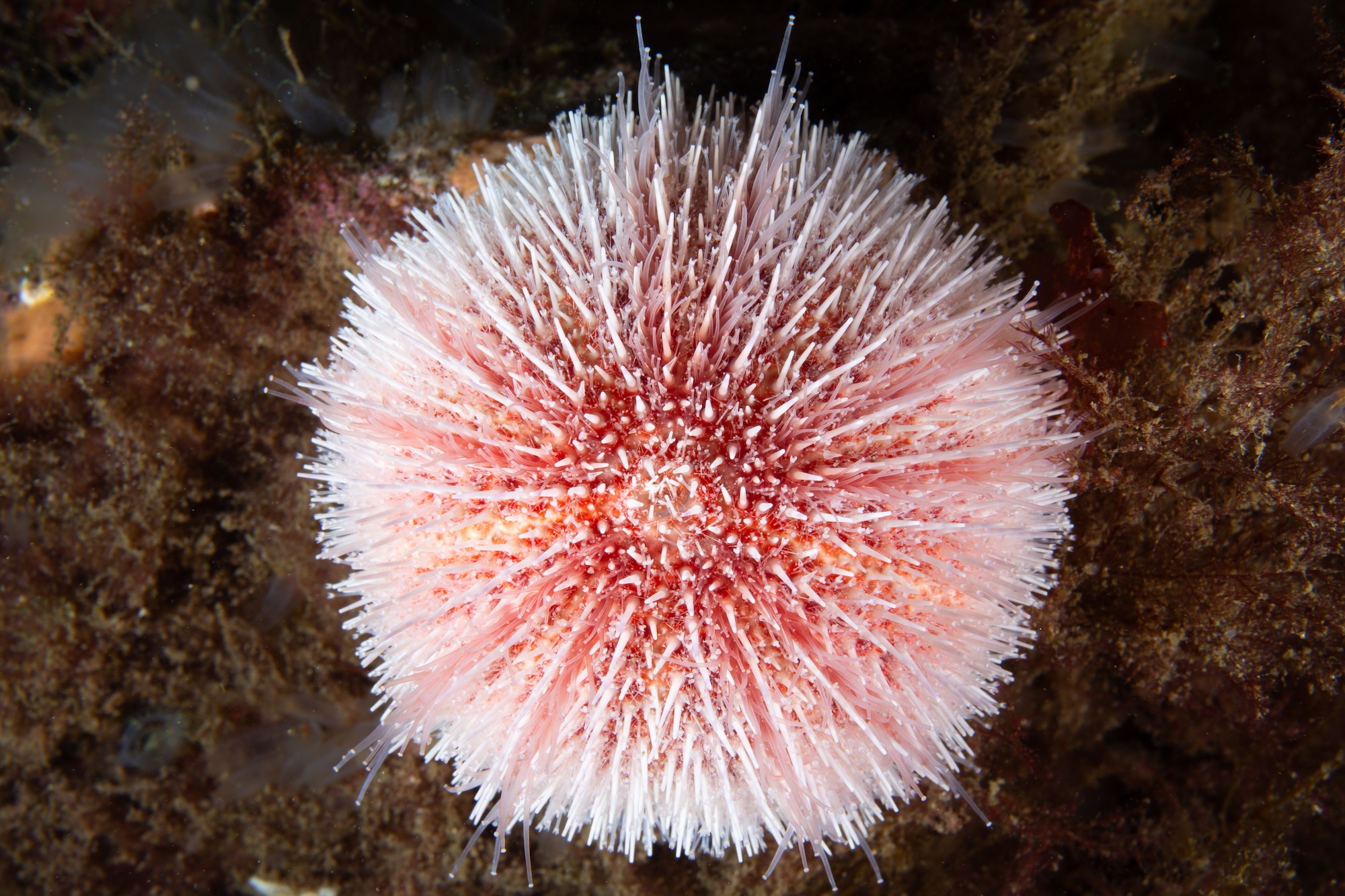
In the Mediterranean, finfish, in particular bluefin tuna farming, is one of the most common types of aquaculture. There, one study confirms the benefits of fish farms to the surrounding marine environment. Researchers at the Institute of Oceanography and Fisheries in Split, Croatia, say that wild fish aggregations near caged farms can persist year-round due to abundant food supplies. Fish are also attracted by additional structures that provide protection and numerous favourable habitats for juveniles. According to the researchers, this impact of aquaculture on marine life can be considered positive as it enables adults to be in good condition for future spawning, while artificial nursery grounds can be provided for juveniles that inhabit areas within aquaculture installations. Considering the fact that each fish farm represents additional nutrient/energy input into the surrounding ecosystem, the role of wild marine biota aggregated around farming sites is also important in preventing local degradation of the environment.

The study concludes by saying that well-balanced, properly managed marine aquaculture operations should not significantly alter the surrounding environment. It adds that identifying potentially suitable areas for fish farming should take into account the ecological, technological, economic and socio-cultural impacts of different locations to avoid any environmental pressures. 

Researchers at the University of Michigan agree that carefully managed farms make it possible to farm more food from the sea while reducing any negative impacts on biodiversity. In order to predict the impact of increased seafood production, the researchers built a model to determine the effect of offshore farms on over 20,000 species of marine fauna, and how this could change by 2050 depending on what was farmed and where. They found that building farms in the most eco-friendly areas led to promising results for both fish and shellfish. Bivalve production could increase by 2.36-fold and finfish production by 1.82-fold compared to current production, while global farming impacts would decrease by up to 30.5 percent under the best-case scenario. The researchers also point to the importance of strategic planning when installing farms and working with experts from various fields who can assess a wide range of considerations.

Shellfish aquaculture is also deemed as having positive effects on the marine environment. Not only is it able to improve water quality by assimilating nutrients from surrounding waters, but it also provides habitats to juvenile fish in areas where oyster reefs, algae ecosystems or seagrass beds have degraded. Compared to fish, shellfish typically do not require any chemical treatments such as high amounts of antibiotics. One of my favourite examples of shellfish farming improving ocean health and biodiversity is mussels. These can be grown on ropes suspended in the water, resulting in little to no habitat disruption. Because they feed naturally by filtering algae and other plankton, they also play a key role in improving the quality of the surrounding water. In addition, by creating biogenic reefs on the seafloor from clumps and shells, it’s possible to attract a range of species from demersal fish to macroalgae and mobile benthic invertebrates. Studies in New Zealand’s Hauraki Gulf also show that mussel farms not only support marine biodiversity but also increase wild fish populations. Research at the University of Auckland has revealed that marine species near mussel farms display greater diversity and abundance. Fish also appear to consume more nutritious diets near farm sites, suggesting that mussel farms can bolster biodiversity and fisheries productivity when implemented in the right locations. 

These examples represent a paradigm shift in farming at sea, transforming it from a potential environmental threat into a tool for increased biodiversity and restoration. As aquaculture expands and we look to the future of sustainable, responsible seafood production, fish and shellfish farming stand out as promising solutions, acting as biodiversity hotspots, nurseries and places of refuge for a variety of species. With continued research and development, they have the potential to make a difference by playing key parts in the production of sustainable protein and contributing to marine conservation objectives. This, in turn, is likely to greatly boost social and economic benefits in certain areas. Hopefully, these efforts will continue and we reach a future where more fish and shellfish farms help restore and protect marine biodiversity while feeding the world.





Looking Back on Ocean

Since its release in May 2025, Sir David Attenborough’s new documentary, Ocean, has been generating discussions on a host of issues related to the plight of our seas. After watching it myself, I can see why it’s provoked such a significant response. It’s a celebration of marine life and a stark reminder of the threats facing the ocean today.

The aims of Ocean are clear – to protect the seas and send a message of hope. The documentary does an impressive job of demonstrating how almost every marine ecosystem is capable of regenerating in months or years. The messaging on the ocean’s resilience, capability for abundance and capacity to bounce back is encouraging. Ocean is also beautifully shot, with incredible scenes of kelp forests, coral reefs and brutal images of bycatch. Like many of Attenborough’s documentaries, I really enjoyed this footage, which captures the beauty and rich diversity of the seas so well while describing the far-reaching effects of losing both and the importance of taking steps to move in the right direction. Attenborough also says that knowledge is important for change. Ocean offers viewers a lot of important information that gives them plenty to think about and discuss.

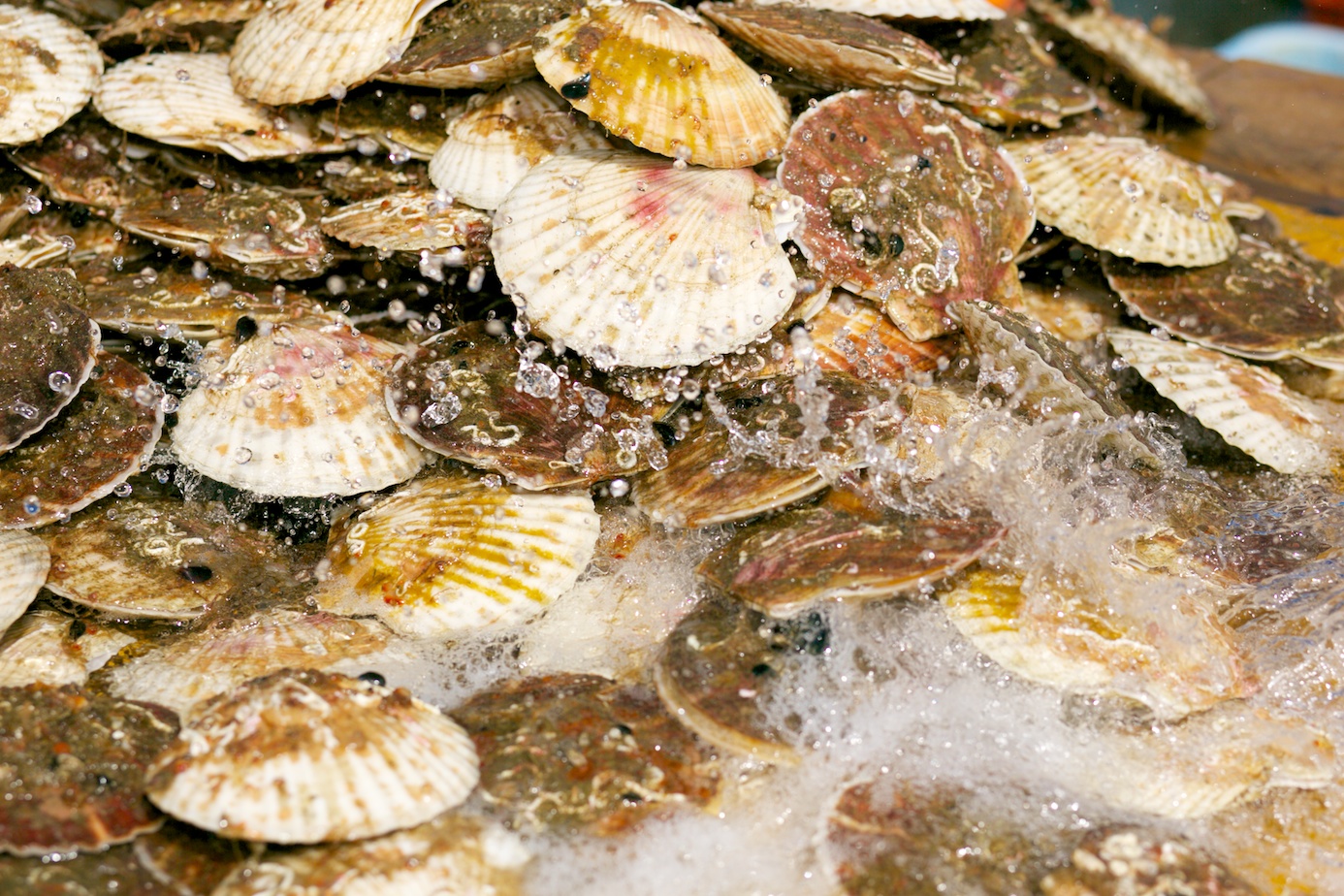
One issue that the documentary hones in on is the destruction caused by bottom trawling. Footage of the practice and its effects are shocking. There is also a focus on scallop dredging and bycatch-heavy hauls where the bycatch is simply discarded. It’s a dark visual representation of commercial fishing, and the message behind it is powerful. As discussions over the documentary continue, there will undoubtedly be significant impacts on consumer trust towards seafood and public perceptions of commercial fishing.

There is no doubt that this kind of destruction needs to be highlighted, and Ocean raises key questions about how certain fishing methods are carried out and where they occur. However, the portrayal of bottom trawling and scallop dredging could benefit from additional context, and it was a shame that no fishermen or fisheries scientists were featured. Ocean makes many important points about the need to protect the sea and its fish stocks, and the debate around marine protection is essential. However, there was no mention of the people who work on fishing vessels every day or an introduction to the latest research by fisheries scientists. There was also no mention of the many important advances in sustainable fisheries management and fishing practices that are happening today. Through my work, I have come across an array of efforts from seasonal closures, gear modifications, gear that is designed to reduce seabed contact or minimise bycatch, monitoring systems on board vessels, and the use of AI to ensure that the ocean and its inhabitants are free from dangerous items like ghost gear. These are all evidence of a strong commitment to try and improve sustainability and establish well-managed fisheries. 

The UK public body Seafish says that in the UK, bottom trawling is managed as part of a broader fisheries management framework to ensure that impacts on fish stocks and marine ecosystems are avoided, mitigated or remedied. Seafish offers information on temporary, seasonal or permanent closures of fishing areas if there are concerns over marine conservation, and highlights the role of trawl fisheries in supporting coastal communities and fishing on grounds that have been fished for generations. Earlier this month, the UK also outlined plans to ban bottom trawling in more Marine Protected Areas (MPAs) to protect habitats and support important marine species such as lobster, clams and langoustine. Meanwhile,  The International Council for the Exploration of the Sea (ICES) also monitors bottom trawling worldwide and publishes independent assessments of the impact on seabed habitats. 

The UK is also aware of the issues surrounding scallop dredging and is working towards better management in this fishery. Two years ago, consultations were held on a king scallop fisheries management plan in England and Wales. Stakeholders discussed the introduction of dredge restrictions to protect scallop stocks, reduce any impact on the seabed and other marine species, and ensure the scallop industry’s future economic security. There was also a desire for king scallop stocks to be better understood, to identify interactions with the wider marine environment.

Professor Ray Hilborn, a marine biologist and fisheries scientist at the University of Washington, shared his opinion on Ocean in his latest newsletter, which I read after viewing the documentary. He pointed out that although unregulated fishing is a threat to marine ecosystems, so too are climate change, pollutants, plastics and terrestrial runoff of nutrients. He also explained that bottom trawling occurs only in a small portion of the global ocean, almost exclusively confined to continental shelves, and in countries with the largest amount of continental shelf — Russia, Canada, the USA, Australia and the Antarctic – the proportion of area trawled is very small. Most bottom trawling also occurs over more resilient environments such as sand, mud and gravel, he said, rather than more sensitive areas such as deep-sea coral or sponge beds. In fact, research shows that benthic communities in more resilient environments recover quickly, especially when trawling is well-managed. 

Hilborn concluded by stating that fishing of all forms, including trawling, can be done sustainably, ensuring food production for future generations. 

The UK and US are just two tiny examples of awareness towards the negative impacts of bottom trawling and scallop dredging. There are many more examples and viewpoints, and other nations are pursuing their own measures and working towards global agreements on marine conservation. This is more important than ever in light of this year’s UN Ocean Conference.

It’s worth highlighting that Ocean doesn’t say that commercial fishing as a whole is bad. The documentary is beautiful but devastating, and a reminder to all of us in the seafood sector, whether it’s fisheries or aquaculture, to think further about how we can take even more effective steps than the ones we are taking now. It’s exciting to see, once again, the attention given to critical issues that the ocean is facing. But at the same time, it’s important to remember that scientists, the fishing industry and more have been working hard for many years to improve fisheries and build something more sustainable. Like SeaspiracyOcean is a great opportunity for healthy, open discussions on fisheries, regulation and environmental protection, where all stakeholders can come together in a collaborative way.


A New Year – What’s Ahead for Aquaculture in 2024?

At last year’s United Nations Climate Conference COP28, the Food and Agriculture Organization (FAO) of the United Nations unveiled its Global Roadmap for Achieving Sustainable Development Goal 2 (SDG2) without Breaching the 1.5C Threshold. The roadmap identifies 120 actions and key milestones within ten domains, one of which is fisheries and aquaculture.

The FAO describes aquatic food as “a nutritional powerhouse, rich in protein, essential fatty acids, vitamins and vital minerals. It also supports millions, providing incomes and jobs, particularly in coastal regions, bolstering local economies and communities, and should also play an important role in the dietary shift to mitigate emissions.” It is encouraging to see that as we enter a new year, seafood continues to draw attention for many significant reasons.

I’m looking forward to finding out how aquaculture will develop this year, and so too, it seems, is Rabobank, which released its annual seafood production report at the end of 2023. According to the Dutch banking and financial services firm, there are “signs of optimism” ahead, such as a year-on-year shrimp production growth of 4.8 percent in 2024, surpassing 2022’s peak volumes. Global Atlantic salmon production is also expected to grow by 4.3 percent and 3.9 percent respectively in 2024 and 2025, with Norway taking the lead. The Faroe Islands and Australia are other emerging markets to watch in salmon farming.

The report also covers some potential risks from higher temperatures that could lead to more algal blooms and mortalities. My work in 2023 began with a series of articles on this very subject and the efforts of countries such as the US to lessen the negative effects through modelling, forecasting and using sensors that assemble data on ocean conditions, currents, algal species abundance and toxin levels. The risks of algal blooms were also described by the Sustainable Aquaculture Innovation Centre (SAIC) in Scotland as one of aquaculture’s biggest emerging challenges. Hopefully, however, new technological advances will continue to make the sector even better equipped to deal with the risks.

Fish health and welfare could also be in the spotlight. At the end of 2023, I was asked by Hatchery International magazine – which will be celebrating its 25th year anniversary in 2024 — to write a story about aquaculture certification and fish health and welfare standards. This topic is key not only from a public perception standpoint, but also from a productivity standpoint. A fish that is healthier and less stressed will grow better and faster, and organisations like SAIC are taking note of this with new research projects on parasite management, managing or preventing disease through immunisation and vaccinations, gill health in Atlantic salmon and more. Work such as this will make huge differences to the survivability and wellbeing of fish and help seafood producers provide a nutritious protein source, according to Heather Jones, CEO of SAIC. It will also pave the way for a more robust, environmentally-friendly sector.

Last year saw significant focus on blue carbon ecosystems as a way of mitigating the effects of global warming. This focus is highly likely to continue in 2024. Blue carbon ecosystems like seagrass and mangroves can capture carbon dioxide through photosynthesis and convert it into biomass. Experts are now saying that restoring these ecosystems is key to removing additional carbon dioxide and addressing other issues such as increasing ocean acidity.

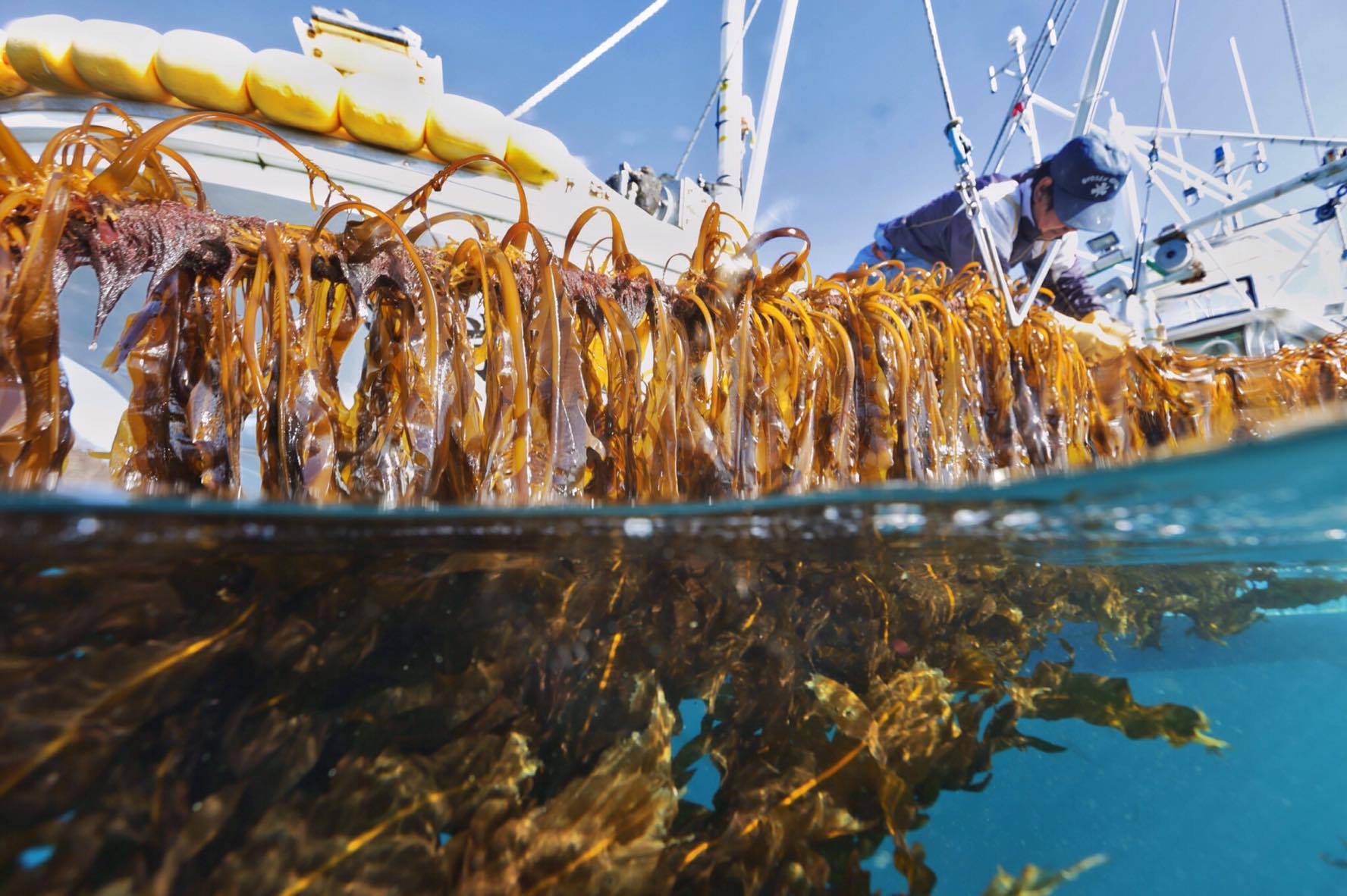
And there’s more. A market is also emerging for carbon credits to finance coastal ecosystem restoration projects. In Japan, the number of such projects, or blue carbon projects, is growing, with major companies keen to purchase credits as a way of not only offsetting their own emissions but also contributing to a local community and fostering regional development. Last year, I started working with consultancy firm Hatch Innovation Services on a blue carbon project with Japanese oil and gas corporation Idemitsu. Studies are underway to explore the potential of these projects in Japan, as seagrass and seaweed become increasingly recognised for their immense promise in addressing climate change and promoting environmental sustainability.

But what does this mean for aquaculture? Many blue carbon projects in Japan focus on seagrass and tidal flats, but there could also be some potential in seaweed, which the Japanese farm extensively and have been consuming for decades. With a strong seaweed sector, Japan is in a unique position and there could be more developments. This month, the country announced that it is recognising seaweed as a carbon sequestering ecosystem and incorporating it into its national carbon emission calculations. This is a hugely significant step, and it feels as though Japan’s current blue carbon projects are the start of a major emerging blue carbon credit market. Success depends on many factors, such as effective engagement with local communities to build trust and transparency, active monitoring and data collection, and a strong presence by companies in the project that they wish to support.

As the Hatch/Idemitsu project continues into 2024, I would love to see other Japanese companies engaging in blue carbon in a similar way. There are still some limitations when it comes to knowledge and information, for example the differing capacities of ecosystems to store carbon, and more communication and research are needed to improve our understanding of blue carbon ecosystems and how they remove carbon dioxide. No doubt, however, big contributions will be made in future to improve the resilience of blue carbon ecosystems and enhance the benefits derived from habitat protection to local communities.

I’m looking forward to seeing how this all develops and the opportunities it will present for those in Japan’s seaweed space.

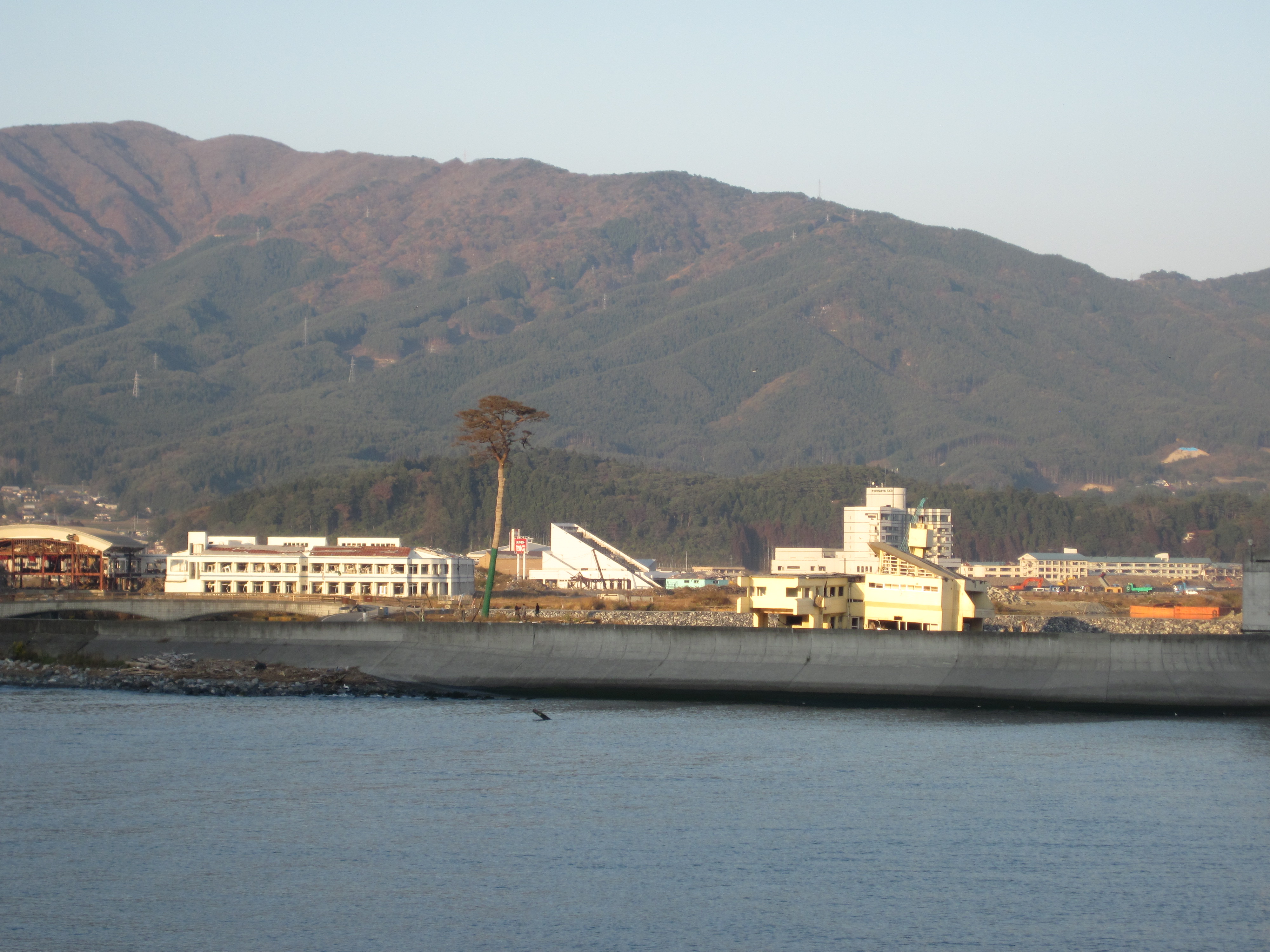
One of my major goals in 2024 is to write my own research paper as a continuation of my MSc thesis on aquaculture recovery in Tohoku, northeast Japan, after the March 11th, 2011 earthquake, tsunami and nuclear disaster. Over the years, I have found that topics such as disaster risk management and aquaculture/fisheries recovery following natural disasters are not highlighted as frequently as others, and there appear to be much less examples from Japan compared to other countries. My aim is to highlight the particular characteristics of Tohoku’s aquaculture and marine environment, describe the disaster’s impacts and how the sector is working towards recovery, to assess whether Japan’s experience could serve as an example of disaster management and help other countries better understand what happened to aquaculture in Tohoku. I hope that the paper will contribute to formulating plans to reduce the risks and impacts of disasters and steer recovery processes on to the fastest track.

Also coming up this year is the Global Seafood Alliance’s Responsible Seafood Summit 2024, which will be held in St Andrews, Scotland, in October. This event is a great opportunity to network, discover new products and solutions and find out the latest in aquaculture and fisheries research. It’s a huge platform for industry, NGOs, academia and more to share knowledge and information and be part of a varied conference programme covering production, sustainability, innovation, market trends and more. I’m looking forward to learning plenty when I return to St Andrews for the first time since my graduation in 2018.