Back in September, my husband and I joined an intertidal survey with the Hampshire and Isle of Wight Wildlife Trust. With a huge interest in marine life, and aquaculture and fisheries a key part of my work, I was really excited for the occasion. Our task was to join a team of other marine enthusiasts in Keyhaven to help spot and identify as many plants and animals as possible at low tide.
For those not familiar with Keyhaven, this fishing hamlet lies at one end of a mile-long, shingle bank called Hurst Spit, which runs south, dividing the Solent waters to create a calm lagoon on the eastern side. It’s fronted by the Keyhaven marshes, a low-lying area of wetland grasses.
Before we started, Caitlin, our organiser, gave a short briefing with instructions on how the survey would unfold and how to record our findings. Caitlin and her team also gave us all the equipment we needed, from ID guides, clipboards, and species identification books, to pens, pencils and even gloves. Everything was explained clearly in a fun and engaging way. We were then put into groups and given positions – one photographer and the rest of us identifiers. After that we were good to go, and set out on the short walk from the car park to the sea.
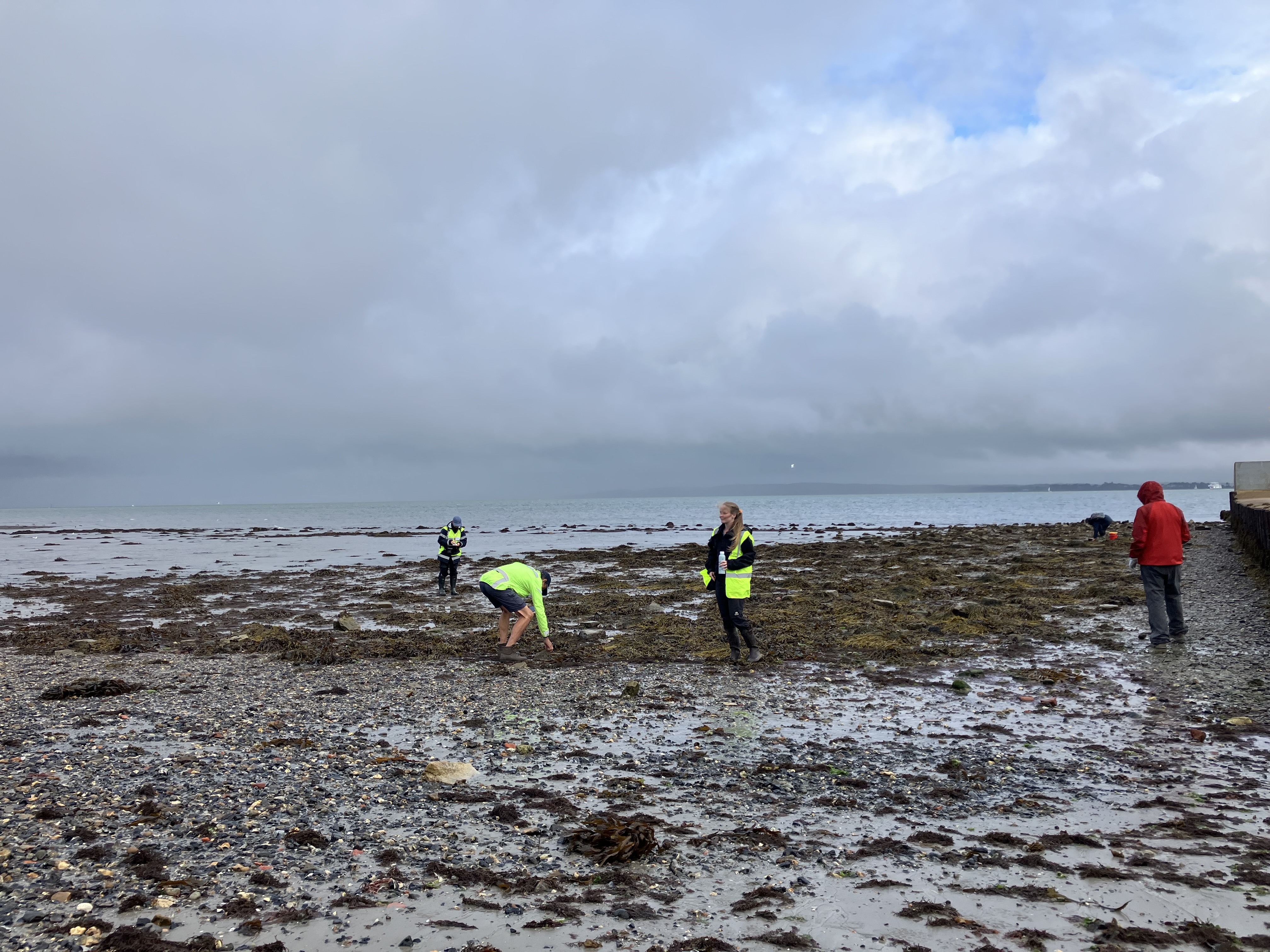
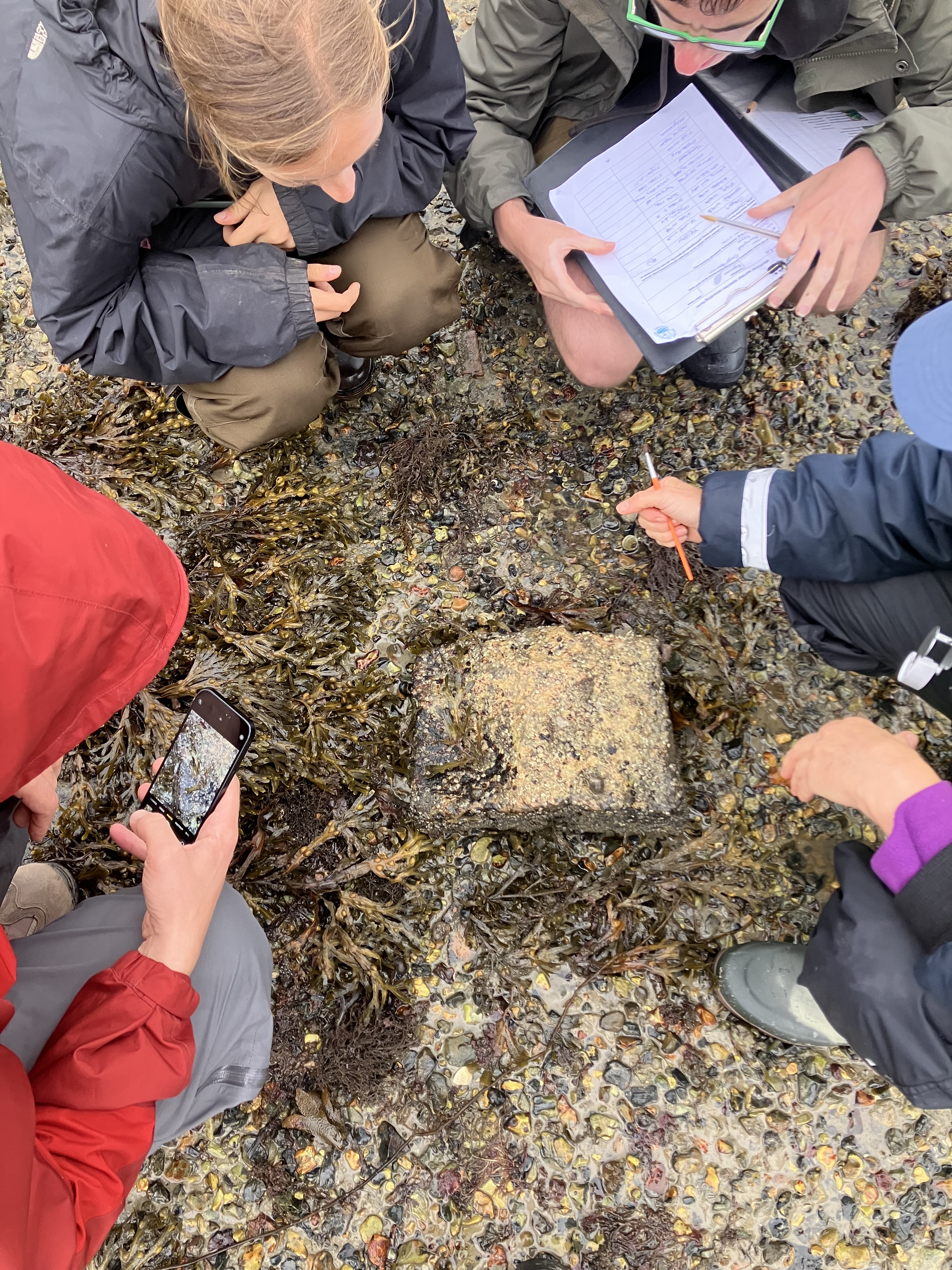
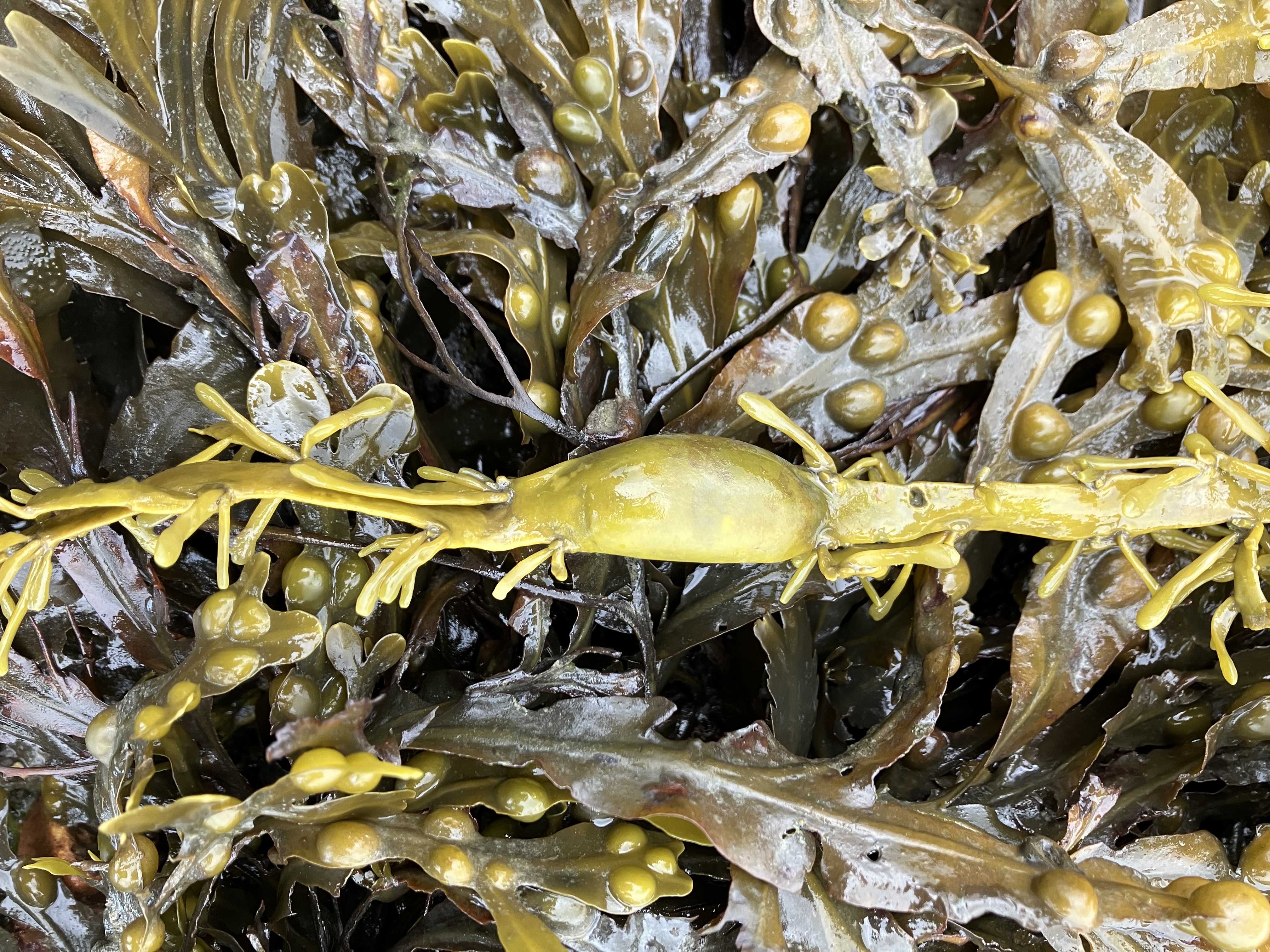
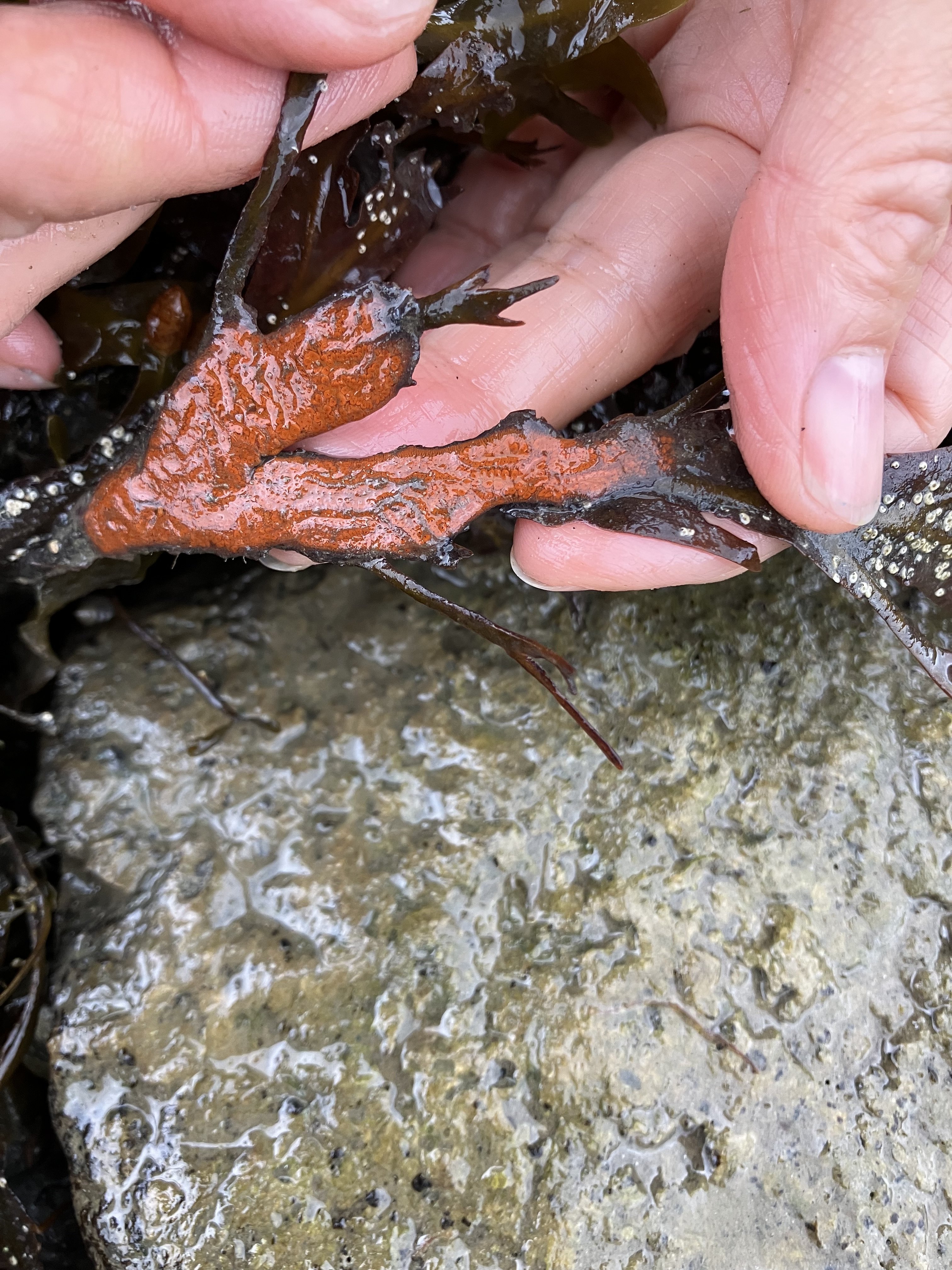
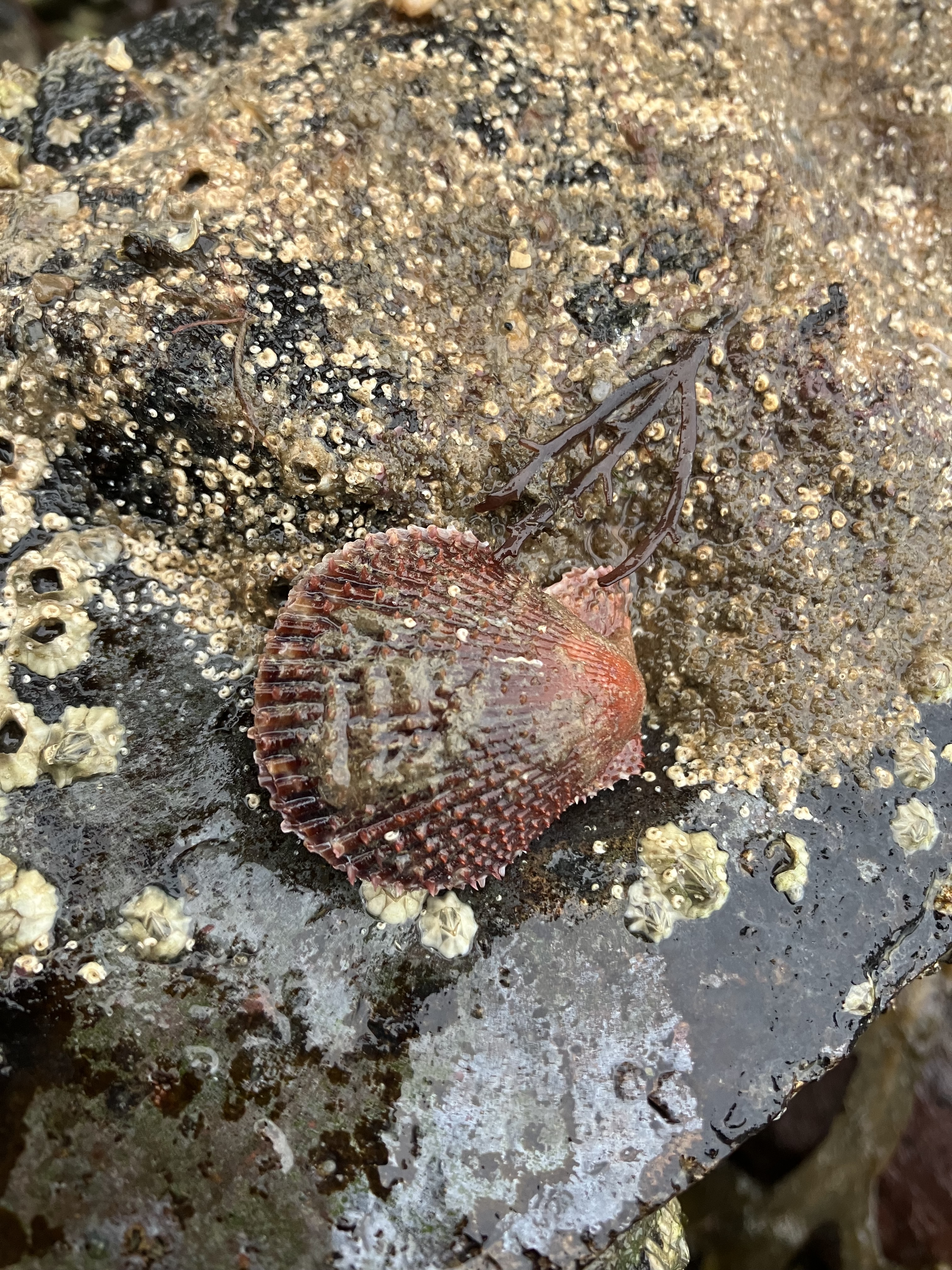
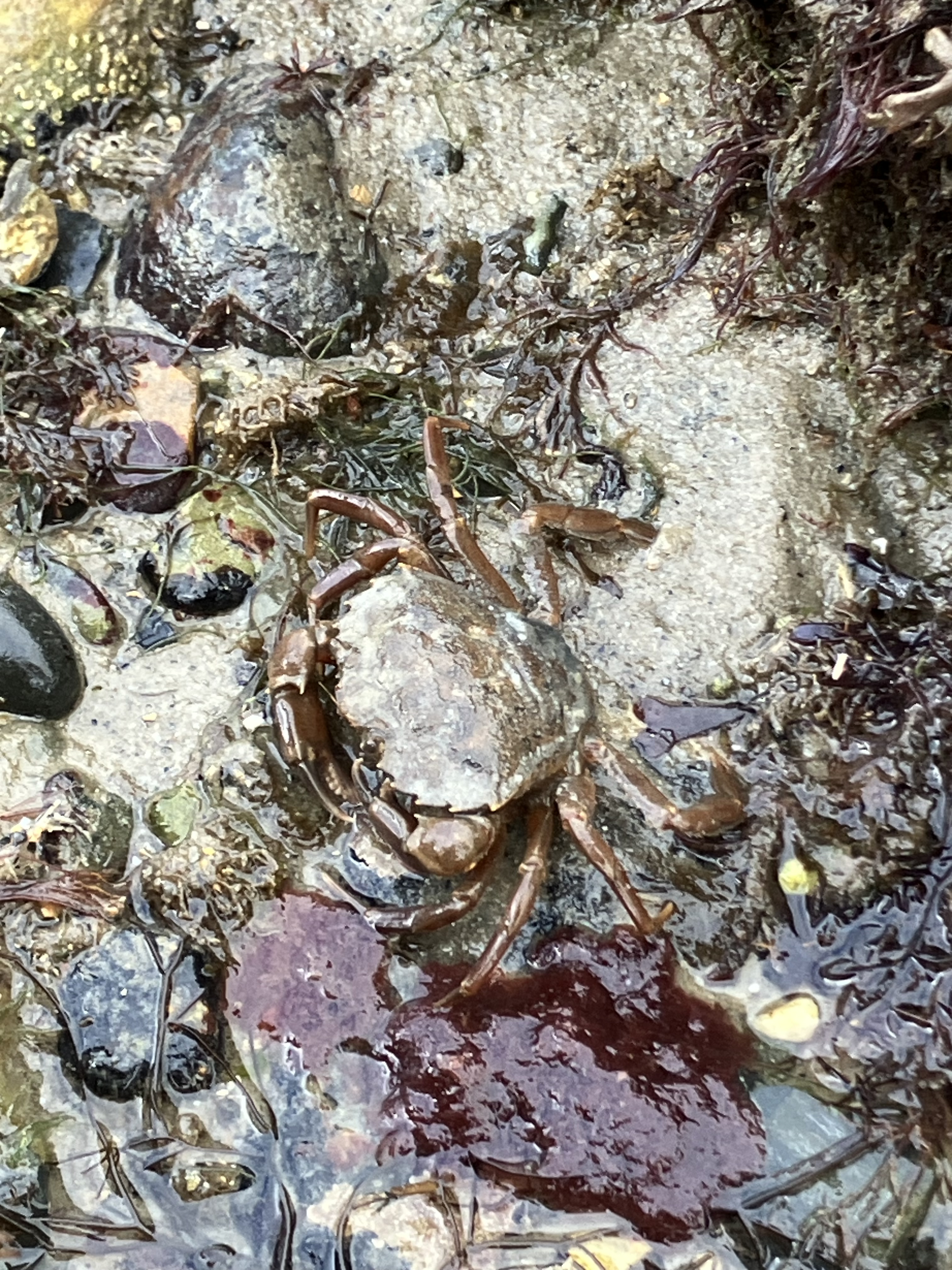
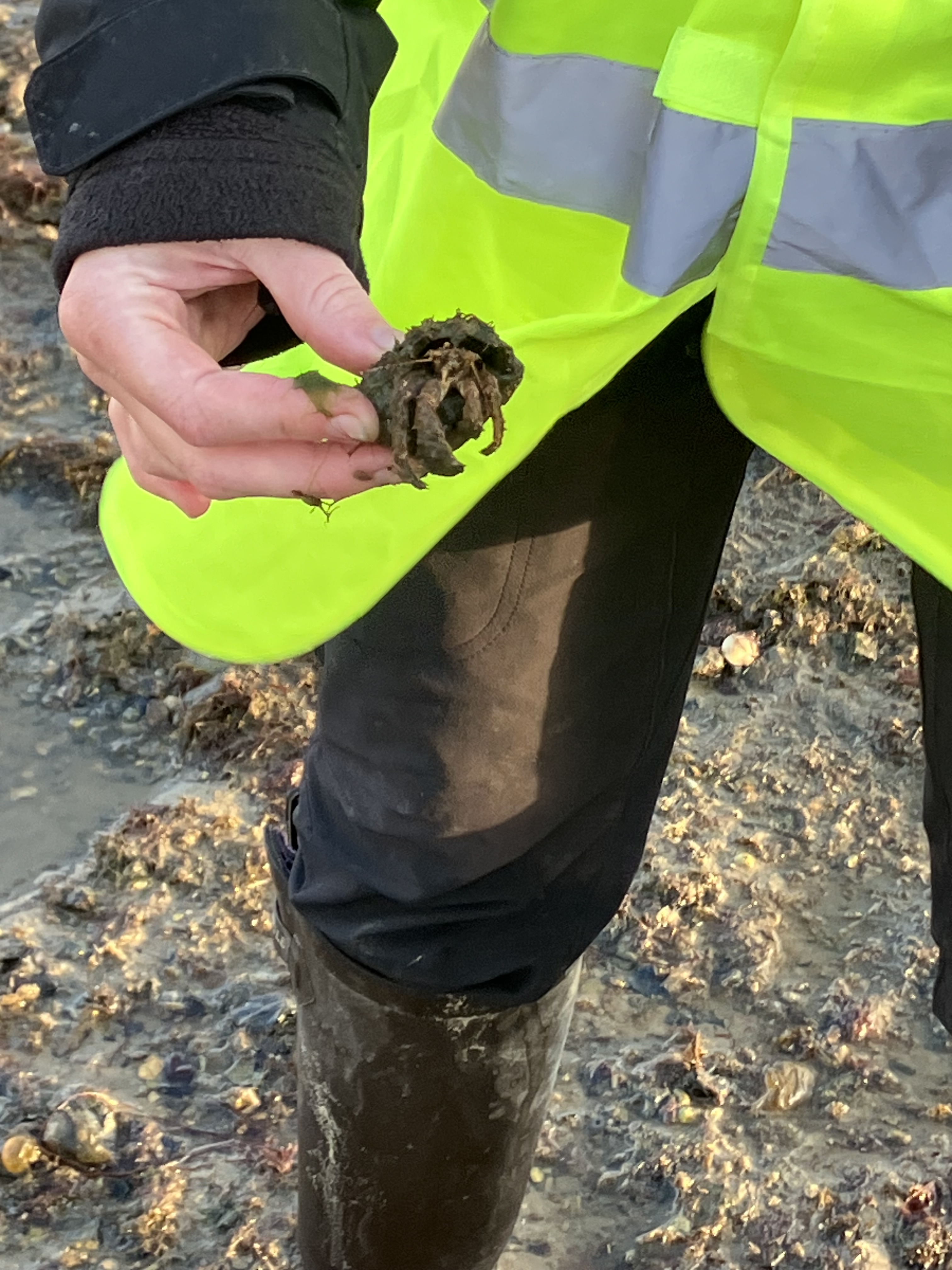
The low tide was the perfect time for volunteers to gather and comb the area for a species count. After splitting the shore into three zones – upper, middle and lower — using coloured buckets, we started our search on the upper shore, taking our time as we made our way towards the sea (lower shore), and recording everything we found from barnacles and sea anemones to tiny crabs and spongy seaweed, taking pictures to allow others to clearly identify our findings. We were blessed not only with Caitlin’s extensive knowledge but also with fellow volunteer Helen’s vast experience and tools, including a magnifying glass and a collection of small dishes so we could have a good look at really tiny species. With my phone in one hand and a couple of ID guides in the other, I found myself crouching beside tide pools, taking photos and talking to the other volunteers about what the different species might be. It felt like a treasure hunt guided by science, and that’s what this kind of volunteering does – it teaches you to look closer, slow down and really see what’s out there.
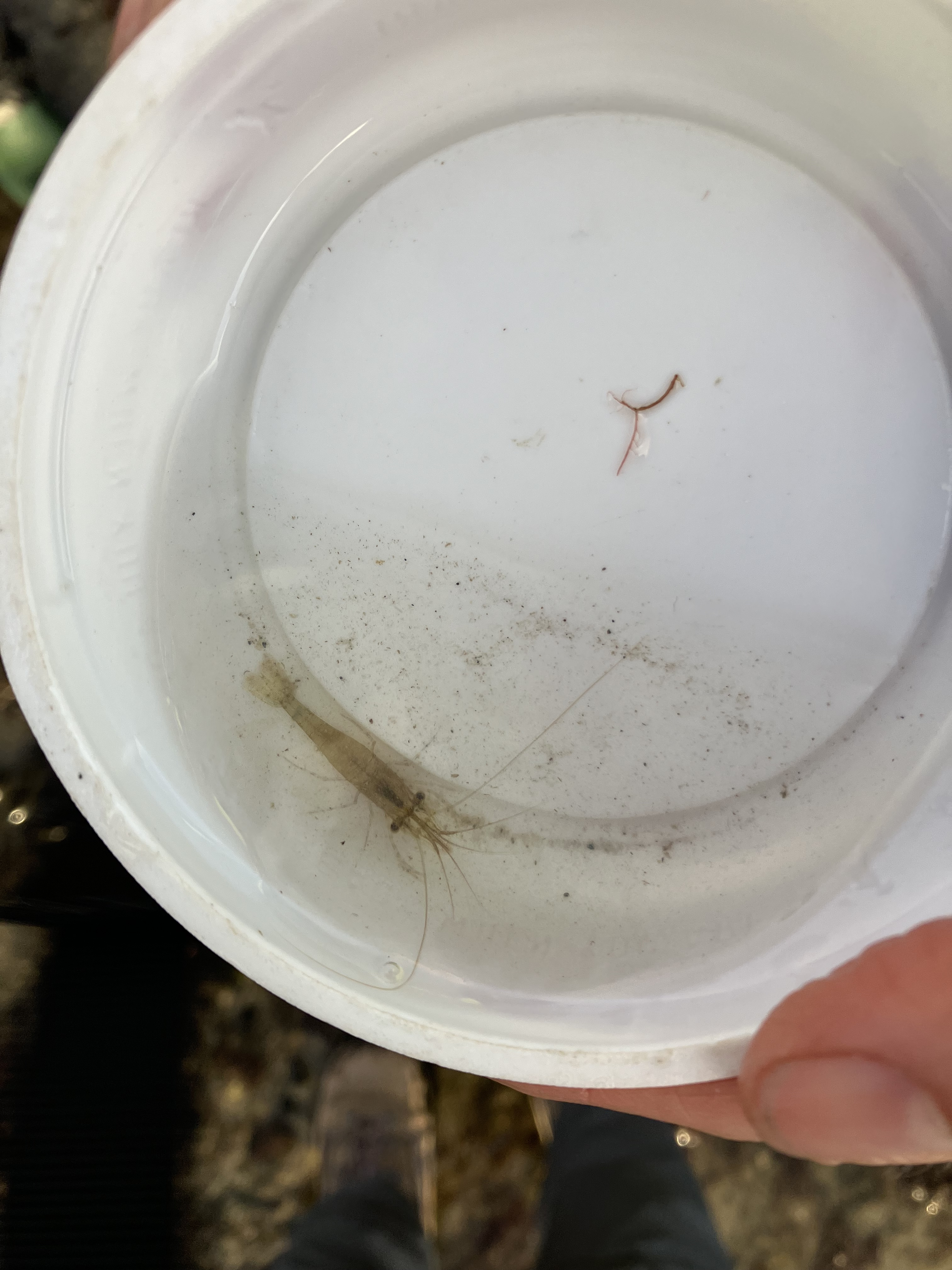
As the survey continued, the findings got more and more exciting. A hooded prawn, brittle star, scallop, hairy hermit crab…all new finds were photographed and shared with as many volunteers as possible. Excited voices overlapped as different seaweeds were compared, crabs and shellfish identified, and unexpected finds celebrated. There was a really nice sense of shared discovery throughout, moments of joy, curiosity, collaboration, and the thrill of turning over a rock to reveal something new.
One of the best things about intertidal surveys is the sense of connection and understanding among the volunteers. It’s really enjoyable and also rewarding – surveys like this help scientists monitor the health of our marine ecosystems. By tracking which species are present and where, we can also help scientists better understand how things like pollution, climate change and invasive species may be affecting our coasts, and of course we can learn something new too. It’s real science, and we can be a part of it. There are also no expectations — no experience is required, everyone is friendly and welcoming, and there is always someone around to answer questions. I had a fantastic time identifying different species, taking photographs, and getting to know the other volunteers and their backgrounds. Intertidal surveys are a great way to explore our local coast, learn more about the wildlife there and add to our understanding of this important habitat.
Next time you’re walking by the sea, take a closer look – you might just find your new favourite hobby!
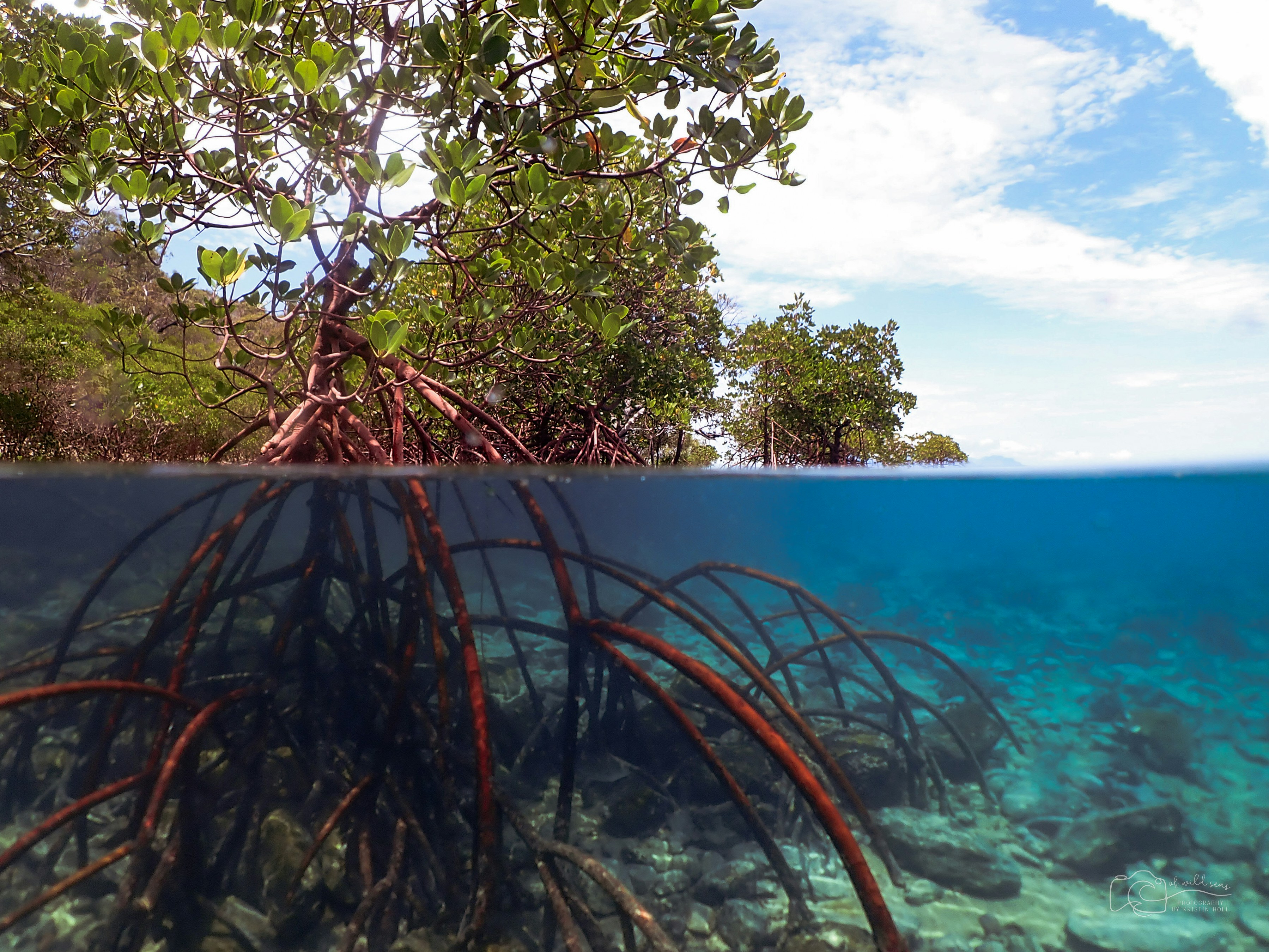
Mangrove forests are one of the world’s most productive ecosystems. They are huge biodiversity hotspots, providing habitats for various species and supporting coastal communities by protecting them from storm surges, erosion and tropical storms. They are also a vast carbon sink that can store up to five times more carbon per acre compared to rainforests.
However, mangroves have been declining significantly over the years. By the end of the 1990s, global mangrove cover was estimated to have decreased by 35%. This was followed by a further 2.1% (3,363km2) decline between 2000 and 2016. The cause is primarily due to human activity, such as forest clearing and exploitation for timber production and raw materials, rapid coastal population growth, urban expansion and conversion to agriculture and aquaculture. In fact, growing aquaculture development has resulted in swaths of mangroves being converted into shrimp ponds to meet the rising global demand for farmed shrimp.
Shrimp farms have long been accused of widespread mangrove destruction, but is this claim a fair one? This month, I took a deep dive into shrimp farming and mangrove deforestation and discovered some good news — that transformation is possible. Many countries, NGOs and private firms are actively looking for better ways to farm shrimp while safeguarding and replanting mangroves. I discovered a range of initiatives to establish tools and frameworks for environmentally responsible shrimp production and the farming of other species. The aim of these initiatives is to plant and restore mangroves through responsible farming, allowing mangrove ecosystems to flourish and provide a host of benefits.
Ecuador and Indonesia are two countries that have experienced rapid mangrove loss over the years. According to the National Coordinating Corporation for the Defence of the Mangrove Ecosystem of Ecuador, more than 70% of mangroves have been destroyed to make way for shrimp ponds. Meanwhile in Indonesia, 800,000 ha have been converted mainly into shrimp ponds over the past 30 years.
However, shrimp farming in both countries plays a prominent role in global shrimp production and exports. It is also key to supporting small farmers, and this is where Conservation International comes in. This US NPO has developed an approach to farming shrimp that can help boost yields while restoring mangroves. The approach is to take half of a shrimp farm and restore it as a mangrove forest, while helping farmers increase their output on the rest. With pilot programmes in Ecuador and Indonesia, financing and technical expertise are provided to help farmers produce more shrimp, increase profits and restore mangroves. A loan fund is also being set up so that farmers can transition to more efficient production systems, while AI-based tools help to identify optimal sites for mangrove restoration.
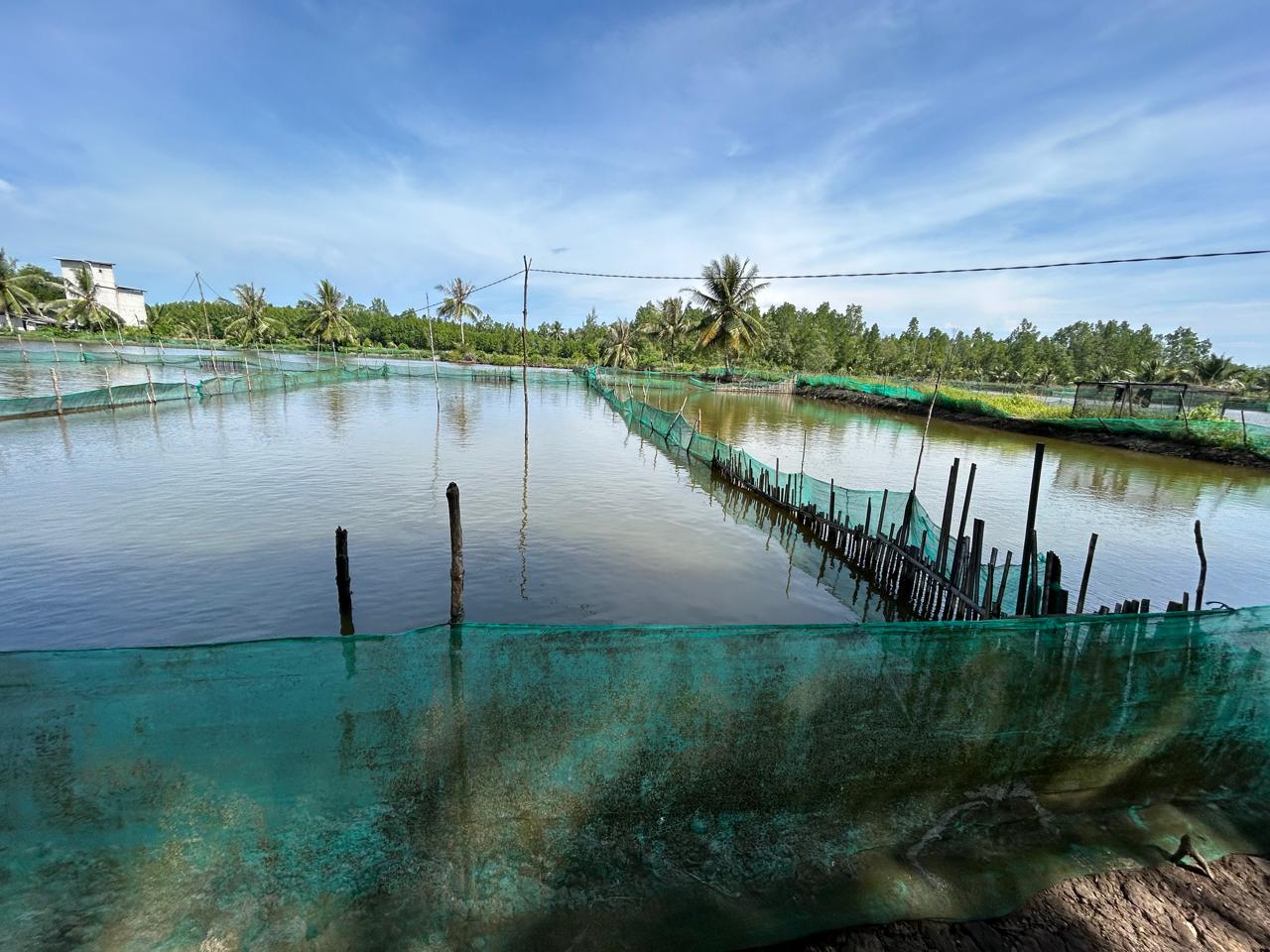
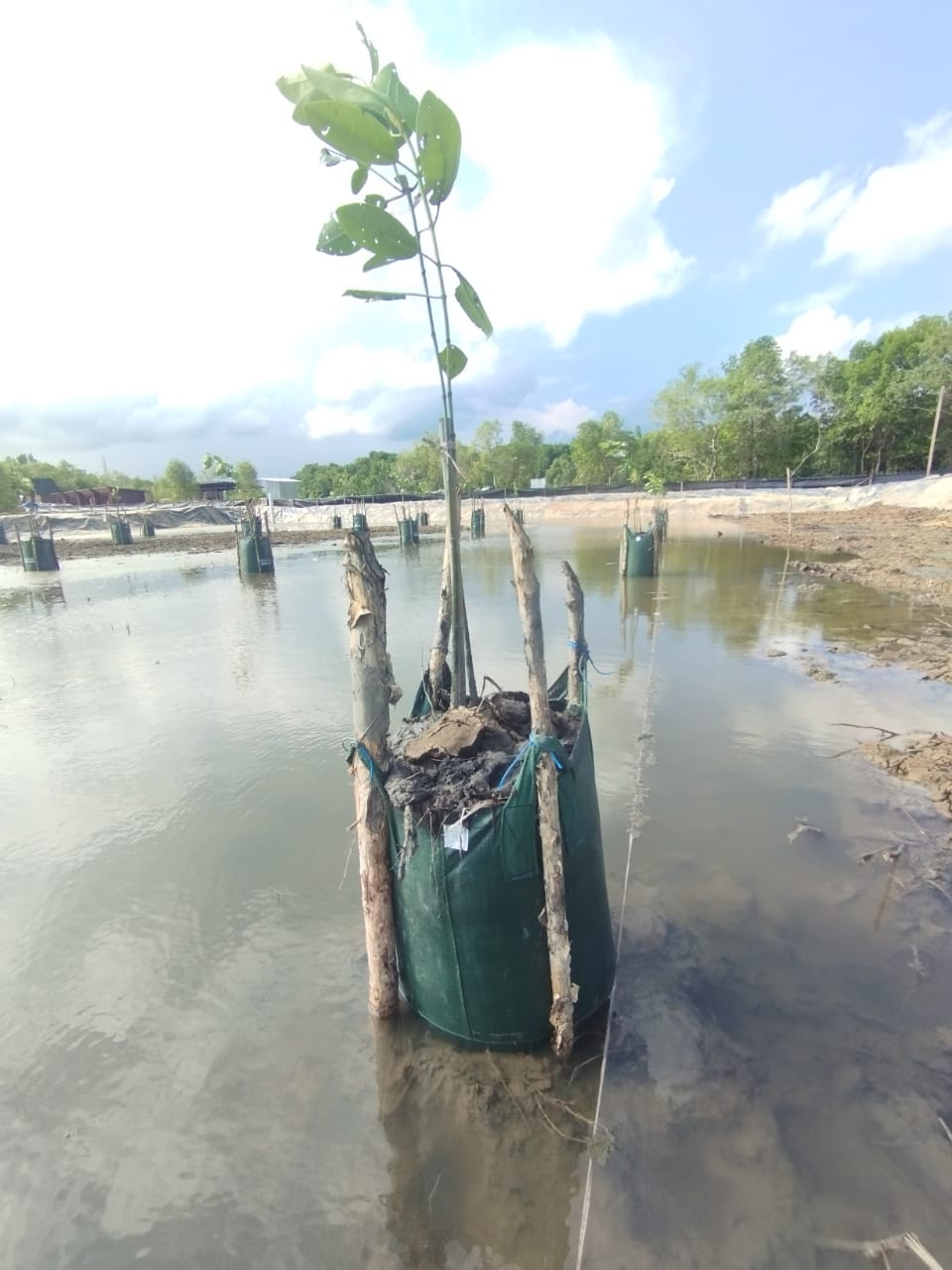
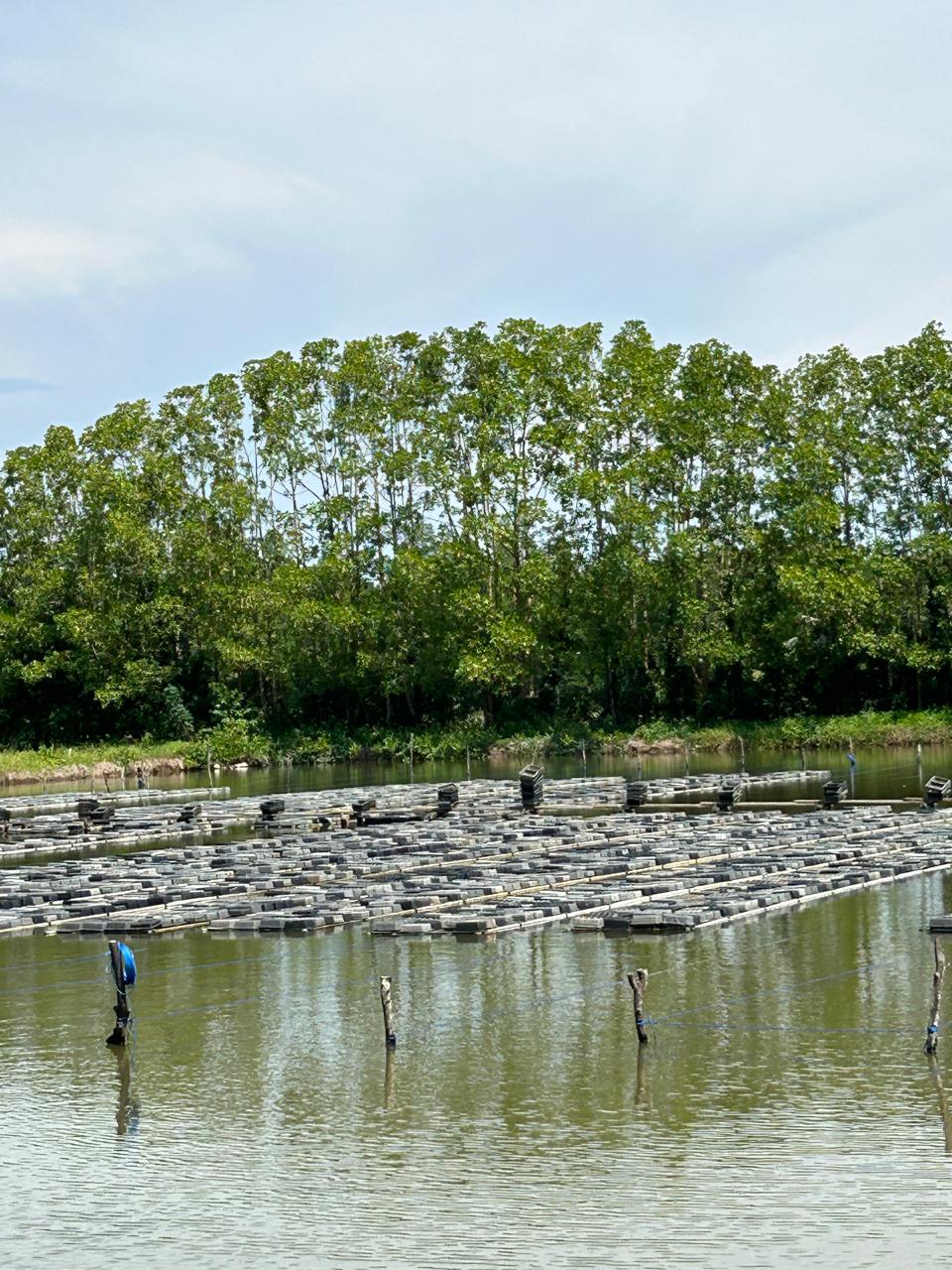
Shrimp farming in Indonesia, while economically significant, faces several issues and challenges that have emerged as a result of its rapid development. These include disease outbreaks, massive shrimp mortality and economic losses, and water quality degradation due to the accumulation of organic matter and other pollutants in pond water and surrounding areas. In light of this, researchers are studying a mangrove-friendly shrimp farming model called silvo-fishery, which brings shrimp farming and mangrove restoration together in a low-intensity manner. The idea is to reduce environmental impacts, preserve biodiversity, and enhance carbon sequestration. According to Esti Handayani Hardi, professor at the Faculty of Fisheries and Marine Sciences at Mulawarman University, the practice promotes a more responsible and productive system by enhancing the natural ecosystem and improving livelihoods. She says that it offers a “win-win scenario” for more effective and sustainable mangrove rehabilitation and shrimp farming.
India, too, has been accused of mangrove destruction through its expansion of shrimp farming, especially along the east coast. But the country is dedicating extensive research, money and time into finding better ways to farm shrimp while increasing mangrove replanting efforts. The Swaminathan Foundation is a research institution in Chennai with a focus on sustainable rural development. Since 1993, it’s been working in Tamil Nadu, Andhra Pradesh, and Odisha on the east coast, where the majority of India’s shrimp farms are concentrated, and where shrimp farms and mangroves have long competed for scarce land along coastal creeks and riversides. Meanwhile, under a new initiative in the Sundarbans called Sustainable Aquaculture in Mangrove Ecosystem (SAIME), farmers are rearing black tiger shrimp. The aim of the project is to establish a model to demonstrate biodiversity-friendly aquaculture that will build a resilient ecosystem, and identify the extent to which blue carbon emissions associated with brackish water aquaculture could be reduced by integrating mangroves into shrimp farms.
Credit: Esti HardyCredit: Esti HardyCredit: Esti HardyCredit: Esti HardyCredit: Esti Hardy
It was also encouraging to hear that other types of aquaculture are doing their part, too. Back in May, I chatted to Megan Sorby, Co-Founder and CEO of Pine Island Redfish, a redfish farm in Florida that’s created a sustainable, circular food system with fish waste. The farm’s recirculating aquaculture system (RAS) produces redfish and repurposes fish waste to cultivate red mangroves and nutrient-rich plants, such as sea purslane and barilla. After discovering that the nutrient profile of the waste from their farm is ideal for growing mangroves, Sorby and her team joined forces with an environmental apparel company to do their part. They collect mangrove seeds, which are nurtured in Pine Island Redfish’s nursery spaces, and transplant them along the west coast of Florida.
“We can monitor and manage the waste nutrients that go into the mangroves very effectively, in other words fine-tune the waste to ensure that the mangroves grow in the most efficient way,” Sorby told me. “It’s very powerful to be able to say that we are using waste from farming redfish to grow plants that act as a nursery for juvenile redfish in the wild.”
These initiatives prove that systemic transformation is possible, and it’s great to see positive trends that could act as examples for other species and regions that are facing similar challenges. Through efforts to protect ecosystems like mangroves, people in coastal regions can safeguard their natural resources and livelihoods, while such efforts also contribute to other areas like emissions reductions and blue carbon. Supporting these types of initiative is imperative for creating long-term, responsible solutions that contribute to even better farming and environmental conservation.
The FAO describes aquatic food as “a nutritional powerhouse, rich in protein, essential fatty acids, vitamins and vital minerals. It also supports millions, providing incomes and jobs, particularly in coastal regions, bolstering local economies and communities, and should also play an important role in the dietary shift to mitigate emissions.” It is encouraging to see that as we enter a new year, seafood continues to draw attention for many significant reasons.
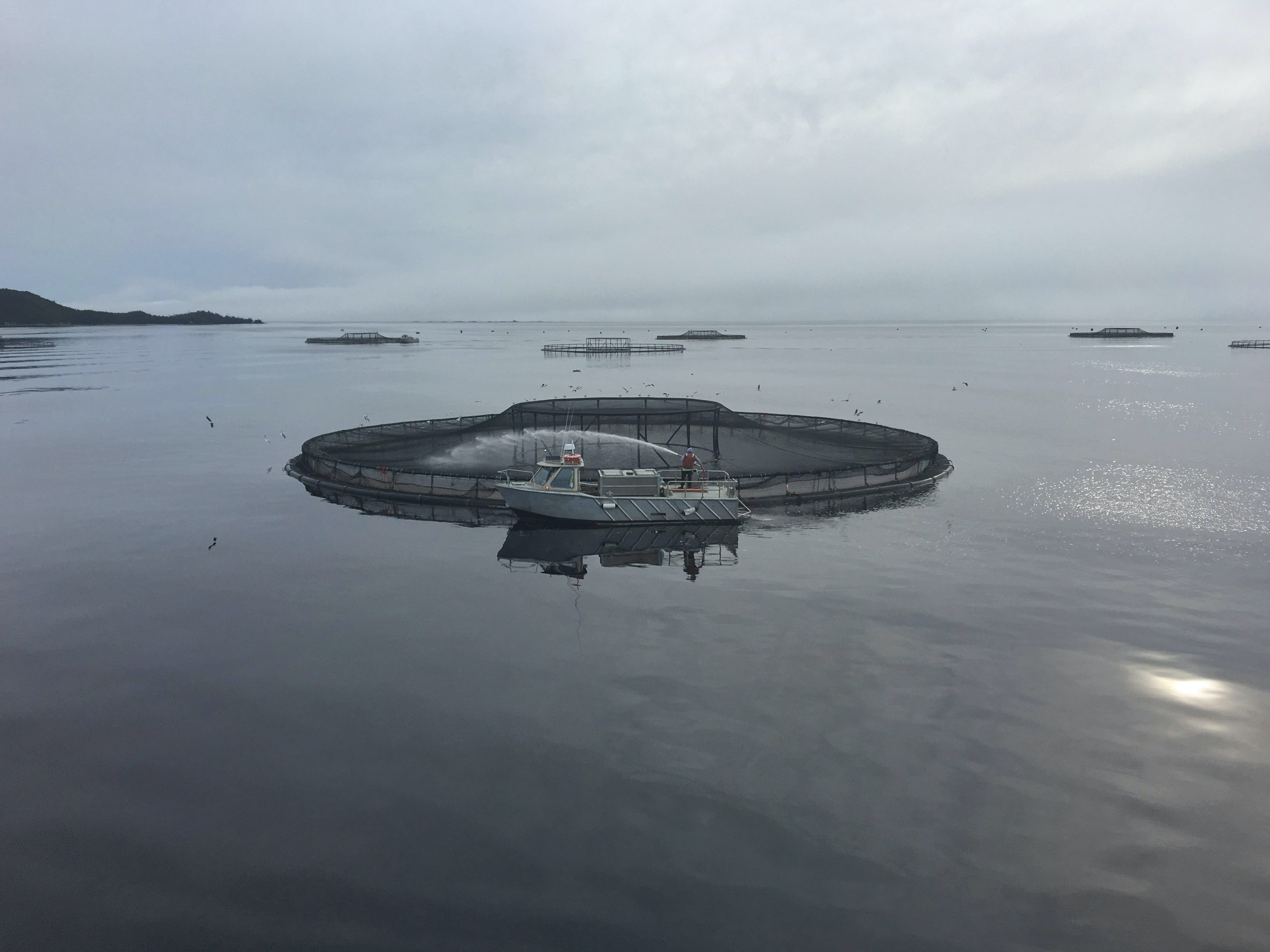
I’m looking forward to finding out how aquaculture will develop this year, and so too, it seems, is Rabobank, which released its annual seafood production report at the end of 2023. According to the Dutch banking and financial services firm, there are “signs of optimism” ahead, such as a year-on-year shrimp production growth of 4.8 percent in 2024, surpassing 2022’s peak volumes. Global Atlantic salmon production is also expected to grow by 4.3 percent and 3.9 percent respectively in 2024 and 2025, with Norway taking the lead. The Faroe Islands and Australia are other emerging markets to watch in salmon farming.
The report also covers some potential risks from higher temperatures that could lead to more algal blooms and mortalities. My work in 2023 began with a series of articles on this very subject and the efforts of countries such as the US to lessen the negative effects through modelling, forecasting and using sensors that assemble data on ocean conditions, currents, algal species abundance and toxin levels. The risks of algal blooms were also described by the Sustainable Aquaculture Innovation Centre (SAIC) in Scotland as one of aquaculture’s biggest emerging challenges. Hopefully, however, new technological advances will continue to make the sector even better equipped to deal with the risks.
Fish health and welfare could also be in the spotlight. At the end of 2023, I was asked by Hatchery International magazine – which will be celebrating its 25th year anniversary in 2024 — to write a story about aquaculture certification and fish health and welfare standards. This topic is key not only from a public perception standpoint, but also from a productivity standpoint. A fish that is healthier and less stressed will grow better and faster, and organisations like SAIC are taking note of this with new research projects on parasite management, managing or preventing disease through immunisation and vaccinations, gill health in Atlantic salmon and more. Work such as this will make huge differences to the survivability and wellbeing of fish and help seafood producers provide a nutritious protein source, according to Heather Jones, CEO of SAIC. It will also pave the way for a more robust, environmentally-friendly sector.
Credit: Datingscout, UnsplashCredit: Etienne Girardet, UnsplashCredit: Lu Hanson, UnsplashCredit: Lu Hanson, UnsplashCredit: Jannes Mingram, UnsplashCredit: Lance Anderson, Unsplash
Last year saw significant focus on blue carbon ecosystems as a way of mitigating the effects of global warming. This focus is highly likely to continue in 2024. Blue carbon ecosystems like seagrass and mangroves can capture carbon dioxide through photosynthesis and convert it into biomass. Experts are now saying that restoring these ecosystems is key to removing additional carbon dioxide and addressing other issues such as increasing ocean acidity.
And there’s more. A market is also emerging for carbon credits to finance coastal ecosystem restoration projects. In Japan, the number of such projects, or blue carbon projects, is growing, with major companies keen to purchase credits as a way of not only offsetting their own emissions but also contributing to a local community and fostering regional development. Last year, I started working with consultancy firm Hatch Innovation Services on a blue carbon project with Japanese oil and gas corporation Idemitsu. Studies are underway to explore the potential of these projects in Japan, as seagrass and seaweed become increasingly recognised for their immense promise in addressing climate change and promoting environmental sustainability.
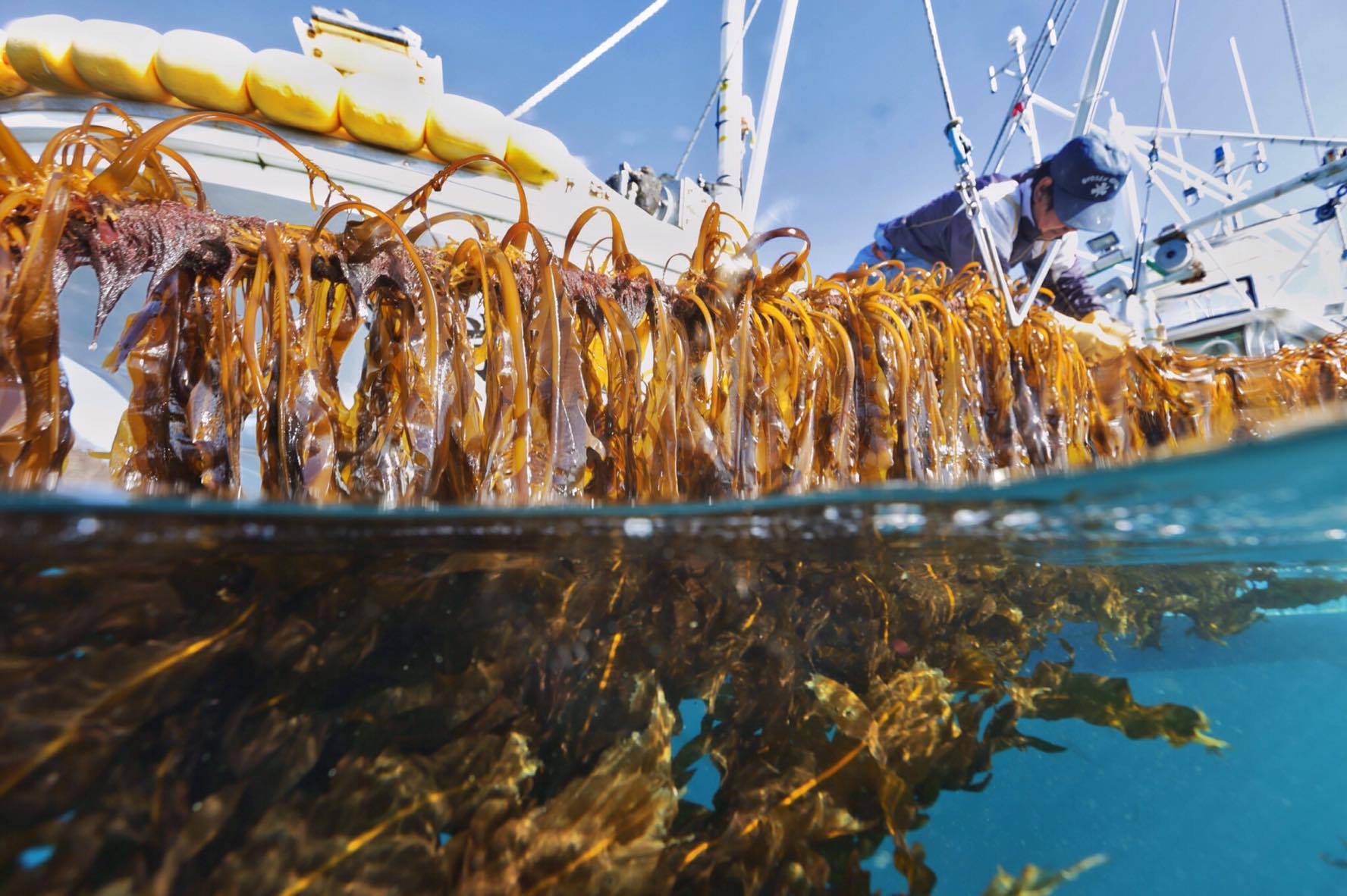
But what does this mean for aquaculture? Many blue carbon projects in Japan focus on seagrass and tidal flats, but there could also be some potential in seaweed, which the Japanese farm extensively and have been consuming for decades. With a strong seaweed sector, Japan is in a unique position and there could be more developments. This month, the country announced that it is recognising seaweed as a carbon sequestering ecosystem and incorporating it into its national carbon emission calculations. This is a hugely significant step, and it feels as though Japan’s current blue carbon projects are the start of a major emerging blue carbon credit market. Success depends on many factors, such as effective engagement with local communities to build trust and transparency, active monitoring and data collection, and a strong presence by companies in the project that they wish to support.
As the Hatch/Idemitsu project continues into 2024, I would love to see other Japanese companies engaging in blue carbon in a similar way. There are still some limitations when it comes to knowledge and information, for example the differing capacities of ecosystems to store carbon, and more communication and research are needed to improve our understanding of blue carbon ecosystems and how they remove carbon dioxide. No doubt, however, big contributions will be made in future to improve the resilience of blue carbon ecosystems and enhance the benefits derived from habitat protection to local communities.
I’m looking forward to seeing how this all develops and the opportunities it will present for those in Japan’s seaweed space.
Credit: Benjamin Jones, UnsplashCredit: Benjamin Jones, UnsplashCredit: Benjamin Jones, UnsplashCredit: Benjamin Jones, UnsplashCredit: UnsplashCredit: Tim Oldenkamp, UnsplashCredit: Oleksandr Sushko, UnsplashCredit: Mac Gaither, Unsplash
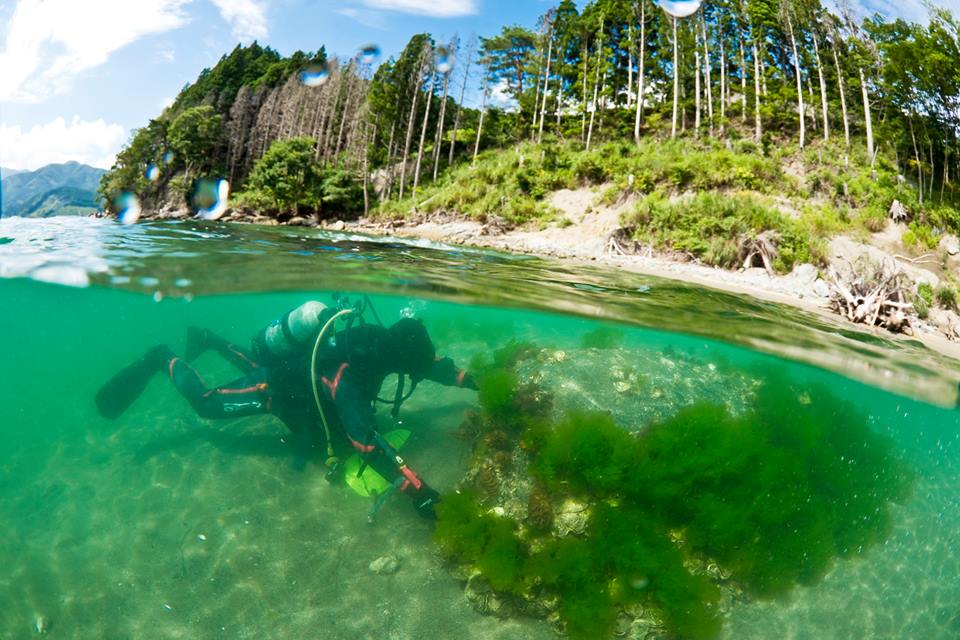
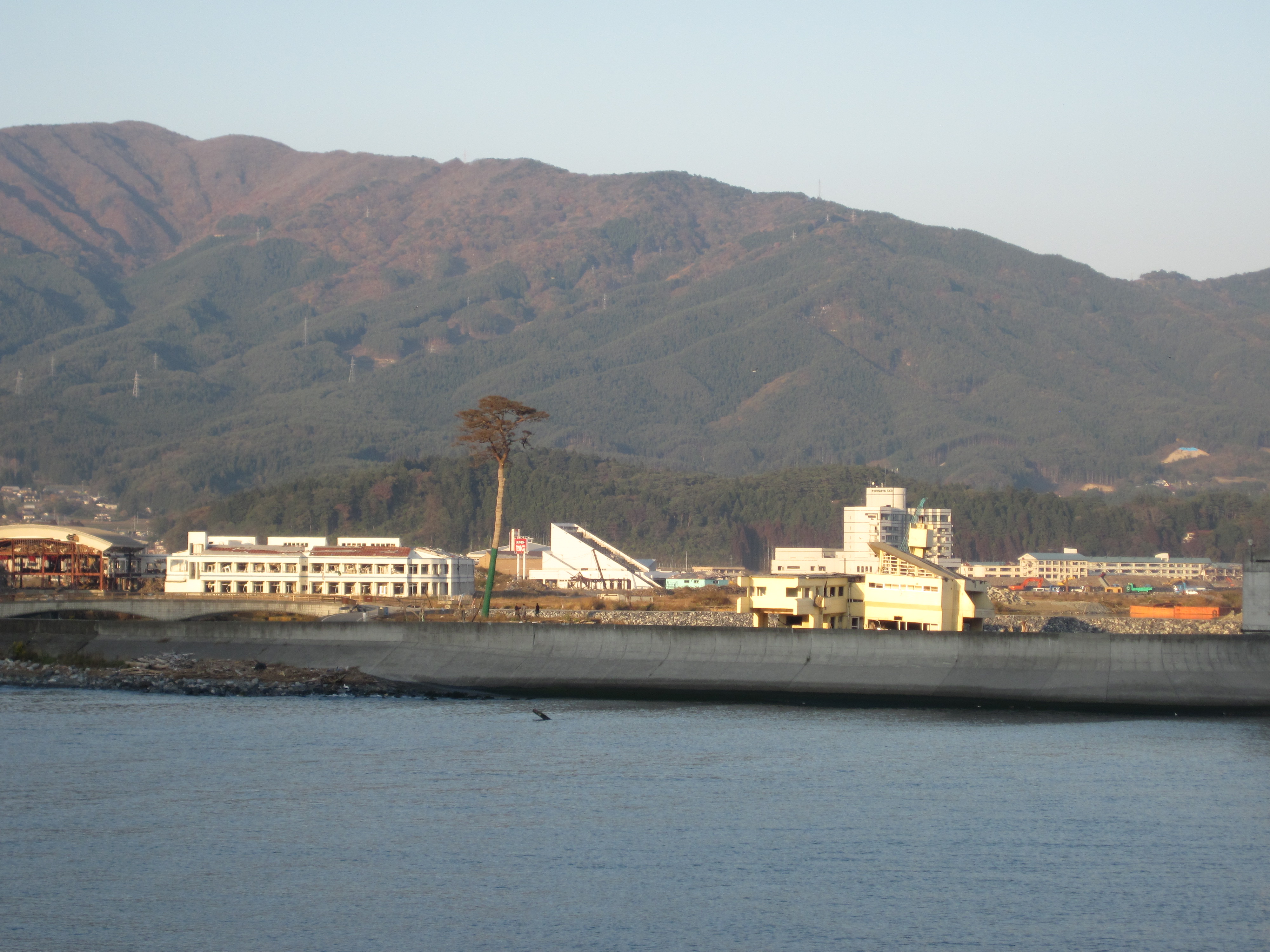
One of my major goals in 2024 is to write my own research paper as a continuation of my MSc thesis on aquaculture recovery in Tohoku, northeast Japan, after the March 11th, 2011 earthquake, tsunami and nuclear disaster. Over the years, I have found that topics such as disaster risk management and aquaculture/fisheries recovery following natural disasters are not highlighted as frequently as others, and there appear to be much less examples from Japan compared to other countries. My aim is to highlight the particular characteristics of Tohoku’s aquaculture and marine environment, describe the disaster’s impacts and how the sector is working towards recovery, to assess whether Japan’s experience could serve as an example of disaster management and help other countries better understand what happened to aquaculture in Tohoku. I hope that the paper will contribute to formulating plans to reduce the risks and impacts of disasters and steer recovery processes on to the fastest track.
Also coming up this year is the Global Seafood Alliance’s Responsible Seafood Summit 2024, which will be held in St Andrews, Scotland, in October. This event is a great opportunity to network, discover new products and solutions and find out the latest in aquaculture and fisheries research. It’s a huge platform for industry, NGOs, academia and more to share knowledge and information and be part of a varied conference programme covering production, sustainability, innovation, market trends and more. I’m looking forward to learning plenty when I return to St Andrews for the first time since my graduation in 2018.
















 bonniewaycott.com