Tag Archives: environment

How ocean farming can coexist with marine biodiversity

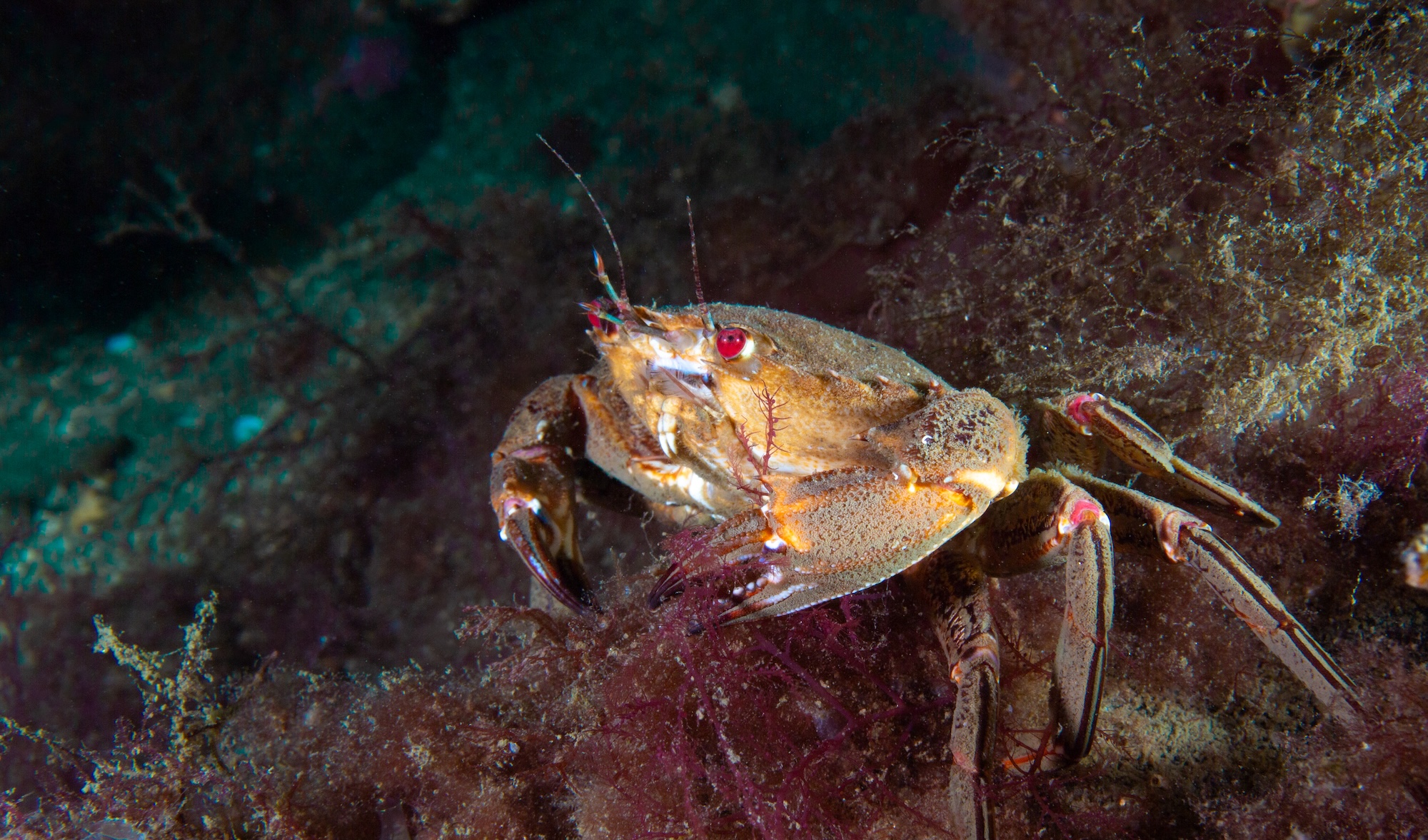
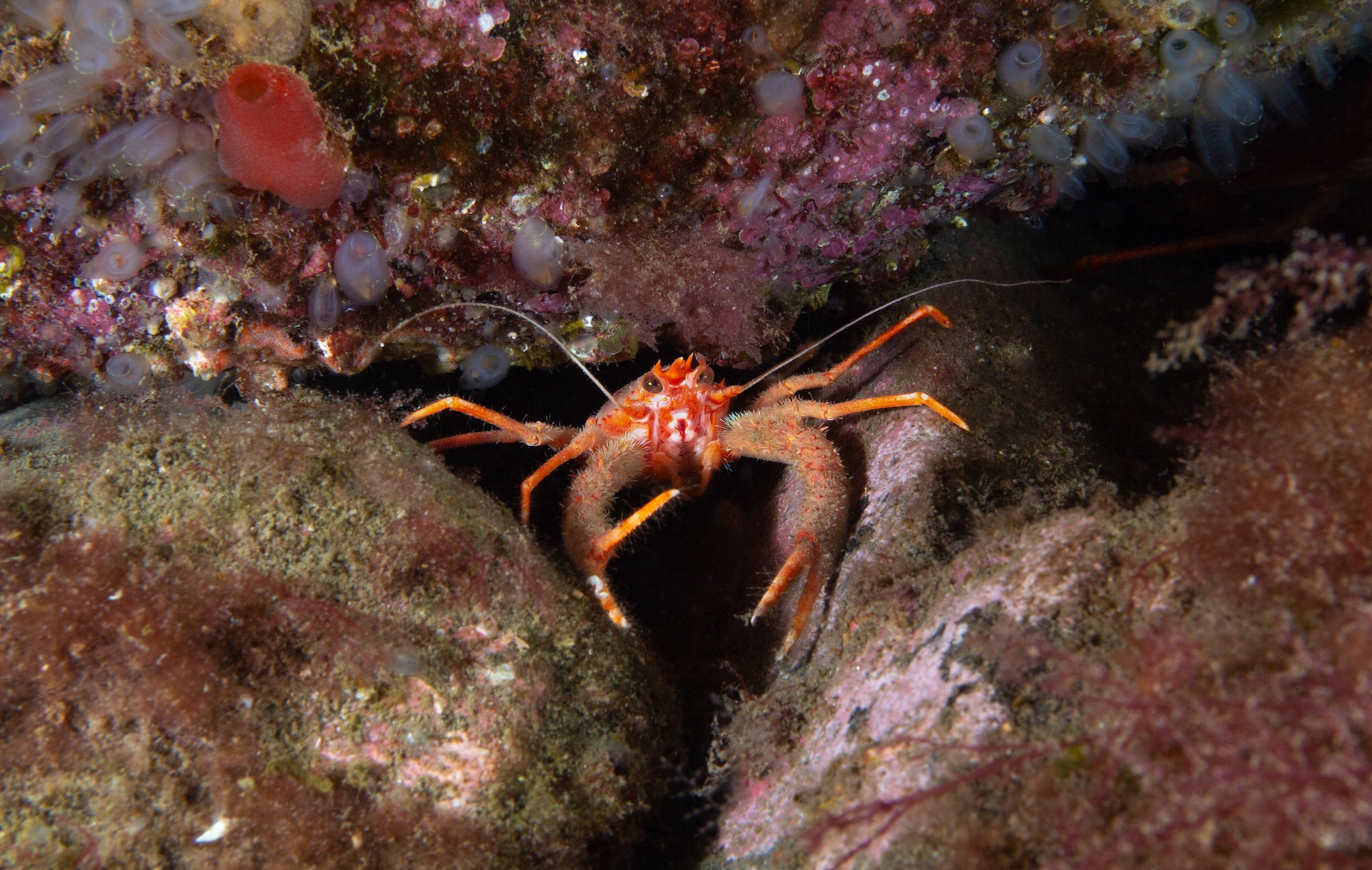
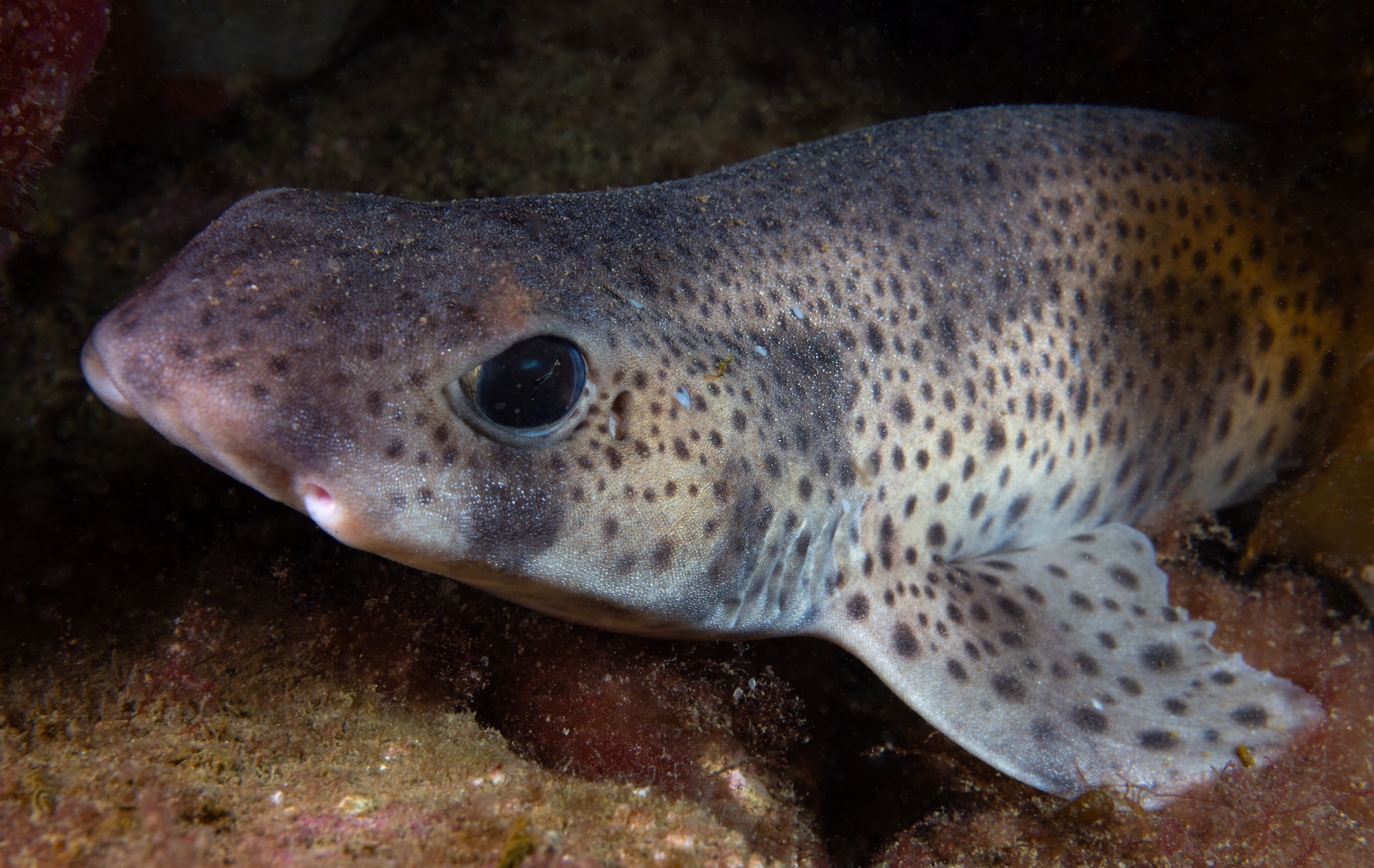
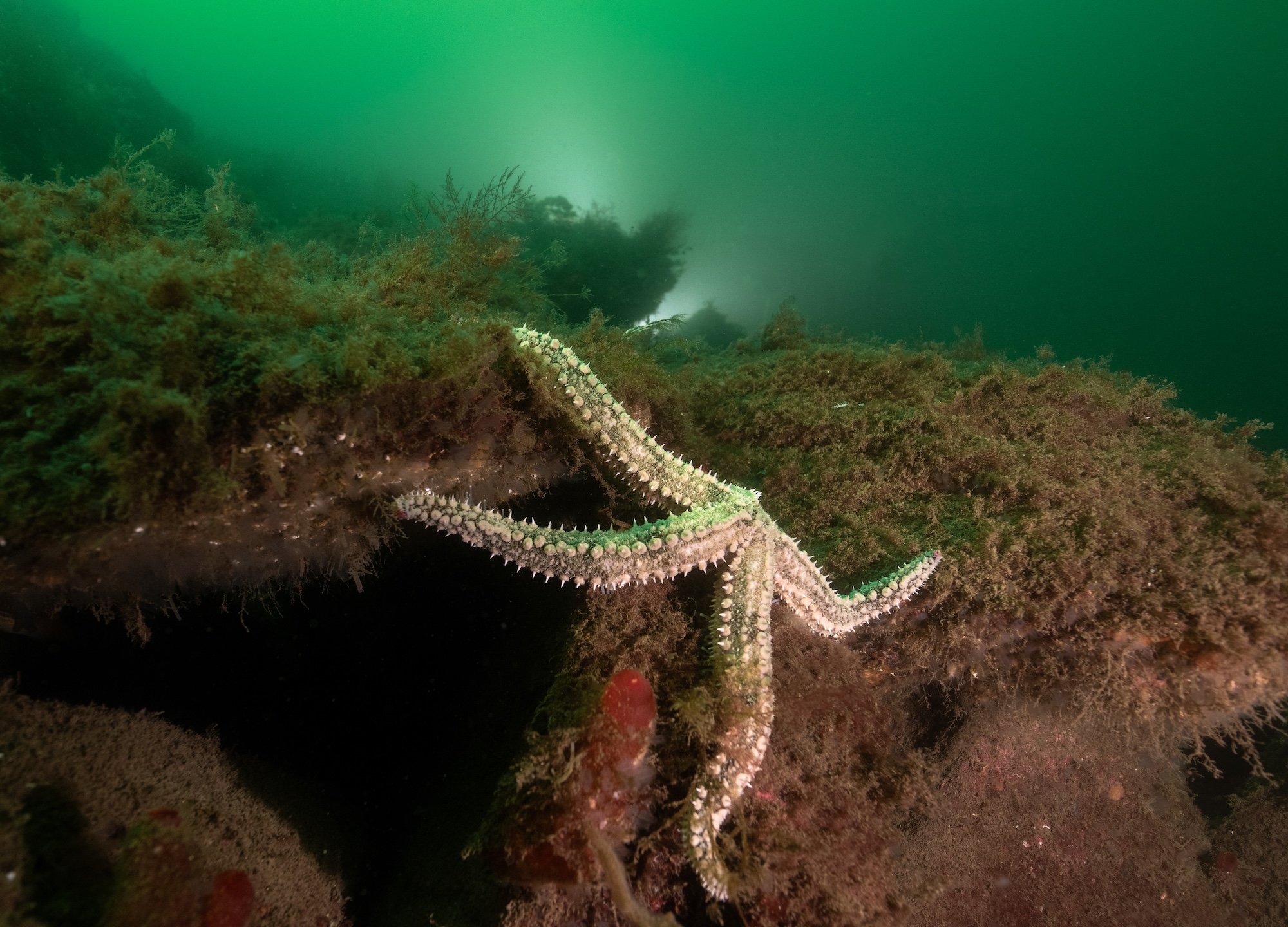
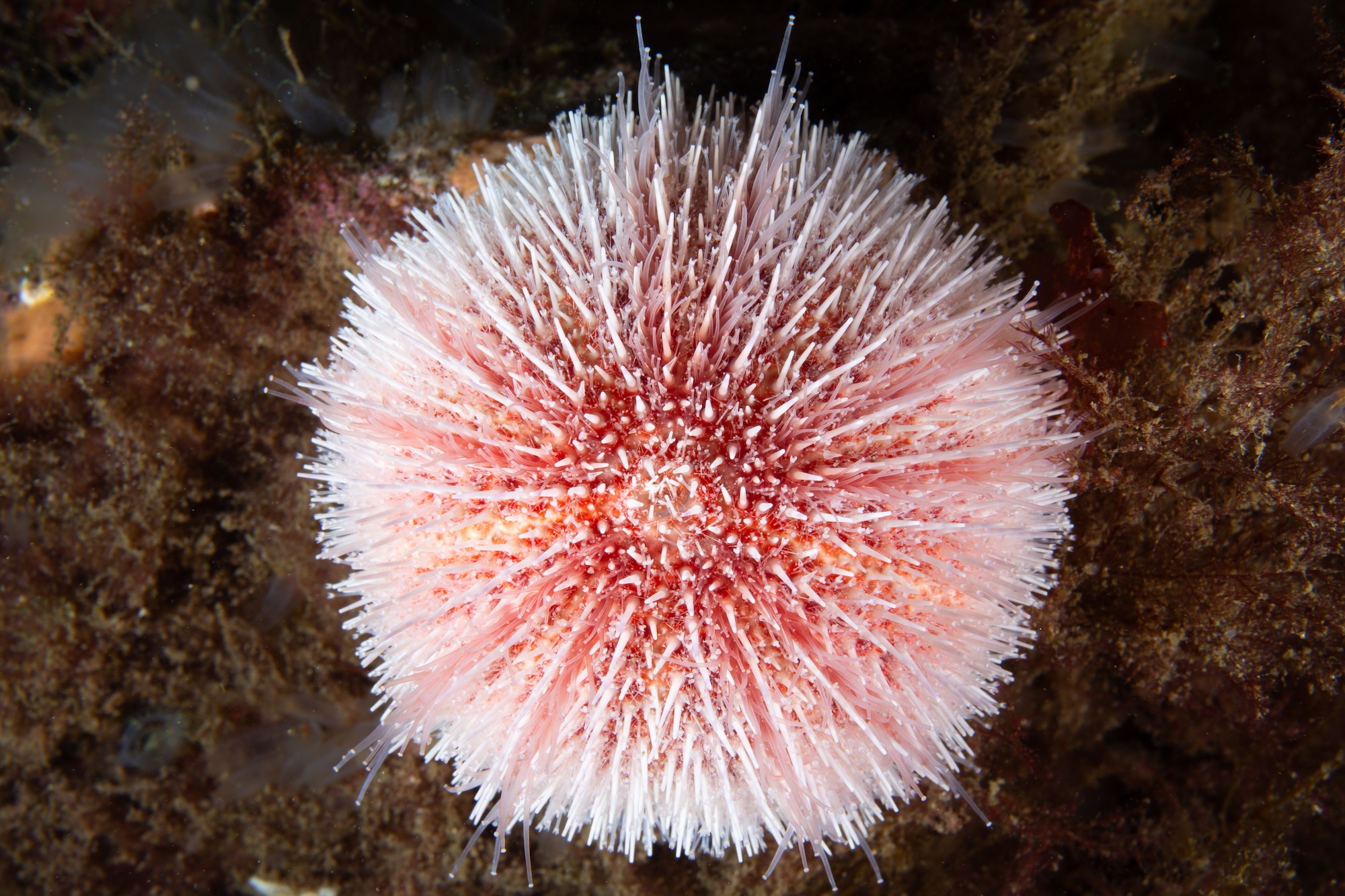
Earlier this month, Mowi Scotland sent me a press release and some underwater photographs taken around its salmon farm at Loch Hourn. The images were taken by a dive team from Tritonia Scientific, an independent marine survey consultancy, after Loch Hourn was the subject of a recent environmental pollution report. They show how a huge range of species is thriving, with the seabed and mooring lines teeming with life from feather stars, kelp and sponges to squirts, jellyfish, wrasse and anemones. 

The press release also included some comments from Stephen MacIntyre, Head of Environment at Mowi Scotland.

“Protecting our marine environment is at the heart of everything we do,” he said. “That’s why we commissioned an independent environmental survey of the seabed and waters around our salmon farm at Loch Hourn.”

“There are a lot of misconceptions around the environmental effects of fish farming, with rush to judge and apportion cause and effect,” he continued.” In response, it’s important we acknowledge such concerns but that we also investigate, monitor and transparently present observational field data to inform more reasoned opinions. At Mowi, we are committed to responsible and sustainable operations that ensure we meet our environmental standards and thresholds. We take any concerns that we are not operating to those standards seriously. When claims were made that our farm was harming the loch, we investigated. The results are clear: salmon farming in Loch Hourn is not damaging the marine ecosystem. In fact, it’s coexisting with it.”

“The photos definitely speak for themselves. This is what responsible fish farming looks like in a well-managed environment,” MacIntyre concluded.

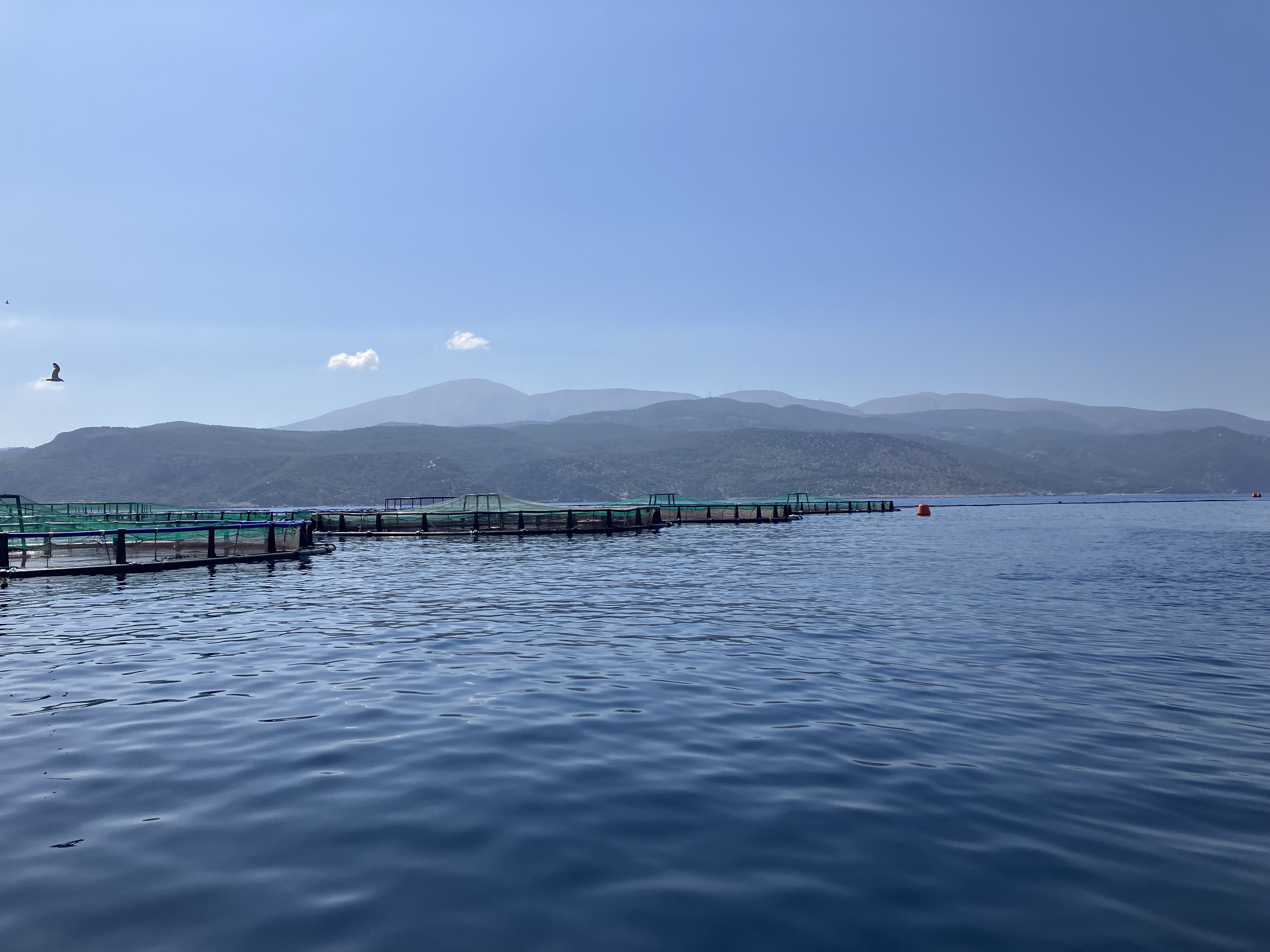
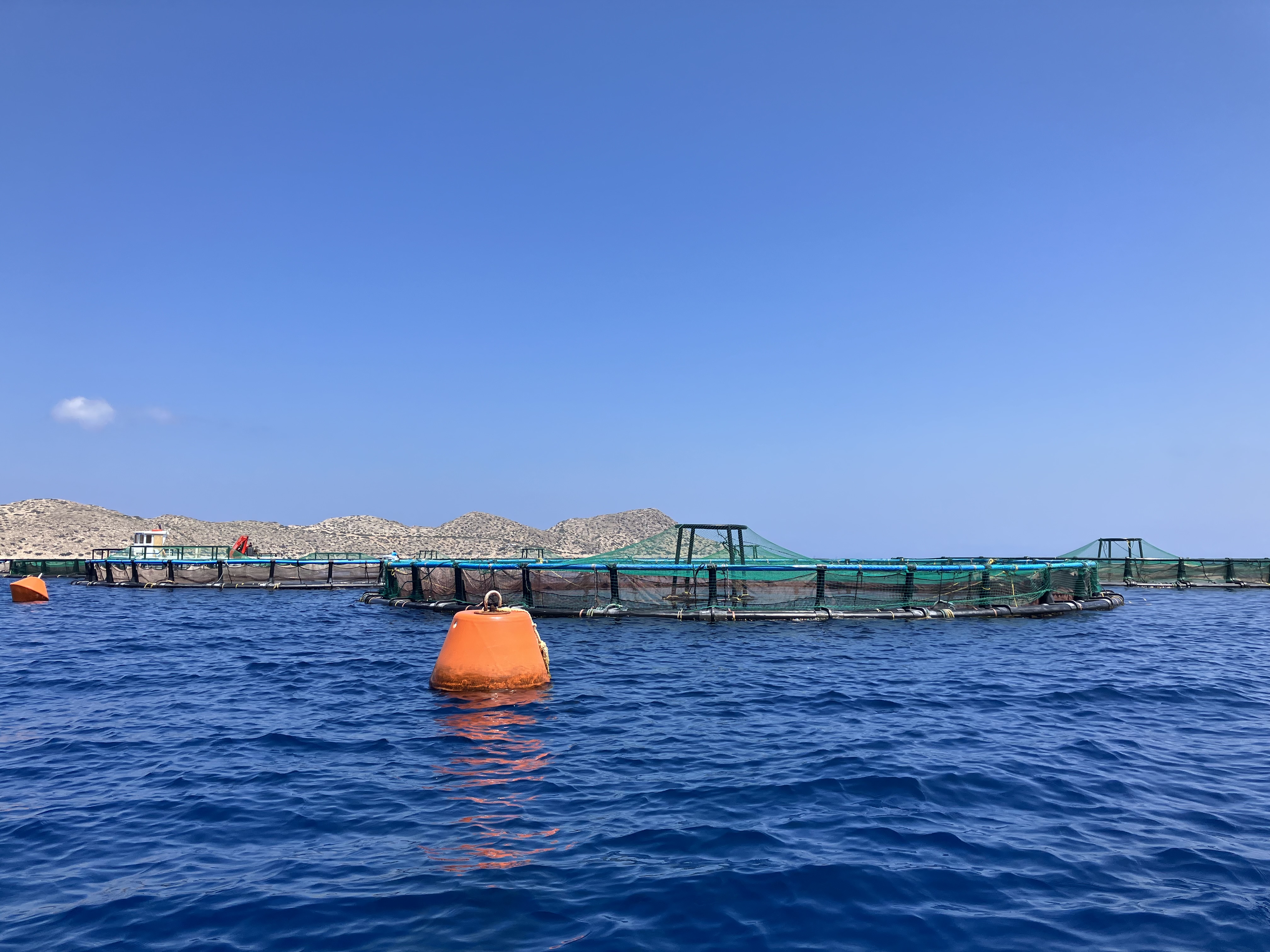
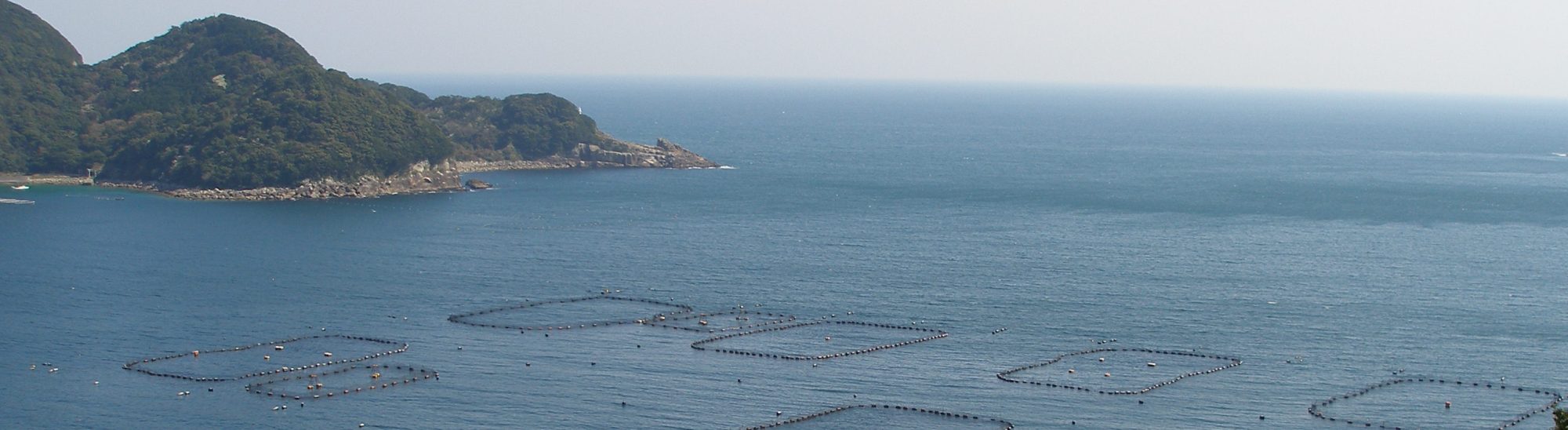
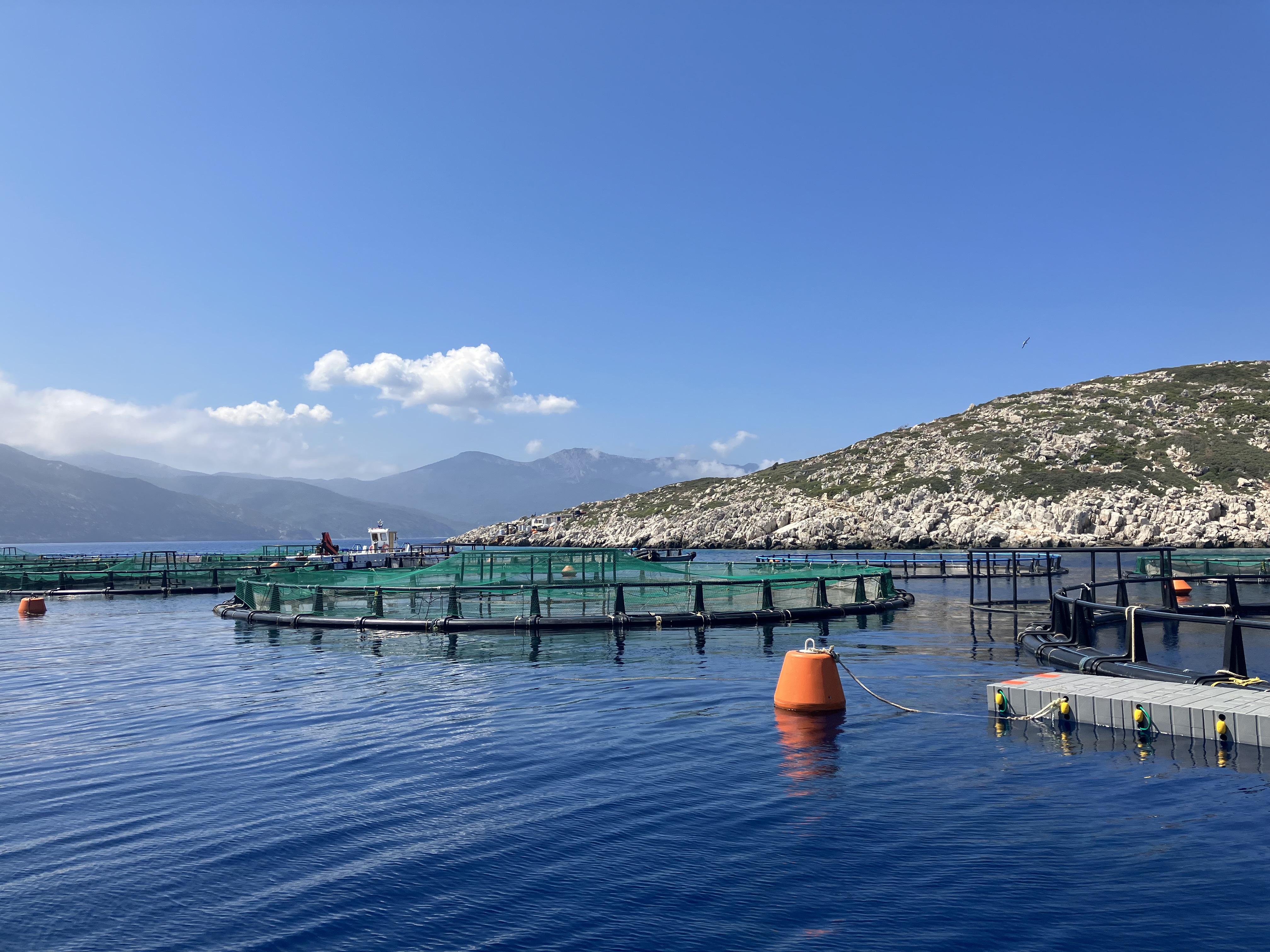
Fish farming is a huge food production sector that contributes to the global economy, food safety and more specifically to rural development in coastal areas where employment opportunities are often limited, e.g. islands. However, with the global push towards sustainable development and blue growth, understanding and addressing the environmental impacts of fish farming is crucial. We often hear about its negative impacts, such as water pollution from the release and accumulation of waste, the transmission of disease, escapes and the use of antibiotics and chemicals. However, when done wisely, fish farming can be part of the solution, slowing or stopping the negative impacts and helping to restore ecosystems. As Mowi Scotland’s photos show, Atlantic salmon and the wider ecosystem in Loch Hourn can flourish side by side. This is just one of many examples of how offshore fish farms can co-exist alongside, and significantly benefit, marine life. 

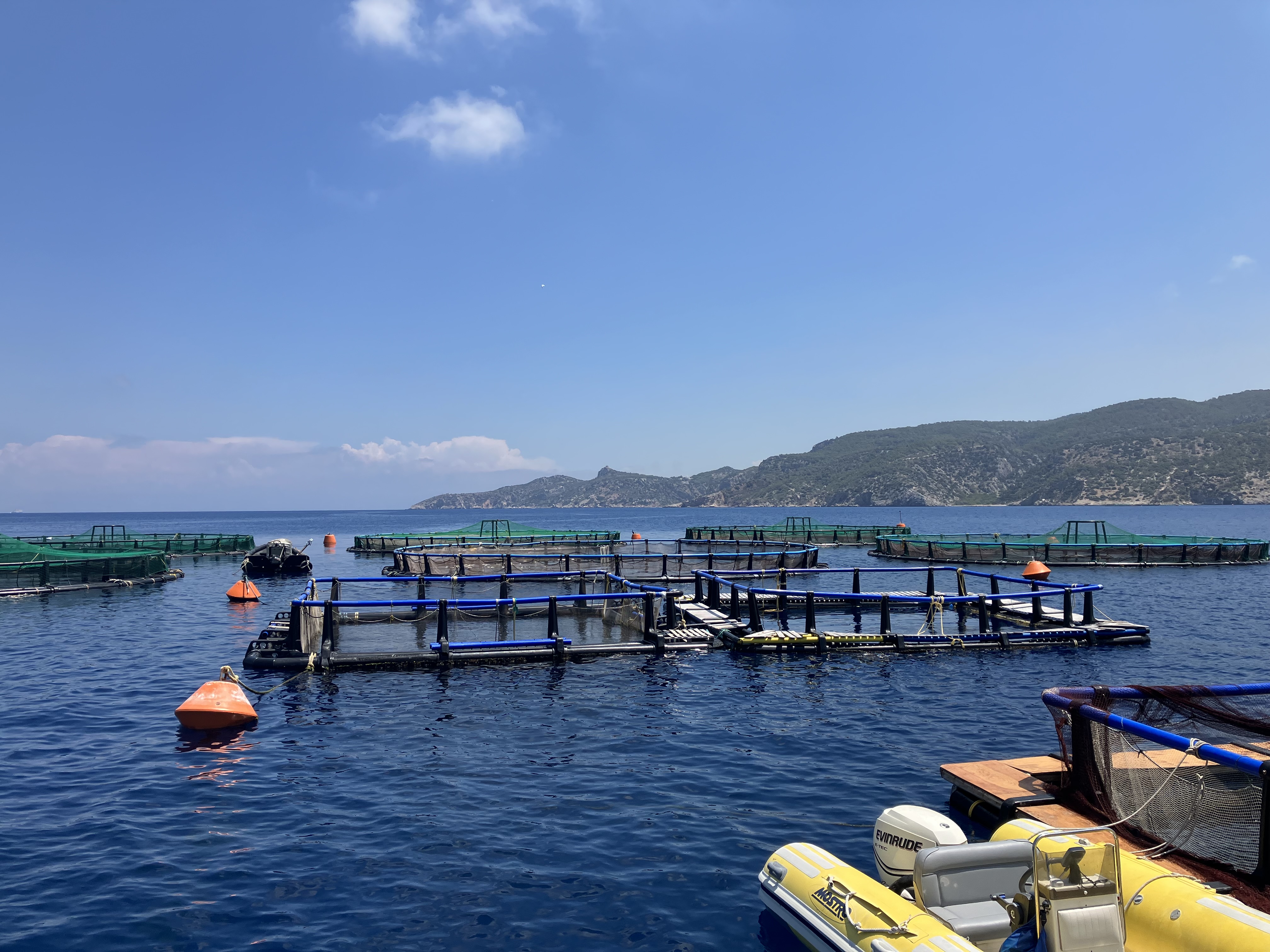
In the Mediterranean, finfish, in particular bluefin tuna farming, is one of the most common types of aquaculture. There, one study confirms the benefits of fish farms to the surrounding marine environment. Researchers at the Institute of Oceanography and Fisheries in Split, Croatia, say that wild fish aggregations near caged farms can persist year-round due to abundant food supplies. Fish are also attracted by additional structures that provide protection and numerous favourable habitats for juveniles. According to the researchers, this impact of aquaculture on marine life can be considered positive as it enables adults to be in good condition for future spawning, while artificial nursery grounds can be provided for juveniles that inhabit areas within aquaculture installations. Considering the fact that each fish farm represents additional nutrient/energy input into the surrounding ecosystem, the role of wild marine biota aggregated around farming sites is also important in preventing local degradation of the environment.

The study concludes by saying that well-balanced, properly managed marine aquaculture operations should not significantly alter the surrounding environment. It adds that identifying potentially suitable areas for fish farming should take into account the ecological, technological, economic and socio-cultural impacts of different locations to avoid any environmental pressures. 

Researchers at the University of Michigan agree that carefully managed farms make it possible to farm more food from the sea while reducing any negative impacts on biodiversity. In order to predict the impact of increased seafood production, the researchers built a model to determine the effect of offshore farms on over 20,000 species of marine fauna, and how this could change by 2050 depending on what was farmed and where. They found that building farms in the most eco-friendly areas led to promising results for both fish and shellfish. Bivalve production could increase by 2.36-fold and finfish production by 1.82-fold compared to current production, while global farming impacts would decrease by up to 30.5 percent under the best-case scenario. The researchers also point to the importance of strategic planning when installing farms and working with experts from various fields who can assess a wide range of considerations.

Shellfish aquaculture is also deemed as having positive effects on the marine environment. Not only is it able to improve water quality by assimilating nutrients from surrounding waters, but it also provides habitats to juvenile fish in areas where oyster reefs, algae ecosystems or seagrass beds have degraded. Compared to fish, shellfish typically do not require any chemical treatments such as high amounts of antibiotics. One of my favourite examples of shellfish farming improving ocean health and biodiversity is mussels. These can be grown on ropes suspended in the water, resulting in little to no habitat disruption. Because they feed naturally by filtering algae and other plankton, they also play a key role in improving the quality of the surrounding water. In addition, by creating biogenic reefs on the seafloor from clumps and shells, it’s possible to attract a range of species from demersal fish to macroalgae and mobile benthic invertebrates. Studies in New Zealand’s Hauraki Gulf also show that mussel farms not only support marine biodiversity but also increase wild fish populations. Research at the University of Auckland has revealed that marine species near mussel farms display greater diversity and abundance. Fish also appear to consume more nutritious diets near farm sites, suggesting that mussel farms can bolster biodiversity and fisheries productivity when implemented in the right locations. 

These examples represent a paradigm shift in farming at sea, transforming it from a potential environmental threat into a tool for increased biodiversity and restoration. As aquaculture expands and we look to the future of sustainable, responsible seafood production, fish and shellfish farming stand out as promising solutions, acting as biodiversity hotspots, nurseries and places of refuge for a variety of species. With continued research and development, they have the potential to make a difference by playing key parts in the production of sustainable protein and contributing to marine conservation objectives. This, in turn, is likely to greatly boost social and economic benefits in certain areas. Hopefully, these efforts will continue and we reach a future where more fish and shellfish farms help restore and protect marine biodiversity while feeding the world.


How aquaculture can restore mangroves

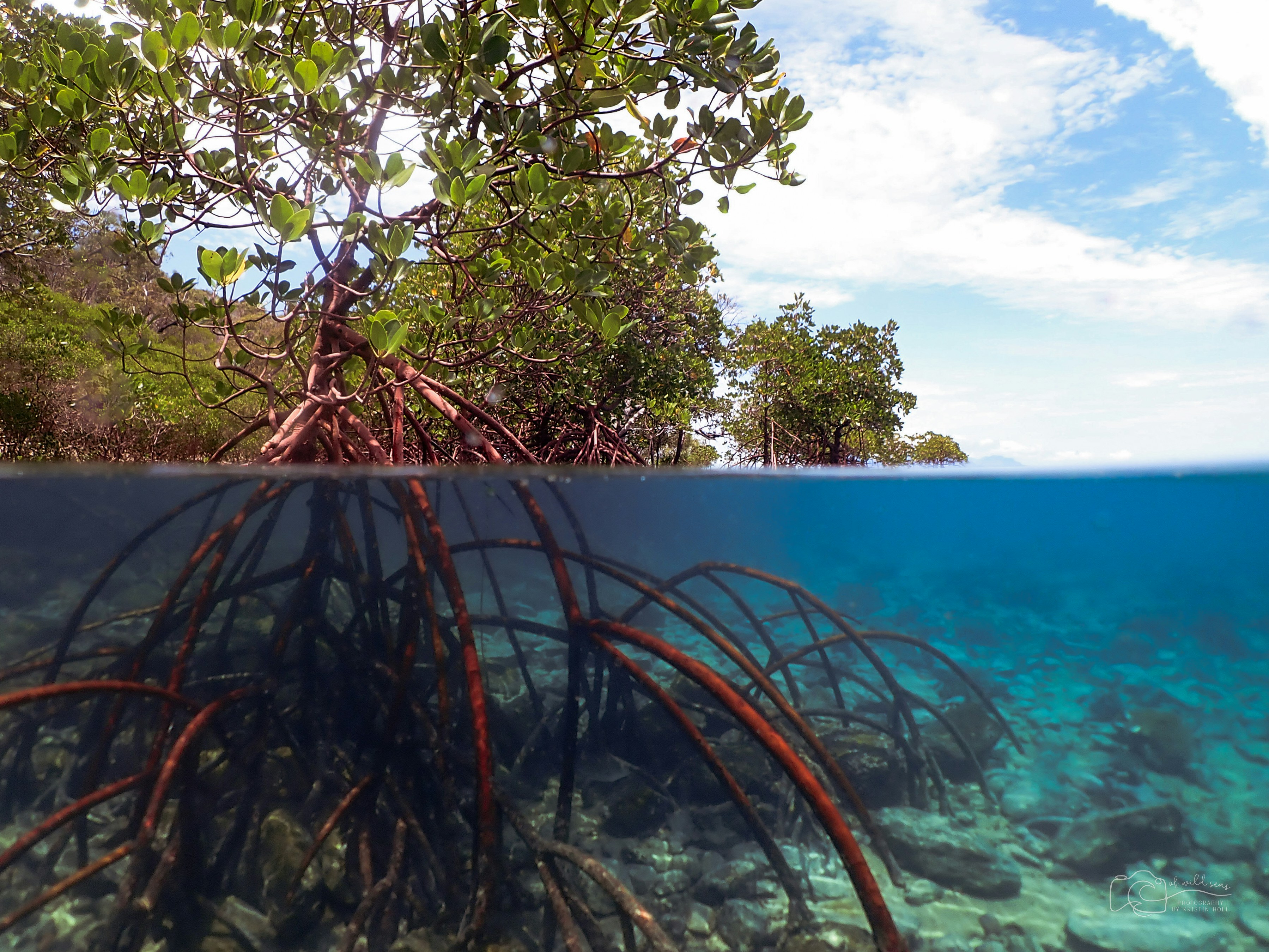
Mangrove forests are one of the world’s most productive ecosystems. They are huge biodiversity hotspots, providing habitats for various species and supporting coastal communities by protecting them from storm surges, erosion and tropical storms. They are also a vast carbon sink that can store up to five times more carbon per acre compared to rainforests. 

However, mangroves have been declining significantly over the years. By the end of the 1990s, global mangrove cover was estimated to have decreased by 35%. This was followed by a further 2.1% (3,363km2) decline between 2000 and 2016. The cause is primarily due to human activity, such as forest clearing and exploitation for timber production and raw materials, rapid coastal population growth, urban expansion and conversion to agriculture and aquaculture. In fact, growing aquaculture development has resulted in swaths of mangroves being converted into shrimp ponds to meet the rising global demand for farmed shrimp. 

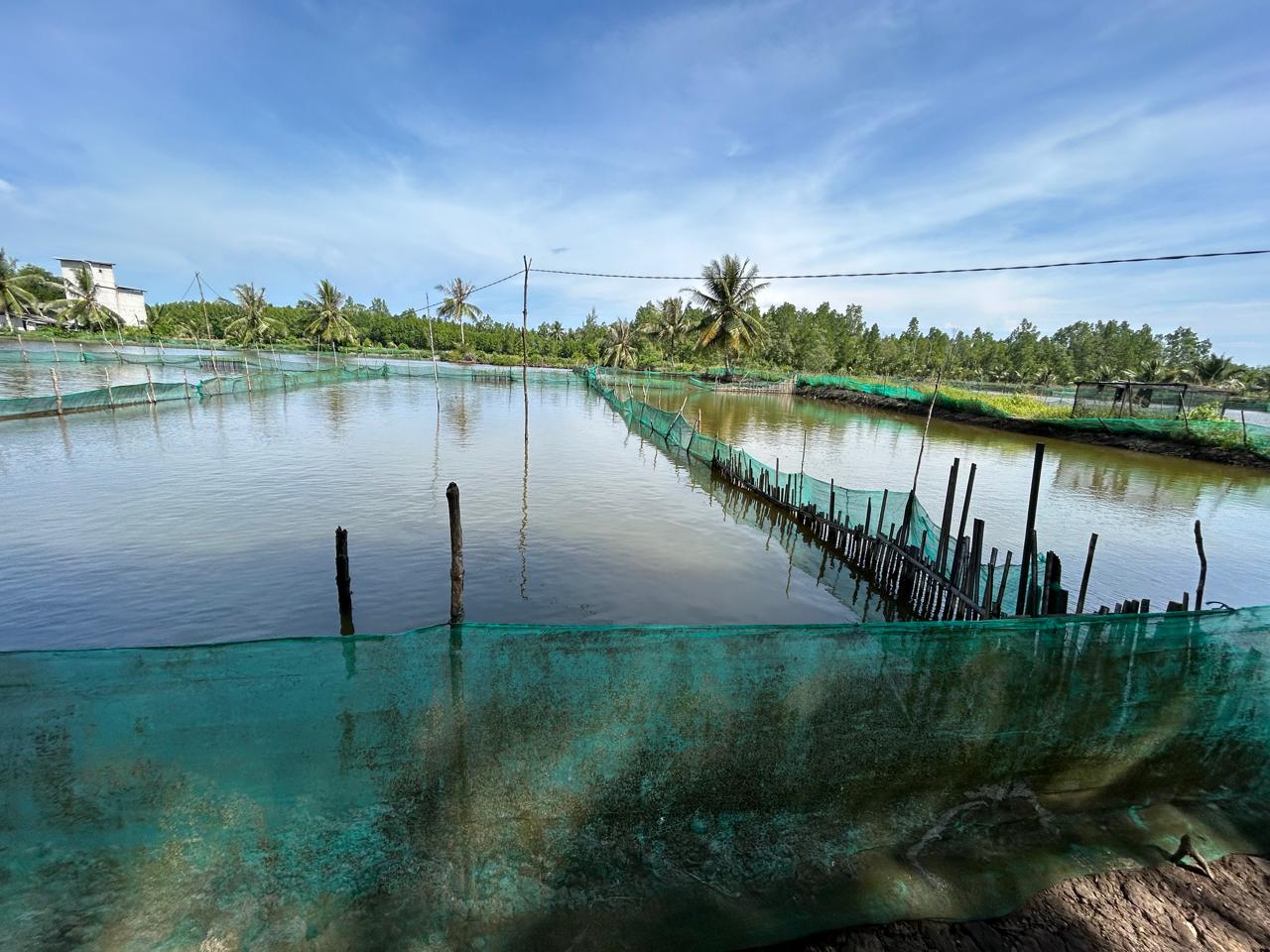
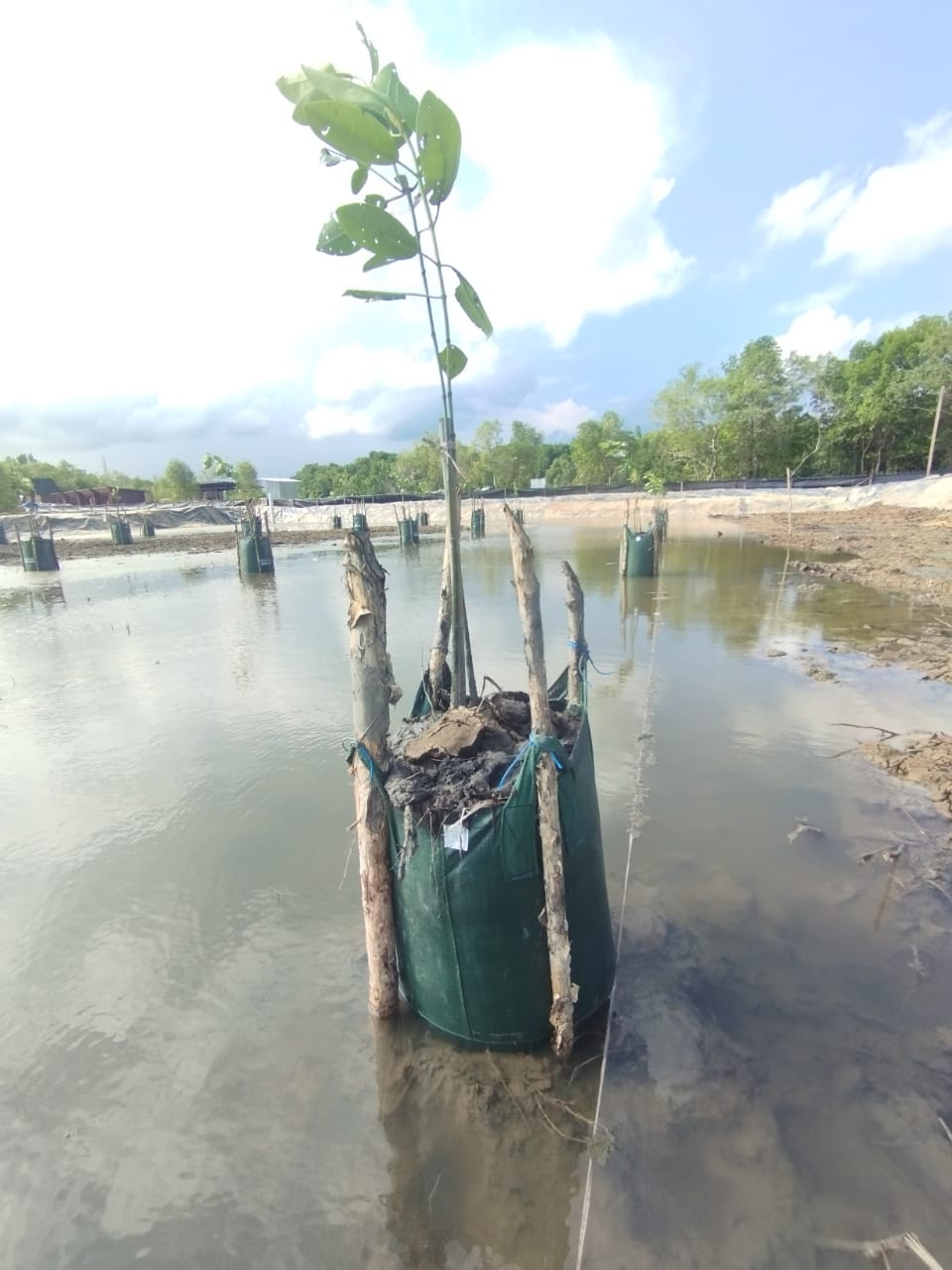
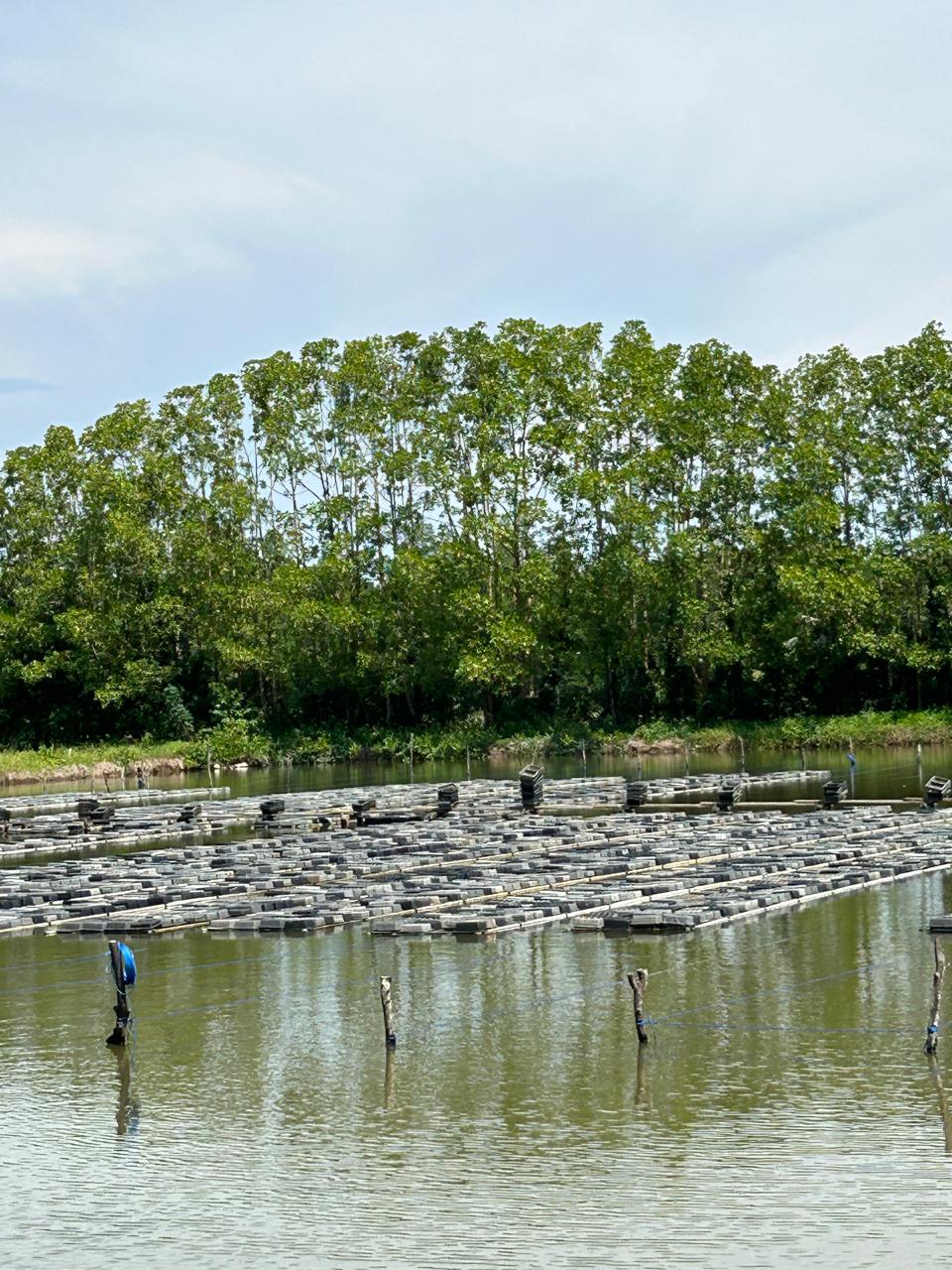
Shrimp farms have long been accused of widespread mangrove destruction, but is this claim a fair one? This month, I took a deep dive into shrimp farming and mangrove deforestation and discovered some good news — that transformation is possible. Many countries, NGOs and private firms are actively looking for better ways to farm shrimp while safeguarding and replanting mangroves. I discovered a range of initiatives to establish tools and frameworks for environmentally responsible shrimp production and the farming of other species. The aim of these initiatives is to plant and restore mangroves through responsible farming, allowing mangrove ecosystems to flourish and provide a host of benefits.


Ecuador and Indonesia are two countries that have experienced rapid mangrove loss over the years. According to the National Coordinating Corporation for the Defence of the Mangrove Ecosystem of Ecuador, more than 70% of mangroves have been destroyed to make way for shrimp ponds. Meanwhile in Indonesia, 800,000 ha have been converted mainly into shrimp ponds over the past 30 years. 

However, shrimp farming in both countries plays a prominent role in global shrimp production and exports. It is also key to supporting small farmers, and this is where Conservation International comes in. This US NPO has developed an approach to farming shrimp that can help boost yields while restoring mangroves. The approach is to take half of a shrimp farm and restore it as a mangrove forest, while helping farmers increase their output on the rest. With pilot programmes in Ecuador and Indonesia, financing and technical expertise are provided to help farmers produce more shrimp, increase profits and restore mangroves. A loan fund is also being set up so that farmers can transition to more efficient production systems, while AI-based tools help to identify optimal sites for mangrove restoration.

Shrimp farming in Indonesia, while economically significant, faces several issues and challenges that have emerged as a result of its rapid development. These include disease outbreaks, massive shrimp mortality and economic losses, and water quality degradation due to the accumulation of organic matter and other pollutants in pond water and surrounding areas. In light of this, researchers are studying a mangrove-friendly shrimp farming model called silvo-fishery, which brings shrimp farming and mangrove restoration together in a low-intensity manner. The idea is to reduce environmental impacts, preserve biodiversity, and enhance carbon sequestration. According to Esti Handayani Hardi, professor at the Faculty of Fisheries and Marine Sciences at Mulawarman University, the practice promotes a more responsible and productive system by enhancing the natural ecosystem and improving livelihoods. She says that it offers a “win-win scenario” for more effective and sustainable mangrove rehabilitation and shrimp farming.

India, too, has been accused of mangrove destruction through its expansion of shrimp farming, especially along the east coast. But the country is dedicating extensive research, money and time into finding better ways to farm shrimp while increasing mangrove replanting efforts. The Swaminathan Foundation is a research institution in Chennai with a focus on sustainable rural development. Since 1993, it’s been working in Tamil Nadu, Andhra Pradesh, and Odisha on the east coast, where the majority of India’s shrimp farms are concentrated, and where shrimp farms and mangroves have long competed for scarce land along coastal creeks and riversides. Meanwhile, under a new initiative in the Sundarbans called Sustainable Aquaculture in Mangrove Ecosystem (SAIME), farmers are rearing black tiger shrimp. The aim of the project is to establish a model to demonstrate biodiversity-friendly aquaculture that will build a resilient ecosystem, and identify the extent to which blue carbon emissions associated with brackish water aquaculture could be reduced by integrating mangroves into shrimp farms. 


It was also encouraging to hear that other types of aquaculture are doing their part, too. Back in May, I chatted to Megan Sorby, Co-Founder and CEO of Pine Island Redfish, a redfish farm in Florida that’s created a sustainable, circular food system with fish waste. The farm’s recirculating aquaculture system (RAS) produces redfish and repurposes fish waste to cultivate red mangroves and nutrient-rich plants, such as sea purslane and barilla. After discovering that the nutrient profile of the waste from their farm is ideal for growing mangroves, Sorby and her team joined forces with an environmental apparel company to do their part. They collect mangrove seeds, which are nurtured in Pine Island Redfish’s nursery spaces, and transplant them along the west coast of Florida. 

“We can monitor and manage the waste nutrients that go into the mangroves very effectively, in other words fine-tune the waste to ensure that the mangroves grow in the most efficient way,” Sorby told me. “It’s very powerful to be able to say that we are using waste from farming redfish to grow plants that act as a nursery for juvenile redfish in the wild.” 

These initiatives prove that systemic transformation is possible, and it’s great to see positive trends that could act as examples for other species and regions that are facing similar challenges. Through efforts to protect ecosystems like mangroves, people in coastal regions can safeguard their natural resources and livelihoods, while such efforts also contribute to other areas like emissions reductions and blue carbon. Supporting these types of initiative is imperative for creating long-term, responsible solutions that contribute to even better farming and environmental conservation. 


Looking Back on Ocean

Since its release in May 2025, Sir David Attenborough’s new documentary, Ocean, has been generating discussions on a host of issues related to the plight of our seas. After watching it myself, I can see why it’s provoked such a significant response. It’s a celebration of marine life and a stark reminder of the threats facing the ocean today.

The aims of Ocean are clear – to protect the seas and send a message of hope. The documentary does an impressive job of demonstrating how almost every marine ecosystem is capable of regenerating in months or years. The messaging on the ocean’s resilience, capability for abundance and capacity to bounce back is encouraging. Ocean is also beautifully shot, with incredible scenes of kelp forests, coral reefs and brutal images of bycatch. Like many of Attenborough’s documentaries, I really enjoyed this footage, which captures the beauty and rich diversity of the seas so well while describing the far-reaching effects of losing both and the importance of taking steps to move in the right direction. Attenborough also says that knowledge is important for change. Ocean offers viewers a lot of important information that gives them plenty to think about and discuss.

One issue that the documentary hones in on is the destruction caused by bottom trawling. Footage of the practice and its effects are shocking. There is also a focus on scallop dredging and bycatch-heavy hauls where the bycatch is simply discarded. It’s a dark visual representation of commercial fishing, and the message behind it is powerful. As discussions over the documentary continue, there will undoubtedly be significant impacts on consumer trust towards seafood and public perceptions of commercial fishing.

There is no doubt that this kind of destruction needs to be highlighted, and Ocean raises key questions about how certain fishing methods are carried out and where they occur. However, the portrayal of bottom trawling and scallop dredging could benefit from additional context, and it was a shame that no fishermen or fisheries scientists were featured. Ocean makes many important points about the need to protect the sea and its fish stocks, and the debate around marine protection is essential. However, there was no mention of the people who work on fishing vessels every day or an introduction to the latest research by fisheries scientists. There was also no mention of the many important advances in sustainable fisheries management and fishing practices that are happening today. Through my work, I have come across an array of efforts from seasonal closures, gear modifications, gear that is designed to reduce seabed contact or minimise bycatch, monitoring systems on board vessels, and the use of AI to ensure that the ocean and its inhabitants are free from dangerous items like ghost gear. These are all evidence of a strong commitment to try and improve sustainability and establish well-managed fisheries. 

The UK public body Seafish says that in the UK, bottom trawling is managed as part of a broader fisheries management framework to ensure that impacts on fish stocks and marine ecosystems are avoided, mitigated or remedied. Seafish offers information on temporary, seasonal or permanent closures of fishing areas if there are concerns over marine conservation, and highlights the role of trawl fisheries in supporting coastal communities and fishing on grounds that have been fished for generations. Earlier this month, the UK also outlined plans to ban bottom trawling in more Marine Protected Areas (MPAs) to protect habitats and support important marine species such as lobster, clams and langoustine. Meanwhile,  The International Council for the Exploration of the Sea (ICES) also monitors bottom trawling worldwide and publishes independent assessments of the impact on seabed habitats. 

The UK is also aware of the issues surrounding scallop dredging and is working towards better management in this fishery. Two years ago, consultations were held on a king scallop fisheries management plan in England and Wales. Stakeholders discussed the introduction of dredge restrictions to protect scallop stocks, reduce any impact on the seabed and other marine species, and ensure the scallop industry’s future economic security. There was also a desire for king scallop stocks to be better understood, to identify interactions with the wider marine environment.

Professor Ray Hilborn, a marine biologist and fisheries scientist at the University of Washington, shared his opinion on Ocean in his latest newsletter, which I read after viewing the documentary. He pointed out that although unregulated fishing is a threat to marine ecosystems, so too are climate change, pollutants, plastics and terrestrial runoff of nutrients. He also explained that bottom trawling occurs only in a small portion of the global ocean, almost exclusively confined to continental shelves, and in countries with the largest amount of continental shelf — Russia, Canada, the USA, Australia and the Antarctic – the proportion of area trawled is very small. Most bottom trawling also occurs over more resilient environments such as sand, mud and gravel, he said, rather than more sensitive areas such as deep-sea coral or sponge beds. In fact, research shows that benthic communities in more resilient environments recover quickly, especially when trawling is well-managed. 

Hilborn concluded by stating that fishing of all forms, including trawling, can be done sustainably, ensuring food production for future generations. 

The UK and US are just two tiny examples of awareness towards the negative impacts of bottom trawling and scallop dredging. There are many more examples and viewpoints, and other nations are pursuing their own measures and working towards global agreements on marine conservation. This is more important than ever in light of this year’s UN Ocean Conference.

It’s worth highlighting that Ocean doesn’t say that commercial fishing as a whole is bad. The documentary is beautiful but devastating, and a reminder to all of us in the seafood sector, whether it’s fisheries or aquaculture, to think further about how we can take even more effective steps than the ones we are taking now. It’s exciting to see, once again, the attention given to critical issues that the ocean is facing. But at the same time, it’s important to remember that scientists, the fishing industry and more have been working hard for many years to improve fisheries and build something more sustainable. Like SeaspiracyOcean is a great opportunity for healthy, open discussions on fisheries, regulation and environmental protection, where all stakeholders can come together in a collaborative way.


A Look Back at Bergen: North Atlantic Seafood Forum 2025

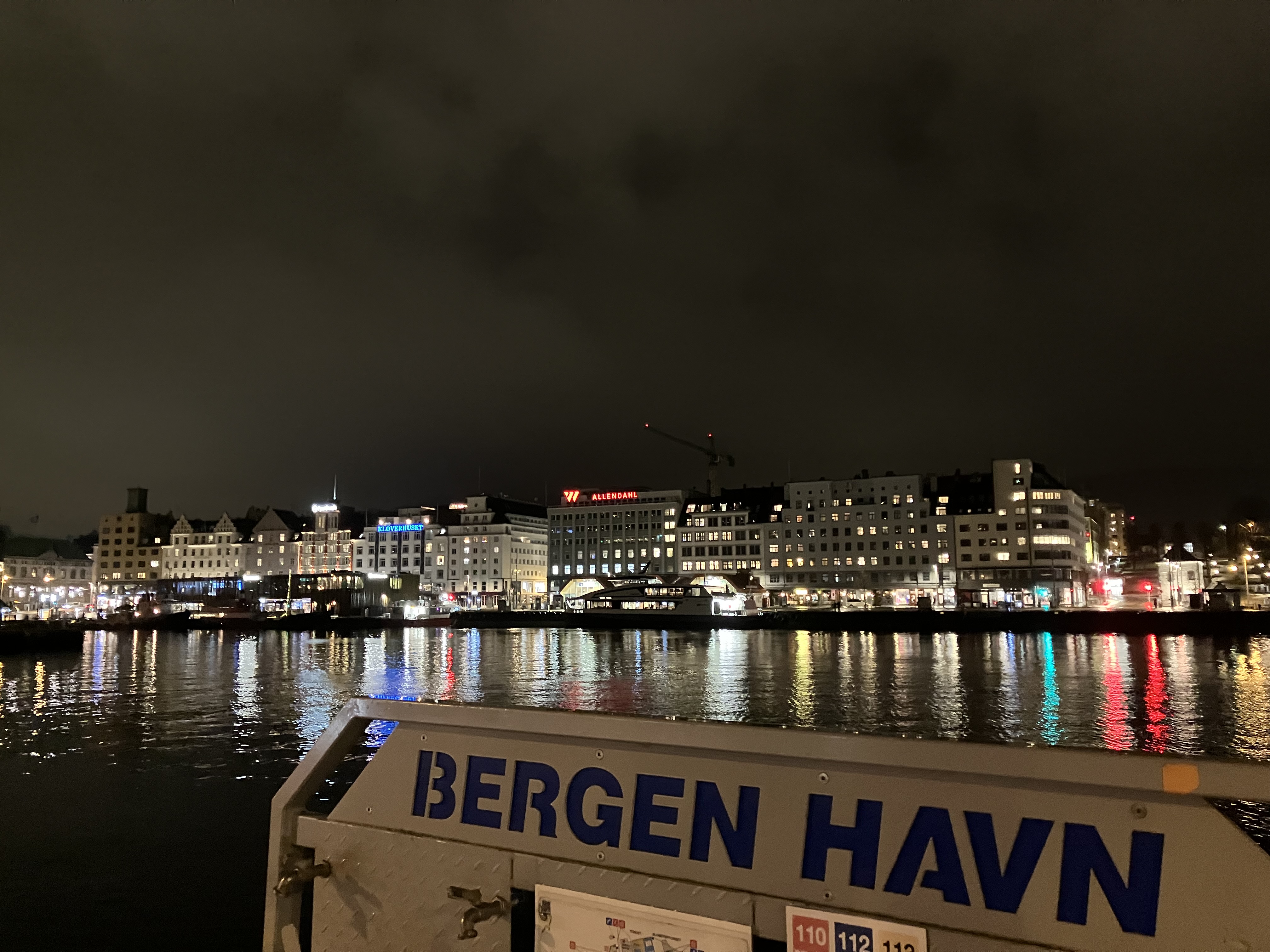
Earlier this month, over 1,000 people gathered for the annual North Atlantic Seafood Forum in Bergen, Norway. With participants from 32 countries, five continents, and nearly 400 organisations, the conference involved three days of discussions, networking and industry insights. Key issues in salmon farming were discussed as part of a packed programme that also included a networking evening reception. 

I had a great time catching up with familiar faces, making new connections and enjoying the presentations. Bringing together leading experts and important policymakers, the conference highlighted vital developments shaping the future of salmon farming and provided insights on a range of subjects from technology and AI to feed ingredients, markets and challenges. It was an opportunity to gain a valuable perspective on innovation and commercial development in the salmon sector, and increase understanding of the financial and economic issues affecting markets today. 


Cage Talk 
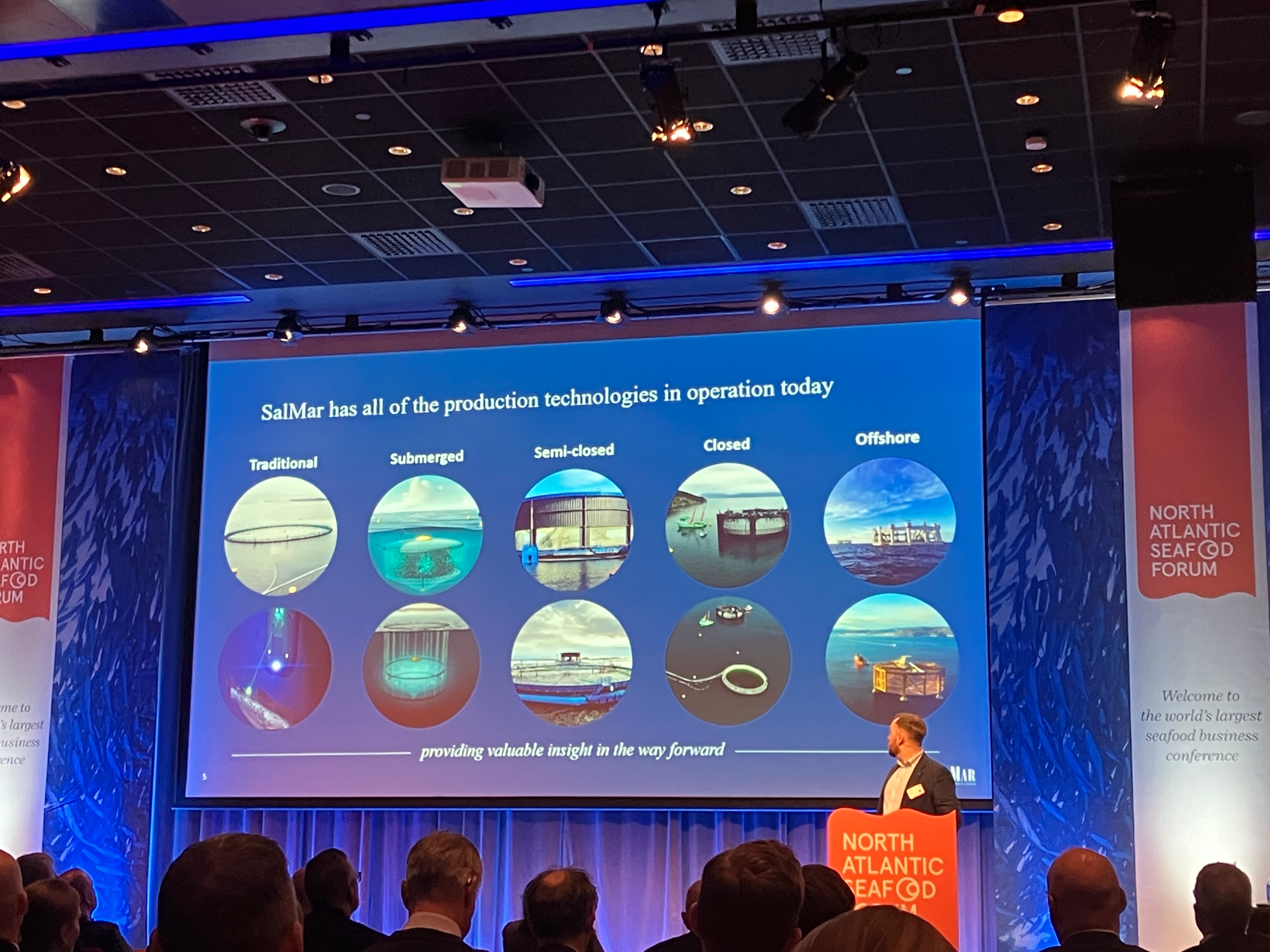
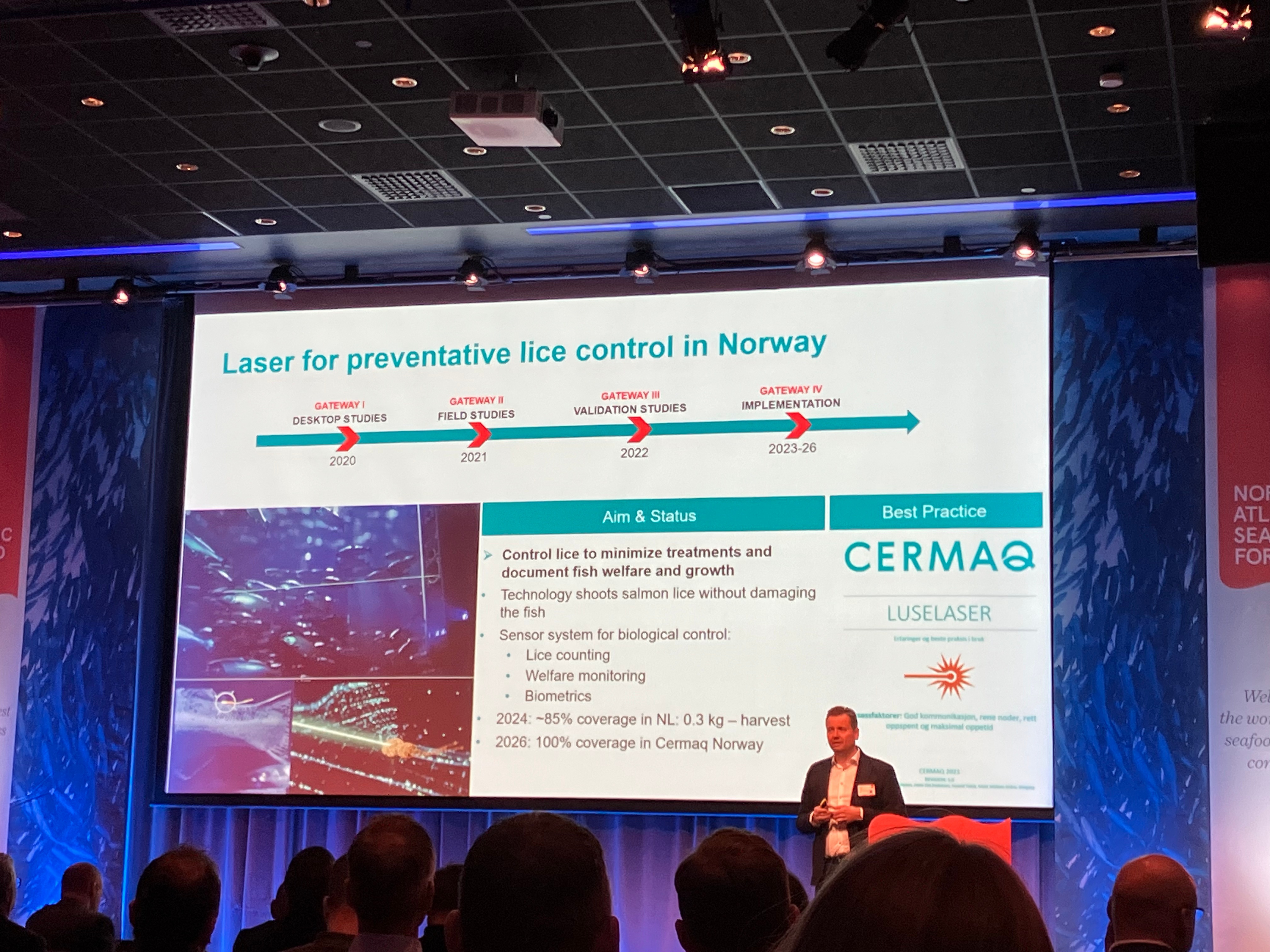
The first day of the conference looked at addressing the challenges of farming salmon at sea through technology, best practices and innovation. The Cage Talk session first discussed the importance of rearing smolt on land for longer to reduce the amount of time the fish spend at sea. This has an array of advantages, according to Oyvind Oaland, chief of farming operations at seafood firm Mowi in Norway and Iceland. He explained that as a result, sea lice treatments can be reduced and site capacity and survival can increase. During a presentation from salmon farming company Cermaq, Harald Tackle introduced the company’s use of 50m-deep skirts in Tofino, Canada, to address sea lice, and the use of laser technology on salmon farms in Norway to control sea lice and reduce the need for treatment. 

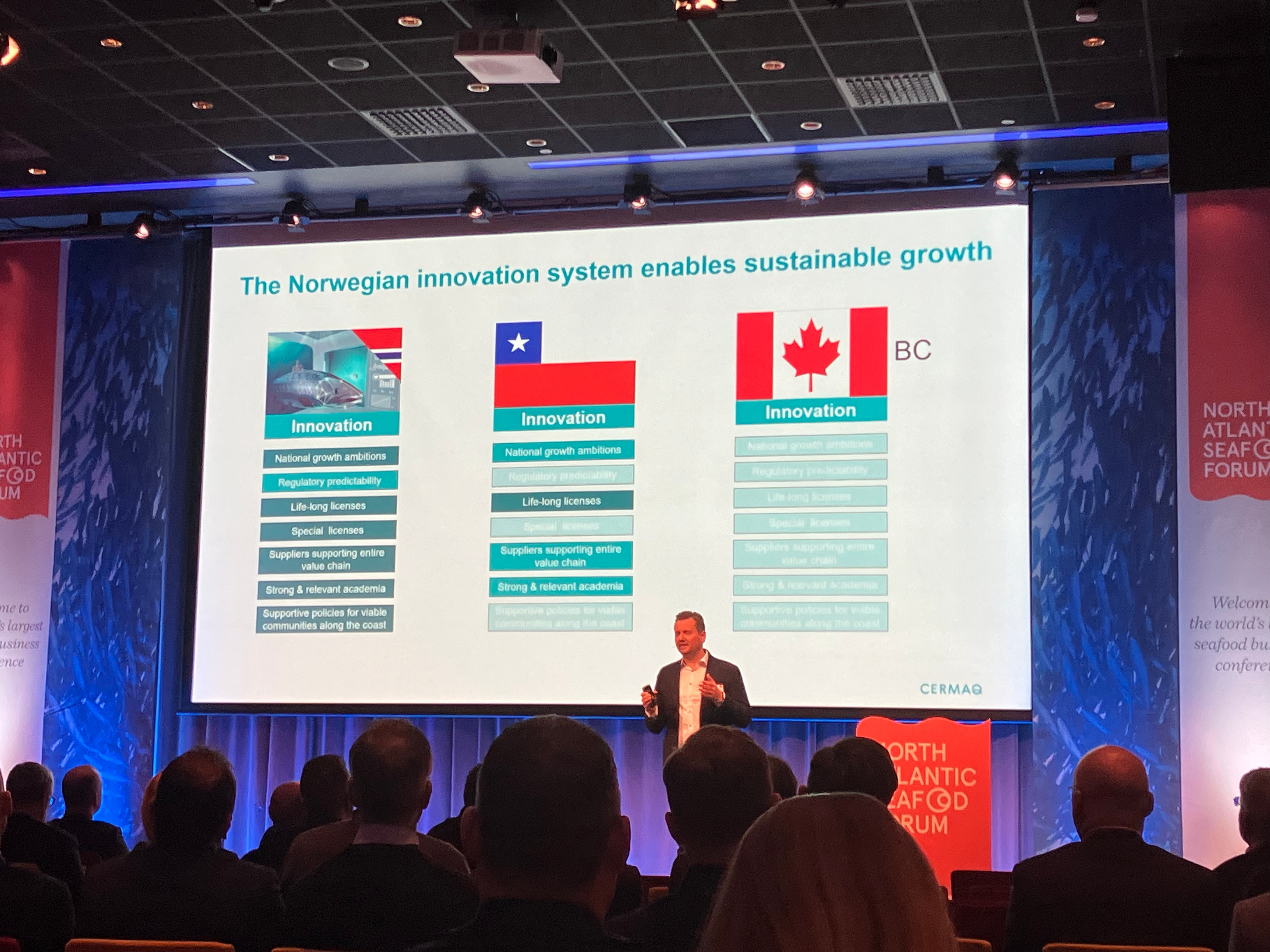
During this session, and indeed throughout the entire conference, the word collaboration featured prominently. The salmon sector needs to work closely with authorities to establish further regulations towards sustainable growth, and work with academia and researchers to develop science-based, objective knowledge and information to address key challenges. Skilled engineers are also important to drive ocean innovation systems that can support growth. The salmon sector has many stakeholders with their own expertise who can contribute across the value chain, streamlining operations, reducing environmental impact or ensuring good living conditions for fish. Collaboration between stakeholders can drive these positive steps, allowing the industry to grow and improving other areas, including consumers’ access to sustainable seafood options.

Focus on Feed
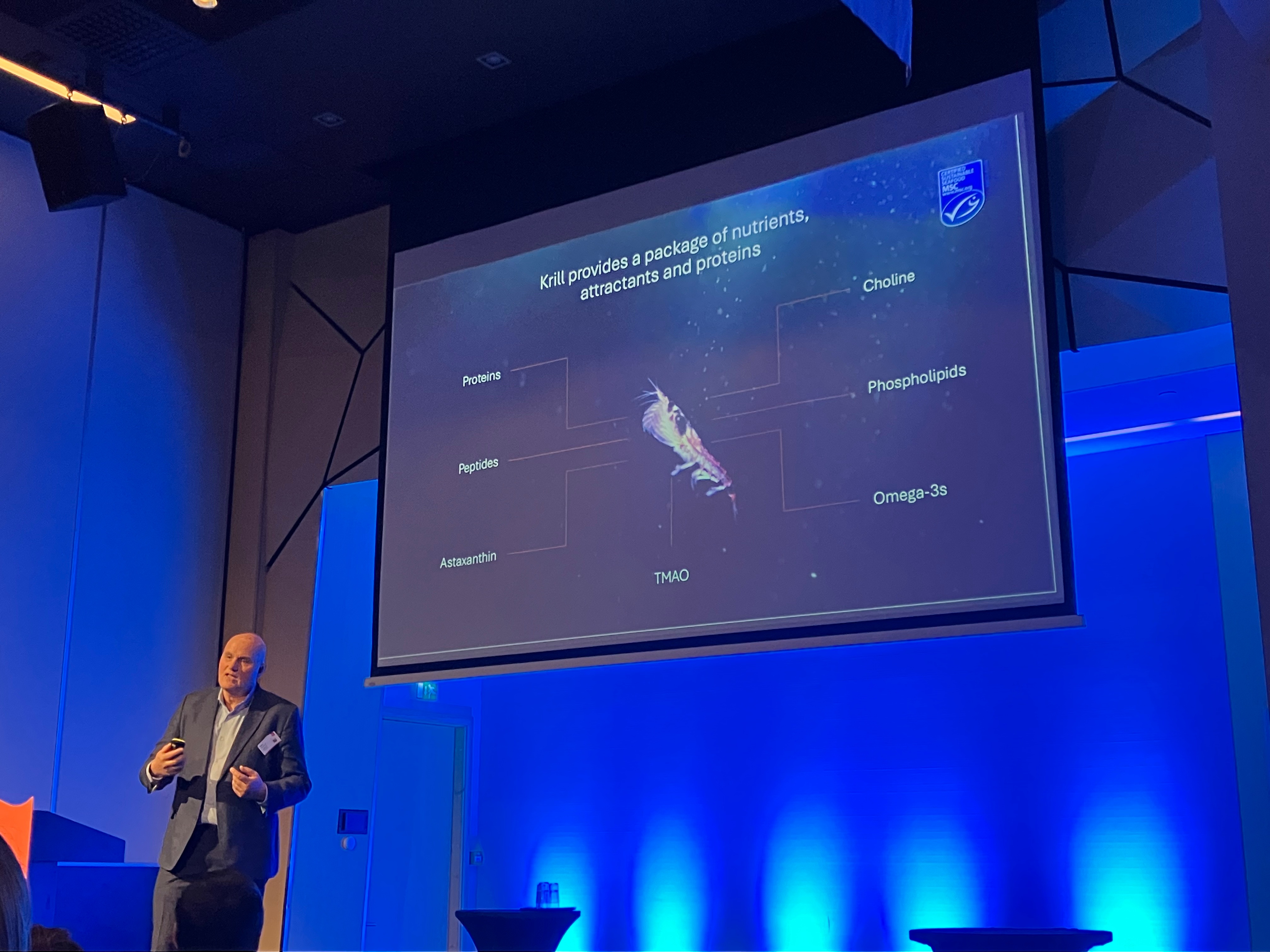
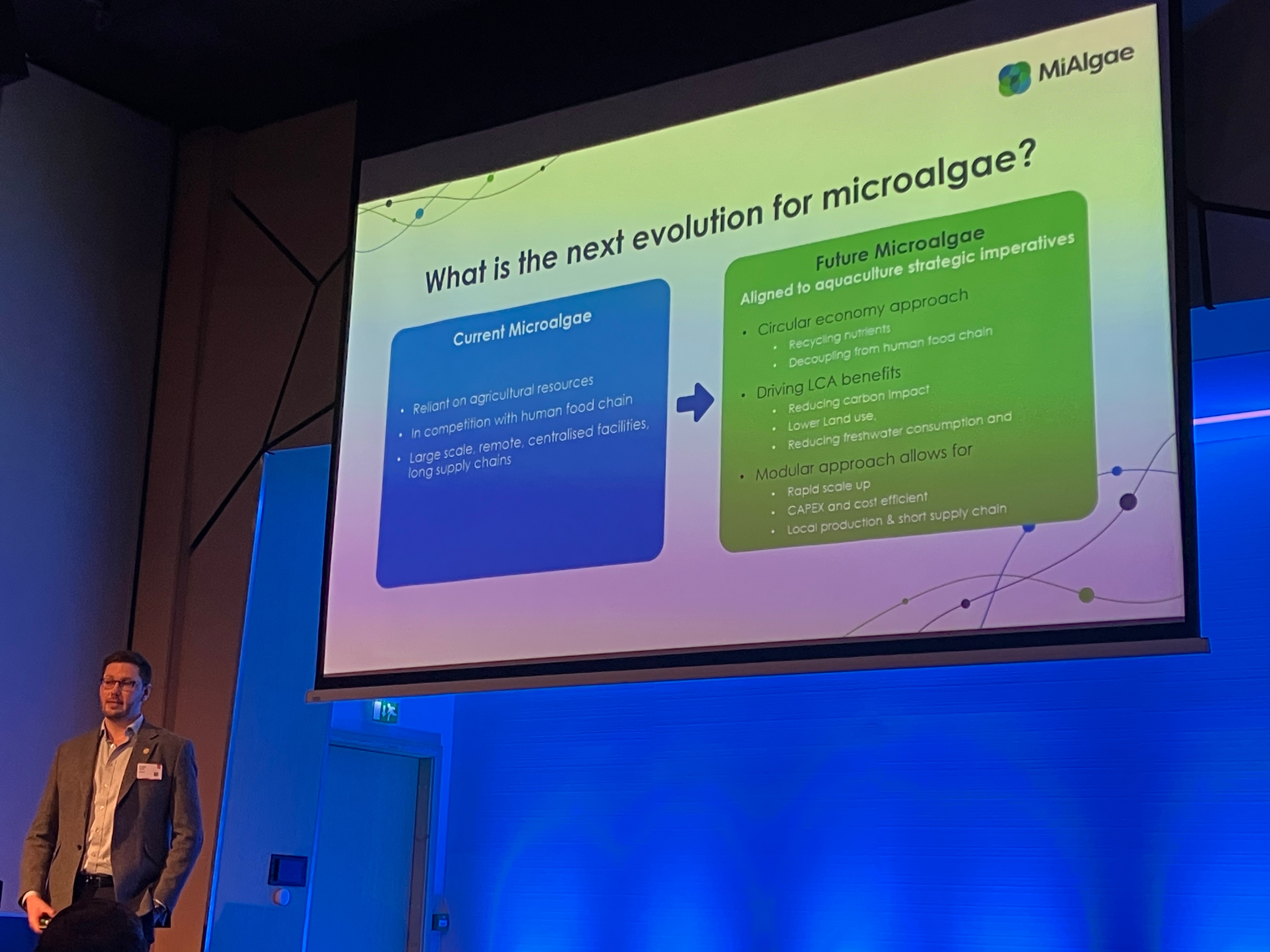
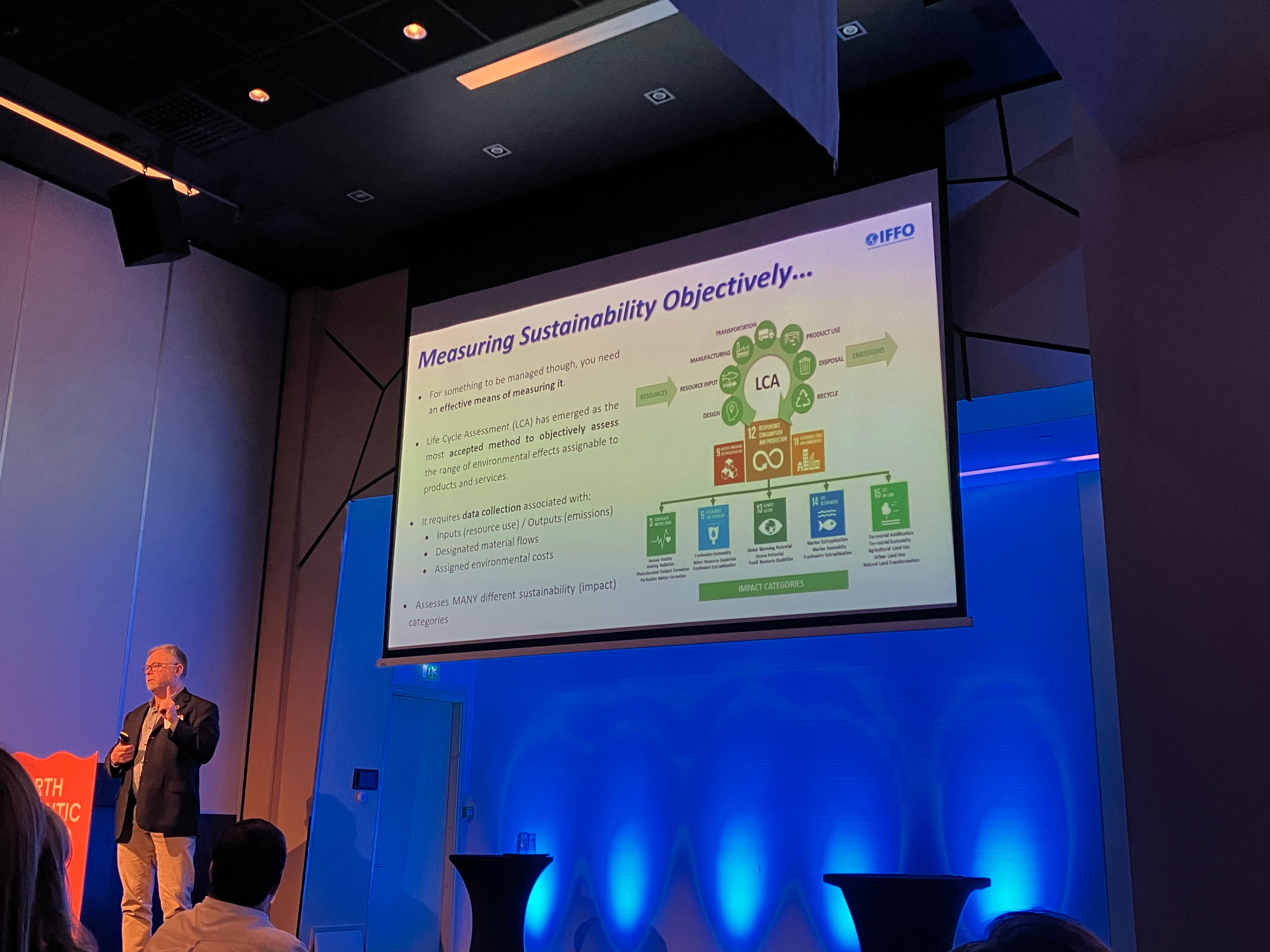
Feed was once again on the menu this year, with a strong focus on the role of feed ingredients in environmental impacts assessment and mitigation, life cycle assessment and nutritional balance to ensure fish health and growth. There is already plenty of proof and innovation in salmon farming showing that alternative feed ingredients like algae, insects and single cell proteins are reliable and viable. In fact, the conference made it clear that these ingredients are already playing a part in de-risking the supply of essential nutrients for feed, while the salmon sector’s commitment to incorporating such ingredients is strong. During the presentations, Skretting introduced a matrix for novel ingredients, while Biomar Norway shared its data from 2024 on inclusion rates of microalgae (2.4%) and other ingredients such as insects (2.18%).

It was also noted that the focus on alternative feed ingredients is not about replacing marine ingredients, but rather adding to them. However, it is up to the entire value chain to generate real impact, and create reliable markets for alternative feed ingredients to ensure that they can scale. During the feed sessions, some examples of steady leadership were highlighted, such as Cermaq’s commitment to sustainable feed, while Marco Custodio, project manager at consultancy Earthworm Foundation, touched upon the need to understand consumer attitudes towards alternative ingredients before market creation and scale up. He described consumer surveys that have been carried out in France, highlighting the need to conduct such studies to align with market expectations and improve transparency and communication with consumers.

Another main point raised during the feed sessions is that supply must expand. Algae innovators have already added 10% to global EPA and DHA supply, but not just for aquaculture. Meanwhile, the availability of insect meal is growing, but slowly. Can the examples presented at the conference continue to develop, and work to build a more sustainable future for feed?

Salmon Welfare
I always enjoy discussions on animal welfare in aquaculture, so it was great to see an entire session devoted to this topic. Salmon Welfare in Aquaculture showed that with Norwegian seafood exports reaching record levels in 2024, ensuring fish health is essential to maintaining consumer trust, regulatory confidence, and operational efficiency. The morning consisted of two panels talking about industry risk and sustainable growth through change management. They provided solutions-oriented discussions, while exploring the challenges and opportunities of fish welfare from various perspectives. Once again, the key message was collaboration, and the need to work together to shape the future of ethical, sustainable salmon farming.

It was also interesting to hear whether fish health and welfare might have been sacrificed on the road to long-term success. Edgar Brun, academic director of Fish Health and Welfare Institute, asked this question and gave quite a strong assessment on the state of salmon health today, calling out poor crisis management and a reluctance to engage with critics.

But at the same time, the salmon farming sector clearly understands that despite the many challenges, good welfare is the only option, that this is at the heart of the trust equation and that the sector must demonstrate evidence of tangible improvements to maintain its social licence to operate. Examples of how salmon farms could take a step forward included improving understanding of welfare and what to look out for when it comes to good and bad welfare, being prepared for possible changes, and making a commitment to adapt. A nice touch during the session was a presentation by Hilde Talseth, CEO of leading broiler chicken producer Norsk Kylling. She explained what her company has done to improve the welfare of its chickens and create better rearing environments, and said that farmers, who interact daily with animals, are the true experts in identifying health and welfare issues firsthand, so building trust with them is extremely important. She also touched upon the theme of collaboration and the need to foster this to drive meaningful progress.

This year’s conference came with many more presentations and interactive discussions that covered more than what I’ve described, but they all focused on a single message – the importance of a collaborative approach to promote growth in a sustainable manner and within planetary boundaries. I also believe that the full potential of salmon farming, or indeed aquaculture as a whole, can be realised with greater collaboration between industry, regulators, academia, researchers, businesses, producers, consumers and more. A common understanding and vision will make it possible to promote a vibrant and attractive sector going forward.

*Next year’s North Atlantic Seafood Forum will take place in Bergen, Norway, from the 3rd to 5th March 2026.

Aquaculture – What I’ll Be Tracking in 2025

Having faced unprecedented hurdles such as economic impacts from the COVID-19 pandemic, the Russian invasion of Ukraine, as well as other obstacles such as climate change, rising feed prices and operational expenses, aquaculture has had some challenging years. However, the industry is projected to supply over 60% of global fish consumption by 2025, and as we enter this new year, it is very much in the spotlight, with technology, innovation and research driving things forward. There are also strong expectations that production volumes are expected to grow. In my first blog entry of 2025, I take a look at the outlook for aquaculture and what has resonated with me so far.

The Rise of AI
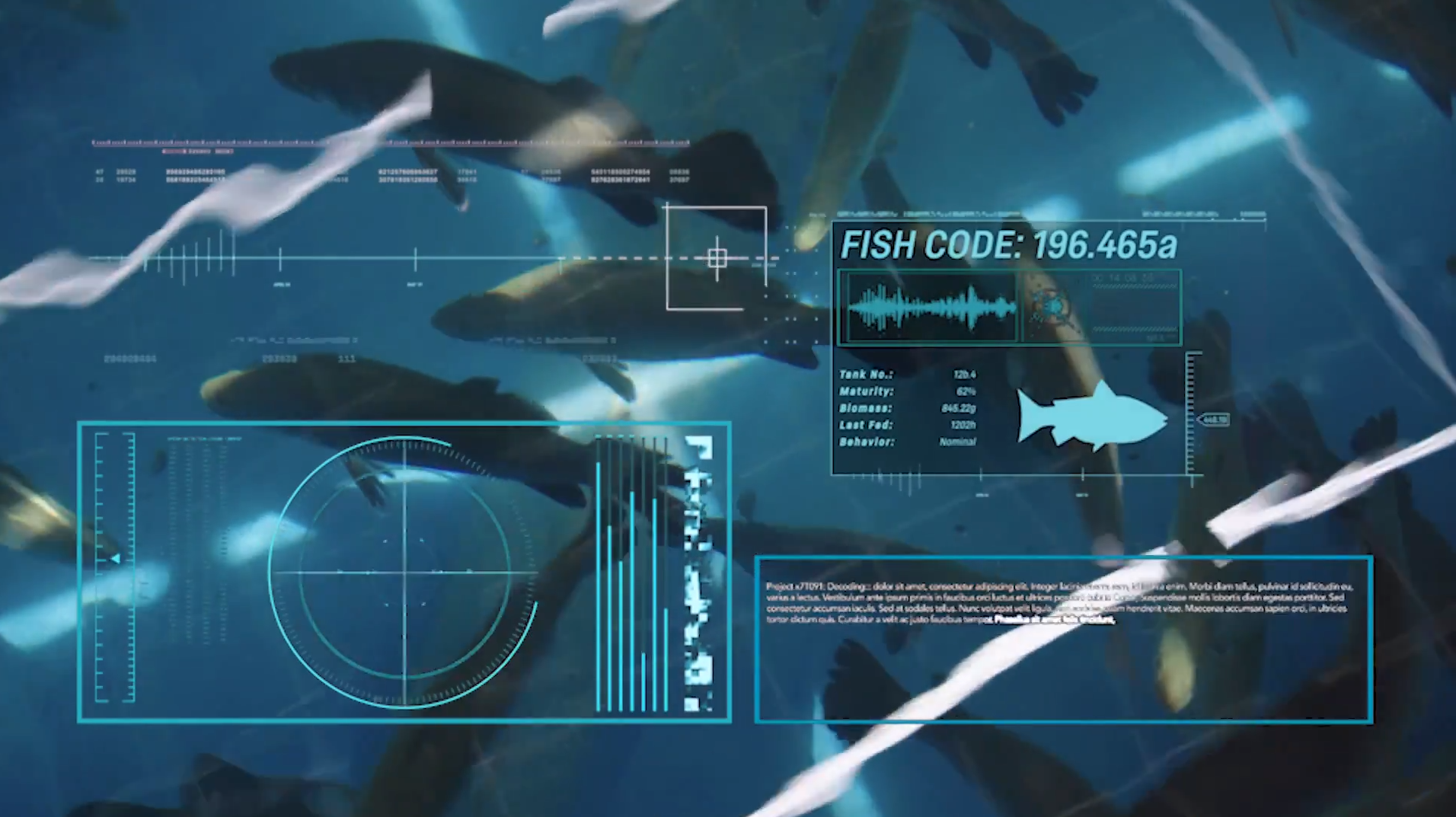
Technology and AI have continued to make their mark on aquaculture. Last year saw a range of news stories describing a series of advances, where producers are using machine learning to monitor systems, sort animals and products, and automate feedings.

Indeed, artificial intelligence, or AI, was a key topic at last year’s Responsible Seafood Summit in St Andrews, Scotland. Chris van der Kuyl, chairman of Ace Aquatec, discussed the relationship between AI and the seafood industry, and the important role AI plays in meeting food security needs. Over the years, rising costs, climate challenges and persistent uncertainties have challenged aquaculture, so innovative tools like AI are highly likely to be implemented further in 2025. Modern solutions like this can help farmers optimise their operations through data-driven decision making, reducing the need for extensive on-site staff while improving efficiency. Real-time insights are also expected to drive significant progress. Producers have already seen some of the benefits of AI, such as its ability to detect and alert farmers to subtle changes in fish behaviour or growth rates, and these benefits will become all the more important, for example as farms move further away from shore and there is a greater need to automate processes such as feeding, and tracking fish growth and weight remotely.

Farms in South Africa are also reaping the benefits of AI. Dominion Solutions, a South African firm, is developing digital tools and systems that can help farmers monitor fish behaviour using AI. Founder and CEO Shongwe Thembeka says that a lack of access to land and sea space, a small pool of skills and knowledge, and limited access to funding and investment are all reasons why South Africa’s aquaculture sector is lagging behind. She hopes to address the challenges fish farmers face with a precision aquaculture tool called AquaBrain Net that optimises feeding by monitoring fish behaviour and generating feeding schedules so that feed is distributed efficiently and waste is reduced.

In the Spotlight – Animal Welfare
Fish are farmed in higher numbers than any other animal, but they haven’t had much attention from the animal welfare movement, that is, until now. Continuing research into areas such as fish pain has offered a greater insight into fish than ever before, while growing consumer concerns for animal welfare are encouraging aquaculture to improve its fish welfare practices. Fish farmed in environments with reduced stress leads to better, all-round conditions for farmers and their animals, decreased mortality, better yields for farmers, and more flavourful fish for the consumer. From farming and transportation practices to pre-slaughter manipulations and stunning technology, more operators are seeing value in creating reduced-stress environments.

Another company that made headlines at last year’s Responsible Seafood Summit was FAI Farms, which trains farmers to improve welfare and achieve better production outcomes in tilapia, shrimp and carp farming. With partners in Thailand, Brazil and China, FAI Farms gives farmers the knowledge and practical tools that they need to improve the lives of the species they farm. Online courses with modules on welfare indicators, nutrition, health, environment and humane slaughter teach farmers how to implement welfare practices in their daily routine. Results and improvements can be shared with processors and retailers to highlight positive welfare practices. Last year, together with Ethical Seafood Research (ESR) in Scotland, FAI Farms launched the Egypt Tilapia Welfare Project to improve the production practices of Egyptian small-scale tilapia farmers and ensure that they have the resources to take better care of their fish, monitor water quality, and reduce unnecessary stressors such as handling procedures.

Meanwhile, at the end of last year, the European Union Reference Centre for Animal Welfare in Aquaculture (EURCAW Aqua) launched a new digital platform to deepen understanding around aquatic animal welfare. The platform is a resource containing research information, expert insights and practical tools designed to improve the lives of farmed fish, crustaceans, and molluscs. Examples include a knowledge hub of articles, best practices and technical guidance, interactive learning tools, webinars, and an updated feed with the latest news, insights from experts and details on upcoming conferences and training sessions.

These are two strong examples of aquaculture’s efforts to make improvements, and with consumers increasingly keen to know where their seafood comes from and how it’s been caught or farmed, these efforts couldn’t have come at a better time. With animal welfare likely to remain a strong focus this year as well, hopes are high that companies like FAI Farms and organisations like EURCAW Aqua can keep building relationships with farmers and work more collaboratively with aquaculture. There may also be opportunities to work with seafood certification programmes that look more at environmental concerns rather than animal welfare, or with researchers and the feed sector to change the composition of fish feed.

Grasping Public Perceptions
With interest in the origins of seafood likely to remain high, I hope that this year we will hear more about consumer perceptions of aquaculture and its products, and how aquaculture could work in line with these perceptions. The public has diverse expectations of the sector, and their attitudes are shaped either by their own experiences or by the type and degree of available information on aquaculture and what is involved. As aquaculture continues to grow in scale and value, it’s likely to be increasingly scrutinised going forward, and public perceptions will be of great importance when making further improvements. 

Having often spoken to people outside aquaculture, my impression is that they are generally positive towards it. They understand why it exists, and perhaps even tolerate or accept it, but there are very strong concerns and more negative perceptions towards the environmental impact of production and how the animals in question are treated. Those I’ve spoken to have been a little reluctant to welcome production growth, while there are some differences in attitudes between those that do or don’t eat seafood, or who live close to or far from production areas such as seaweed farms.

Aquaculture has already made significant efforts to communicate with the public and use tools such as social media to highlight the types of activities involved and how production is carried out. Continuing such efforts will be key this year, and hopefully the sector will implement strategies to gauge different attitudes and communicate effectively with the public, for example by engaging more with mainstream media or groups that are interested in or involved in the transformation of food systems and that are viewed as credible by the public, hiring communication experts, and continuing to make full use of social media platforms, especially when reaching out to a younger audience. In the future, food production systems like aquaculture will need to become even more efficient, to produce more with fewer resources to feed a growing world population. In this sense, it will be important to communicate even better the important role of farmed fish. Aquaculture could also engage in more social science research to better understand the influence on public perceptions and how these are formed.

As we look to 2025, I anticipate even more significant advancements such as technology, machine learning and research, that could help to tackle resource constraints and address other key challenges. By taking steps to better engage with the public or embracing trends like AI and focusing on its practical implementation, aquaculture can contribute to a more resilient and productive future for food production. I believe that a commitment to research and technology-driven advancements will play significant roles in shaping this future, and am looking forward to seeing how aquaculture will position itself this year as a pivotal industry in addressing global food security and sustainability challenges.

Looking back on Responsible Seafood Summit 2024 in Scotland

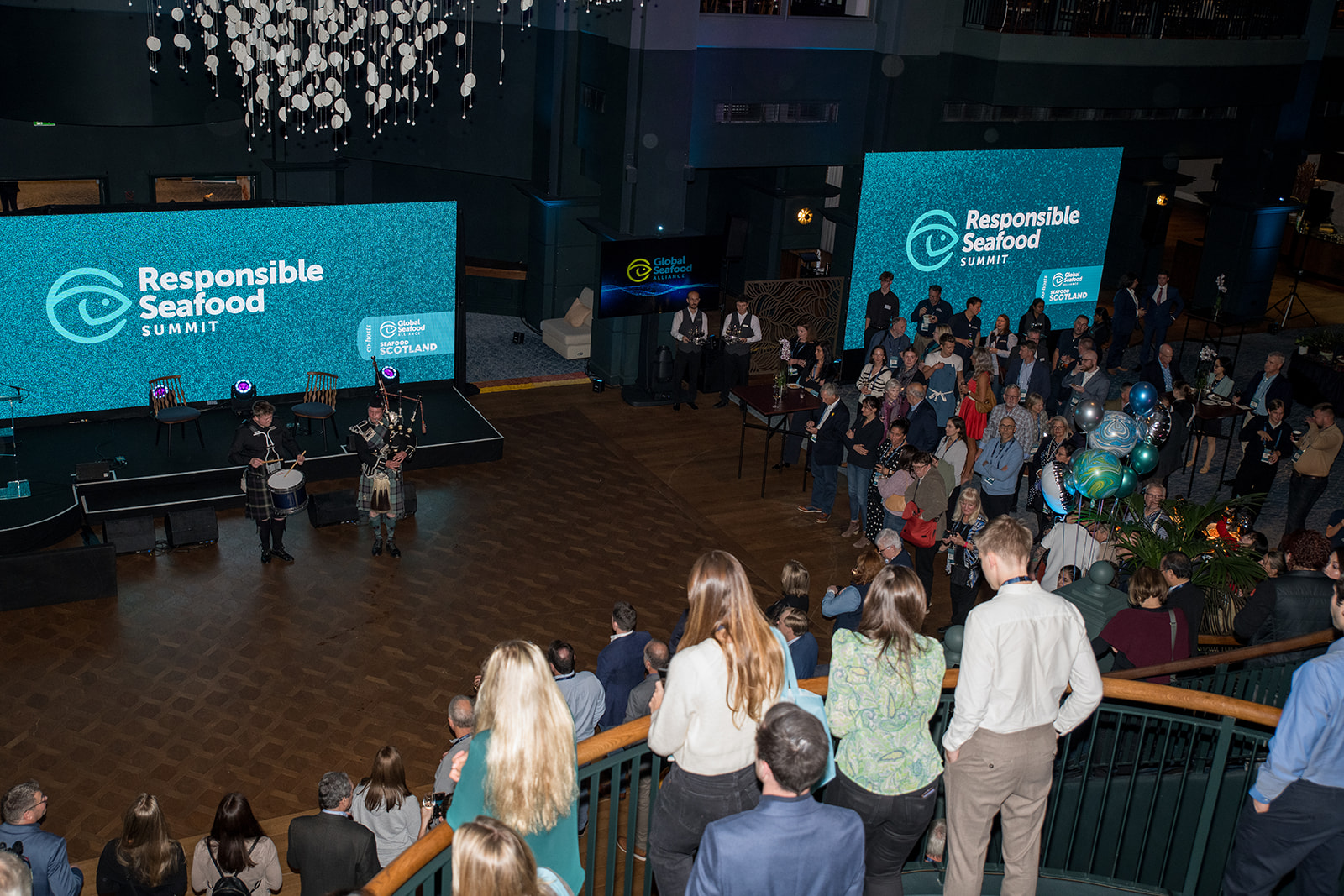
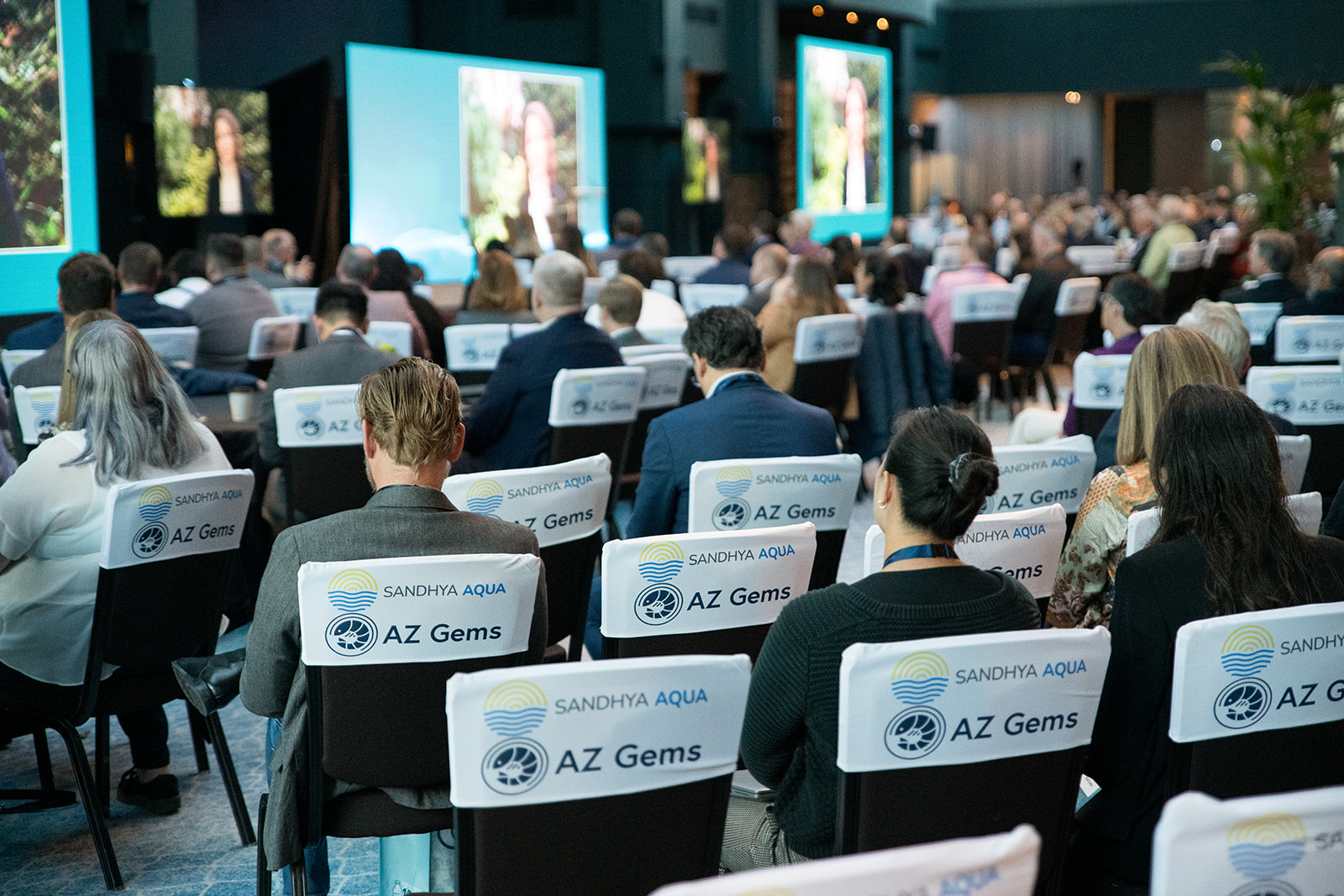
Last month, I went to St Andrews in Scotland, where over 300 people attended the Responsible Seafood Summit, an annual conference hosted by Global Seafood Alliance (GSA) in the US and national industry body Seafood Scotland. Key issues in fisheries and aquaculture were discussed as part of a packed programme that also included time for recreation – namely golf – an evening reception and gala dinner. 

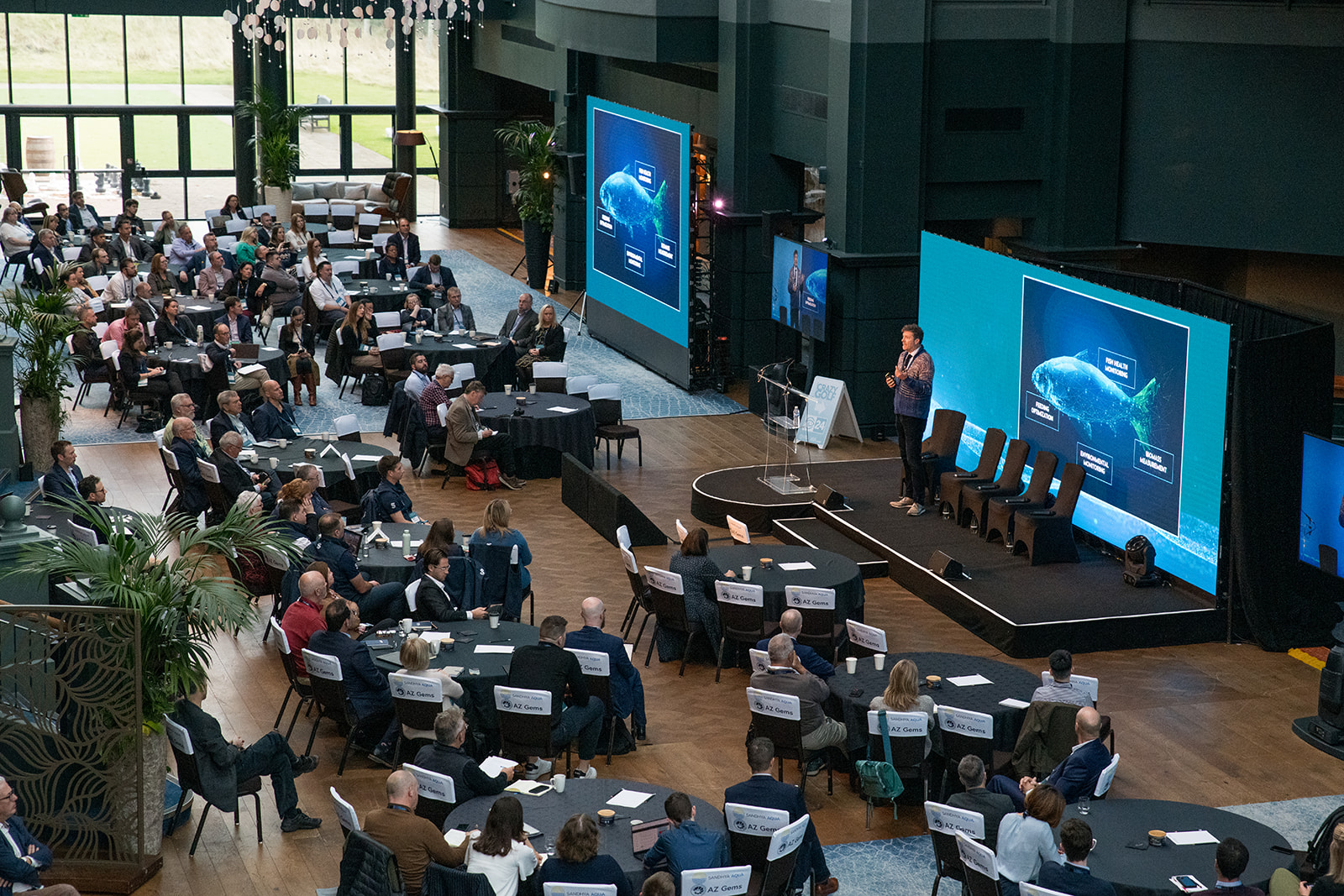
I was honoured to host a panel on animal welfare, and had a great time catching up with familiar faces, making new connections and enjoying the presentations. Bringing together professionals from around the world, the summit highlighted the many innovations underway in aquaculture and fisheries to increase sustainability, efficiency, introduce technology and improve human and animal welfare. Among the many topics discussed were the journey to net zero, developing leadership in seafood, and how aquafeed can become more sustainable. It was an ideal opportunity to gain a valuable perspective on the importance of increasing seafood production to address food insecurity, and hear just how aquaculture and fisheries are innovating and looking to the future. 

AI and Statistics
The first big topic was artificial intelligence (AI), which is likely to be key to helping aquaculture and fisheries sustainably feed a growing population. That’s according to Chris van der Kuyl of 4J Studios Ltd and Principal at Chroma Ventures, who kicked off the summit by delivering the keynote address, which focused on AI. “The future promises faster innovation – reshaping industries and societies at speed we’ve never before experienced,” he said.

As a sector that has grown dramatically over the years to provide a half of all seafood, aquaculture is worth keeping an eye on, said Van der Kuyl. With a clear need worldwide for efficient, sustainable and scaled food production systems, he continued, sectors like aquaculture need to embrace AI and digital technology. Van der Kuyl described it aquaculture “a significant investment opportunity, as it has the potential to drive the most transformative advancements in food production.” 

Combined with sensors, cameras and more, AI can offer insights, enhance sustainability and improve profitability by tracking fish behaviour, size and movement, and quickly detecting any signs of stress, illness and parasitic infestations. This will help farmers reduce mortality on farms, minimise antibiotics use and act quickly. Tracking fish behaviour through AI will also help determine optimal levels of feed and appropriate feeding times to reduce overfeeding and underfeeding, improve water quality and boost fish growth. AI could also predict environmental changes, enabling proactive steps to protect stocks in advance of events such as harmful algal blooms. 

“By leveraging AI, aquaculture can address its biggest challenges, ensuring a more sustainable and profitable future,” said Van der Kuyl. 

Meanwhile, GSA’s annual updates on fish and shrimp aquaculture gave a picture of the sector in 2024 and predictions for the next few years. Scotland’s salmon production is likely to be up by 15 percent in 2024 compared to 2023, said Gorjan Nikolik, global seafood specialist at cooperative bank Rabobank. He predicts that salmon production in Scotland will continue increasing in 2025 and 2026, rising by an estimated 7 and 6 percent respectively, while production in the Faroe Islands and a number of other smaller salmon-farming nations is looking promising. For example, Iceland’s salmon production is set to see 24 percent growth in 2024, and this growth is predicted to continue. Another key takeaway was that after two challenging years, Norway’s Atlantic salmon production is also likely to grow. On the topic of salmon, it was  encouraging to hear Tavish Scott from Salmon Scotland and Gilpin Bradley, a respected leader in the Scottish salmon farming sector, discuss the wave of negative media that salmon producers face, and emphasise issues such as transparency and the need to educate consumers.

Focus on Fisheries
Another highlight of the summit, which I found a lot of the attendees appreciated, was the focus on both aquaculture and fisheries, rather than just one or the other. Tom Pickerell from the World Resources Institute moderated a great panel on how seafood supply chains can proactively support fisheries improvement. One way to do this, he said, is through Fisheries Improvement Projects (FIPs). These are multi-stakeholder initiatives whose goal is to help fisheries work towards sustainability. Ways to measure FIP progress were described, as well as the certification of marine ingredients, the importance of buyer engagement and sourcing from FIPs, as well as implementation challenges. Could technology also help improve FIP transparency? Jayson Berryhill from Wholechain, who believes that it can, covered this topic in detail. 

Fisheries remained in focus, with further discussions on human rights due diligence efforts in the seafood industry and some of the red flags such as forced labour, deception, isolation, and poor working conditions. Alison Potter, Technical Officer at the International Labour Organization, explained what could be done to improve working hours, freedom of movement, and highlighted the importance of WiFi on board vessels to tackle isolation and enable crews to have better contact with families and friends back home. Traceability was described as essential to improving conditions on board vessels and ensuring safe working practices. I also really enjoyed hearing about Marks and Spencer’s fisheries standards and policies, with areas related to the environment, people, fish welfare and legal issues.

Welfare – the need for good management practices
The second day of the summit began with animal welfare. During my panel, I got some important insights from Dr. Sara Barrento of training and consultancy group FAI Farms, Simao Zacarias of the University of Stirling, Linda Wood from Marks and Spencer, and Ben Perry from Ace Aquatec. Sara gave a great talk on FAI Farms’ training programs to improve animal welfare, and highlighted significant indicators, such as nutrition, health and environmental conditions, that can dictate good or bad welfare on a farm. “Once you see bad welfare, you can’t unsee it,” she said.

Simao explained shrimp farms’ attempts to move away from the controversial practice of eyestalk ablation towards alternatives such as sex ratio manipulation, selective breeding, nutrition and hatchery practices. Ben’s talk touched upon the interconnectedness of improved animal welfare and better human welfare, i.e. how good animal welfare practices can result in a less stressful working environment for those on farms and on vessels. 

“The slaughter and processing industry has one of the highest staff turnovers of any sector,” he explained. “Physical injuries and psychological health challenges are shown to be highly prevalent in the sector from prolonged exposure.” 

He went on to explain that a comfortable working environment that doesn’t test people emotionally will experience greater retention and uptake in positions, and businesses want to cultivate such an environment. One way in which they can do this, he said, is by improving animal welfare practices. Linda touched upon the human aspect in the panel discussion. She described how more and more staff don’t want to work in environments with poor animal welfare practices, and that the human element is a huge part of animal welfare improvement. 

This year’s summit came with many presentations and talks that covered much more than what I’ve described, but they all focused on a single goal — to make the seafood industry more sustainable for generations to come. 

Trust, relationship-building and maintaining contact with one another can all work towards making the above goal a reality, and this is why events like the Responsible Seafood Summit are so important. I found that talking to people in person, and seeing so many people who want to make positive contributions, was fantastic, and as always, I was very impressed by the technology, innovations, research and more that are helping to drive improvements. This is how we can feel motivated and driven to create significant and meaningful change – by coming together, sharing insights and discussing how to develop solutions for the future of aquaculture and fisheries. 

*Next year’s Responsible Seafood Summit will take place in Cartagena, Colombia, in the week commencing 29th September 2025.
*All photos taken by Ryan Murrant