Amidst the feed ingredients that are emerging as viable protein sources in the face of growing global food demands, krill stands out as a particularly promising one for future salmon production. But what makes it so appealing, and how is it being integrated into salmon diets?
At the North Atlantic Seafood Forum in Bergen last month, I listened to a presentation by Sigve Nordrum, CCO of Aker QRILL Company, an Antarctic krill-harvesting company that develops krill-based ingredients. During his talk, Nordrum introduced some of the most important health issues in farmed salmon in Norway, including delousing injuries, gill disease, wounds and vinter ulcers, before highlighting the ability of Antarctic krill (Euphausia superba) to provide salmon with a package of nutrients, attractants and proteins, such as peptides, astaxanthin, choline, phospholipids and omega-3s. He also introduced some studies, conducted by Aker QRILL Company, which show that krill meal can help to reduce sea lice (25% reduction in sea lice compared to a control diet), heal wounds (55% reduced scarring and better gross appearance of wounds compared to a control diet), reduce melanin spots (0% melanin spots in salmon given krill meal compared to 13% in salmon on a control diet), and offer better growth and reduced mortality.
These advantages, the feed attractant properties of krill, which enhance feed intake and growth performance, and the transfer of astaxanthin to salmon fillets, improving pigmentation and overall fillet quality, really stood out to me during the presentation. It was clear why one of the most abundant animal species on the planet is a front-runner as a possible fishmeal and fish oil alternative.
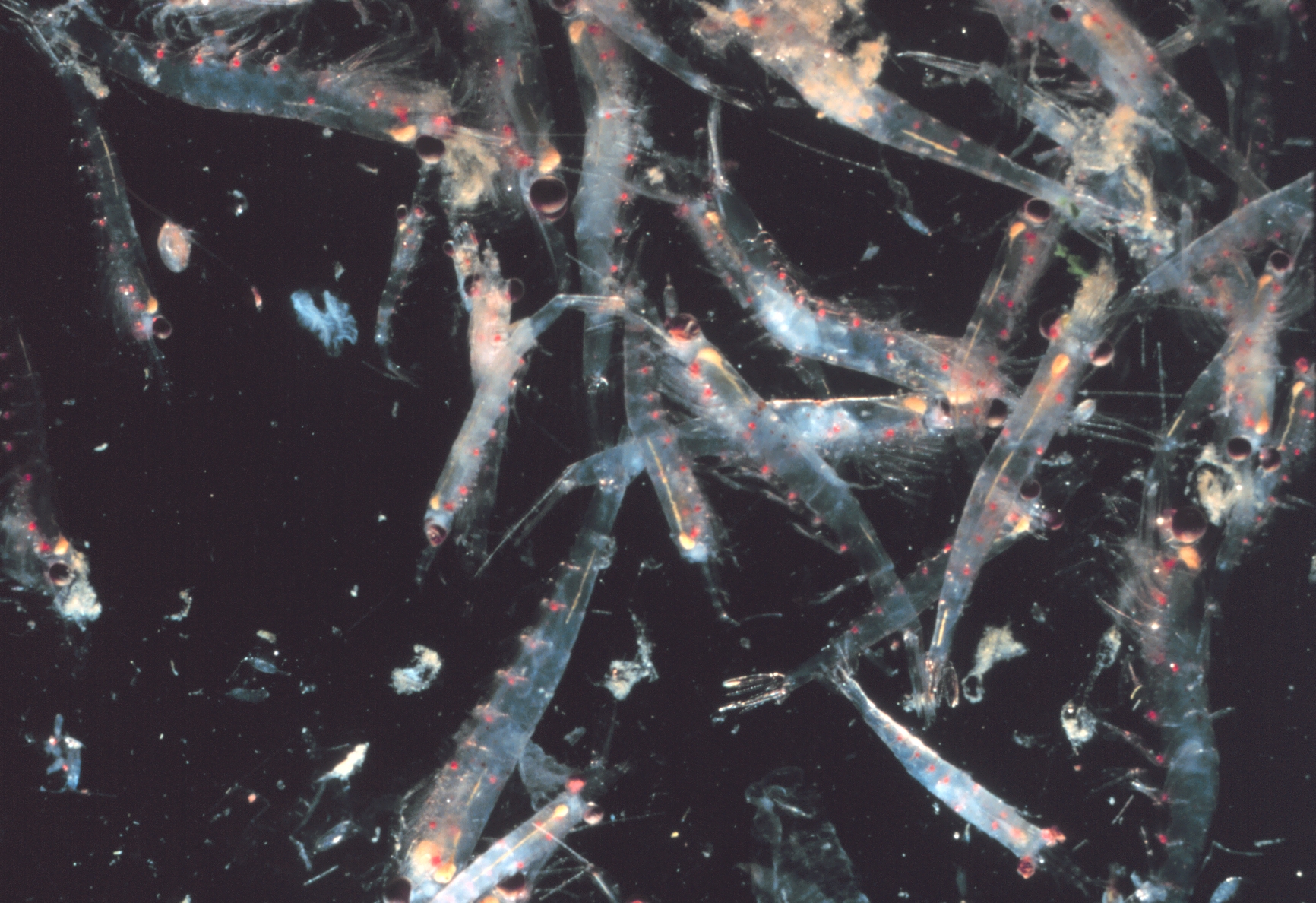

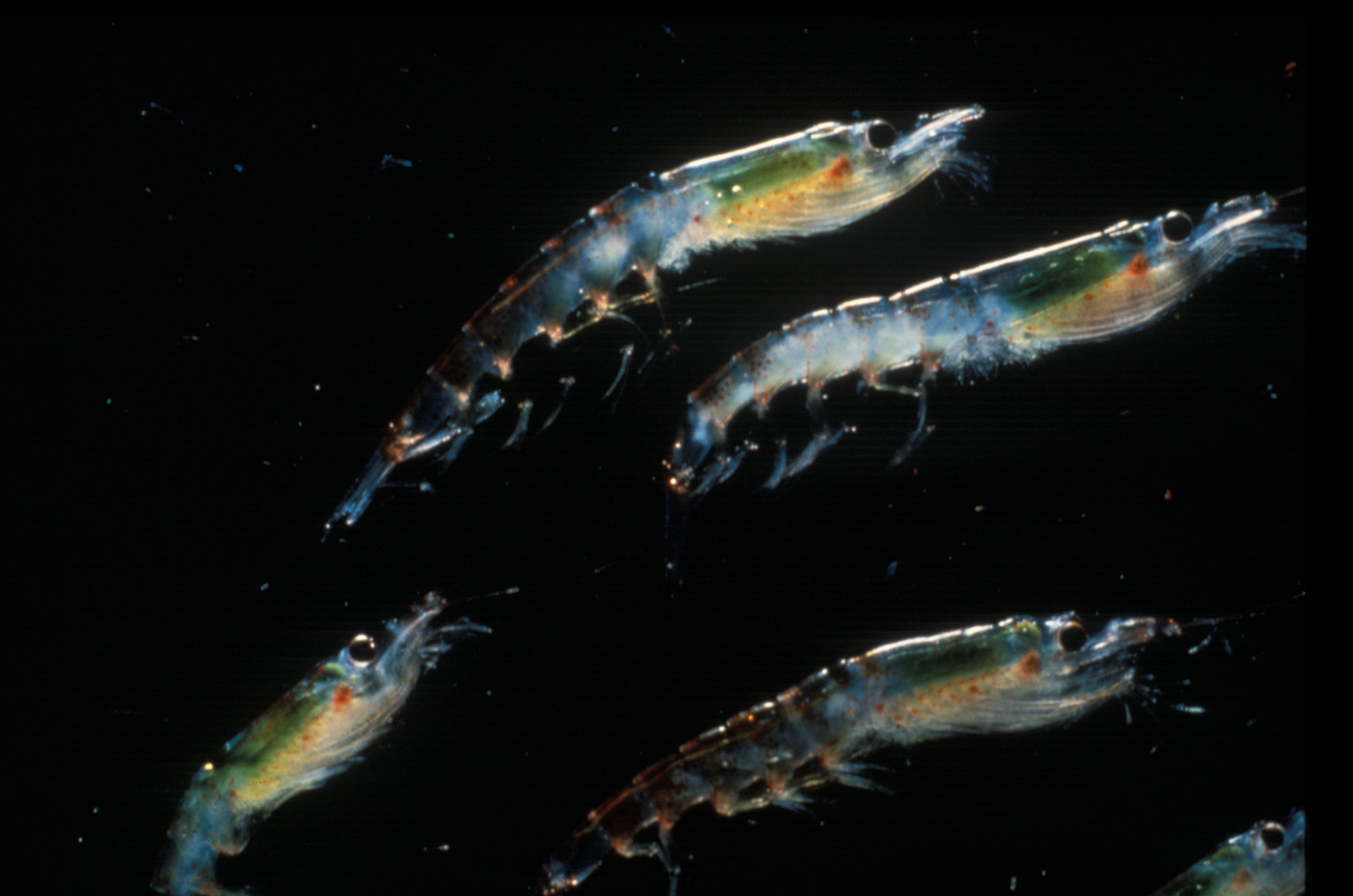
Krill is usually integrated into salmon diets during the final production stage before harvesting. It is integrated primarily through feed that is made from dried and ground krill, and krill oil. It is added as a supplement in small amounts, no more than 10%, in order to provide an array of benefits. Because it cannot be taken as a regular protein source or as a complete fishmeal or fish oil replacement, it is considered a feed additive and must be used strategically, taking all key nutrients into account, in order to make it cost-effective. According to a 2022 research paper, just 8 – 10% of krill meal for 10 to 12 weeks is considered sufficient to achieve growth performance benefits.
Before delving into the potential of krill in salmon farming, I did a bit of reading to find out more about the positive attributes of these small, shrimp-like creatures, and learned about their importance to the health of the ocean and the atmosphere. Interestingly, they can increase the store of carbon in the deep ocean by releasing essential nutrients such as ammonium and iron into the water (these nutrients are excreted as waste products through faeces.) Tiny plants at the base of the marine food web, like phytoplankton, can then use these nutrients to photosynthesise and grow. Krill can increase the store of carbon in the deep ocean because their faeces, in pellet form, sinks quickly and remains on the sea bed for years. One study shows that young krill that live near sea ice may be particularly important in the carbon sink because they live deeper in the water column compared to adult krill. This means that any faecal pellets released by younger krill could escape any currents that may return them to the surface, and instead sink further until they reach the deep.
Meanwhile, aquaculture has long been searching for different protein sources to reduce its dependence on marine resources. It is also becoming clear that aquaculture cannot rely on just a few sources of raw materials, especially scarce and limited marine resources. Aquaculture is now at a point where searching for new ingredients for the formulation of feed has become one of its key focal points. Over the years, krill meal has been vastly studied, and its benefits, such as improved feed intake, growth performance, fillet quality and fish health, have been well documented.


The array of benefits that krill provides has contributed to increased demand for krill fishing from sectors such as pharmaceuticals, as well as aquaculture. These benefits have changed the nature of the krill fishery by showing that it’s possible to obtain more valuable products from krill than was initially thought, according to Dr. George Watters of the Antarctic Ecosystem Research Division at NOAA. In addition, logistical, sustainable and harvesting concerns remain over how much krill is fished and from where. Catching and processing krill can also be expensive, while concerns are high that krill fishing could decrease the species’ carbon sink capacity and create competition for natural predators of krill. The Commission for the Conservation of Antarctic Marine Living Resources (CCAMLR), which manages the Antarctic krill fishery, has acted by regulating the total krill catch within a 620,000 tonne ‘trigger’ level across four regions in the southwest Atlantic, and establishing an overall catch limit of 5.6 million metric tonnes a year to prevent krill fleets from concentrating their fishing activities in small areas. Hopes are high that this could regulate fishing, ensure that krill’s natural predators have access to food, and protect krill stocks in a fragile ecosystem while making sure that the resource is healthy and sustainable.
Aquaculture has acknowledged the issues that come with harvesting krill. While committing to keeping its krill fishery operations away from penguin colonies in the Antarctic Peninsula during breeding season, Aker QRILL Company has offered support for the Antarctic Wildlife Research Fund (AWRF) to promote Antarctic marine ecosystem research, including projects that focus on fishery management for Antarctic krill. Aker QRILL Company has also received an A rating from the Sustainable Fisheries Partnership for having a krill fishery in very good condition.
With more awareness towards the concerns, and at a time when the ocean is already under pressure from threats like climate change, krill fisheries and the use of krill, not only in aquaculture but also in other sectors, is drawing attention. Because these sectors benefit from krill, hopefully they will make positive contributions in return, for example supporting krill ecosystem-based management systems and working to ensure that fisheries do not have any negative ecological impacts. My hope is that they can work methodically and sustainably to ensure that resources like krill are being used responsibly.
 bonniewaycott.com