In spring 2024, I wrote an article for Canada’s Hatchery International magazine on how fish health and welfare certification programmes have evolved over the past 25 years. With a growing movement in fisheries and aquaculture to make positive changes in this area, this particular story couldn’t have come at a better time.
Today, fisheries and aquaculture worldwide are paying more attention to health and welfare amidst an increased consumer interest in seafood safety and quality, and market demands for sustainably-sourced farmed and wild-caught seafood. To give a couple of examples, the 11th International Fisheries Symposium in Bangkok at the end of last year held several sessions on animal welfare, while just last month, a paper by the African Union’s InterAfrican Bureau for Animal Resources (AU-IBAR) and Ethical Seafood Research (ESR) highlighted the pivotal role of aquatic animals in Africa’s ecosystem and the importance of animal welfare to maintain ecosystem health and support sustainable fisheries and aquaculture. There has also been a strong focus on evidence that shows how fish can experience pain and suffering. With stressed animals bad for business, more operators are seeing value in creating less stressful environments.
Improving the health and welfare of aquatic animals has far-reaching implications for sustainable development. This was highlighted in an article by Catalina Lopez, director of the Aquatic Animal Alliance at Aquatic Life Institute. With better health and welfare in place, Lopez says, fisheries and aquaculture can forge a transformational path towards a more sustainable and equitable future.


Aquaculture
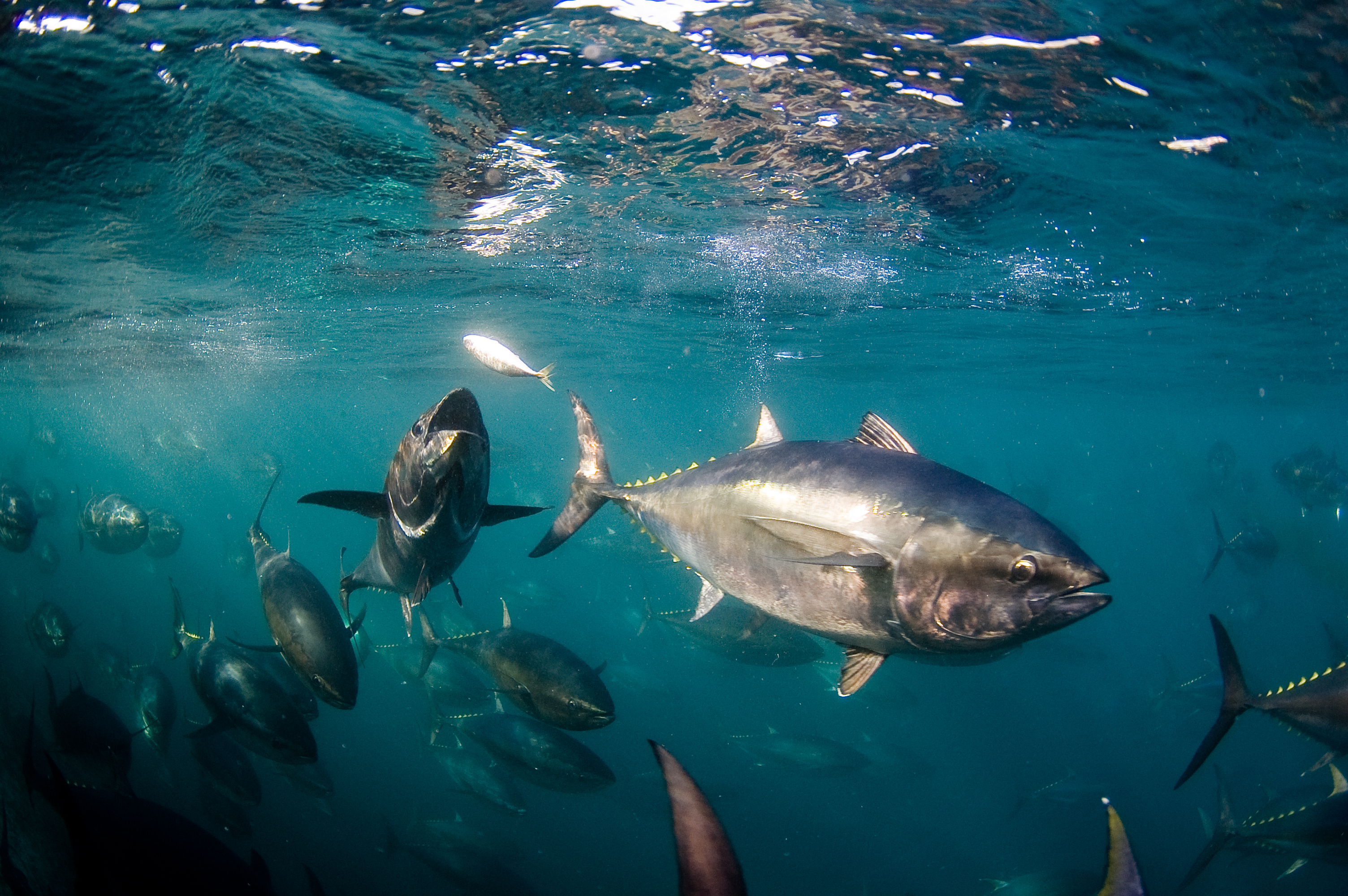
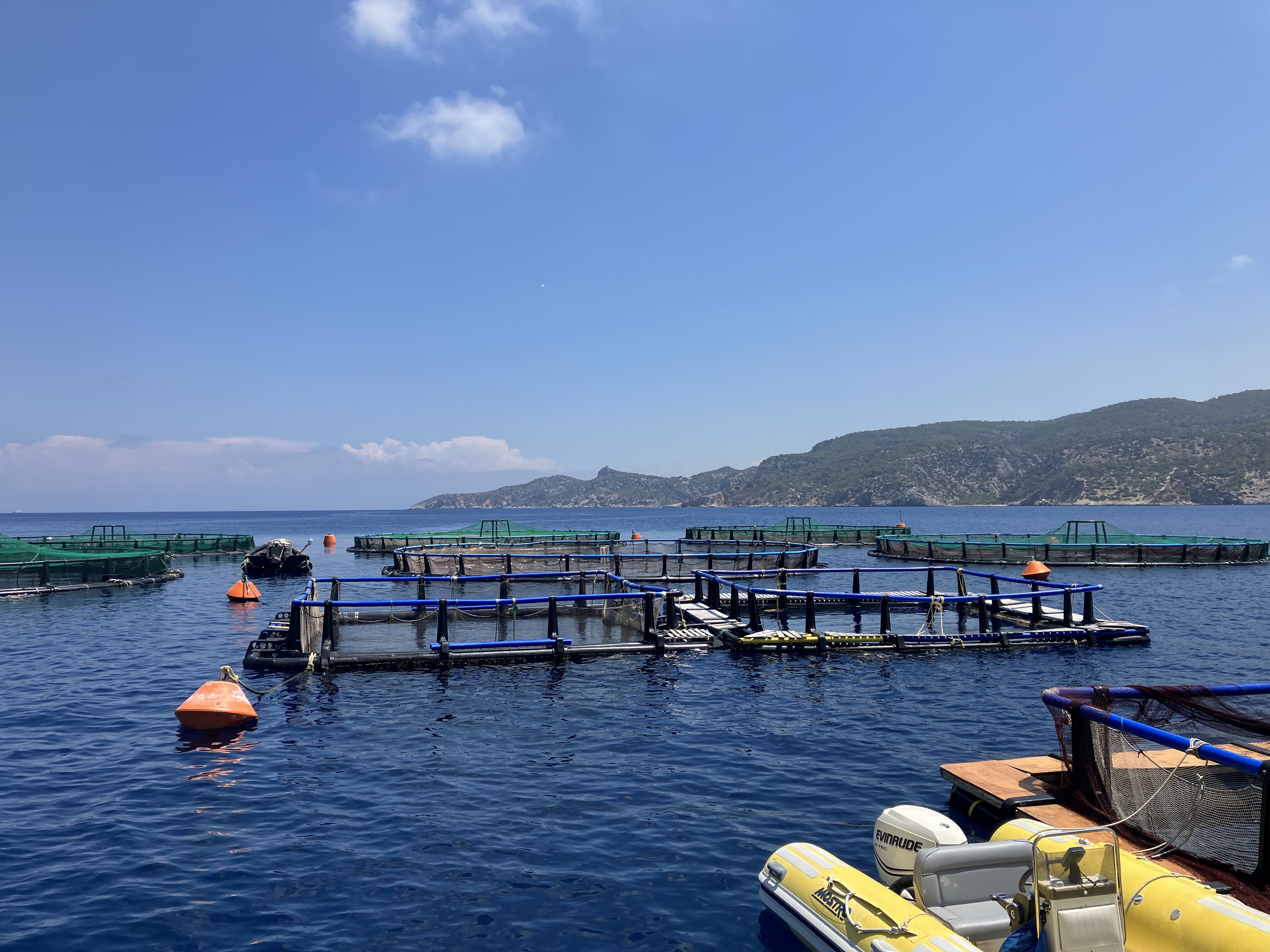
So how are both sectors taking steps to address animal welfare? Throughout the aquaculture production chain, various factors are considered to ensure that proper care is taken of the animals being reared. These include disease control, water quality, stocking density, transportation and slaughter methods. Certification programmes such as the Best Aquaculture Practices (BAP) Standards, for example, require farms to inspect water quality, behaviour and conditions of their animals regularly, and set limits for the amount of wild fish that can be used in fish feed depending on the species in question.
Meanwhile, researchers and companies are playing their part. At the Roslin Institute at the University of Edinburgh, researchers are studying responses to stress inducers in fish, such as vaccination and handling, and investigating whether these responses can be passed on through generations. Their aim is to establish breeding strategies that enable good health and welfare. Over in California, a tech startup called Shinkei is blending AI with an ancient Japanese slaughter method called Ikejime, which paralyses fish and drains them of blood. Shinkei’s system uses AI to detect the size and shape of each fish before using that information to identify the location of the brain. The mechanical component of the system then penetrates the brain, taking just a second of time and preventing fish from suffering for minutes on end.
Collaboration between research and industry also boosts the growth of aquaculture and promotes animal health and welfare, according to Ana Manuela de Azevedo at the University of Santiago de Compostela. Her work studying fish diseases aims to improve fish health and welfare and help aquaculture companies increase productivity and food safety. One area of her work involves optimized radiodiagnosis for Senegalese sole and established scales for assessing malformations at different stages of their development. Through this, she hopes to reduce anomalies in the species and improve product quality on farms.
Technology is also drawing attention in Egypt thanks to the Tilapia Welfare Project. With Egypt the top tilapia producer in Africa, the project gives farmers tools and knowledge to assess and improve welfare and enhance fish performance. Launched by FAI and Ethical Seafood Research (ESR), the project ‘s Tilapia Welfare App offers farmers a user-friendly platform to assess and manage the welfare of fish effectively.



Fisheries
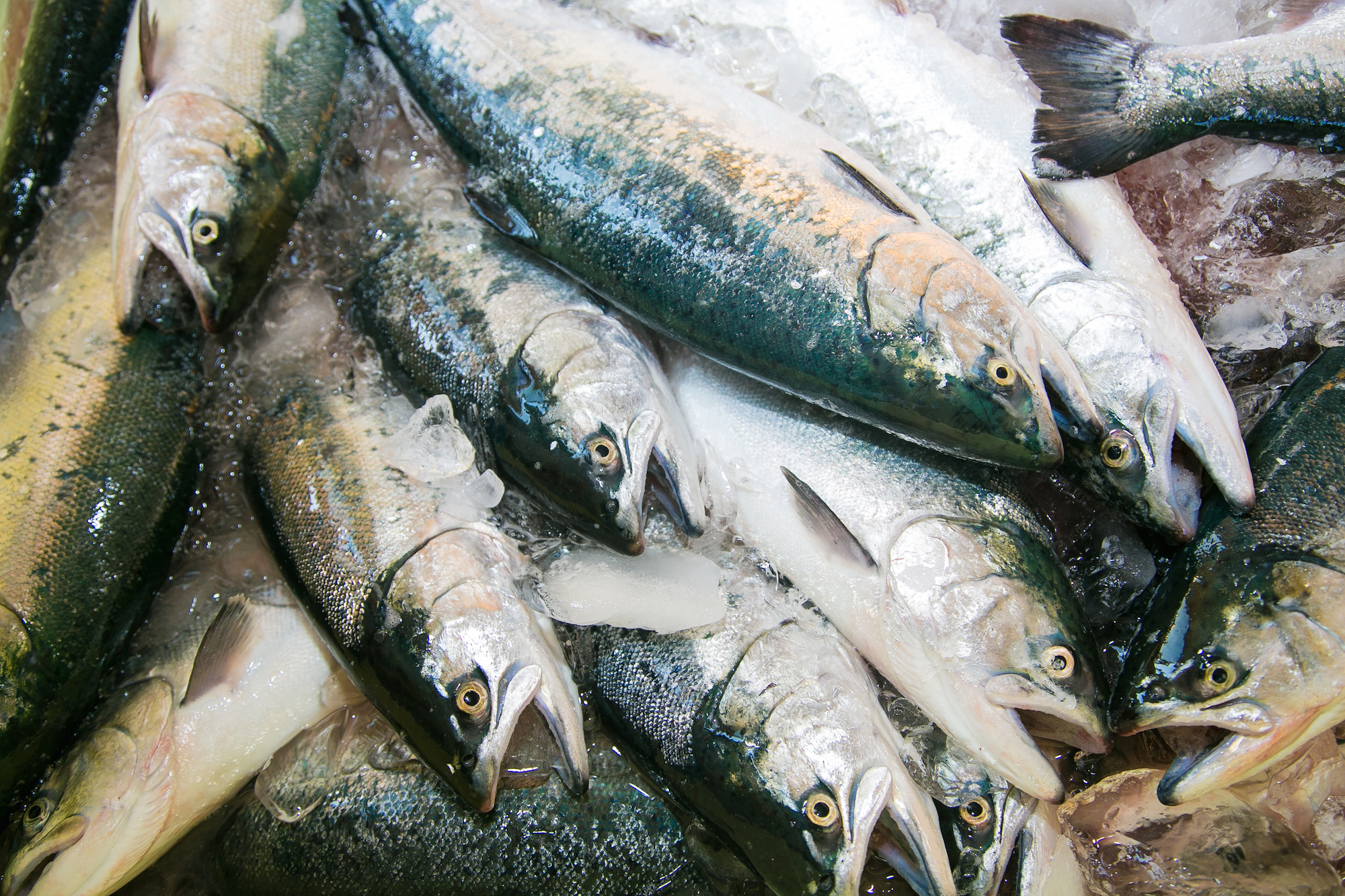
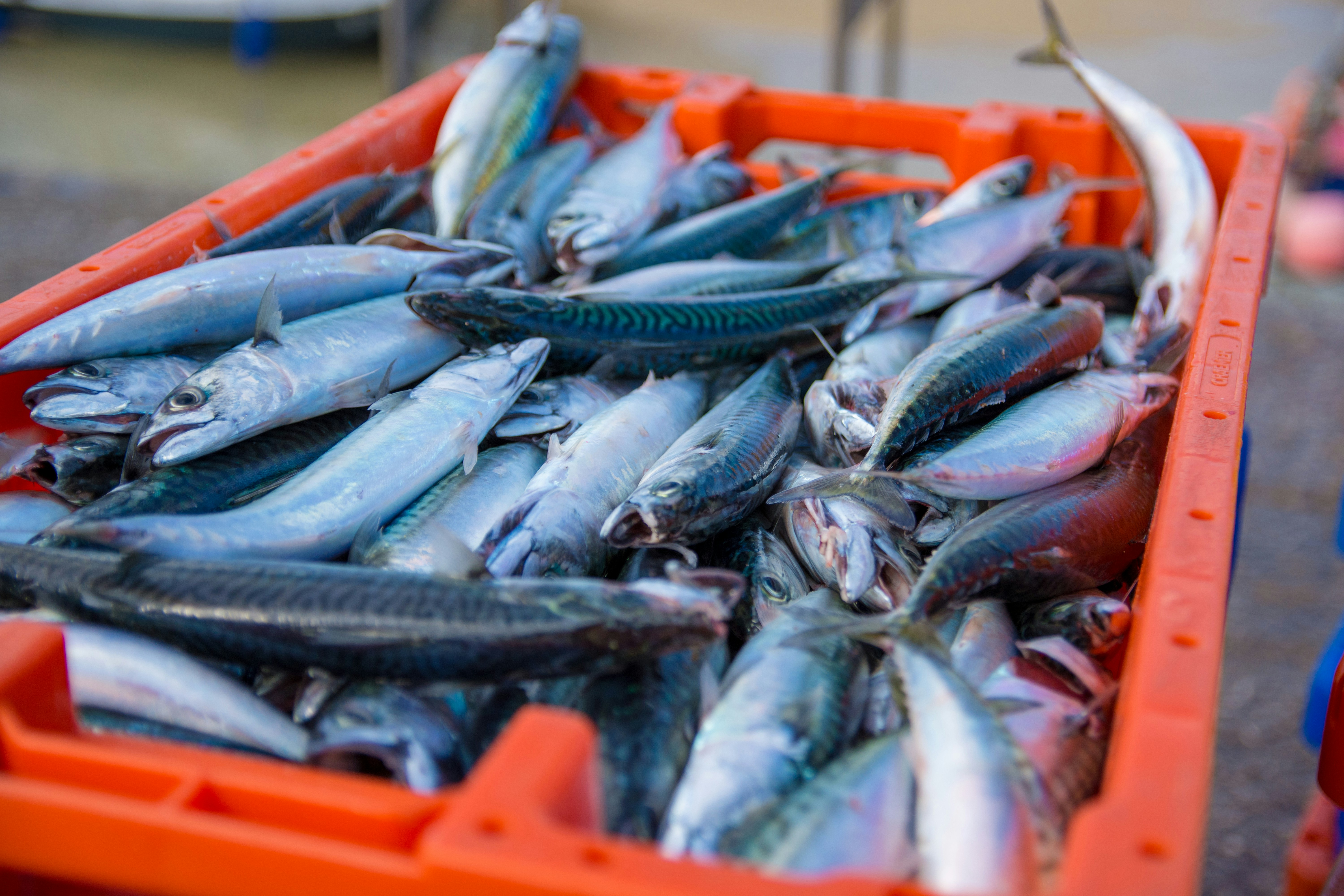
Although the majority of my work focuses on aquaculture, I’ve always been impressed by fisheries’ efforts to address animal welfare too. One company that caught my attention a few months back is Precision Seafood Harvesting in New Zealand. This company has developed a modular harvesting system that improves fish welfare, optimises catch quality and reduces bycatch. Fish are contained and swim comfortably underwater inside a large flexible PVC liner. There, the correct size and species can be selected before being brought on board vessels. The system’s design also allows vessels to target specific species and fish size, and greatly increases protection for small fish that can swim free through escape portals, and bycatch, which are released unharmed. This is a huge step for commercial fishing, bringing great benefits not just in fish welfare but also in fish stocks and the environment.
It’s also very encouraging to see more fisheries conferences addressing the topic of fish welfare. In November 2023, the first ever Catch Welfare Platform conference was held in Norway. The key focus was pragmatic solutions to reduce individual stress levels in catch, including unwanted and released animals, and those to be slaughtered onboard. There was also a strong focus on humane slaughtering methods. Reducing stress can no doubt create premium market opportunities for seafood caught with good catch welfare standards.



Animal health and welfare in the context of fisheries and aquaculture can seem overwhelming. There are so many species, fishing operations and rearing environments to consider that no one solution can help every single situation and yet, meaningful progress in this area must come from a place of extreme understanding of the particular species or situation at hand. In this sense, it’s really encouraging to see the improvements that are being made. Fisheries and aquaculture are still adjusting as to how best to approach the issues that arise, but today’s efforts will no doubt make significant contributions to increasing operational resilience in both sectors.
 bonniewaycott.com