Tag Archives: research

How ocean farming can coexist with marine biodiversity

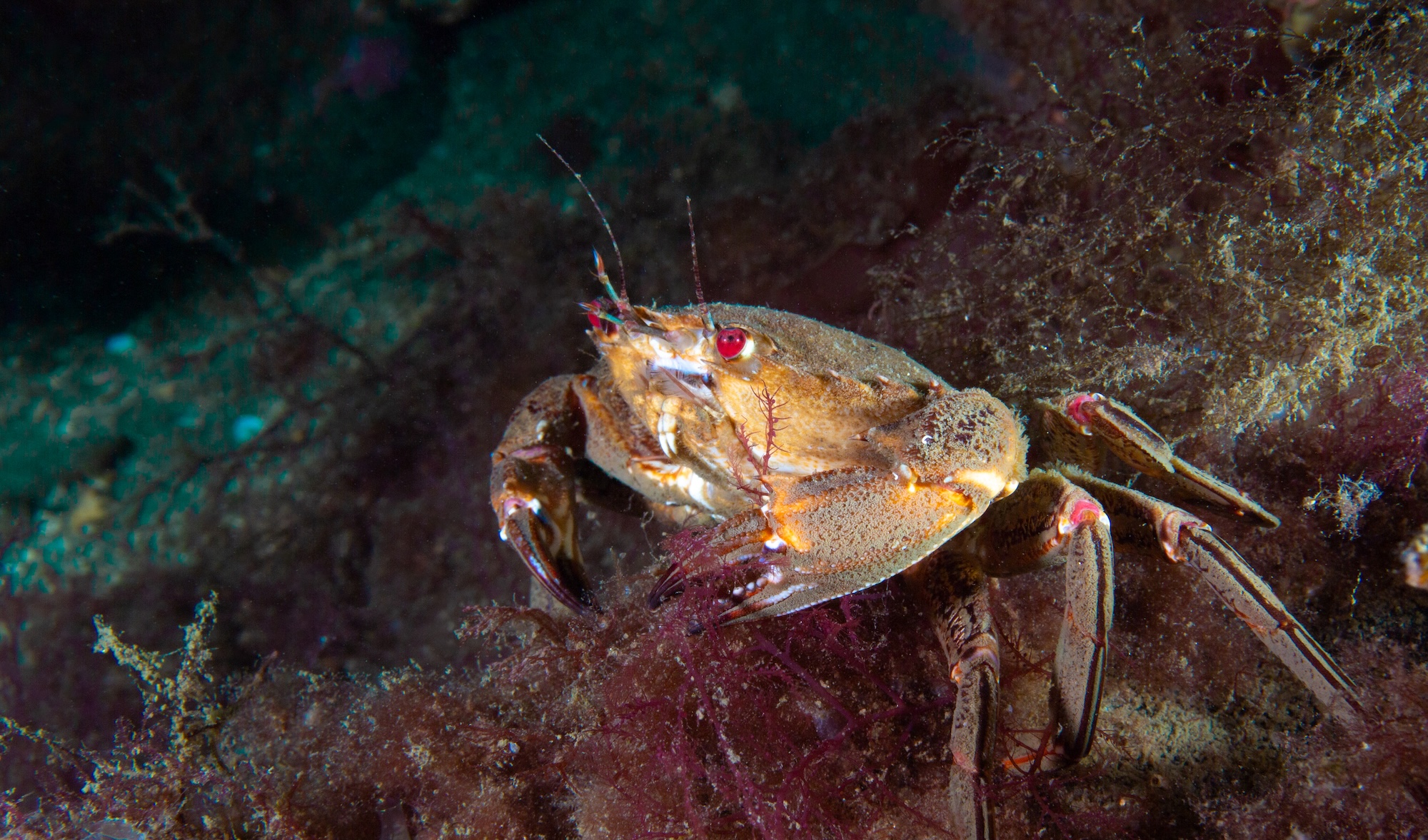
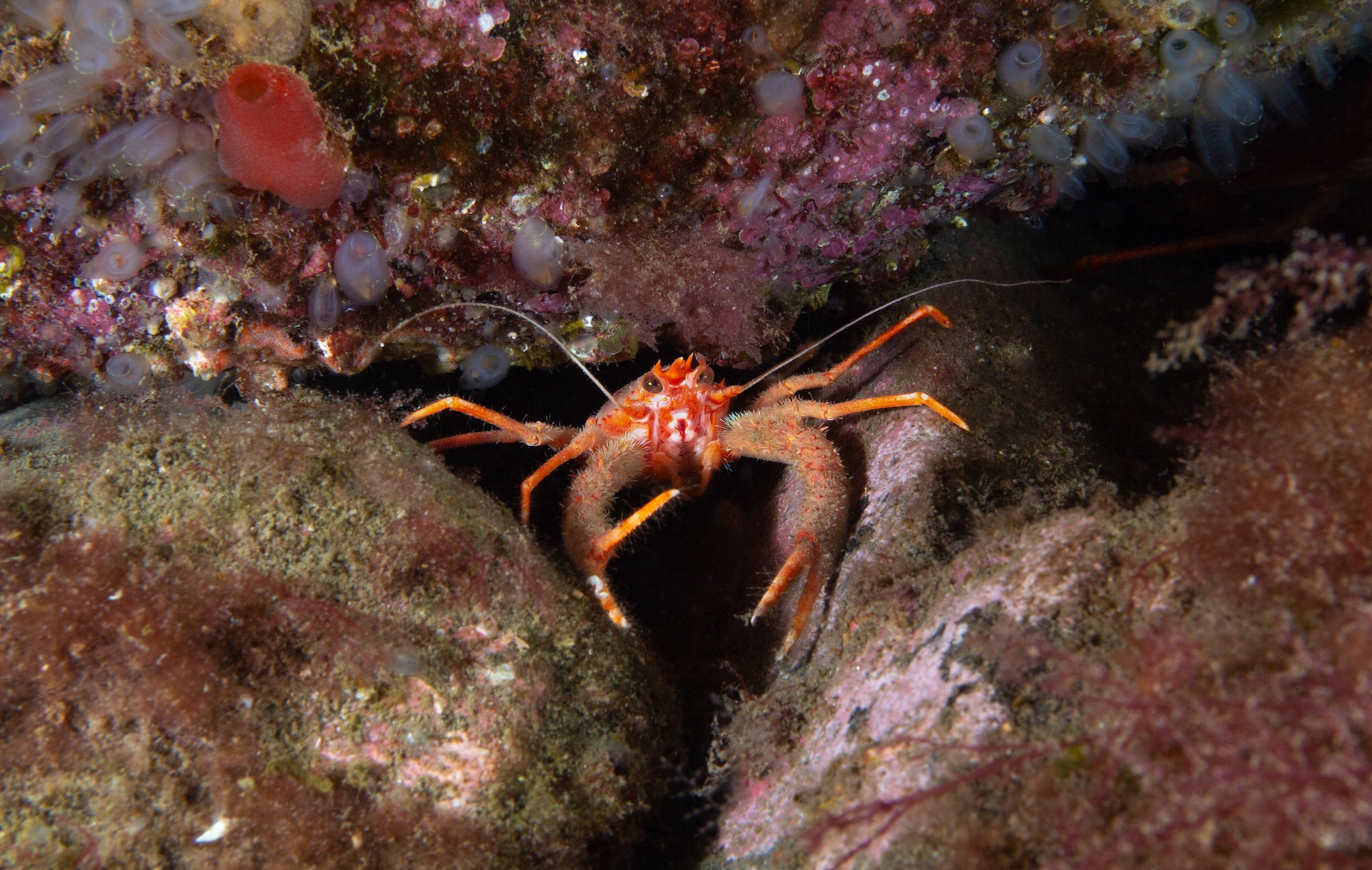
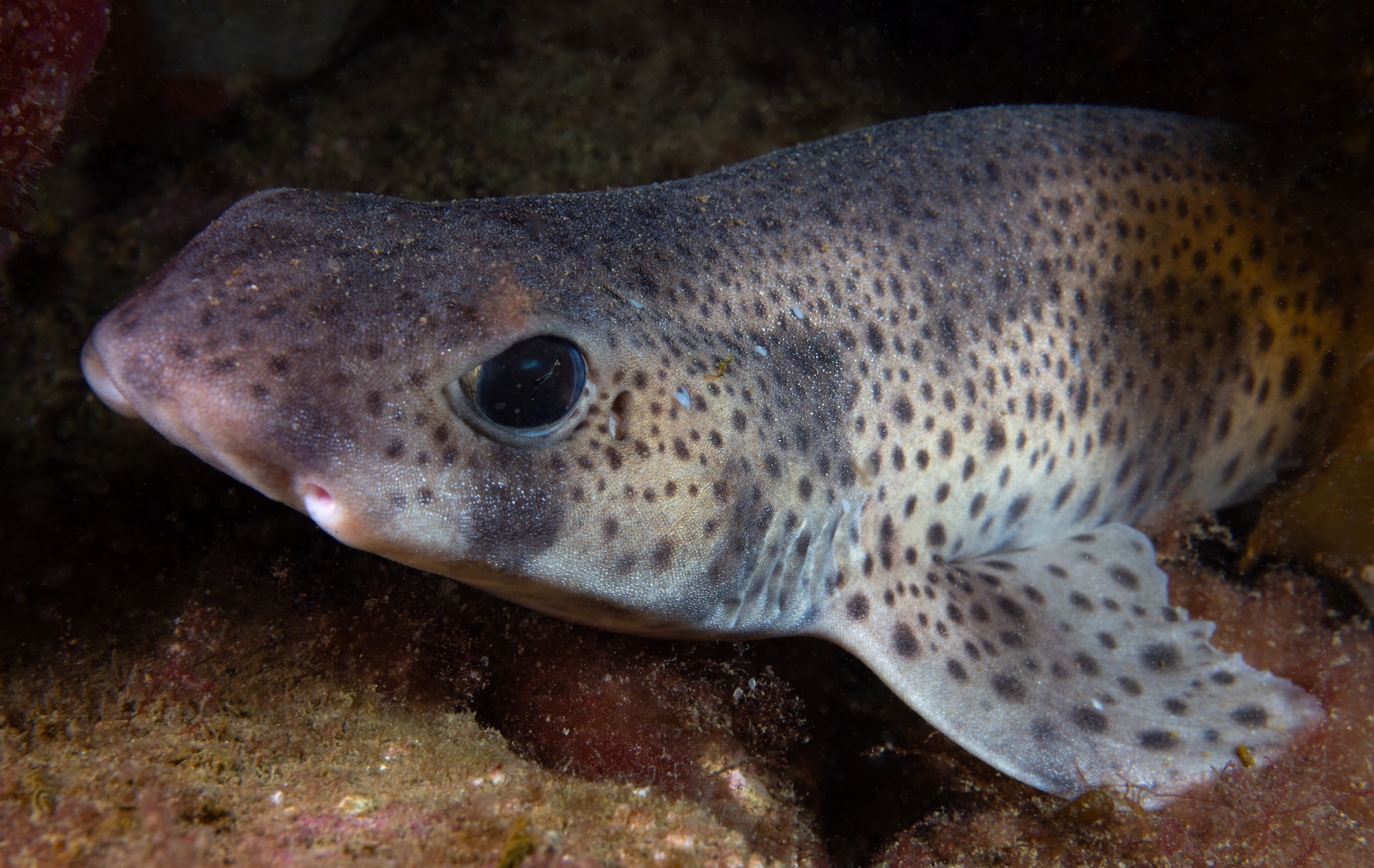
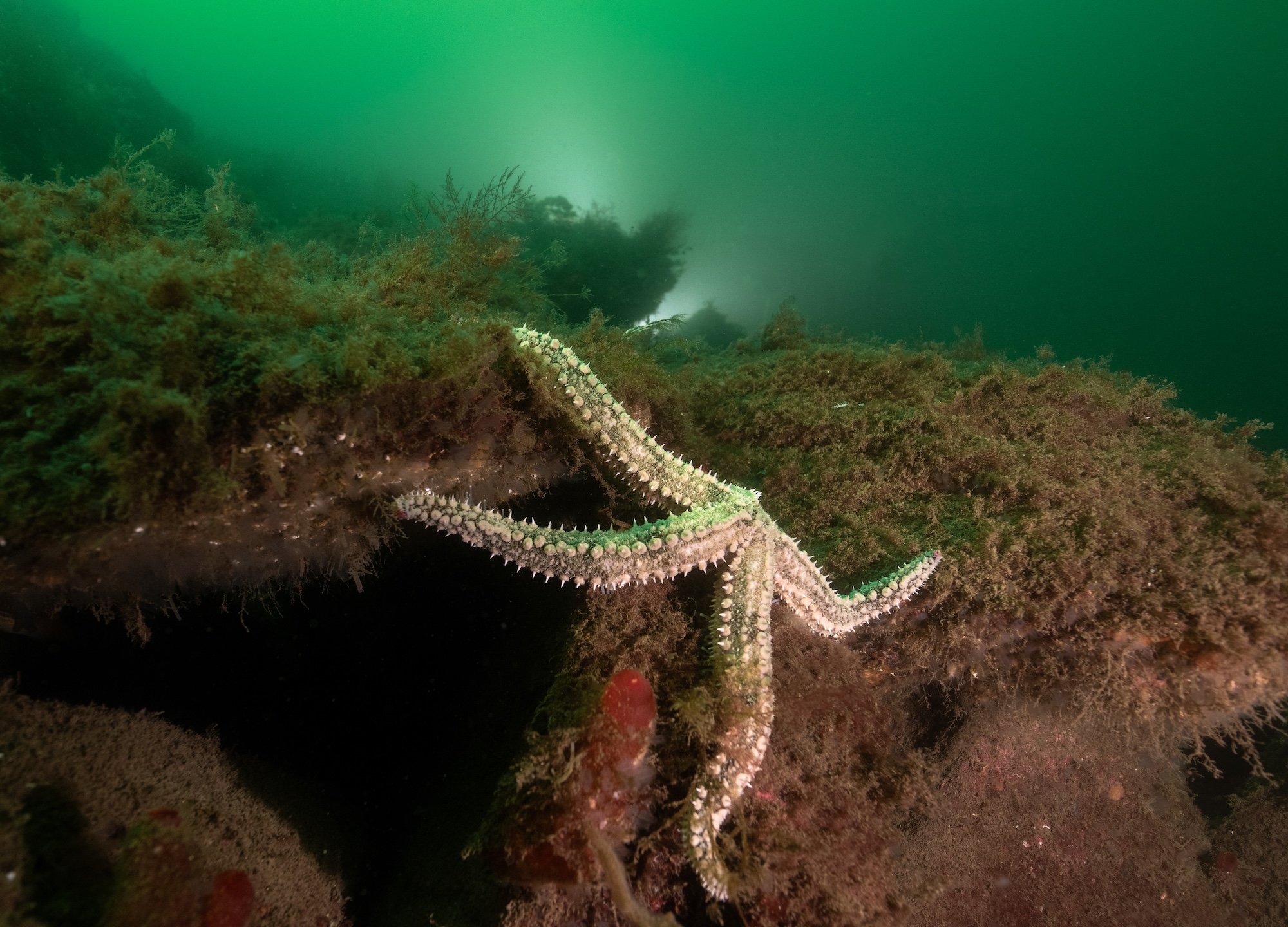
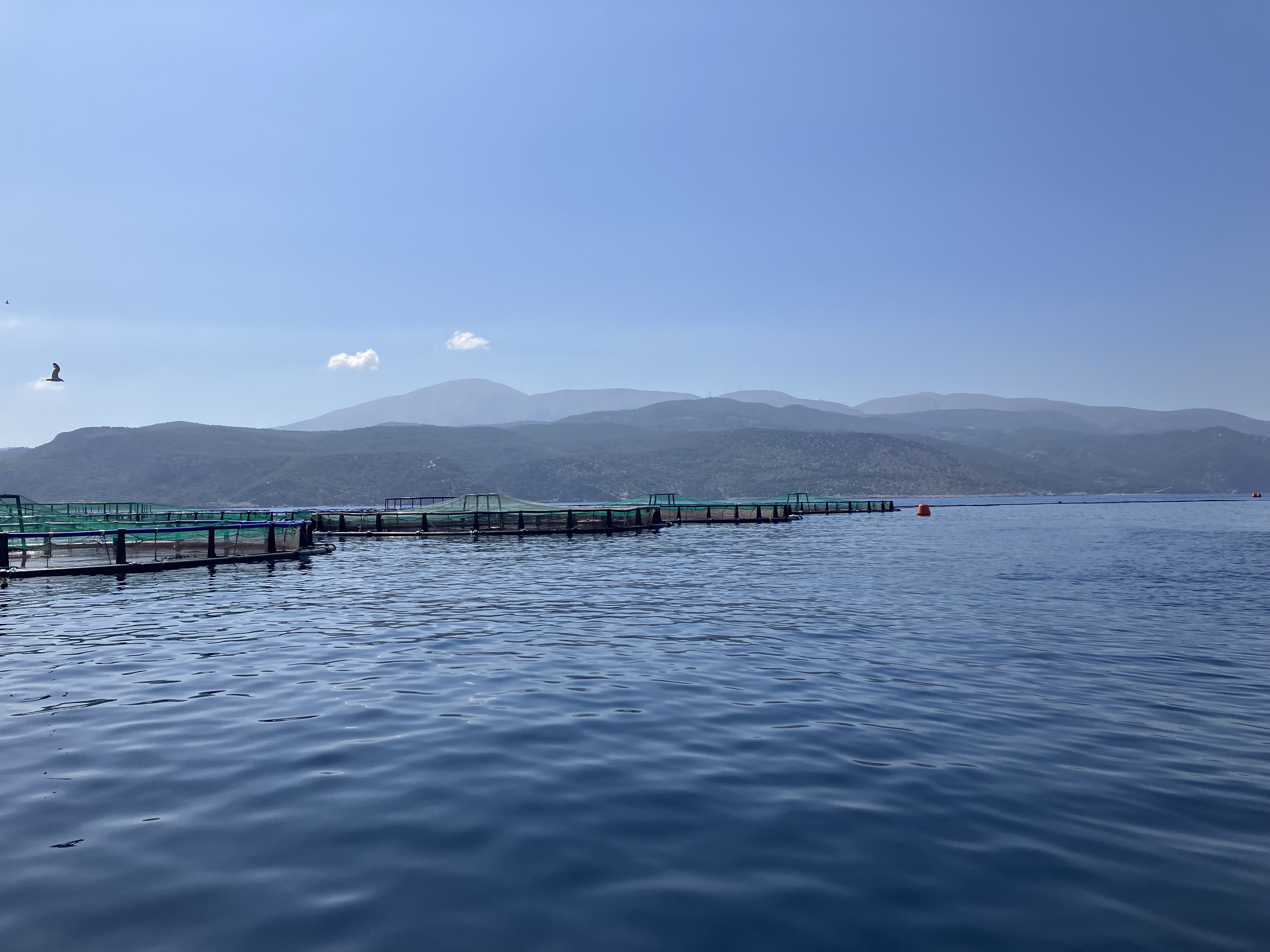
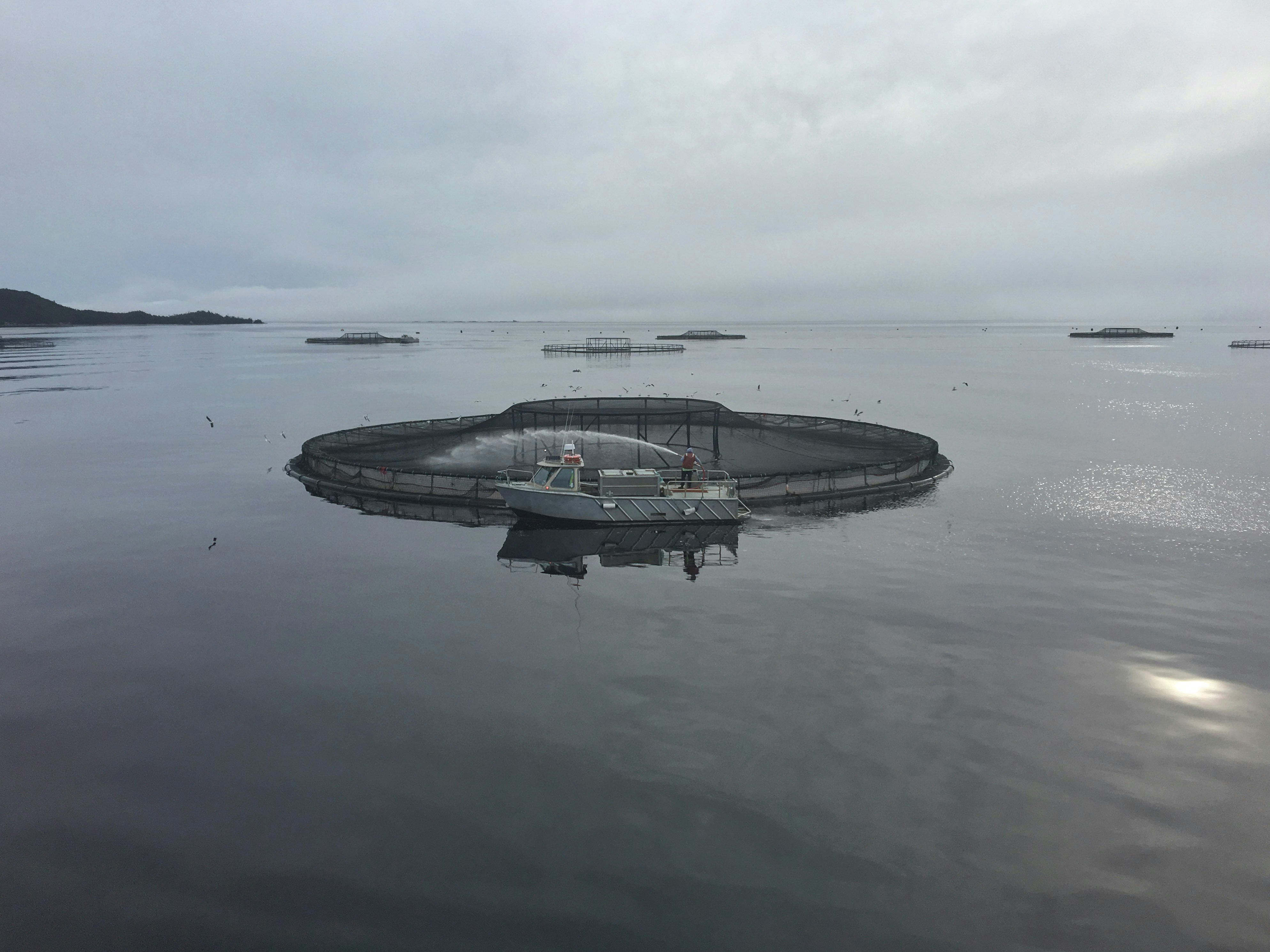
Earlier this month, Mowi Scotland sent me a press release and some underwater photographs taken around its salmon farm at Loch Hourn. The images were taken by a dive team from Tritonia Scientific, an independent marine survey consultancy, after Loch Hourn was the subject of a recent environmental pollution report. They show how a huge range of species is thriving, with the seabed and mooring lines teeming with life from feather stars, kelp and sponges to squirts, jellyfish, wrasse and anemones. 

The press release also included some comments from Stephen MacIntyre, Head of Environment at Mowi Scotland.

“Protecting our marine environment is at the heart of everything we do,” he said. “That’s why we commissioned an independent environmental survey of the seabed and waters around our salmon farm at Loch Hourn.”

“There are a lot of misconceptions around the environmental effects of fish farming, with rush to judge and apportion cause and effect,” he continued.” In response, it’s important we acknowledge such concerns but that we also investigate, monitor and transparently present observational field data to inform more reasoned opinions. At Mowi, we are committed to responsible and sustainable operations that ensure we meet our environmental standards and thresholds. We take any concerns that we are not operating to those standards seriously. When claims were made that our farm was harming the loch, we investigated. The results are clear: salmon farming in Loch Hourn is not damaging the marine ecosystem. In fact, it’s coexisting with it.”

“The photos definitely speak for themselves. This is what responsible fish farming looks like in a well-managed environment,” MacIntyre concluded.

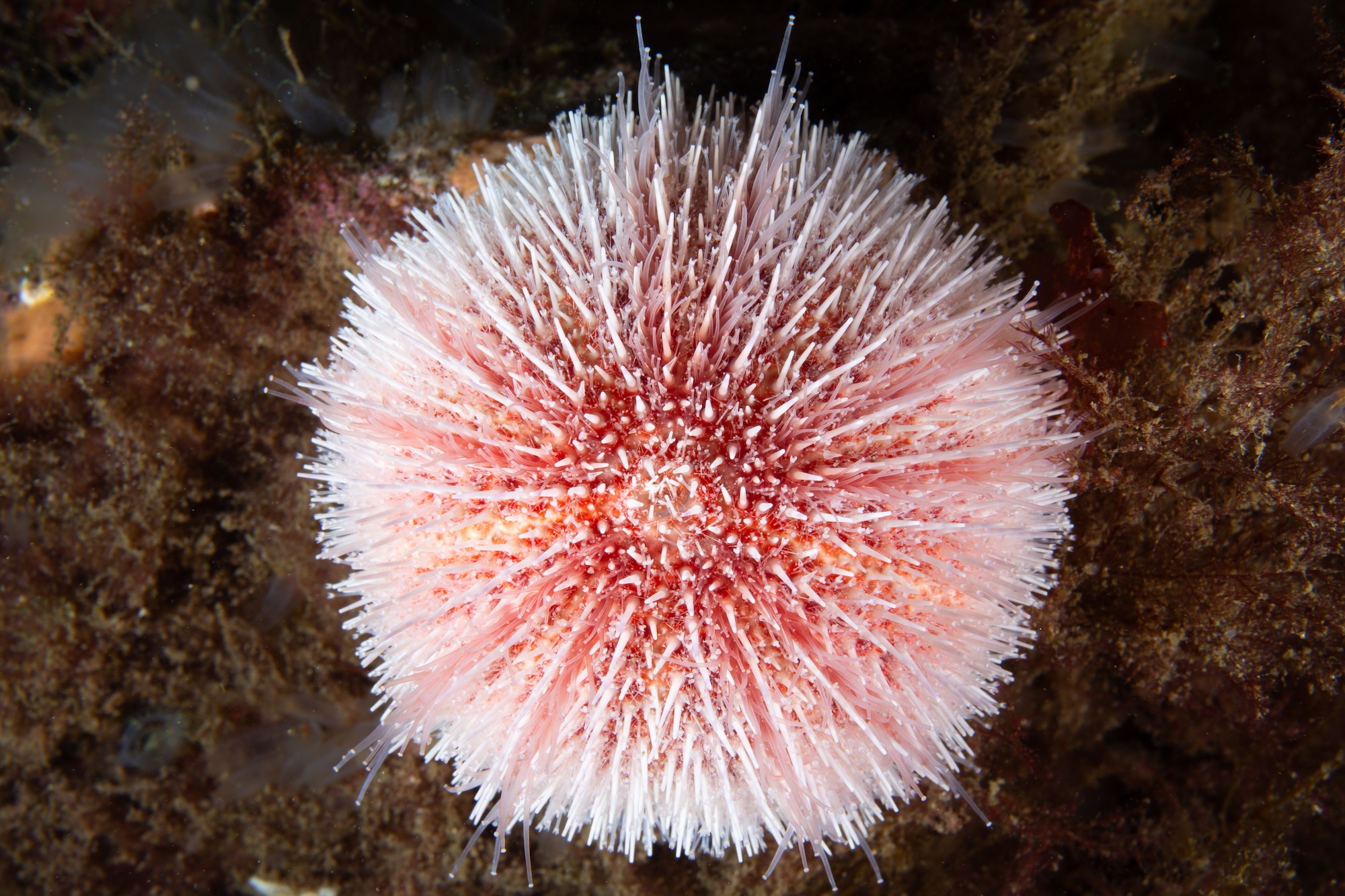
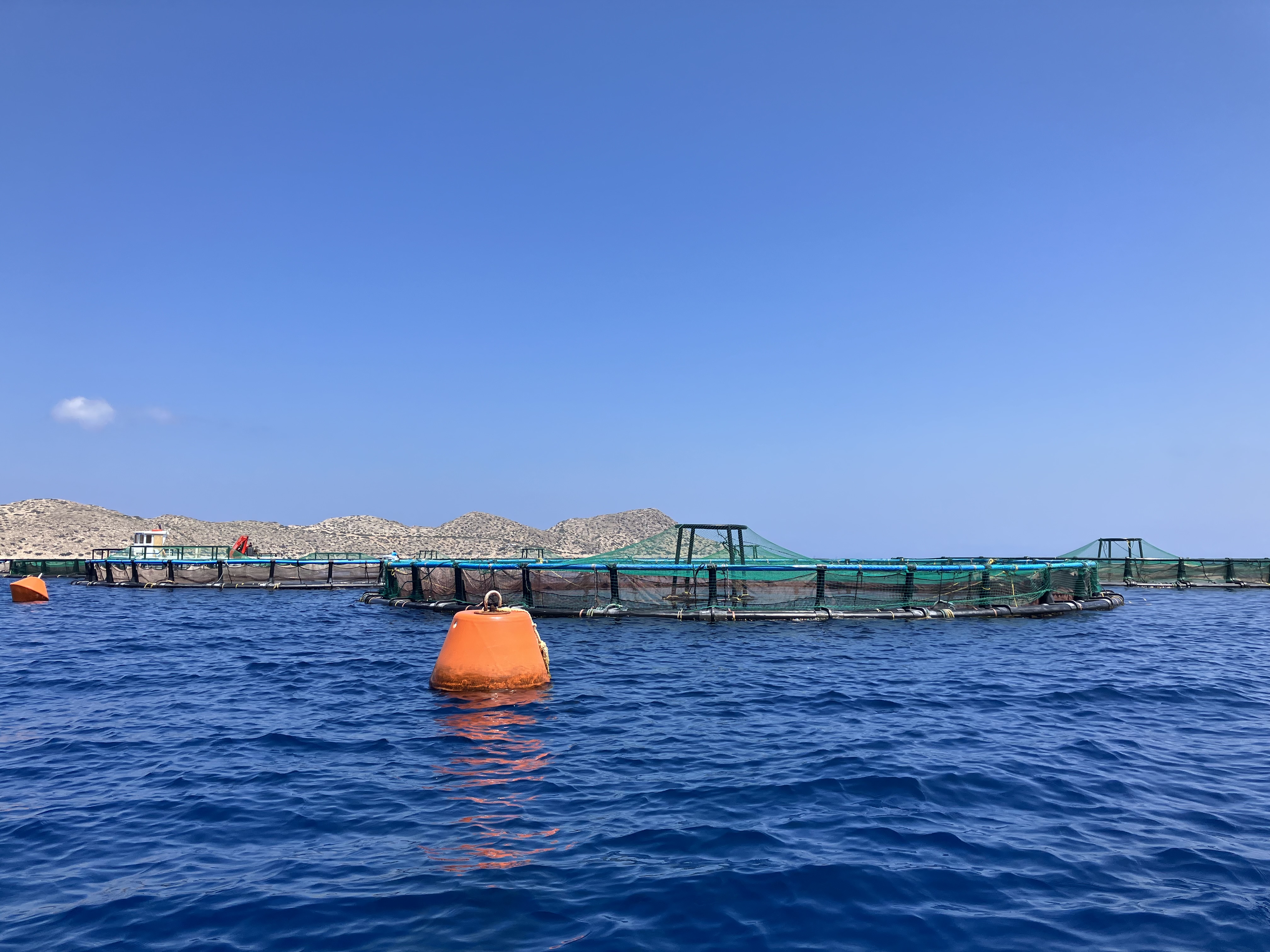
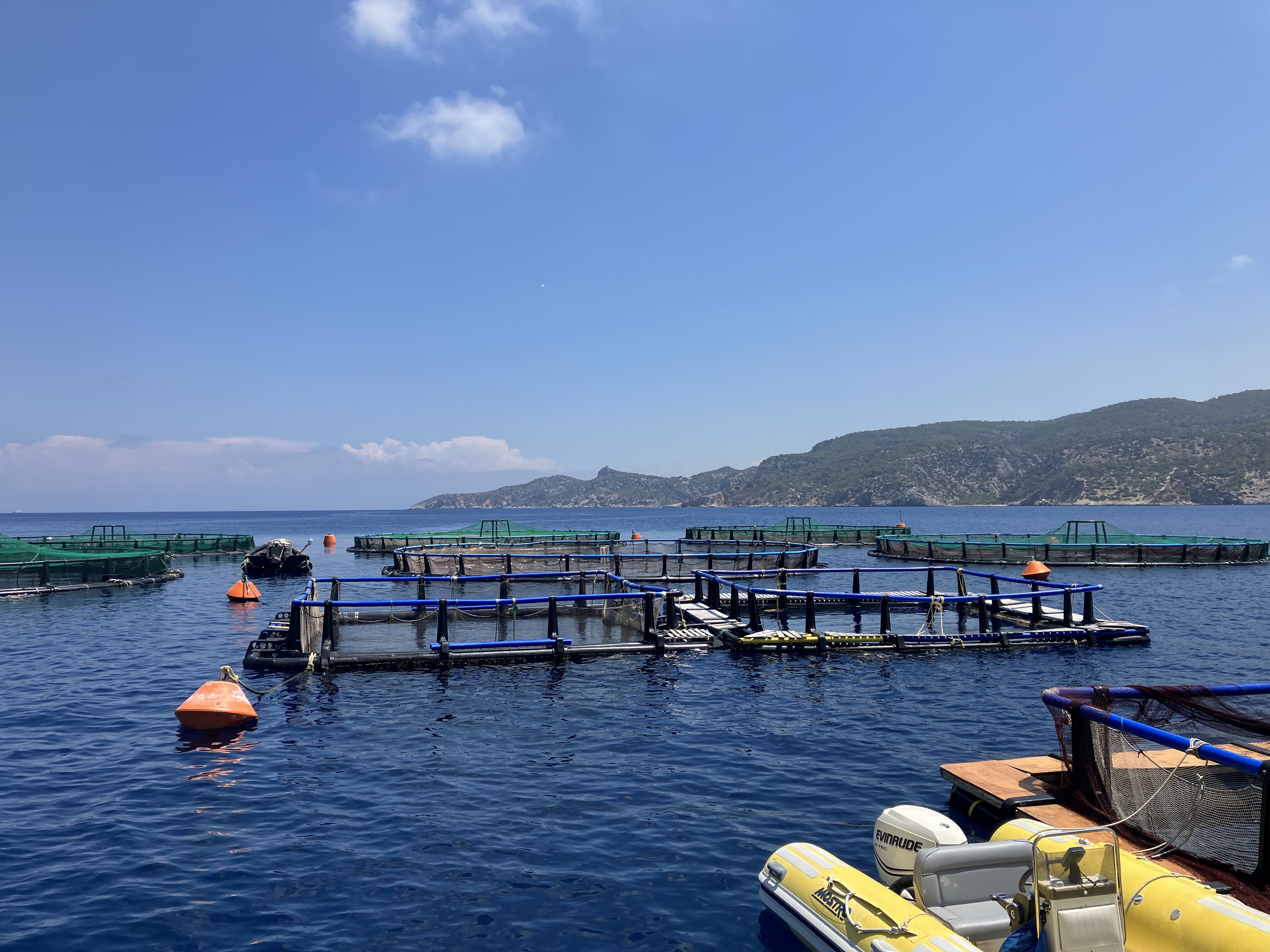
Fish farming is a huge food production sector that contributes to the global economy, food safety and more specifically to rural development in coastal areas where employment opportunities are often limited, e.g. islands. However, with the global push towards sustainable development and blue growth, understanding and addressing the environmental impacts of fish farming is crucial. We often hear about its negative impacts, such as water pollution from the release and accumulation of waste, the transmission of disease, escapes and the use of antibiotics and chemicals. However, when done wisely, fish farming can be part of the solution, slowing or stopping the negative impacts and helping to restore ecosystems. As Mowi Scotland’s photos show, Atlantic salmon and the wider ecosystem in Loch Hourn can flourish side by side. This is just one of many examples of how offshore fish farms can co-exist alongside, and significantly benefit, marine life. 

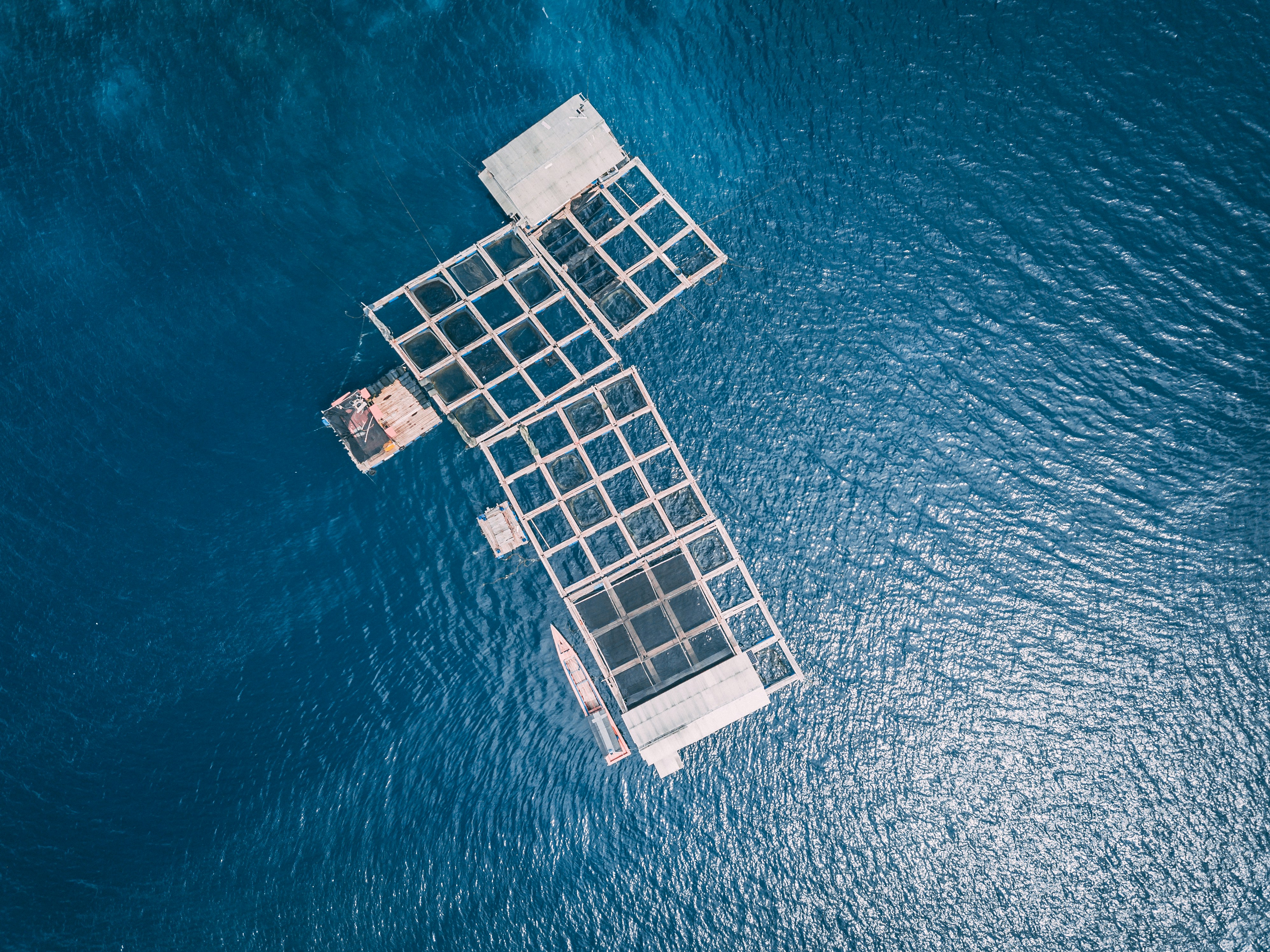
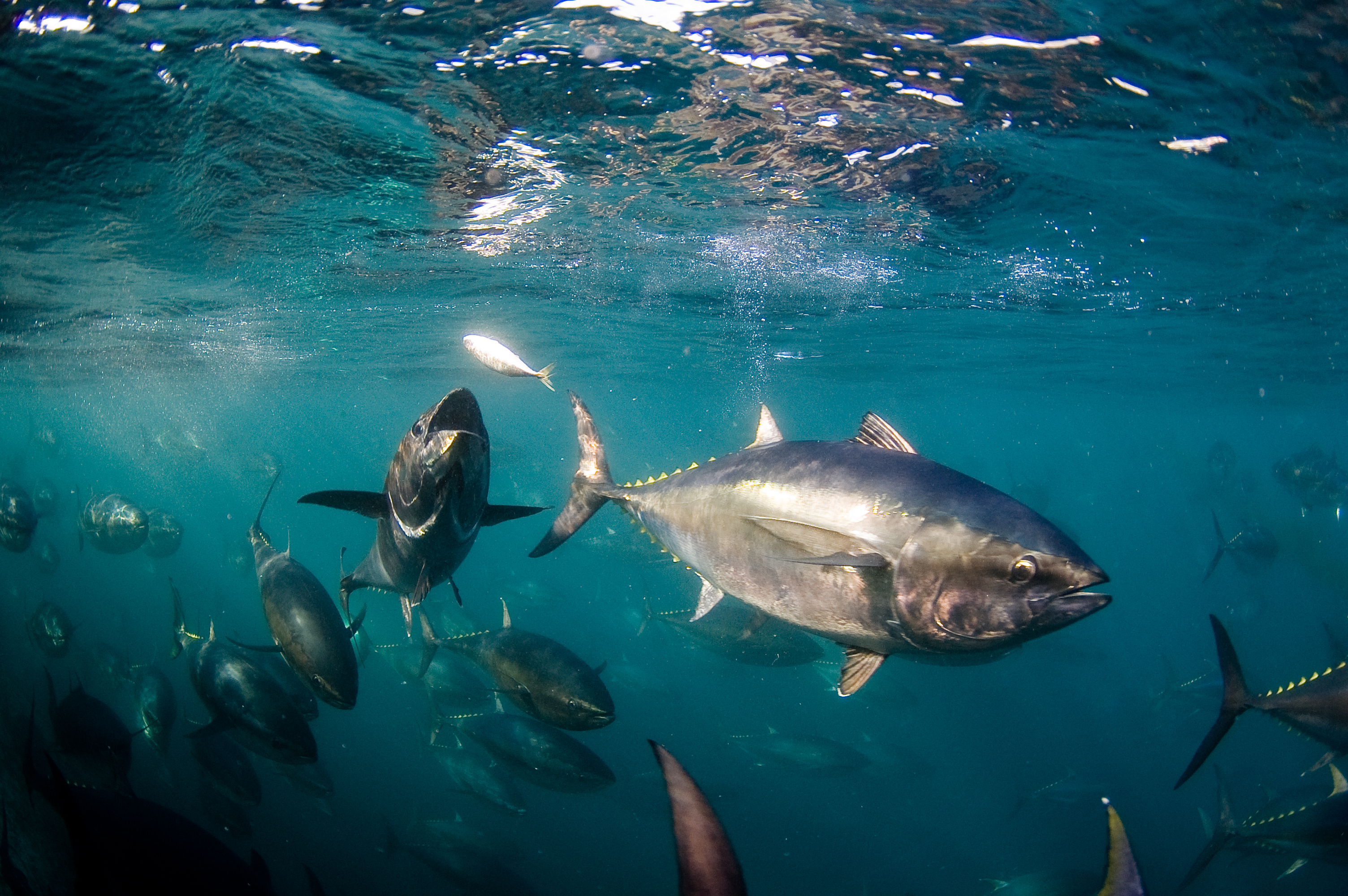
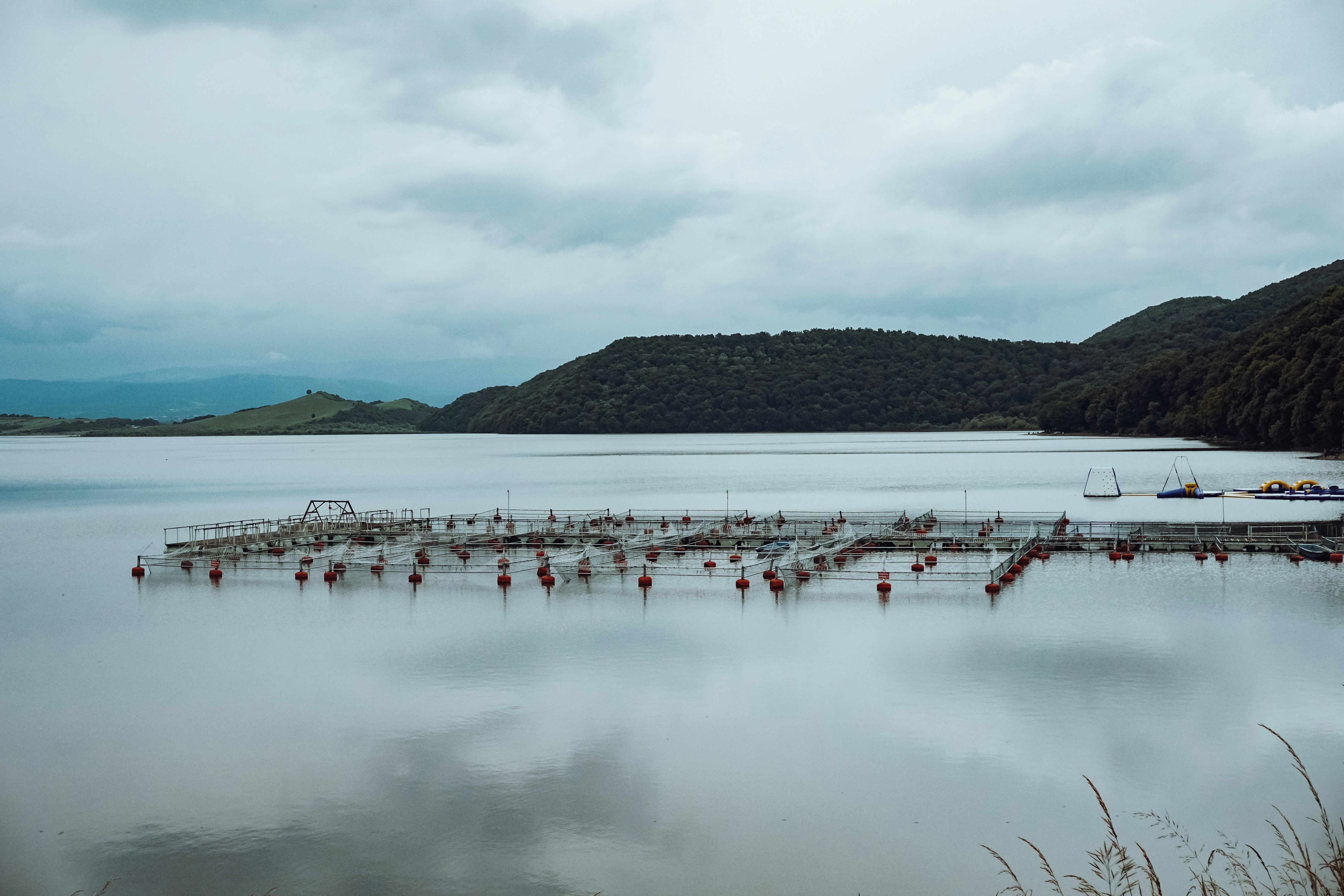
In the Mediterranean, finfish, in particular bluefin tuna farming, is one of the most common types of aquaculture. There, one study confirms the benefits of fish farms to the surrounding marine environment. Researchers at the Institute of Oceanography and Fisheries in Split, Croatia, say that wild fish aggregations near caged farms can persist year-round due to abundant food supplies. Fish are also attracted by additional structures that provide protection and numerous favourable habitats for juveniles. According to the researchers, this impact of aquaculture on marine life can be considered positive as it enables adults to be in good condition for future spawning, while artificial nursery grounds can be provided for juveniles that inhabit areas within aquaculture installations. Considering the fact that each fish farm represents additional nutrient/energy input into the surrounding ecosystem, the role of wild marine biota aggregated around farming sites is also important in preventing local degradation of the environment.

The study concludes by saying that well-balanced, properly managed marine aquaculture operations should not significantly alter the surrounding environment. It adds that identifying potentially suitable areas for fish farming should take into account the ecological, technological, economic and socio-cultural impacts of different locations to avoid any environmental pressures. 

Researchers at the University of Michigan agree that carefully managed farms make it possible to farm more food from the sea while reducing any negative impacts on biodiversity. In order to predict the impact of increased seafood production, the researchers built a model to determine the effect of offshore farms on over 20,000 species of marine fauna, and how this could change by 2050 depending on what was farmed and where. They found that building farms in the most eco-friendly areas led to promising results for both fish and shellfish. Bivalve production could increase by 2.36-fold and finfish production by 1.82-fold compared to current production, while global farming impacts would decrease by up to 30.5 percent under the best-case scenario. The researchers also point to the importance of strategic planning when installing farms and working with experts from various fields who can assess a wide range of considerations.

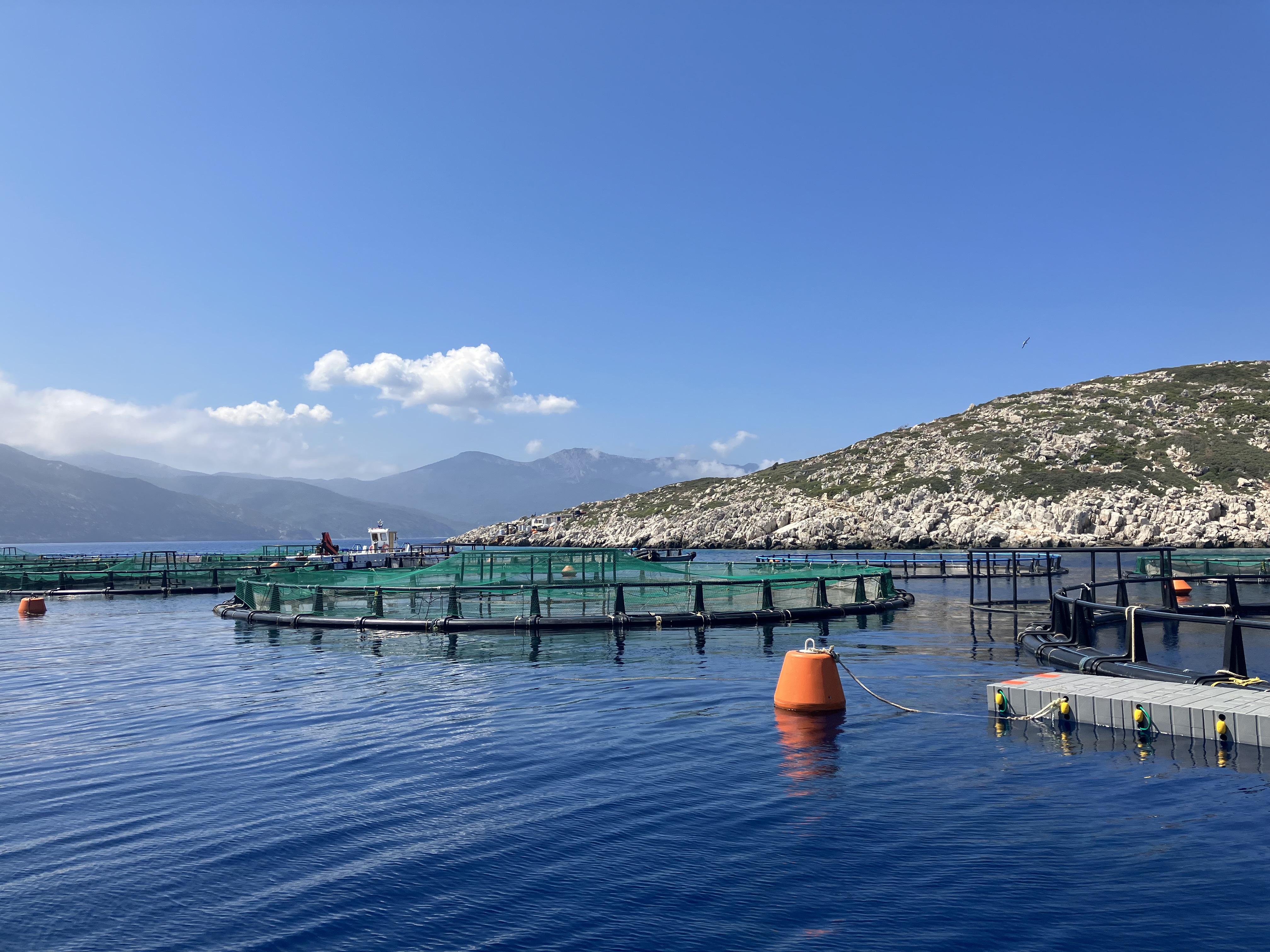
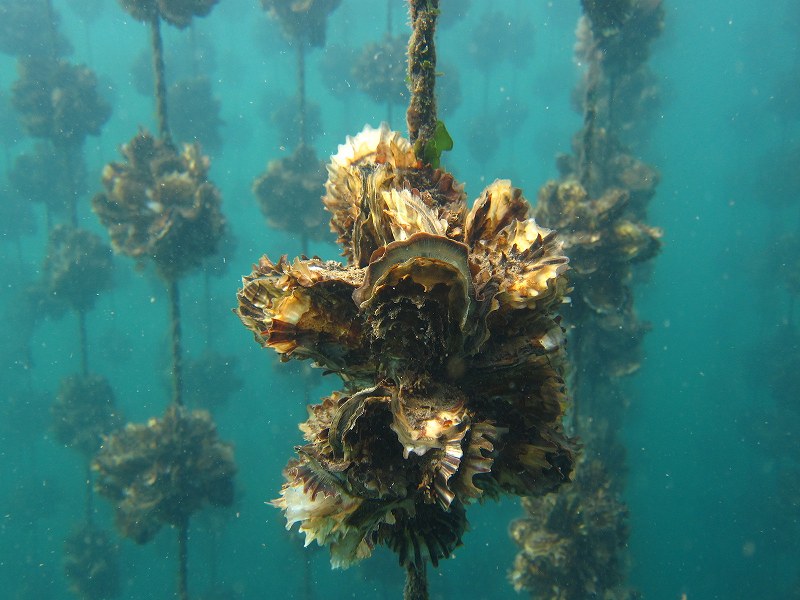
Shellfish aquaculture is also deemed as having positive effects on the marine environment. Not only is it able to improve water quality by assimilating nutrients from surrounding waters, but it also provides habitats to juvenile fish in areas where oyster reefs, algae ecosystems or seagrass beds have degraded. Compared to fish, shellfish typically do not require any chemical treatments such as high amounts of antibiotics. One of my favourite examples of shellfish farming improving ocean health and biodiversity is mussels. These can be grown on ropes suspended in the water, resulting in little to no habitat disruption. Because they feed naturally by filtering algae and other plankton, they also play a key role in improving the quality of the surrounding water. In addition, by creating biogenic reefs on the seafloor from clumps and shells, it’s possible to attract a range of species from demersal fish to macroalgae and mobile benthic invertebrates. Studies in New Zealand’s Hauraki Gulf also show that mussel farms not only support marine biodiversity but also increase wild fish populations. Research at the University of Auckland has revealed that marine species near mussel farms display greater diversity and abundance. Fish also appear to consume more nutritious diets near farm sites, suggesting that mussel farms can bolster biodiversity and fisheries productivity when implemented in the right locations. 

These examples represent a paradigm shift in farming at sea, transforming it from a potential environmental threat into a tool for increased biodiversity and restoration. As aquaculture expands and we look to the future of sustainable, responsible seafood production, fish and shellfish farming stand out as promising solutions, acting as biodiversity hotspots, nurseries and places of refuge for a variety of species. With continued research and development, they have the potential to make a difference by playing key parts in the production of sustainable protein and contributing to marine conservation objectives. This, in turn, is likely to greatly boost social and economic benefits in certain areas. Hopefully, these efforts will continue and we reach a future where more fish and shellfish farms help restore and protect marine biodiversity while feeding the world.




All about krill

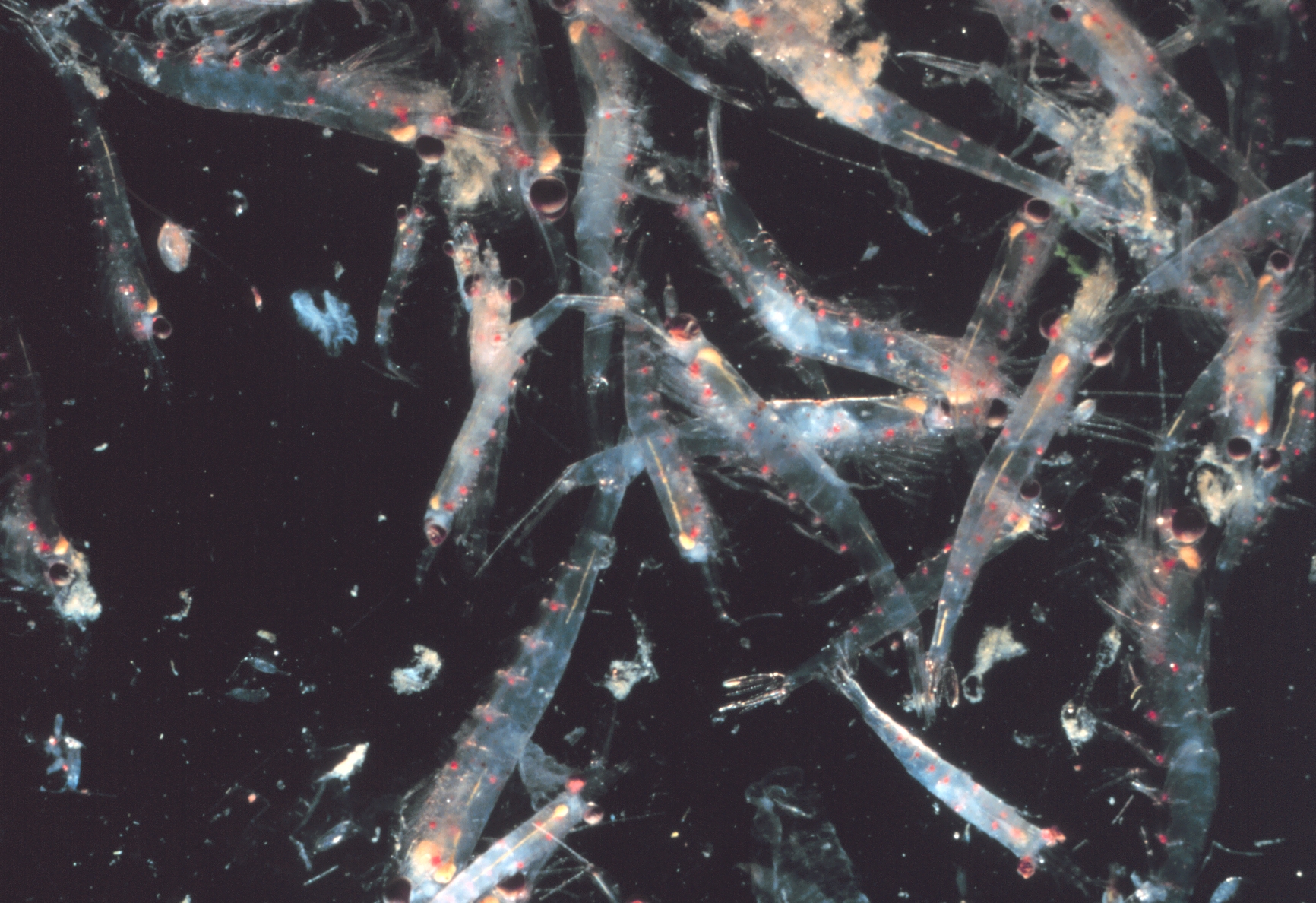
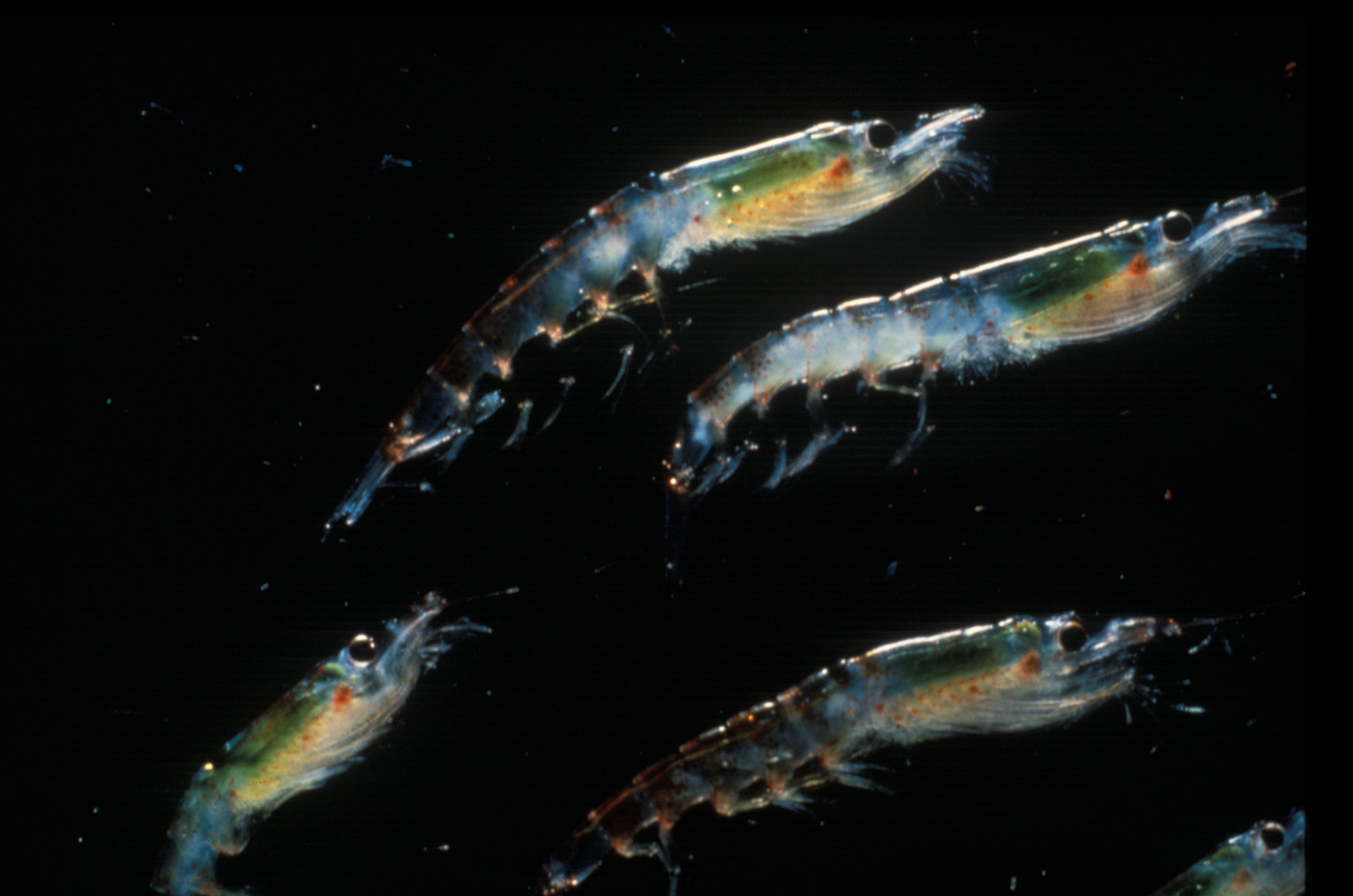
Amidst the feed ingredients that are emerging as viable protein sources in the face of growing global food demands, krill stands out as a particularly promising one for future salmon production. But what makes it so appealing, and how is it being integrated into salmon diets?

At the North Atlantic Seafood Forum in Bergen last month, I listened to a presentation by Sigve Nordrum, CCO of Aker QRILL Company, an Antarctic krill-harvesting company that develops krill-based ingredients. During his talk, Nordrum introduced some of the most important health issues in farmed salmon in Norway, including delousing injuries, gill disease, wounds and vinter ulcers, before highlighting the ability of Antarctic krill (Euphausia superba) to provide salmon with a package of nutrients, attractants and proteins, such as peptides, astaxanthin, choline, phospholipids and omega-3s. He also introduced some studies, conducted by Aker QRILL Company, which show that krill meal can help to reduce sea lice (25% reduction in sea lice compared to a control diet), heal wounds (55% reduced scarring and better gross appearance of wounds compared to a control diet), reduce melanin spots (0% melanin spots in salmon given krill meal compared to 13% in salmon on a control diet), and offer better growth and reduced mortality. 

These advantages, the feed attractant properties of krill, which enhance feed intake and growth performance, and the transfer of astaxanthin to salmon fillets, improving pigmentation and overall fillet quality, really stood out to me during the presentation. It was clear why one of the most abundant animal species on the planet is a front-runner as a possible fishmeal and fish oil alternative. 

Krill is usually integrated into salmon diets during the final production stage before harvesting. It is integrated primarily through feed that is made from dried and ground krill, and krill oil. It is added as a supplement in small amounts, no more than 10%, in order to provide an array of benefits. Because it cannot be taken as a regular protein source or as a complete fishmeal or fish oil replacement, it is considered a feed additive and must be used strategically, taking all key nutrients into account, in order to make it cost-effective. According to a 2022 research paper, just 8 – 10% of krill meal for 10 to 12 weeks is considered sufficient to achieve growth performance benefits.

Before delving into the potential of krill in salmon farming, I did a bit of reading to find out more about the positive attributes of these small, shrimp-like creatures, and learned about their importance to the health of the ocean and the atmosphere. Interestingly, they can increase the store of carbon in the deep ocean by releasing essential nutrients such as ammonium and iron into the water (these nutrients are excreted as waste products through faeces.) Tiny plants at the base of the marine food web, like phytoplankton, can then use these nutrients to photosynthesise and grow. Krill can increase the store of carbon in the deep ocean because their faeces, in pellet form, sinks quickly and remains on the sea bed for years. One study shows that young krill that live near sea ice may be particularly important in the carbon sink because they live deeper in the water column compared to adult krill. This means that any faecal pellets released by younger krill could escape any currents that may return them to the surface, and instead sink further until they reach the deep.

Meanwhile, aquaculture has long been searching for different protein sources to reduce its dependence on marine resources. It is also becoming clear that aquaculture cannot rely on just a few sources of raw materials, especially scarce and limited marine resources. Aquaculture is now at a point where searching for new ingredients for the formulation of feed has become one of its key focal points. Over the years, krill meal has been vastly studied, and its benefits, such as improved feed intake, growth performance, fillet quality and fish health, have been well documented. 
The array of benefits that krill provides has contributed to increased demand for krill fishing from sectors such as pharmaceuticals, as well as aquaculture. These benefits have changed the nature of the krill fishery by showing that it’s possible to obtain more valuable products from krill than was initially thought, according to Dr. George Watters of the Antarctic Ecosystem Research Division at NOAA. In addition, logistical, sustainable and harvesting concerns remain over how much krill is fished and from where. Catching and processing krill can also be expensive, while concerns are high that krill fishing could decrease the species’ carbon sink capacity and create competition for natural predators of krill. The Commission for the Conservation of Antarctic Marine Living Resources (CCAMLR), which manages the Antarctic krill fishery, has acted by regulating the total krill catch within a 620,000 tonne ‘trigger’ level across four regions in the southwest Atlantic, and establishing an overall catch limit of 5.6 million metric tonnes a year to prevent krill fleets from concentrating their fishing activities in small areas. Hopes are high that this could regulate fishing, ensure that krill’s natural predators have access to food, and protect krill stocks in a fragile ecosystem while making sure that the resource is healthy and sustainable. 

Aquaculture has acknowledged the issues that come with harvesting krill. While committing to keeping its krill fishery operations away from penguin colonies in the Antarctic Peninsula during breeding season, Aker QRILL Company has offered support for the Antarctic Wildlife Research Fund (AWRF) to promote Antarctic marine ecosystem research, including projects that focus on fishery management for Antarctic krill. Aker QRILL Company has also received an A rating from the Sustainable Fisheries Partnership for having a krill fishery in very good condition.

With more awareness towards the concerns, and at a time when the ocean is already under pressure from threats like climate change, krill fisheries and the use of krill, not only in aquaculture but also in other sectors, is drawing attention. Because these sectors benefit from krill, hopefully they will make positive contributions in return, for example supporting krill ecosystem-based management systems and working to ensure that fisheries do not have any negative ecological impacts. My hope is that they can work methodically and sustainably to ensure that resources like krill are being used responsibly.

On the road to recovery: post-disaster aquaculture and fisheries efforts in northeast Japan

Fourteen years ago, on March 11, 2011, at 2:46pm local time, an M9.0 earthquake occurred off Tohoku, northeast Japan, on the island of Honshu. It was the most powerful earthquake ever recorded in the country. 

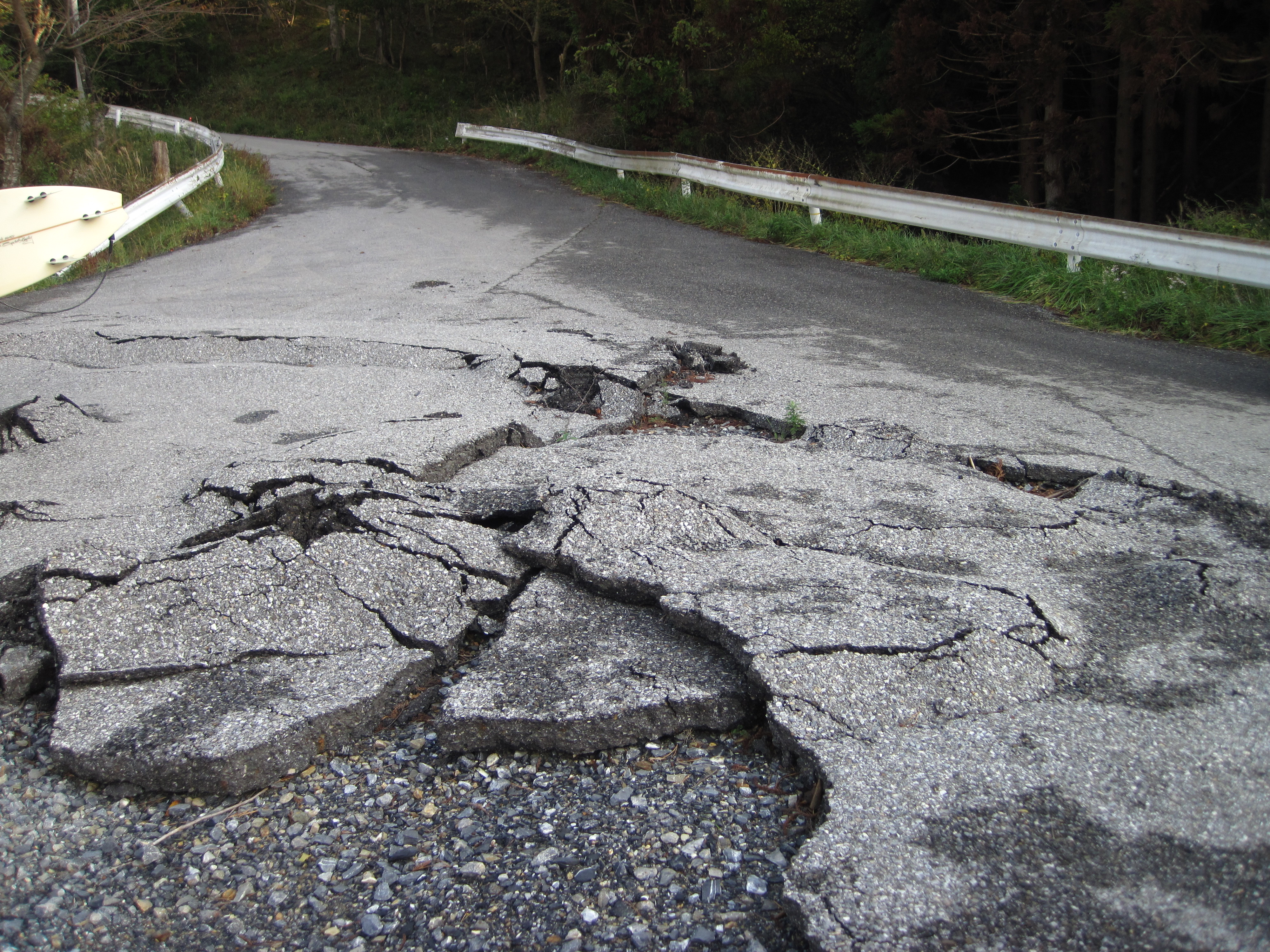
The epicenter was 80 miles (130km) east of Sendai and 231 miles (373km) northeast of Tokyo. Ground shaking lasted for over five minutes in many areas, including Tokyo, while the quake generated a devastating tsunami. In addition to thousands of destroyed homes, businesses, roads and railways, the tsunami caused the meltdown of three nuclear reactors at the Fukushima Daiichi Nuclear Power Plant. This released radioactive materials into the environment and forced thousands of people to evacuate their homes and businesses.

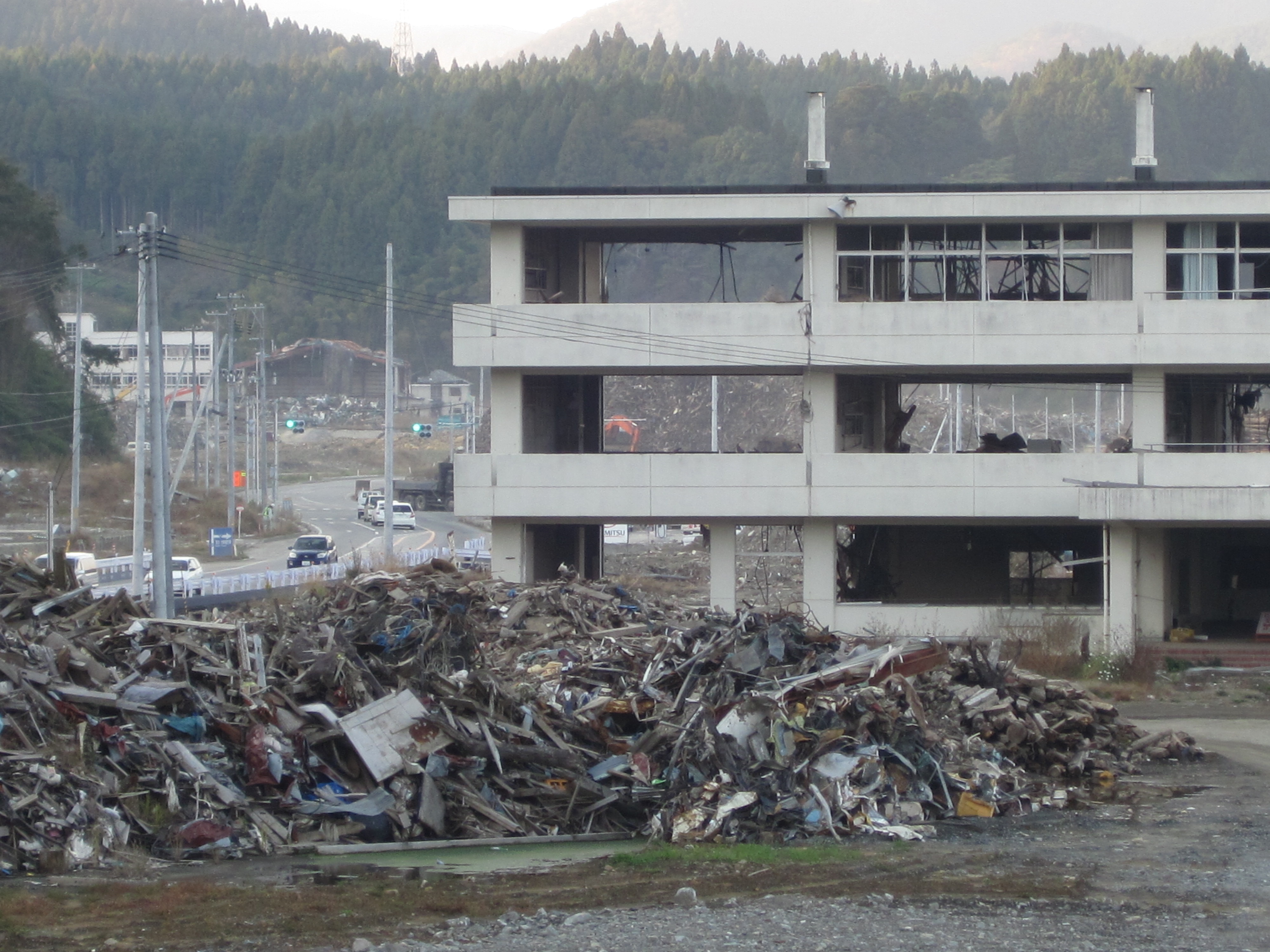
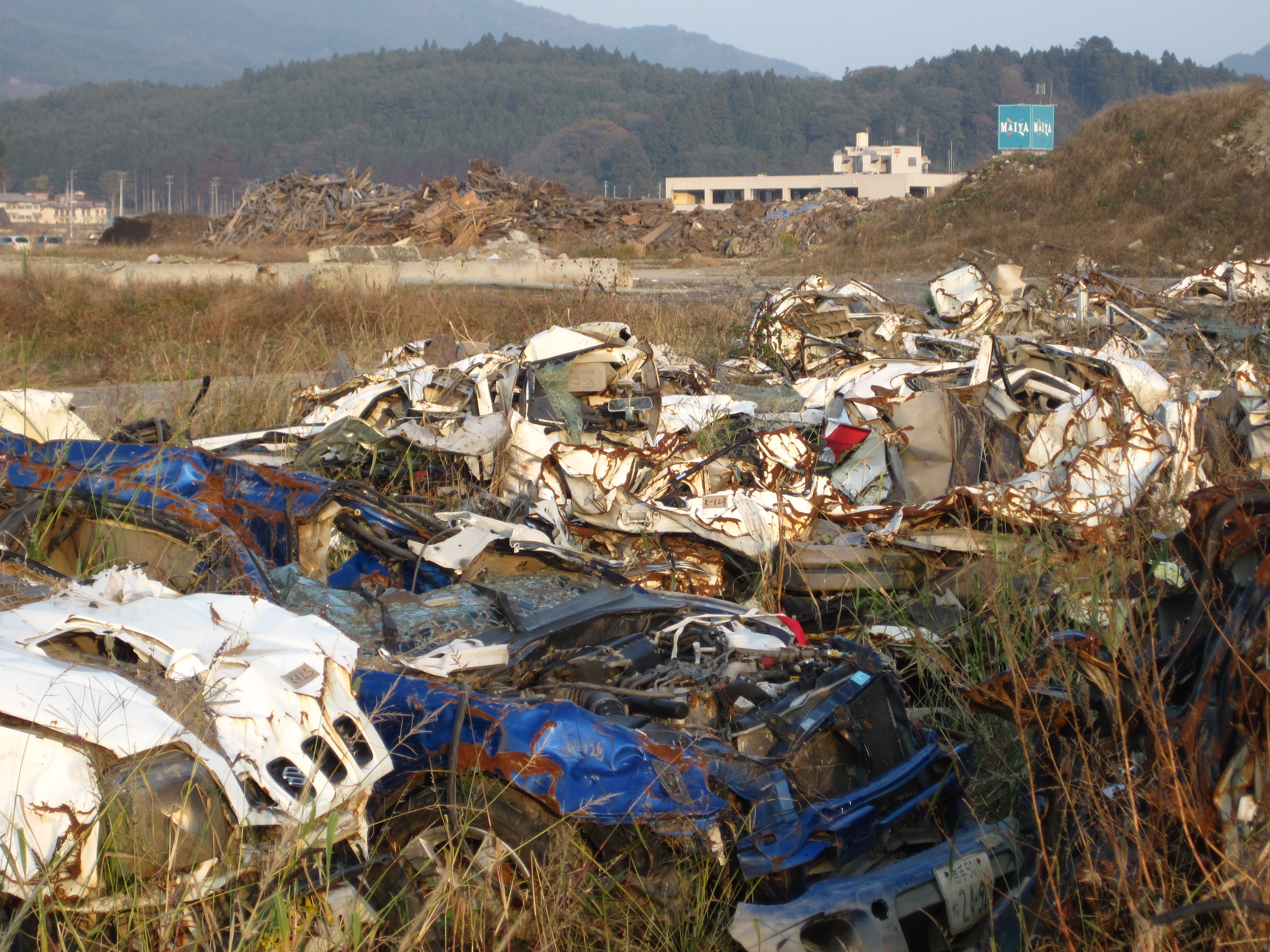
The damage to aquaculture was severe. Debris was deposited into subtidal zones, crude oil and toxic chemicals were released into the ocean and seaweed forests and tidelands were obliterated. Vessels, aquaculture-related infrastructure such as processing facilities, ice plants and refrigeration, harvesting grounds as well as equipment including farming structures and products were swept away or destroyed. Certain sectors of aquaculture, such as oyster farming in Miyagi prefecture, saw a decline in oyster sales, with seedlings ready for cultivation disappearing, and a huge decline in broodstock stopping all spawning and larval rearing operations. Seawalls and breakwaters were also destroyed, leaving aquaculture areas exposed and vulnerable to storms and further tsunamis, while hatcheries that reared abalone, sea urchin and flatfish for restocking purposes were badly damaged, in some cases 
resulting in an end to restocking programmes. 

The accident at the Fukushima Daiichi Nuclear Power Plant is a significant problem for Tohoku’s aquaculture today. Some of the biggest negative impacts facing the sector are an increased fear over food safety, seawater contamination and possible long-term radiation threats to food production. But things don’t end there. In 2022, the Japanese government approved a plan to release treated water from the nuclear power plant into the sea, as part of work to decommission the plant. This has faced criticism from local fishing groups fearing reputational damage and threats to their livelihoods, while neighbouring countries have expressed scepticism over the safety of the plan. As of October 2024, Tokyo Electric Power Company (Tepco), which owned the nuclear power plant, has released threated water into the ocean five times.

Hope amidst recovery
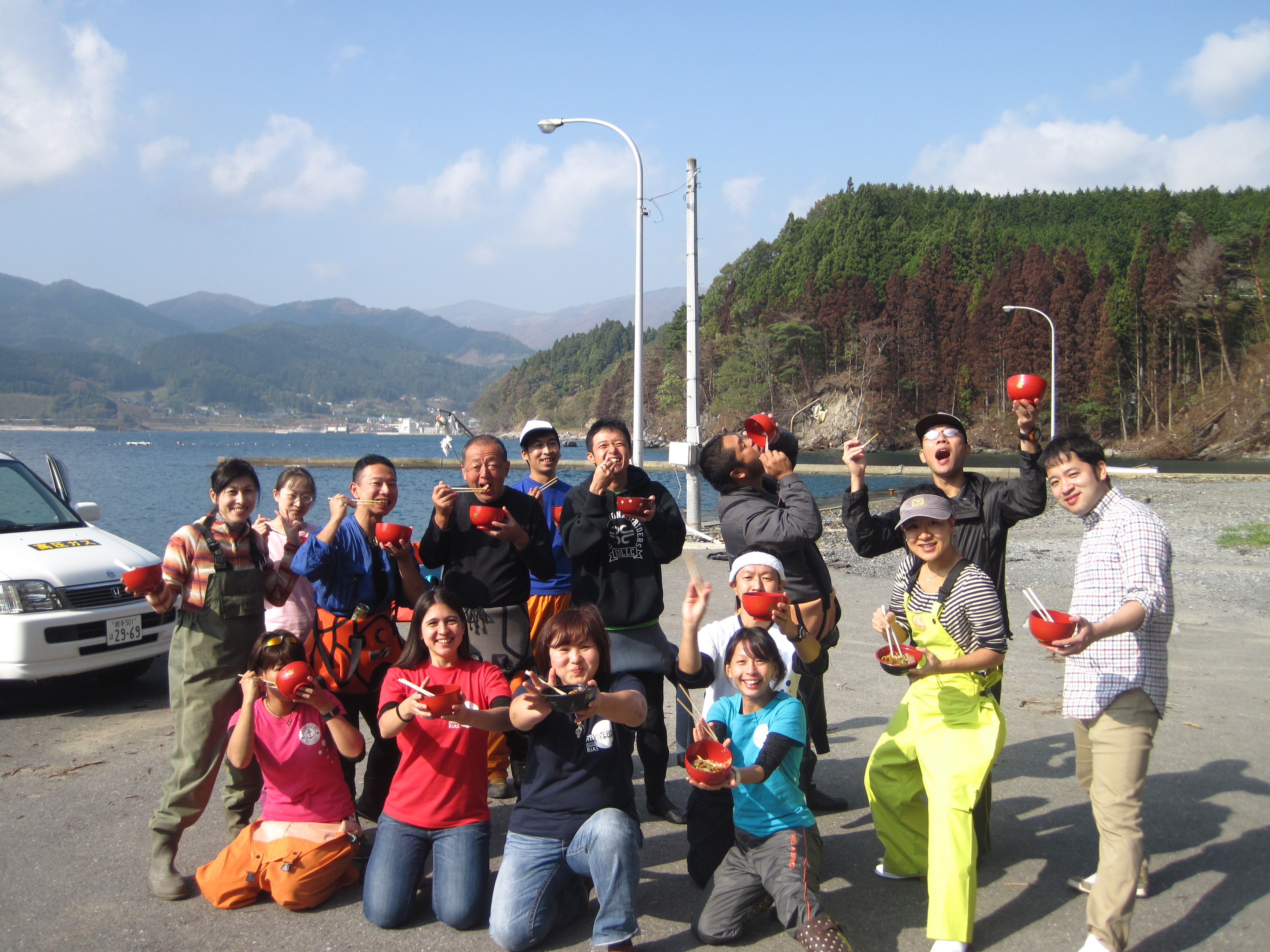
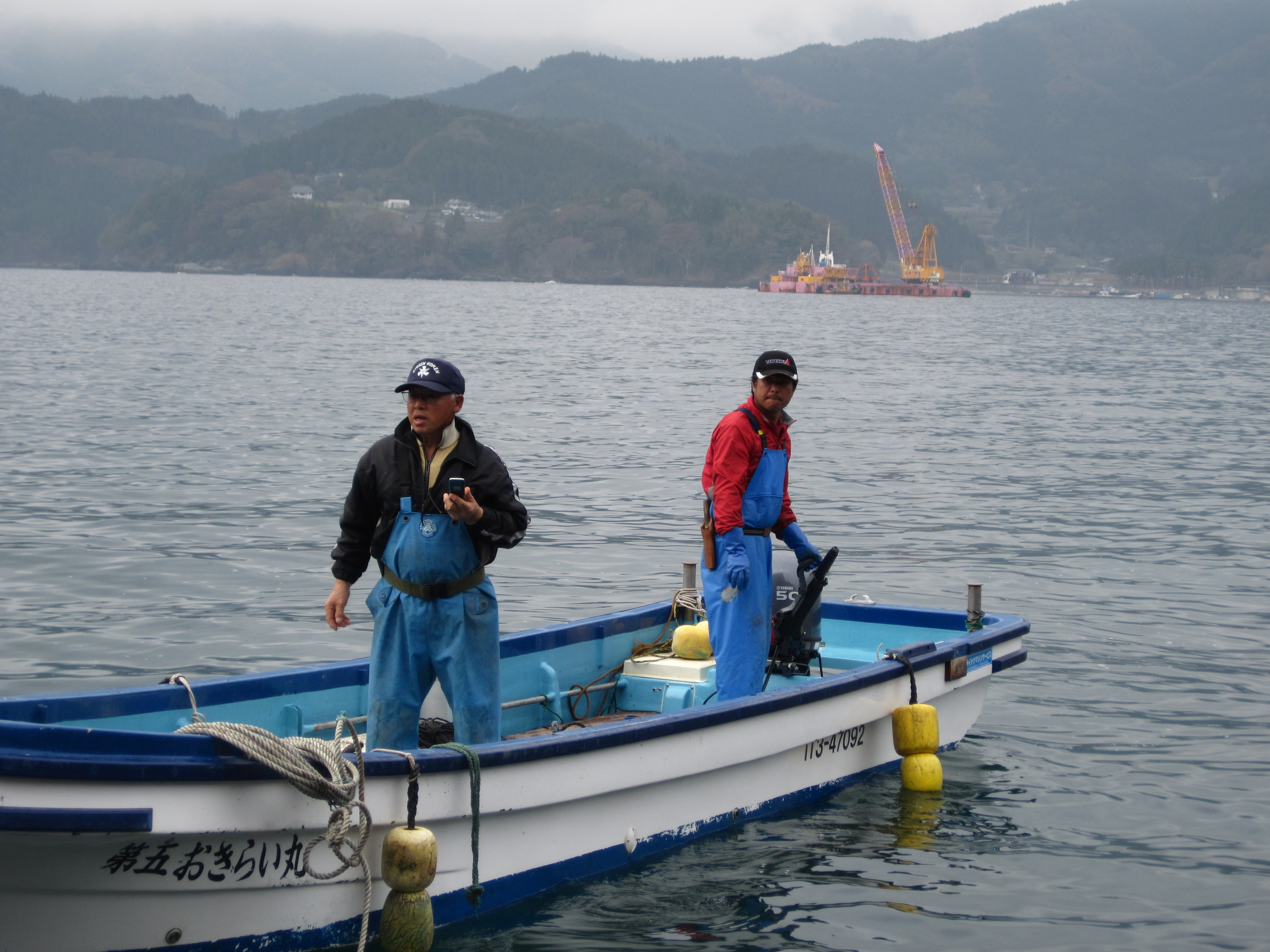
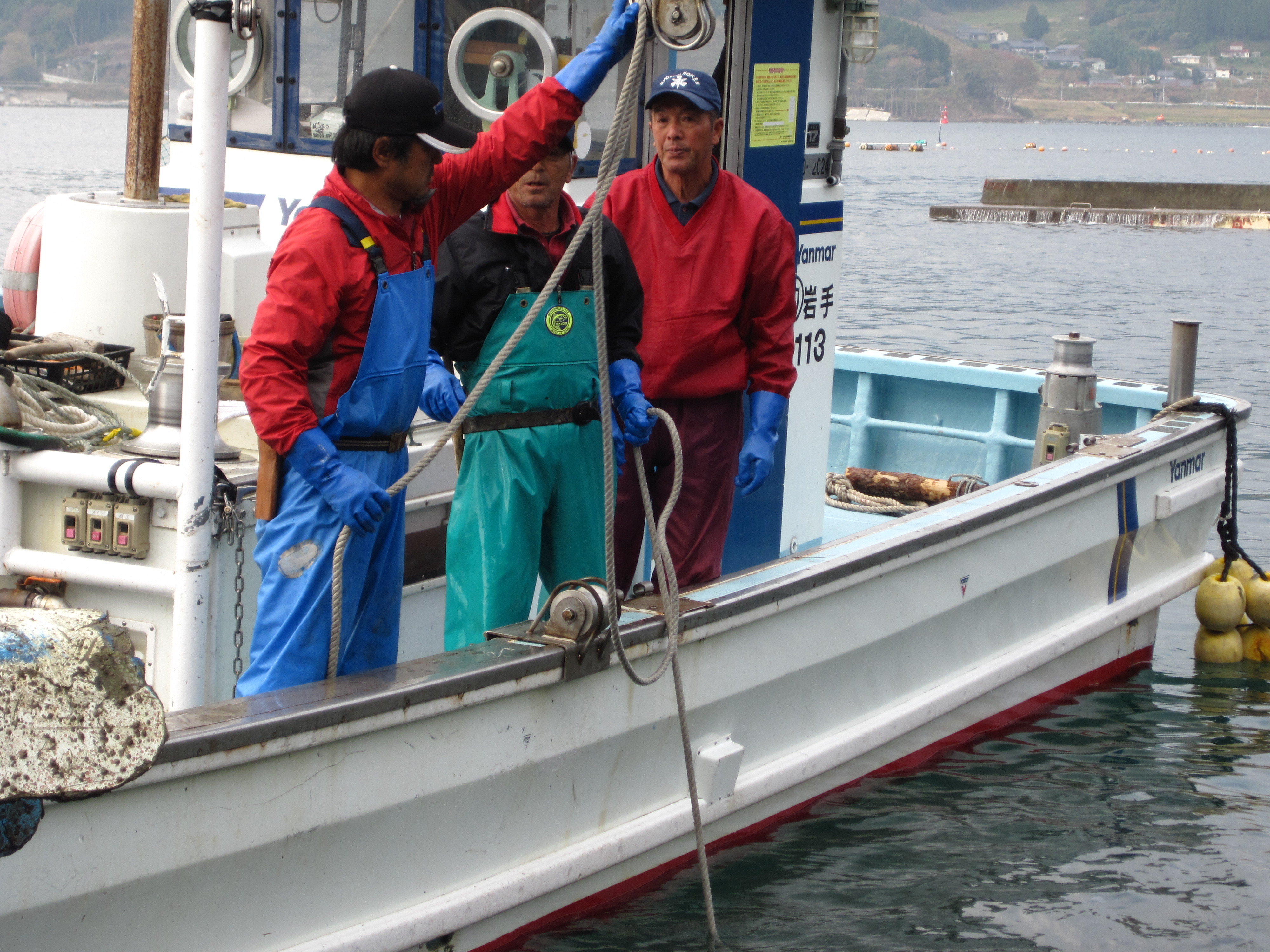
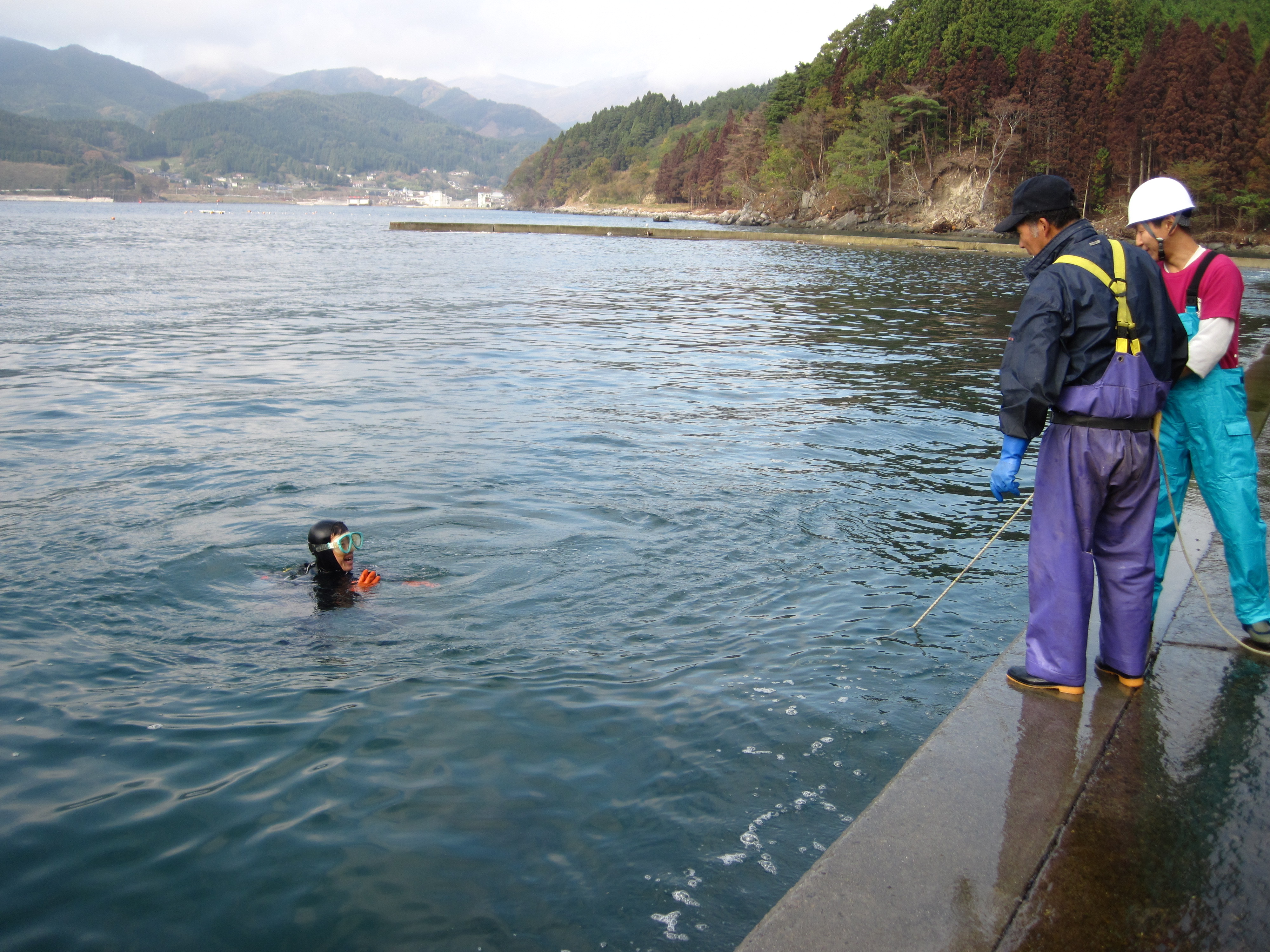
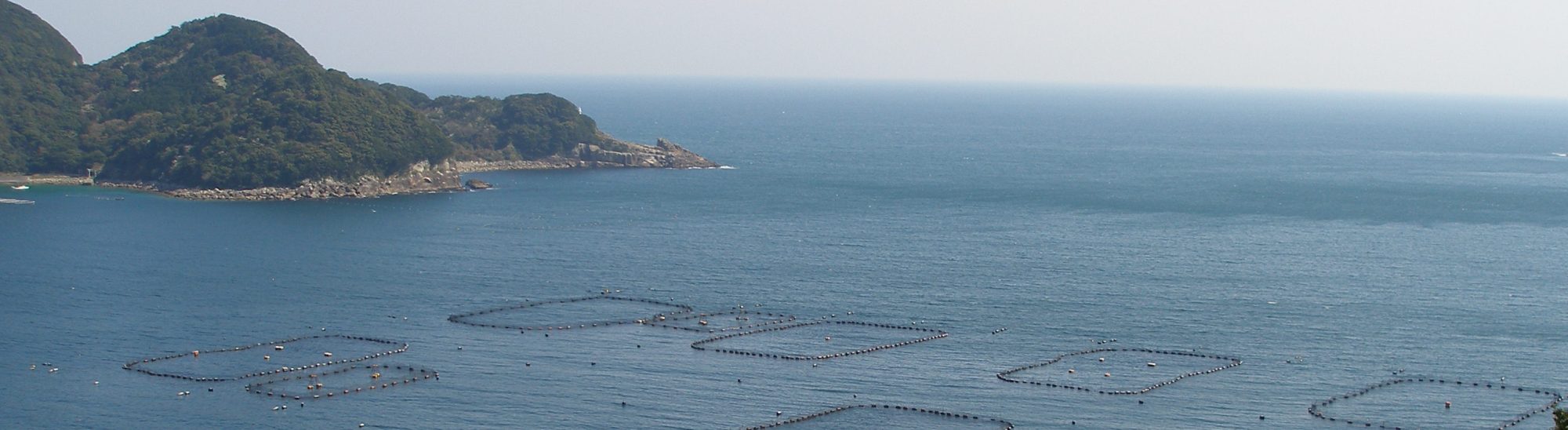
However, amidst the effects of the disaster, there have been encouraging examples of aquaculture recovery, one of which is oyster farming in Shizugawa Bay in Minamisanriku Town, northern Miyagi Prefecture, where oysters have been farmed since the late 1960s.

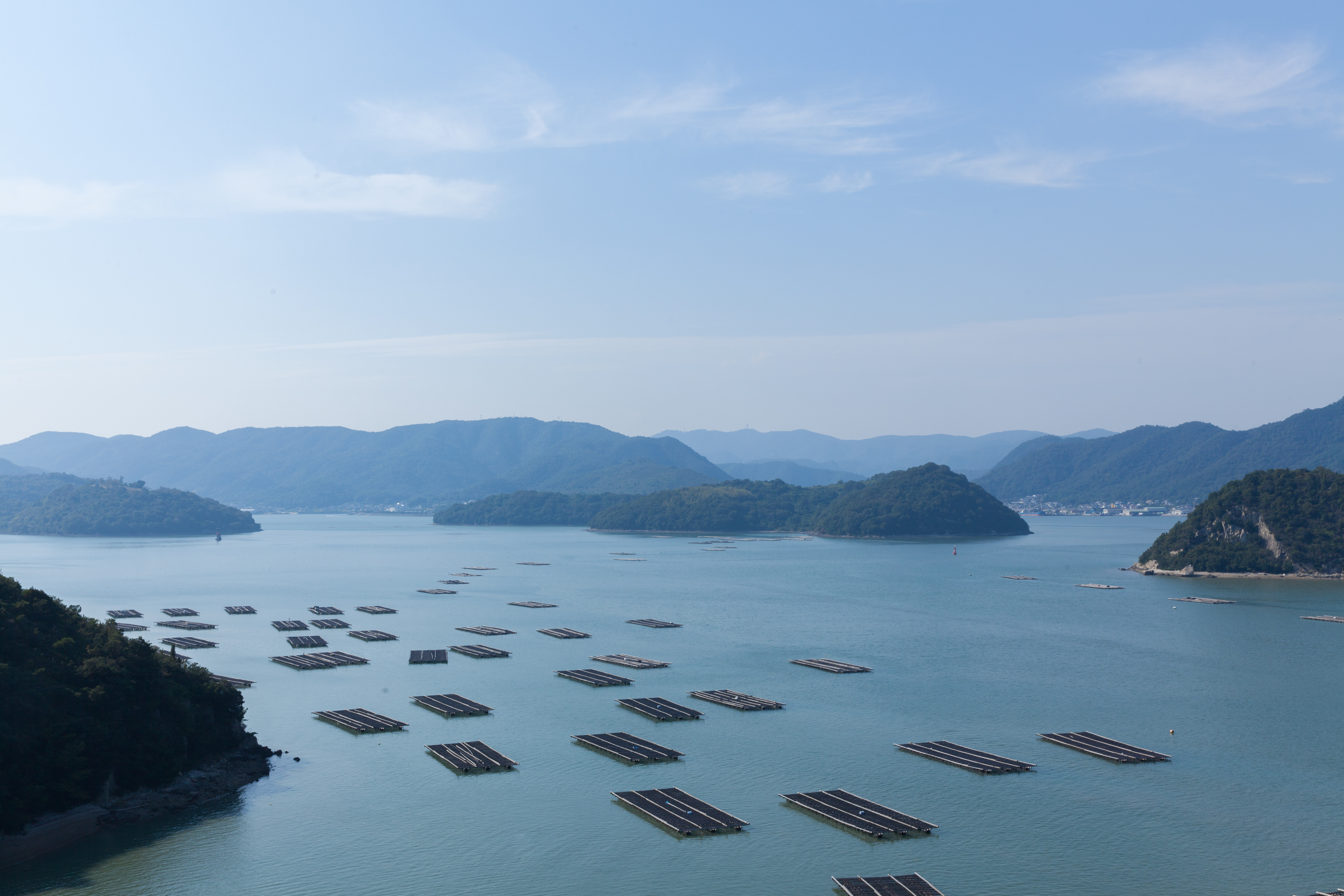
Despite the difficult position that oyster farmers were in, they were determined to look beyond the destruction. Helped by the fact that the sea floor was in a better condition than anticipated, the farmers saw a chance to rebuild, and embarked on various efforts to promote environmentally sustainable and responsible practices. They decided to scale down the amount of oyster rafts from over 1,000 before the disaster to 300. The idea behind this was to reduce the scale of farming activities and create a system that would allow oysters to be harvested in just one year, to break away from overcrowding and incorporate a more environmentally-friendly type of farming.

The farmers also looked at the space between each raft, and decided on approximately 40 meters. These efforts resulted in significantly increased productivity, allowed farmers to maintain an income and lowered the risks associated with weather events.

“For example, the wind blows the rafts around, but since there is plenty of space now, boats can navigate between them safely even in the wind,” said Kiyohiro Goto of Minamisanriku town’s oyster production subcommittee. “In the past, if a raft was damaged in a typhoon or storm, it would break loose and hit the next raft, causing the damage to spread. But now there is plenty of space. Most importantly, however, the quality of our oysters has improved. They are spread out evenly from one edge of the rafts to the other, and reached 20 grams in 4 months, 56 grams in a year. We can now produce large, fine-tasting oysters.”

Resilience – a key trait
This effort is a great example of the power of incorporating sustainable farming practices and the resilience of local people amidst destruction. As my research paper on aquaculture recovery from this disaster gets underway, I’ve been struck during my reading by how often the word resilience is mentioned in articles and research papers. One example is the marine environment. Although the impacts of the disaster were diverse, marine ecosystems generally showed great resilience, something which may serve as an inspiration to local communities as seen in Minamisanriku town. Other papers say that beds of kelp over shallow rocky reefs appear to have sustained minimal damage, which shows that this species can be surprisingly strong against large disturbances, while mature abalone, which live among kelp forests, were also minimally impacted, and sea urchins bounced back faster. These are strong signs of just how resilient nature can be against large disturbances, while the population sizes of these species immediately after the disaster may have been large enough to ensure the survival of a significant number and perhaps also maintain some genetic diversity. 

Another paper published in 2021 describes resilience in the fishing hamlet of Isohama, where buildings and facilities disappeared, fishing boats were destroyed, and surviving fishermen and other community members were moved to surrounding villages and towns. Hiroki Takakura, the paper’s author, discusses the notion of a disaster utopia — temporary collaborative behaviour by those affected by an emergency but which disappears quickly after the emergency has passed — and identifies competitive and cooperative practices among fishermen.

Soon after the disaster, local fishermen were able to participate in a government program to remove debris from the coast and reconstruct fishery infrastructure. Through this, they interacted and exchanged ideas with local residents, and worked together in various ways, such as repairing rope and netting. The fishermen also went out fishing on the few boats that remained, and shared any profits equally among them. Takakura describes how this kind of cooperative practice taps into existing practices of group fishing and the resilient mindset of fishermen. Other papers also draw on the resilience of Japanese people, which is largely attributed to such things as community engagement, and collective understandings of the frequent natural hazards that Japan experiences. This kind of mindset can enable individuals or groups to perhaps better withstand the impacts of large disasters and adapt to changing conditions through preparedness measures, strong community ties and the ability to bound back from setbacks.

In less than two weeks, Japan will be marking the 14th anniversary of the March 11th disaster. While reconstruction has taken a long time, and for many a full recovery will never take place, affected areas are slowly but gradually moving on. Japan suffers from many natural disasters, from earthquakes and tsunamis to strong typhoons. While my interest is primarily in aquaculture and fisheries, myself and many other researchers in this field also want to know about the impacts of natural disasters on the marine environment, how it recovers, and whether aquaculture could contribute to that recovery. I hope that my paper will eventually shed light on this, and how Japan, other countries and their aquaculture sectors could be even better prepared for natural disasters.

Aquaculture – What I’ll Be Tracking in 2025

Having faced unprecedented hurdles such as economic impacts from the COVID-19 pandemic, the Russian invasion of Ukraine, as well as other obstacles such as climate change, rising feed prices and operational expenses, aquaculture has had some challenging years. However, the industry is projected to supply over 60% of global fish consumption by 2025, and as we enter this new year, it is very much in the spotlight, with technology, innovation and research driving things forward. There are also strong expectations that production volumes are expected to grow. In my first blog entry of 2025, I take a look at the outlook for aquaculture and what has resonated with me so far.

The Rise of AI
Technology and AI have continued to make their mark on aquaculture. Last year saw a range of news stories describing a series of advances, where producers are using machine learning to monitor systems, sort animals and products, and automate feedings.

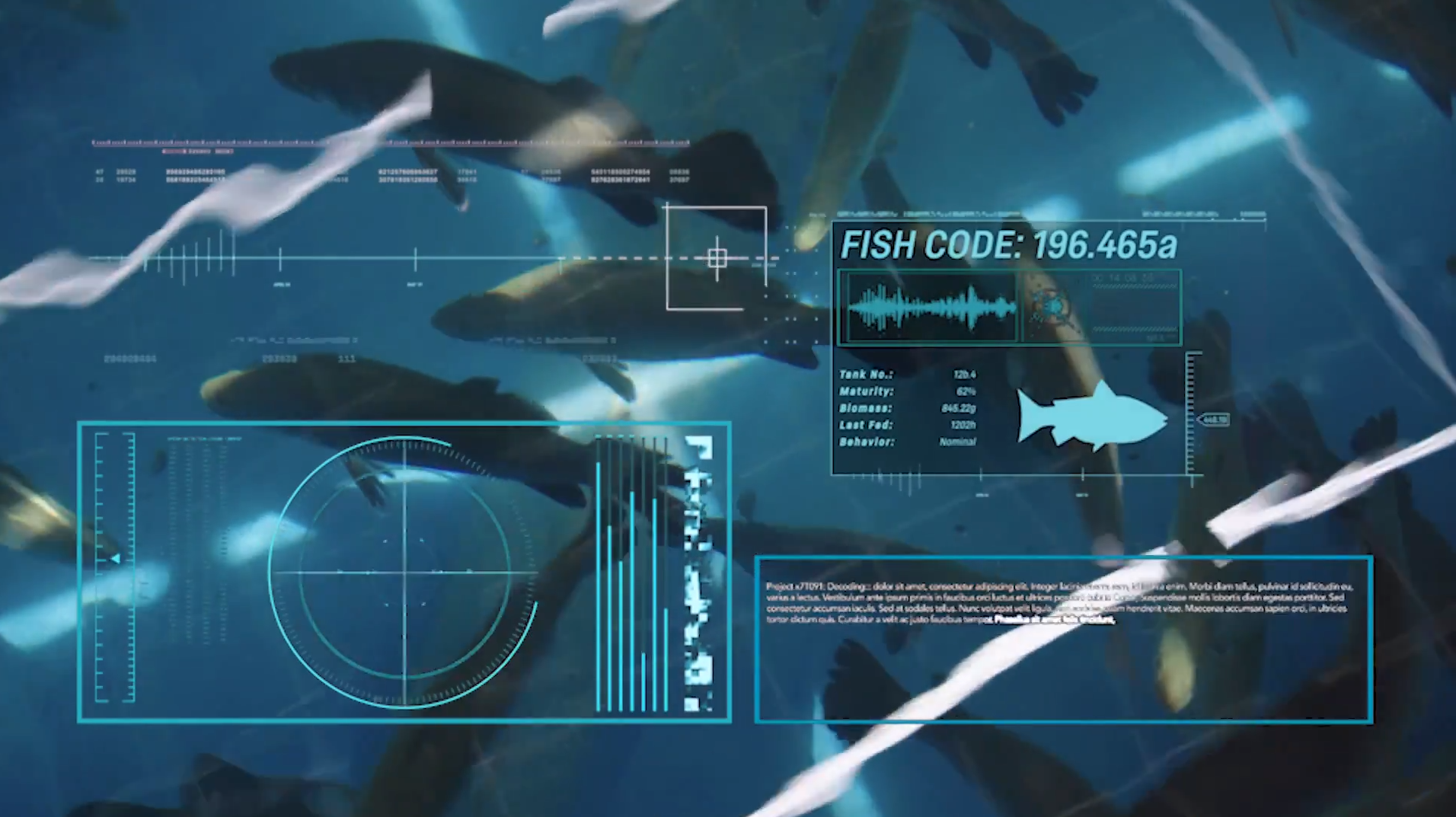
Indeed, artificial intelligence, or AI, was a key topic at last year’s Responsible Seafood Summit in St Andrews, Scotland. Chris van der Kuyl, chairman of Ace Aquatec, discussed the relationship between AI and the seafood industry, and the important role AI plays in meeting food security needs. Over the years, rising costs, climate challenges and persistent uncertainties have challenged aquaculture, so innovative tools like AI are highly likely to be implemented further in 2025. Modern solutions like this can help farmers optimise their operations through data-driven decision making, reducing the need for extensive on-site staff while improving efficiency. Real-time insights are also expected to drive significant progress. Producers have already seen some of the benefits of AI, such as its ability to detect and alert farmers to subtle changes in fish behaviour or growth rates, and these benefits will become all the more important, for example as farms move further away from shore and there is a greater need to automate processes such as feeding, and tracking fish growth and weight remotely.

Farms in South Africa are also reaping the benefits of AI. Dominion Solutions, a South African firm, is developing digital tools and systems that can help farmers monitor fish behaviour using AI. Founder and CEO Shongwe Thembeka says that a lack of access to land and sea space, a small pool of skills and knowledge, and limited access to funding and investment are all reasons why South Africa’s aquaculture sector is lagging behind. She hopes to address the challenges fish farmers face with a precision aquaculture tool called AquaBrain Net that optimises feeding by monitoring fish behaviour and generating feeding schedules so that feed is distributed efficiently and waste is reduced.

In the Spotlight – Animal Welfare
Fish are farmed in higher numbers than any other animal, but they haven’t had much attention from the animal welfare movement, that is, until now. Continuing research into areas such as fish pain has offered a greater insight into fish than ever before, while growing consumer concerns for animal welfare are encouraging aquaculture to improve its fish welfare practices. Fish farmed in environments with reduced stress leads to better, all-round conditions for farmers and their animals, decreased mortality, better yields for farmers, and more flavourful fish for the consumer. From farming and transportation practices to pre-slaughter manipulations and stunning technology, more operators are seeing value in creating reduced-stress environments.

Another company that made headlines at last year’s Responsible Seafood Summit was FAI Farms, which trains farmers to improve welfare and achieve better production outcomes in tilapia, shrimp and carp farming. With partners in Thailand, Brazil and China, FAI Farms gives farmers the knowledge and practical tools that they need to improve the lives of the species they farm. Online courses with modules on welfare indicators, nutrition, health, environment and humane slaughter teach farmers how to implement welfare practices in their daily routine. Results and improvements can be shared with processors and retailers to highlight positive welfare practices. Last year, together with Ethical Seafood Research (ESR) in Scotland, FAI Farms launched the Egypt Tilapia Welfare Project to improve the production practices of Egyptian small-scale tilapia farmers and ensure that they have the resources to take better care of their fish, monitor water quality, and reduce unnecessary stressors such as handling procedures.

Meanwhile, at the end of last year, the European Union Reference Centre for Animal Welfare in Aquaculture (EURCAW Aqua) launched a new digital platform to deepen understanding around aquatic animal welfare. The platform is a resource containing research information, expert insights and practical tools designed to improve the lives of farmed fish, crustaceans, and molluscs. Examples include a knowledge hub of articles, best practices and technical guidance, interactive learning tools, webinars, and an updated feed with the latest news, insights from experts and details on upcoming conferences and training sessions.

These are two strong examples of aquaculture’s efforts to make improvements, and with consumers increasingly keen to know where their seafood comes from and how it’s been caught or farmed, these efforts couldn’t have come at a better time. With animal welfare likely to remain a strong focus this year as well, hopes are high that companies like FAI Farms and organisations like EURCAW Aqua can keep building relationships with farmers and work more collaboratively with aquaculture. There may also be opportunities to work with seafood certification programmes that look more at environmental concerns rather than animal welfare, or with researchers and the feed sector to change the composition of fish feed.

Grasping Public Perceptions
With interest in the origins of seafood likely to remain high, I hope that this year we will hear more about consumer perceptions of aquaculture and its products, and how aquaculture could work in line with these perceptions. The public has diverse expectations of the sector, and their attitudes are shaped either by their own experiences or by the type and degree of available information on aquaculture and what is involved. As aquaculture continues to grow in scale and value, it’s likely to be increasingly scrutinised going forward, and public perceptions will be of great importance when making further improvements. 

Having often spoken to people outside aquaculture, my impression is that they are generally positive towards it. They understand why it exists, and perhaps even tolerate or accept it, but there are very strong concerns and more negative perceptions towards the environmental impact of production and how the animals in question are treated. Those I’ve spoken to have been a little reluctant to welcome production growth, while there are some differences in attitudes between those that do or don’t eat seafood, or who live close to or far from production areas such as seaweed farms.

Aquaculture has already made significant efforts to communicate with the public and use tools such as social media to highlight the types of activities involved and how production is carried out. Continuing such efforts will be key this year, and hopefully the sector will implement strategies to gauge different attitudes and communicate effectively with the public, for example by engaging more with mainstream media or groups that are interested in or involved in the transformation of food systems and that are viewed as credible by the public, hiring communication experts, and continuing to make full use of social media platforms, especially when reaching out to a younger audience. In the future, food production systems like aquaculture will need to become even more efficient, to produce more with fewer resources to feed a growing world population. In this sense, it will be important to communicate even better the important role of farmed fish. Aquaculture could also engage in more social science research to better understand the influence on public perceptions and how these are formed.

As we look to 2025, I anticipate even more significant advancements such as technology, machine learning and research, that could help to tackle resource constraints and address other key challenges. By taking steps to better engage with the public or embracing trends like AI and focusing on its practical implementation, aquaculture can contribute to a more resilient and productive future for food production. I believe that a commitment to research and technology-driven advancements will play significant roles in shaping this future, and am looking forward to seeing how aquaculture will position itself this year as a pivotal industry in addressing global food security and sustainability challenges.

Animal Health &Welfare – How Fisheries and Aquaculture Are Making A Difference

In spring 2024, I wrote an article for Canada’s Hatchery International magazine on how fish health and welfare certification programmes have evolved over the past 25 years. With a growing movement in fisheries and aquaculture to make positive changes in this area, this particular story couldn’t have come at a better time.

Today, fisheries and aquaculture worldwide are paying more attention to health and welfare amidst an increased consumer interest in seafood safety and quality, and market demands for sustainably-sourced farmed and wild-caught seafood. To give a couple of examples, the 11th International Fisheries Symposium in Bangkok at the end of last year held several sessions on animal welfare, while just last month, a paper by the African Union’s InterAfrican Bureau for Animal Resources (AU-IBAR) and Ethical Seafood Research (ESR) highlighted the pivotal role of aquatic animals in Africa’s ecosystem and the importance of animal welfare to maintain ecosystem health and support sustainable fisheries and aquaculture. There has also been a strong focus on evidence that shows how fish can experience pain and suffering. With stressed animals bad for business, more operators are seeing value in creating less stressful environments.

Improving the health and welfare of aquatic animals has far-reaching implications for sustainable development. This was highlighted in an article by Catalina Lopez, director of the Aquatic Animal Alliance at Aquatic Life Institute. With better health and welfare in place, Lopez says, fisheries and aquaculture can forge a transformational path towards a more sustainable and equitable future.

Aquaculture
So how are both sectors taking steps to address animal welfare? Throughout the aquaculture production chain, various factors are considered to ensure that proper care is taken of the animals being reared. These include disease control, water quality, stocking density, transportation and slaughter methods. Certification programmes such as the Best Aquaculture Practices (BAP) Standards, for example, require farms to inspect water quality, behaviour and conditions of their animals regularly, and set limits for the amount of wild fish that can be used in fish feed depending on the species in question.

Meanwhile, researchers and companies are playing their part. At the Roslin Institute at the University of Edinburgh, researchers are studying responses to stress inducers in fish, such as vaccination and handling, and investigating whether these responses can be passed on through generations. Their aim is to establish breeding strategies that enable good health and welfare. Over in California, a tech startup called Shinkei is blending AI with an ancient Japanese slaughter method called Ikejime, which paralyses fish and drains them of blood. Shinkei’s system uses AI to detect the size and shape of each fish before using that information to identify the location of the brain. The mechanical component of the system then penetrates the brain, taking just a second of time and preventing fish from suffering for minutes on end.

Collaboration between research and industry also boosts the growth of aquaculture and promotes animal health and welfare, according to Ana Manuela de Azevedo at the University of Santiago de Compostela. Her work studying fish diseases aims to improve fish health and welfare and help aquaculture companies increase productivity and food safety. One area of her work involves optimized radiodiagnosis for Senegalese sole and established scales for assessing malformations at different stages of their development. Through this, she hopes to reduce anomalies in the species and improve product quality on farms.

Technology is also drawing attention in Egypt thanks to the Tilapia Welfare Project. With Egypt the top tilapia producer in Africa, the project gives farmers tools and knowledge to assess and improve welfare and enhance fish performance. Launched by FAI and Ethical Seafood Research (ESR), the project ‘s Tilapia Welfare App offers farmers a user-friendly platform to assess and manage the welfare of fish effectively.

Fisheries
Although the majority of my work focuses on aquaculture, I’ve always been impressed by fisheries’ efforts to address animal welfare too. One company that caught my attention a few months back is Precision Seafood Harvesting in New Zealand. This company has developed a modular harvesting system that improves fish welfare, optimises catch quality and reduces bycatch. Fish are contained and swim comfortably underwater inside a large flexible PVC liner. There, the correct size and species can be selected before being brought on board vessels. The system’s design also allows vessels to target specific species and fish size, and greatly increases protection for small fish that can swim free through escape portals, and bycatch, which are released unharmed. This is a huge step for commercial fishing, bringing great benefits not just in fish welfare but also in fish stocks and the environment.

It’s also very encouraging to see more fisheries conferences addressing the topic of fish welfare. In November 2023, the first ever Catch Welfare Platform conference was held in Norway. The key focus was pragmatic solutions to reduce individual stress levels in catch, including unwanted and released animals, and those to be slaughtered onboard. There was also a strong focus on humane slaughtering methods. Reducing stress can no doubt create premium market opportunities for seafood caught with good catch welfare standards.

Animal health and welfare in the context of fisheries and aquaculture can seem overwhelming. There are so many species, fishing operations and rearing environments to consider that no one solution can help every single situation and yet, meaningful progress in this area must come from a place of extreme understanding of the particular species or situation at hand. In this sense, it’s really encouraging to see the improvements that are being made. Fisheries and aquaculture are still adjusting as to how best to approach the issues that arise, but today’s efforts will no doubt make significant contributions to increasing operational resilience in both sectors.