Tag Archives: technology

A Look Back at Bergen: North Atlantic Seafood Forum 2025

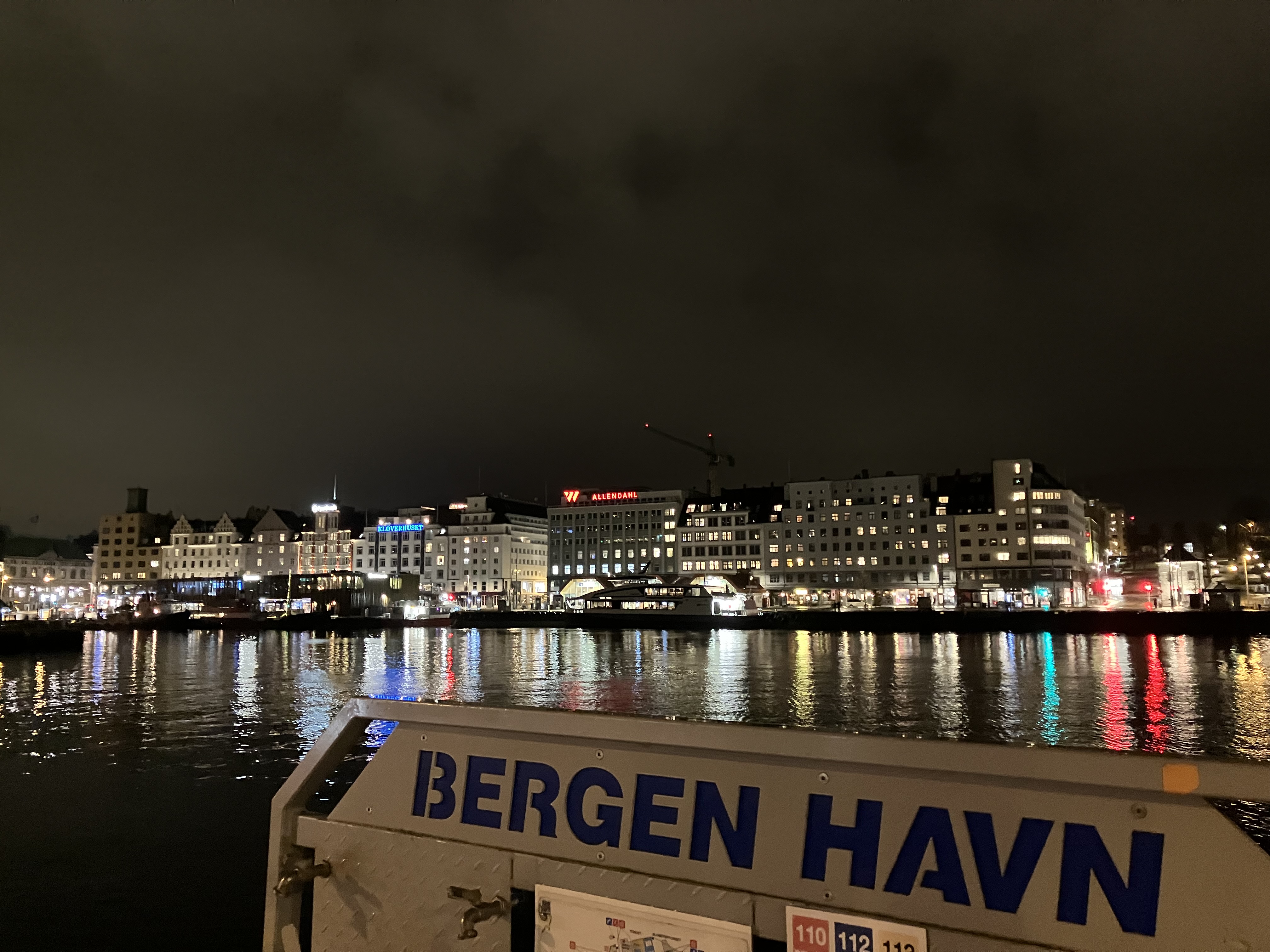
Earlier this month, over 1,000 people gathered for the annual North Atlantic Seafood Forum in Bergen, Norway. With participants from 32 countries, five continents, and nearly 400 organisations, the conference involved three days of discussions, networking and industry insights. Key issues in salmon farming were discussed as part of a packed programme that also included a networking evening reception. 

I had a great time catching up with familiar faces, making new connections and enjoying the presentations. Bringing together leading experts and important policymakers, the conference highlighted vital developments shaping the future of salmon farming and provided insights on a range of subjects from technology and AI to feed ingredients, markets and challenges. It was an opportunity to gain a valuable perspective on innovation and commercial development in the salmon sector, and increase understanding of the financial and economic issues affecting markets today. 

Cage Talk 
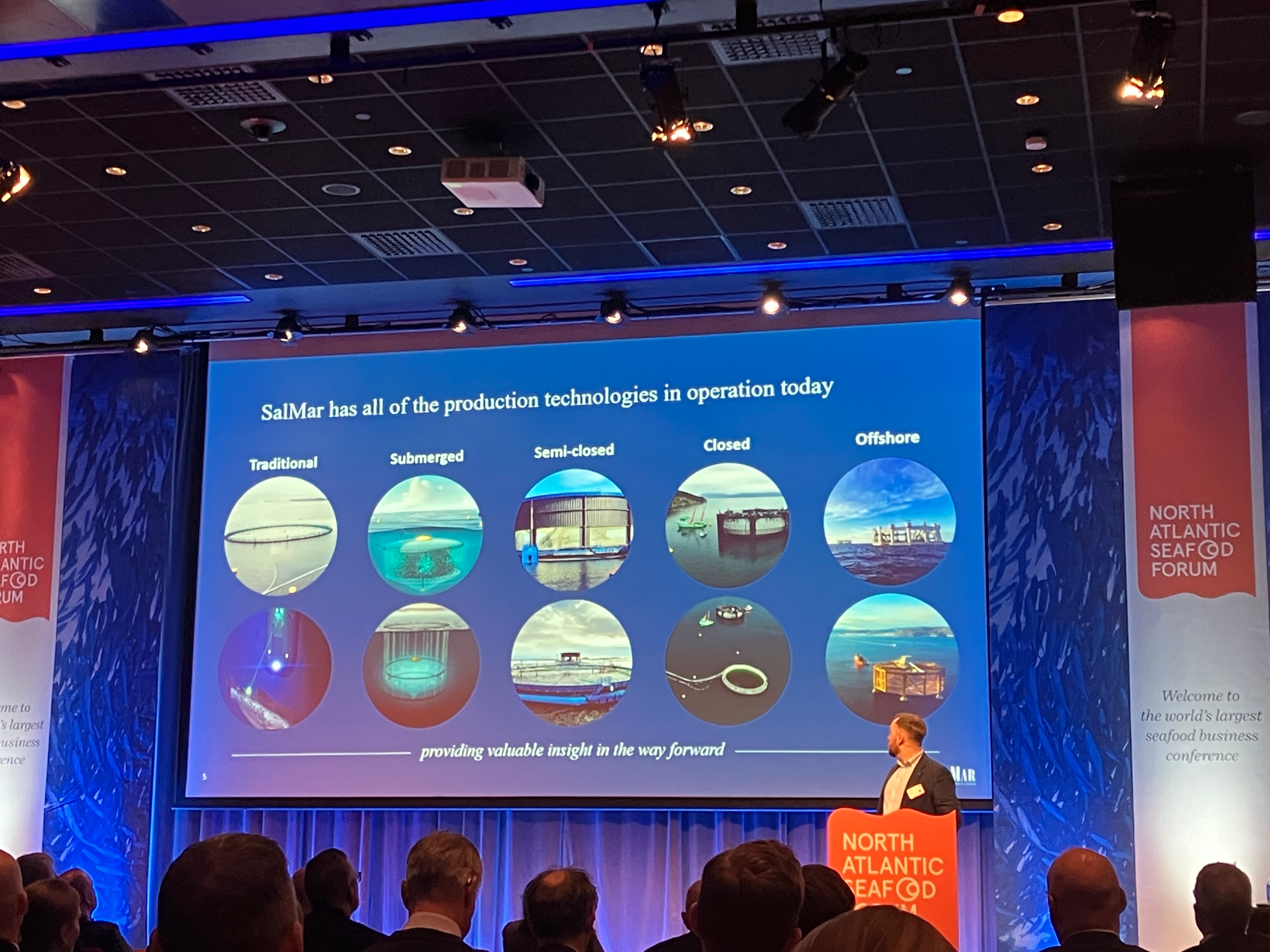
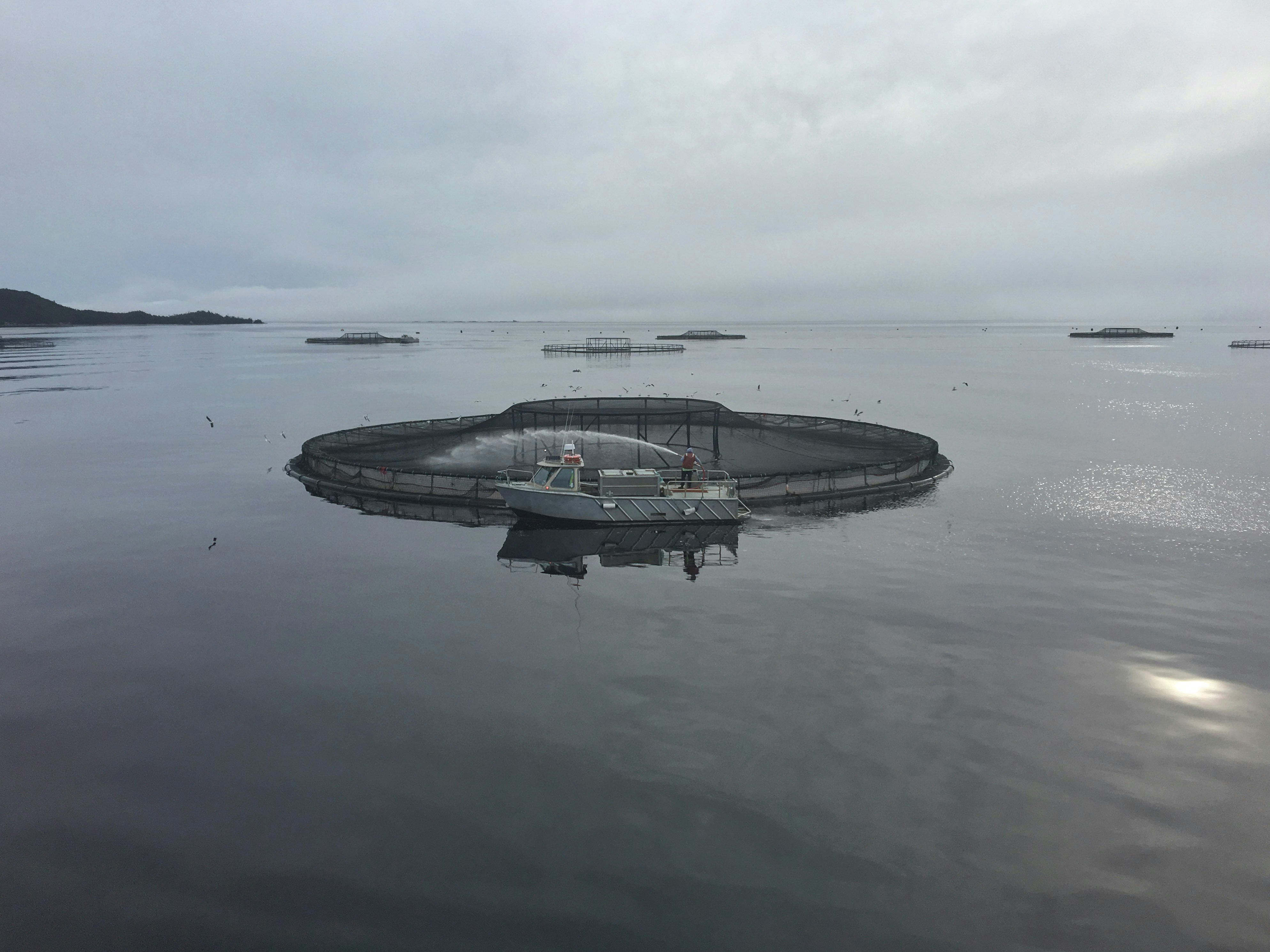
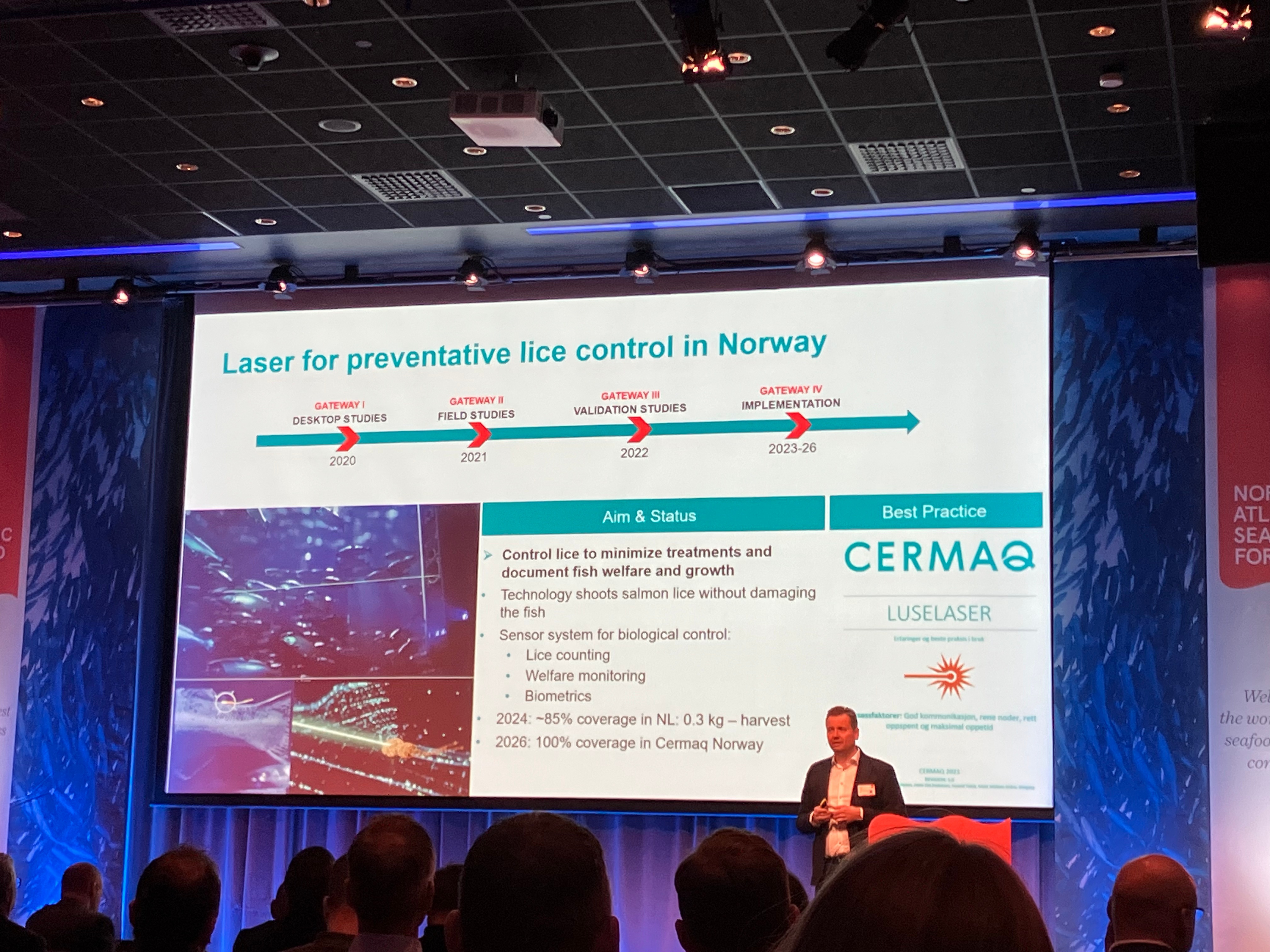
The first day of the conference looked at addressing the challenges of farming salmon at sea through technology, best practices and innovation. The Cage Talk session first discussed the importance of rearing smolt on land for longer to reduce the amount of time the fish spend at sea. This has an array of advantages, according to Oyvind Oaland, chief of farming operations at seafood firm Mowi in Norway and Iceland. He explained that as a result, sea lice treatments can be reduced and site capacity and survival can increase. During a presentation from salmon farming company Cermaq, Harald Tackle introduced the company’s use of 50m-deep skirts in Tofino, Canada, to address sea lice, and the use of laser technology on salmon farms in Norway to control sea lice and reduce the need for treatment. 

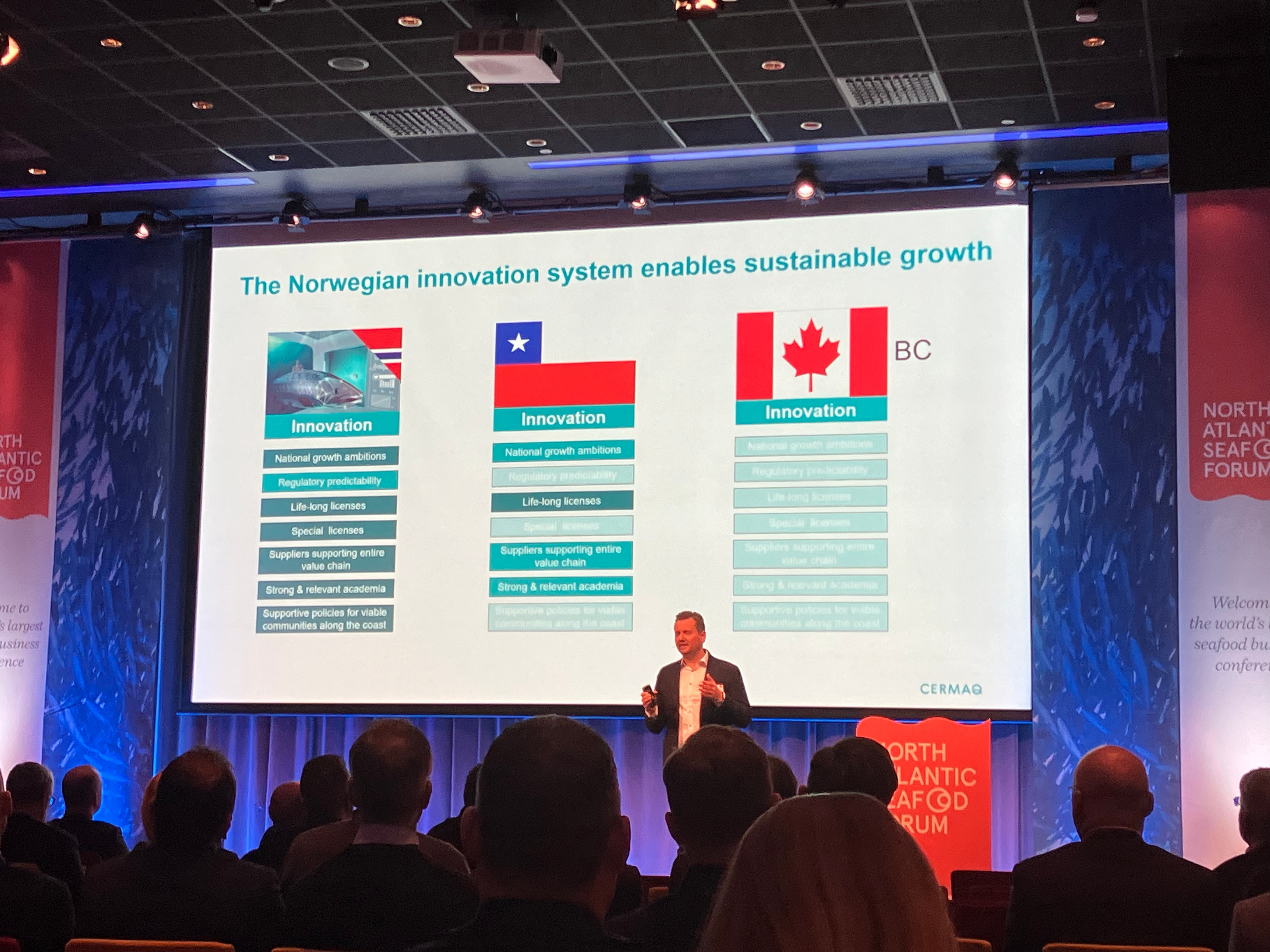
During this session, and indeed throughout the entire conference, the word collaboration featured prominently. The salmon sector needs to work closely with authorities to establish further regulations towards sustainable growth, and work with academia and researchers to develop science-based, objective knowledge and information to address key challenges. Skilled engineers are also important to drive ocean innovation systems that can support growth. The salmon sector has many stakeholders with their own expertise who can contribute across the value chain, streamlining operations, reducing environmental impact or ensuring good living conditions for fish. Collaboration between stakeholders can drive these positive steps, allowing the industry to grow and improving other areas, including consumers’ access to sustainable seafood options.
Focus on Feed
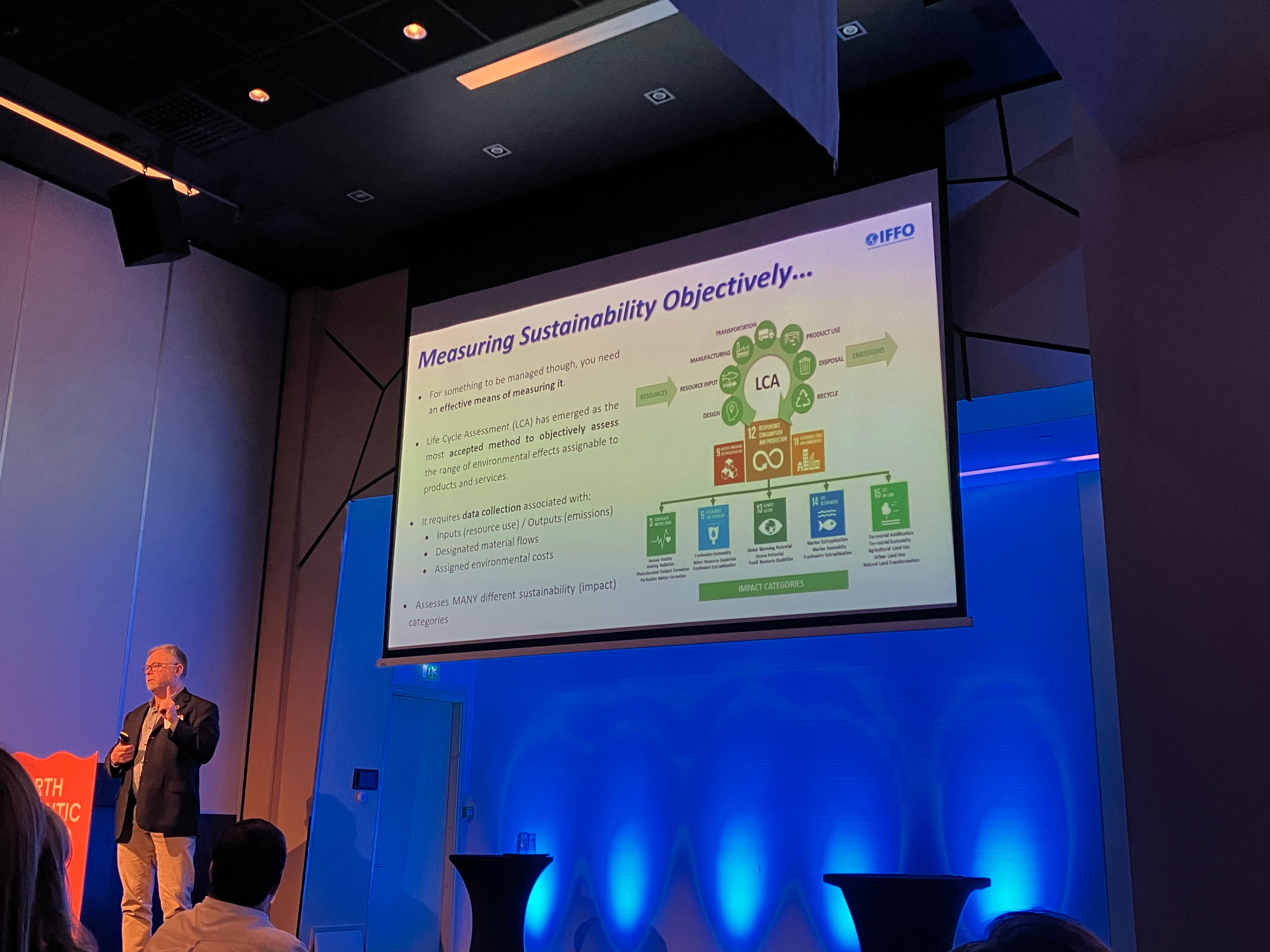
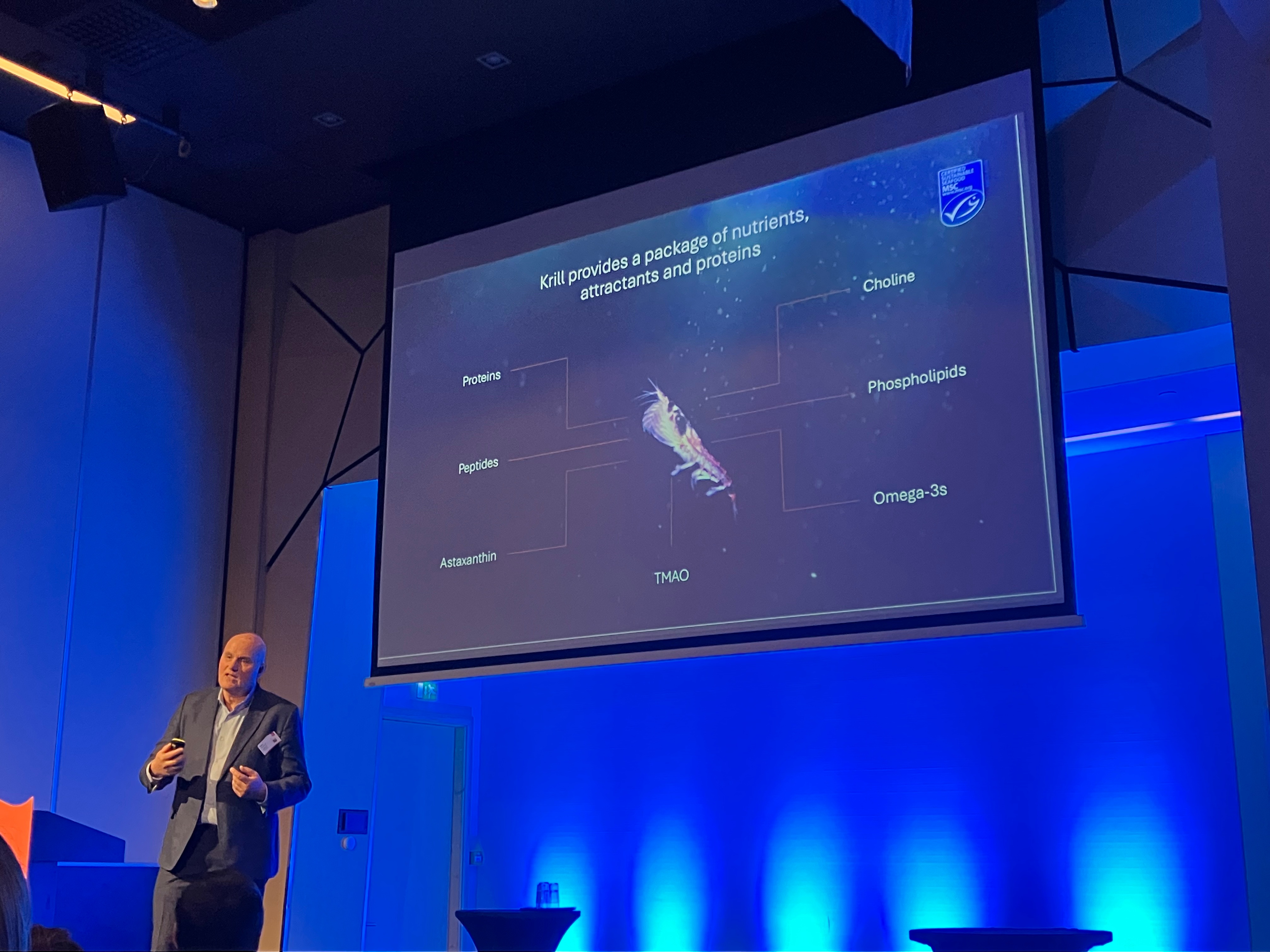
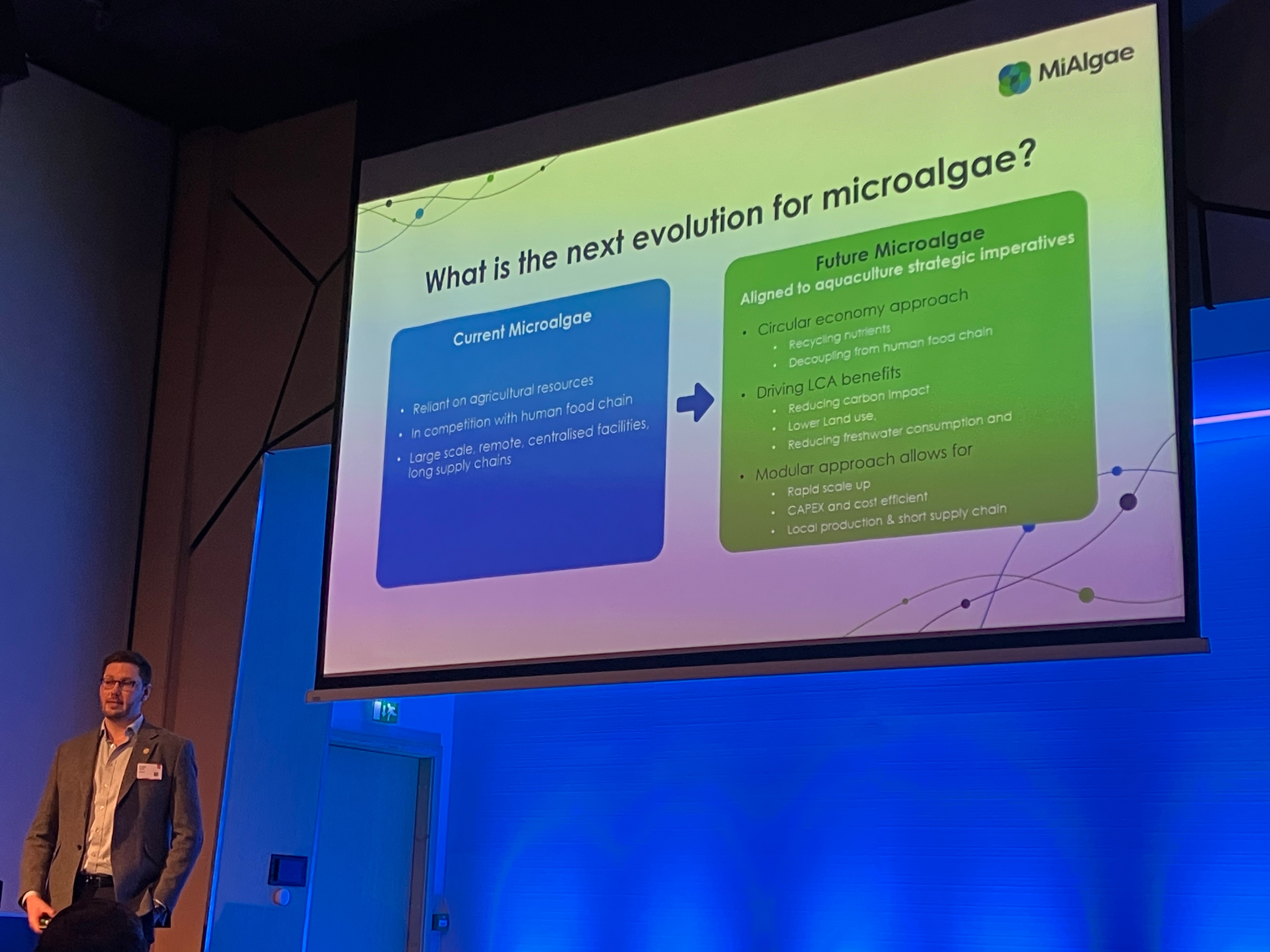
Feed was once again on the menu this year, with a strong focus on the role of feed ingredients in environmental impacts assessment and mitigation, life cycle assessment and nutritional balance to ensure fish health and growth. There is already plenty of proof and innovation in salmon farming showing that alternative feed ingredients like algae, insects and single cell proteins are reliable and viable. In fact, the conference made it clear that these ingredients are already playing a part in de-risking the supply of essential nutrients for feed, while the salmon sector’s commitment to incorporating such ingredients is strong. During the presentations, Skretting introduced a matrix for novel ingredients, while Biomar Norway shared its data from 2024 on inclusion rates of microalgae (2.4%) and other ingredients such as insects (2.18%).

It was also noted that the focus on alternative feed ingredients is not about replacing marine ingredients, but rather adding to them. However, it is up to the entire value chain to generate real impact, and create reliable markets for alternative feed ingredients to ensure that they can scale. During the feed sessions, some examples of steady leadership were highlighted, such as Cermaq’s commitment to sustainable feed, while Marco Custodio, project manager at consultancy Earthworm Foundation, touched upon the need to understand consumer attitudes towards alternative ingredients before market creation and scale up. He described consumer surveys that have been carried out in France, highlighting the need to conduct such studies to align with market expectations and improve transparency and communication with consumers.

Another main point raised during the feed sessions is that supply must expand. Algae innovators have already added 10% to global EPA and DHA supply, but not just for aquaculture. Meanwhile, the availability of insect meal is growing, but slowly. Can the examples presented at the conference continue to develop, and work to build a more sustainable future for feed?
Salmon Welfare
I always enjoy discussions on animal welfare in aquaculture, so it was great to see an entire session devoted to this topic. Salmon Welfare in Aquaculture showed that with Norwegian seafood exports reaching record levels in 2024, ensuring fish health is essential to maintaining consumer trust, regulatory confidence, and operational efficiency. The morning consisted of two panels talking about industry risk and sustainable growth through change management. They provided solutions-oriented discussions, while exploring the challenges and opportunities of fish welfare from various perspectives. Once again, the key message was collaboration, and the need to work together to shape the future of ethical, sustainable salmon farming.

It was also interesting to hear whether fish health and welfare might have been sacrificed on the road to long-term success. Edgar Brun, academic director of Fish Health and Welfare Institute, asked this question and gave quite a strong assessment on the state of salmon health today, calling out poor crisis management and a reluctance to engage with critics.

But at the same time, the salmon farming sector clearly understands that despite the many challenges, good welfare is the only option, that this is at the heart of the trust equation and that the sector must demonstrate evidence of tangible improvements to maintain its social licence to operate. Examples of how salmon farms could take a step forward included improving understanding of welfare and what to look out for when it comes to good and bad welfare, being prepared for possible changes, and making a commitment to adapt. A nice touch during the session was a presentation by Hilde Talseth, CEO of leading broiler chicken producer Norsk Kylling. She explained what her company has done to improve the welfare of its chickens and create better rearing environments, and said that farmers, who interact daily with animals, are the true experts in identifying health and welfare issues firsthand, so building trust with them is extremely important. She also touched upon the theme of collaboration and the need to foster this to drive meaningful progress.

This year’s conference came with many more presentations and interactive discussions that covered more than what I’ve described, but they all focused on a single message – the importance of a collaborative approach to promote growth in a sustainable manner and within planetary boundaries. I also believe that the full potential of salmon farming, or indeed aquaculture as a whole, can be realised with greater collaboration between industry, regulators, academia, researchers, businesses, producers, consumers and more. A common understanding and vision will make it possible to promote a vibrant and attractive sector going forward.

*Next year’s North Atlantic Seafood Forum will take place in Bergen, Norway, from the 3rd to 5th March 2026.
Aquaculture – What I’ll Be Tracking in 2025

Having faced unprecedented hurdles such as economic impacts from the COVID-19 pandemic, the Russian invasion of Ukraine, as well as other obstacles such as climate change, rising feed prices and operational expenses, aquaculture has had some challenging years. However, the industry is projected to supply over 60% of global fish consumption by 2025, and as we enter this new year, it is very much in the spotlight, with technology, innovation and research driving things forward. There are also strong expectations that production volumes are expected to grow. In my first blog entry of 2025, I take a look at the outlook for aquaculture and what has resonated with me so far.

The Rise of AI
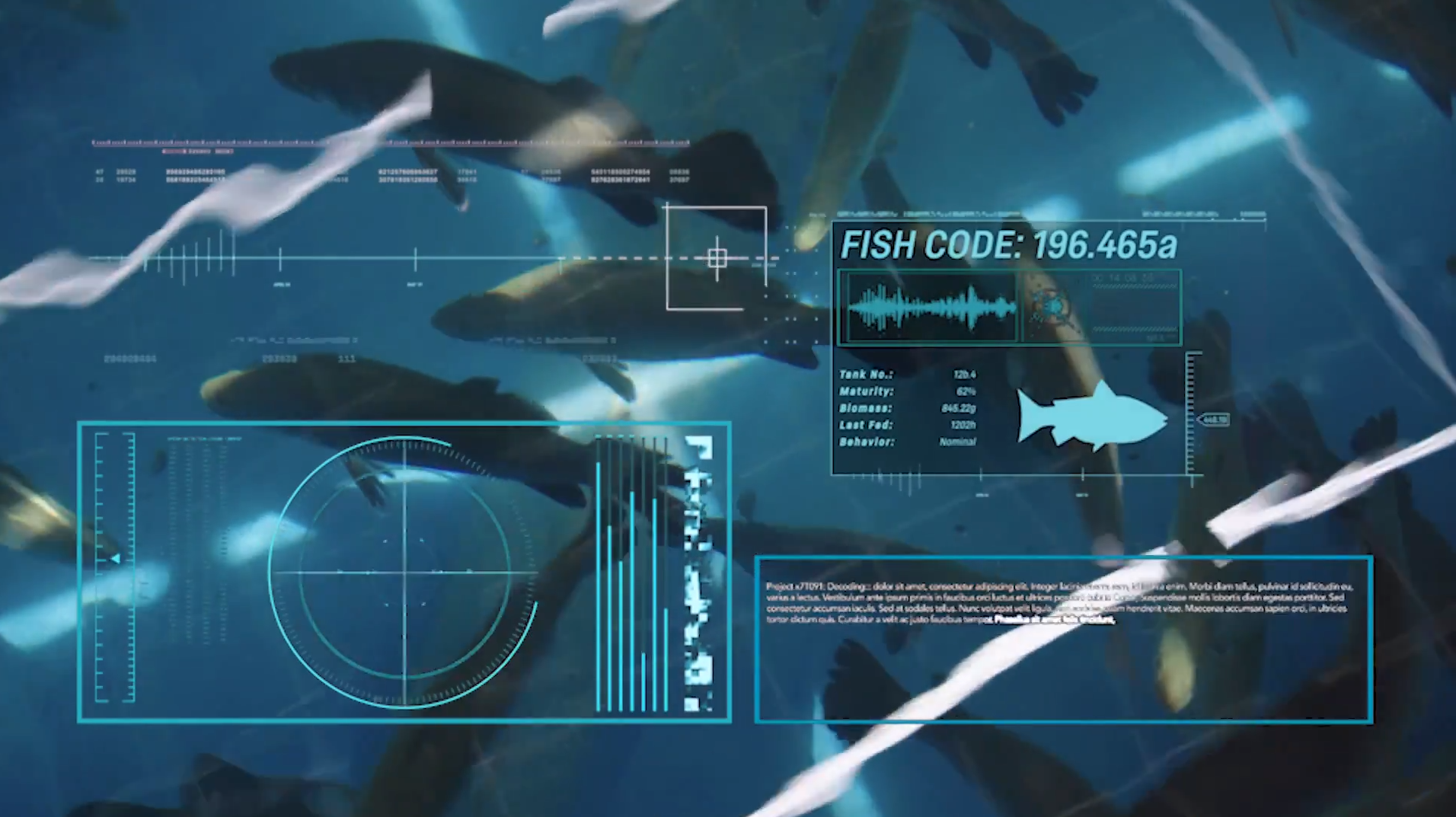
Technology and AI have continued to make their mark on aquaculture. Last year saw a range of news stories describing a series of advances, where producers are using machine learning to monitor systems, sort animals and products, and automate feedings.

Indeed, artificial intelligence, or AI, was a key topic at last year’s Responsible Seafood Summit in St Andrews, Scotland. Chris van der Kuyl, chairman of Ace Aquatec, discussed the relationship between AI and the seafood industry, and the important role AI plays in meeting food security needs. Over the years, rising costs, climate challenges and persistent uncertainties have challenged aquaculture, so innovative tools like AI are highly likely to be implemented further in 2025. Modern solutions like this can help farmers optimise their operations through data-driven decision making, reducing the need for extensive on-site staff while improving efficiency. Real-time insights are also expected to drive significant progress. Producers have already seen some of the benefits of AI, such as its ability to detect and alert farmers to subtle changes in fish behaviour or growth rates, and these benefits will become all the more important, for example as farms move further away from shore and there is a greater need to automate processes such as feeding, and tracking fish growth and weight remotely.

Farms in South Africa are also reaping the benefits of AI. Dominion Solutions, a South African firm, is developing digital tools and systems that can help farmers monitor fish behaviour using AI. Founder and CEO Shongwe Thembeka says that a lack of access to land and sea space, a small pool of skills and knowledge, and limited access to funding and investment are all reasons why South Africa’s aquaculture sector is lagging behind. She hopes to address the challenges fish farmers face with a precision aquaculture tool called AquaBrain Net that optimises feeding by monitoring fish behaviour and generating feeding schedules so that feed is distributed efficiently and waste is reduced.

In the Spotlight – Animal Welfare
Fish are farmed in higher numbers than any other animal, but they haven’t had much attention from the animal welfare movement, that is, until now. Continuing research into areas such as fish pain has offered a greater insight into fish than ever before, while growing consumer concerns for animal welfare are encouraging aquaculture to improve its fish welfare practices. Fish farmed in environments with reduced stress leads to better, all-round conditions for farmers and their animals, decreased mortality, better yields for farmers, and more flavourful fish for the consumer. From farming and transportation practices to pre-slaughter manipulations and stunning technology, more operators are seeing value in creating reduced-stress environments.

Another company that made headlines at last year’s Responsible Seafood Summit was FAI Farms, which trains farmers to improve welfare and achieve better production outcomes in tilapia, shrimp and carp farming. With partners in Thailand, Brazil and China, FAI Farms gives farmers the knowledge and practical tools that they need to improve the lives of the species they farm. Online courses with modules on welfare indicators, nutrition, health, environment and humane slaughter teach farmers how to implement welfare practices in their daily routine. Results and improvements can be shared with processors and retailers to highlight positive welfare practices. Last year, together with Ethical Seafood Research (ESR) in Scotland, FAI Farms launched the Egypt Tilapia Welfare Project to improve the production practices of Egyptian small-scale tilapia farmers and ensure that they have the resources to take better care of their fish, monitor water quality, and reduce unnecessary stressors such as handling procedures.

Meanwhile, at the end of last year, the European Union Reference Centre for Animal Welfare in Aquaculture (EURCAW Aqua) launched a new digital platform to deepen understanding around aquatic animal welfare. The platform is a resource containing research information, expert insights and practical tools designed to improve the lives of farmed fish, crustaceans, and molluscs. Examples include a knowledge hub of articles, best practices and technical guidance, interactive learning tools, webinars, and an updated feed with the latest news, insights from experts and details on upcoming conferences and training sessions.

These are two strong examples of aquaculture’s efforts to make improvements, and with consumers increasingly keen to know where their seafood comes from and how it’s been caught or farmed, these efforts couldn’t have come at a better time. With animal welfare likely to remain a strong focus this year as well, hopes are high that companies like FAI Farms and organisations like EURCAW Aqua can keep building relationships with farmers and work more collaboratively with aquaculture. There may also be opportunities to work with seafood certification programmes that look more at environmental concerns rather than animal welfare, or with researchers and the feed sector to change the composition of fish feed.

Grasping Public Perceptions
With interest in the origins of seafood likely to remain high, I hope that this year we will hear more about consumer perceptions of aquaculture and its products, and how aquaculture could work in line with these perceptions. The public has diverse expectations of the sector, and their attitudes are shaped either by their own experiences or by the type and degree of available information on aquaculture and what is involved. As aquaculture continues to grow in scale and value, it’s likely to be increasingly scrutinised going forward, and public perceptions will be of great importance when making further improvements. 

Having often spoken to people outside aquaculture, my impression is that they are generally positive towards it. They understand why it exists, and perhaps even tolerate or accept it, but there are very strong concerns and more negative perceptions towards the environmental impact of production and how the animals in question are treated. Those I’ve spoken to have been a little reluctant to welcome production growth, while there are some differences in attitudes between those that do or don’t eat seafood, or who live close to or far from production areas such as seaweed farms.

Aquaculture has already made significant efforts to communicate with the public and use tools such as social media to highlight the types of activities involved and how production is carried out. Continuing such efforts will be key this year, and hopefully the sector will implement strategies to gauge different attitudes and communicate effectively with the public, for example by engaging more with mainstream media or groups that are interested in or involved in the transformation of food systems and that are viewed as credible by the public, hiring communication experts, and continuing to make full use of social media platforms, especially when reaching out to a younger audience. In the future, food production systems like aquaculture will need to become even more efficient, to produce more with fewer resources to feed a growing world population. In this sense, it will be important to communicate even better the important role of farmed fish. Aquaculture could also engage in more social science research to better understand the influence on public perceptions and how these are formed.

As we look to 2025, I anticipate even more significant advancements such as technology, machine learning and research, that could help to tackle resource constraints and address other key challenges. By taking steps to better engage with the public or embracing trends like AI and focusing on its practical implementation, aquaculture can contribute to a more resilient and productive future for food production. I believe that a commitment to research and technology-driven advancements will play significant roles in shaping this future, and am looking forward to seeing how aquaculture will position itself this year as a pivotal industry in addressing global food security and sustainability challenges.