A New Year – What’s Ahead for Aquaculture in 2024?

At last year’s United Nations Climate Conference COP28, the Food and Agriculture Organization (FAO) of the United Nations unveiled its Global Roadmap for Achieving Sustainable Development Goal 2 (SDG2) without Breaching the 1.5C Threshold. The roadmap identifies 120 actions and key milestones within ten domains, one of which is fisheries and aquaculture.

The FAO describes aquatic food as “a nutritional powerhouse, rich in protein, essential fatty acids, vitamins and vital minerals. It also supports millions, providing incomes and jobs, particularly in coastal regions, bolstering local economies and communities, and should also play an important role in the dietary shift to mitigate emissions.” It is encouraging to see that as we enter a new year, seafood continues to draw attention for many significant reasons.

I’m looking forward to finding out how aquaculture will develop this year, and so too, it seems, is Rabobank, which released its annual seafood production report at the end of 2023. According to the Dutch banking and financial services firm, there are “signs of optimism” ahead, such as a year-on-year shrimp production growth of 4.8 percent in 2024, surpassing 2022’s peak volumes. Global Atlantic salmon production is also expected to grow by 4.3 percent and 3.9 percent respectively in 2024 and 2025, with Norway taking the lead. The Faroe Islands and Australia are other emerging markets to watch in salmon farming.

The report also covers some potential risks from higher temperatures that could lead to more algal blooms and mortalities. My work in 2023 began with a series of articles on this very subject and the efforts of countries such as the US to lessen the negative effects through modelling, forecasting and using sensors that assemble data on ocean conditions, currents, algal species abundance and toxin levels. The risks of algal blooms were also described by the Sustainable Aquaculture Innovation Centre (SAIC) in Scotland as one of aquaculture’s biggest emerging challenges. Hopefully, however, new technological advances will continue to make the sector even better equipped to deal with the risks.

Fish health and welfare could also be in the spotlight. At the end of 2023, I was asked by Hatchery International magazine – which will be celebrating its 25th year anniversary in 2024 — to write a story about aquaculture certification and fish health and welfare standards. This topic is key not only from a public perception standpoint, but also from a productivity standpoint. A fish that is healthier and less stressed will grow better and faster, and organisations like SAIC are taking note of this with new research projects on parasite management, managing or preventing disease through immunisation and vaccinations, gill health in Atlantic salmon and more. Work such as this will make huge differences to the survivability and wellbeing of fish and help seafood producers provide a nutritious protein source, according to Heather Jones, CEO of SAIC. It will also pave the way for a more robust, environmentally-friendly sector.
Last year saw significant focus on blue carbon ecosystems as a way of mitigating the effects of global warming. This focus is highly likely to continue in 2024. Blue carbon ecosystems like seagrass and mangroves can capture carbon dioxide through photosynthesis and convert it into biomass. Experts are now saying that restoring these ecosystems is key to removing additional carbon dioxide and addressing other issues such as increasing ocean acidity.

And there’s more. A market is also emerging for carbon credits to finance coastal ecosystem restoration projects. In Japan, the number of such projects, or blue carbon projects, is growing, with major companies keen to purchase credits as a way of not only offsetting their own emissions but also contributing to a local community and fostering regional development. Last year, I started working with consultancy firm Hatch Innovation Services on a blue carbon project with Japanese oil and gas corporation Idemitsu. Studies are underway to explore the potential of these projects in Japan, as seagrass and seaweed become increasingly recognised for their immense promise in addressing climate change and promoting environmental sustainability.

But what does this mean for aquaculture? Many blue carbon projects in Japan focus on seagrass and tidal flats, but there could also be some potential in seaweed, which the Japanese farm extensively and have been consuming for decades. With a strong seaweed sector, Japan is in a unique position and there could be more developments. This month, the country announced that it is recognising seaweed as a carbon sequestering ecosystem and incorporating it into its national carbon emission calculations. This is a hugely significant step, and it feels as though Japan’s current blue carbon projects are the start of a major emerging blue carbon credit market. Success depends on many factors, such as effective engagement with local communities to build trust and transparency, active monitoring and data collection, and a strong presence by companies in the project that they wish to support.

As the Hatch/Idemitsu project continues into 2024, I would love to see other Japanese companies engaging in blue carbon in a similar way. There are still some limitations when it comes to knowledge and information, for example the differing capacities of ecosystems to store carbon, and more communication and research are needed to improve our understanding of blue carbon ecosystems and how they remove carbon dioxide. No doubt, however, big contributions will be made in future to improve the resilience of blue carbon ecosystems and enhance the benefits derived from habitat protection to local communities.

I’m looking forward to seeing how this all develops and the opportunities it will present for those in Japan’s seaweed space.

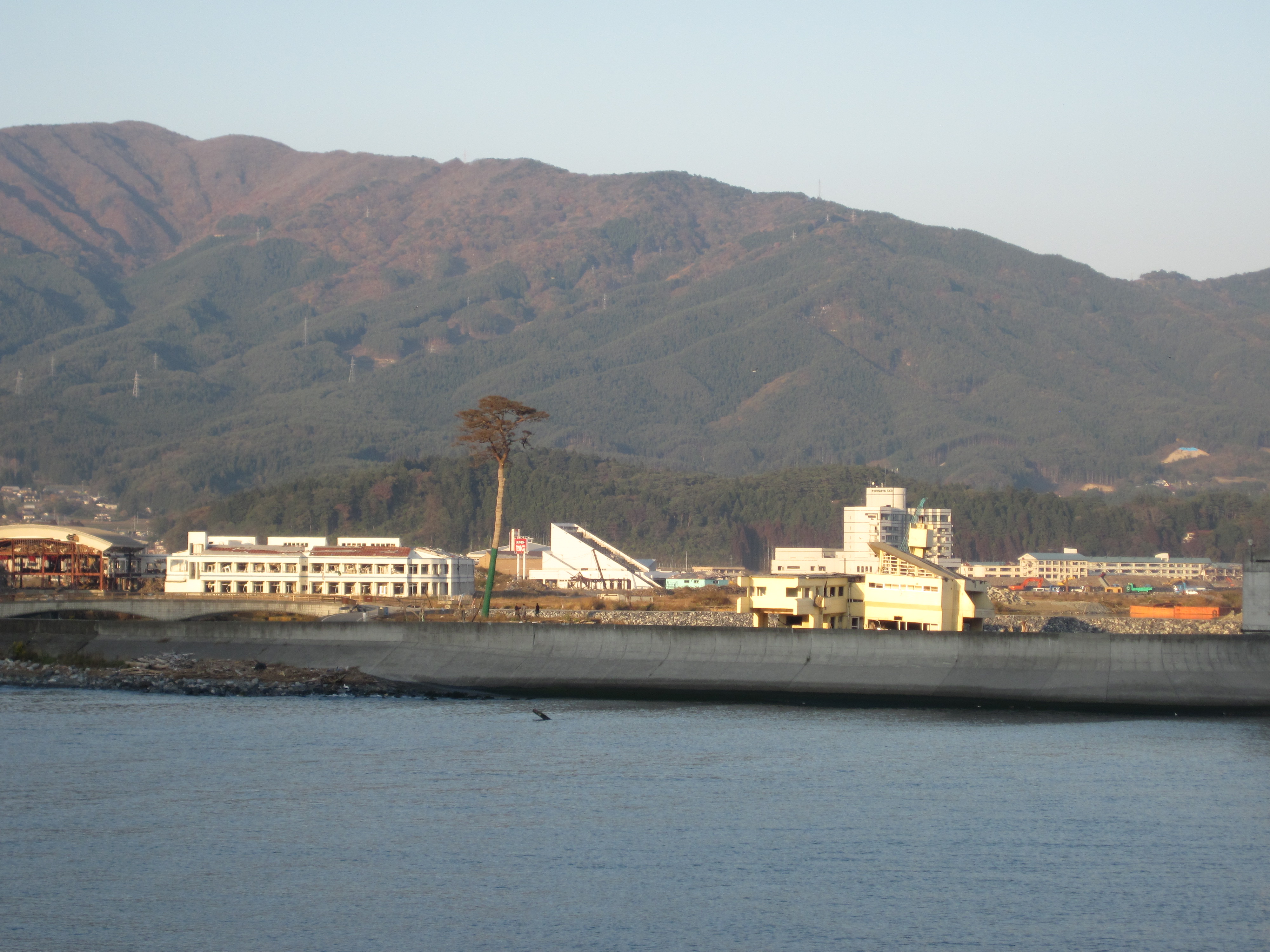
One of my major goals in 2024 is to write my own research paper as a continuation of my MSc thesis on aquaculture recovery in Tohoku, northeast Japan, after the March 11th, 2011 earthquake, tsunami and nuclear disaster. Over the years, I have found that topics such as disaster risk management and aquaculture/fisheries recovery following natural disasters are not highlighted as frequently as others, and there appear to be much less examples from Japan compared to other countries. My aim is to highlight the particular characteristics of Tohoku’s aquaculture and marine environment, describe the disaster’s impacts and how the sector is working towards recovery, to assess whether Japan’s experience could serve as an example of disaster management and help other countries better understand what happened to aquaculture in Tohoku. I hope that the paper will contribute to formulating plans to reduce the risks and impacts of disasters and steer recovery processes on to the fastest track.

Also coming up this year is the Global Seafood Alliance’s Responsible Seafood Summit 2024, which will be held in St Andrews, Scotland, in October. This event is a great opportunity to network, discover new products and solutions and find out the latest in aquaculture and fisheries research. It’s a huge platform for industry, NGOs, academia and more to share knowledge and information and be part of a varied conference programme covering production, sustainability, innovation, market trends and more. I’m looking forward to learning plenty when I return to St Andrews for the first time since my graduation in 2018. 

Wrapping up 2023: A Year of Innovation in Aquaculture and Fisheries

Season’s greetings! I hope you’re all enjoying this time as we prepare to close the chapter on 2023 and begin anew in 2024.
The Power of AI
Several trends continued pushing the worlds of aquaculture and fisheries to evolve in 2023. One which really drew my attention was artificial intelligence (AI), which is leaving its digital mark by streamlining processes and improving efficiencies. In the UK, new scientific approaches are being used alongside AI to test for toxic algae that can result in severe and fatal sickness in humans. They can help to predict harmful algal blooms in marine populations at least four weeks earlier than microscope-based methods, and could greatly change the way in which the UK monitors biohazards, not just in the marine sector but also in others such as health care.

One of my first articles of 2024 will focus on AI, this time in fisheries, where AI-based tools are being used in the Netherlands to recognise the size and species of different fish, facilitating their handling and the recording of catches on board vessels. The tool also provides valuable data for fisheries management, stock estimates, research and fisheries policy, and improves the processing of catches on board, reduces crew workload and lessens administrative burden. With this kind of increased transparency, hopes are high that more fisheries will have improved data, improved stock assessments and ultimately become even better.

I’ve been particularly impressed by how quickly AI has taken root in fisheries and aquaculture and how relevant it’s become, bringing both sectors closer to meeting their production and sustainability aspirations.


Tourism and aquaculture
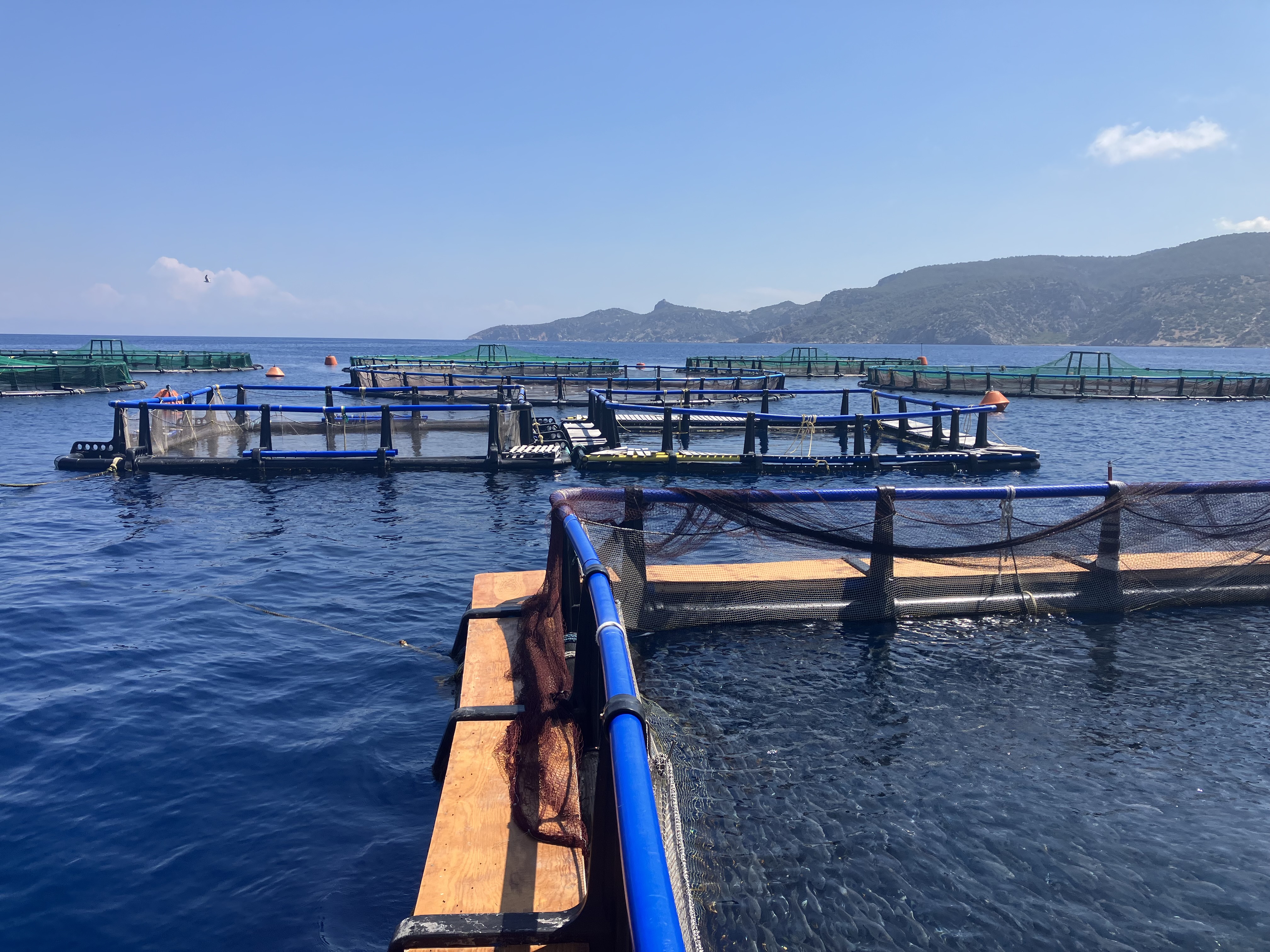
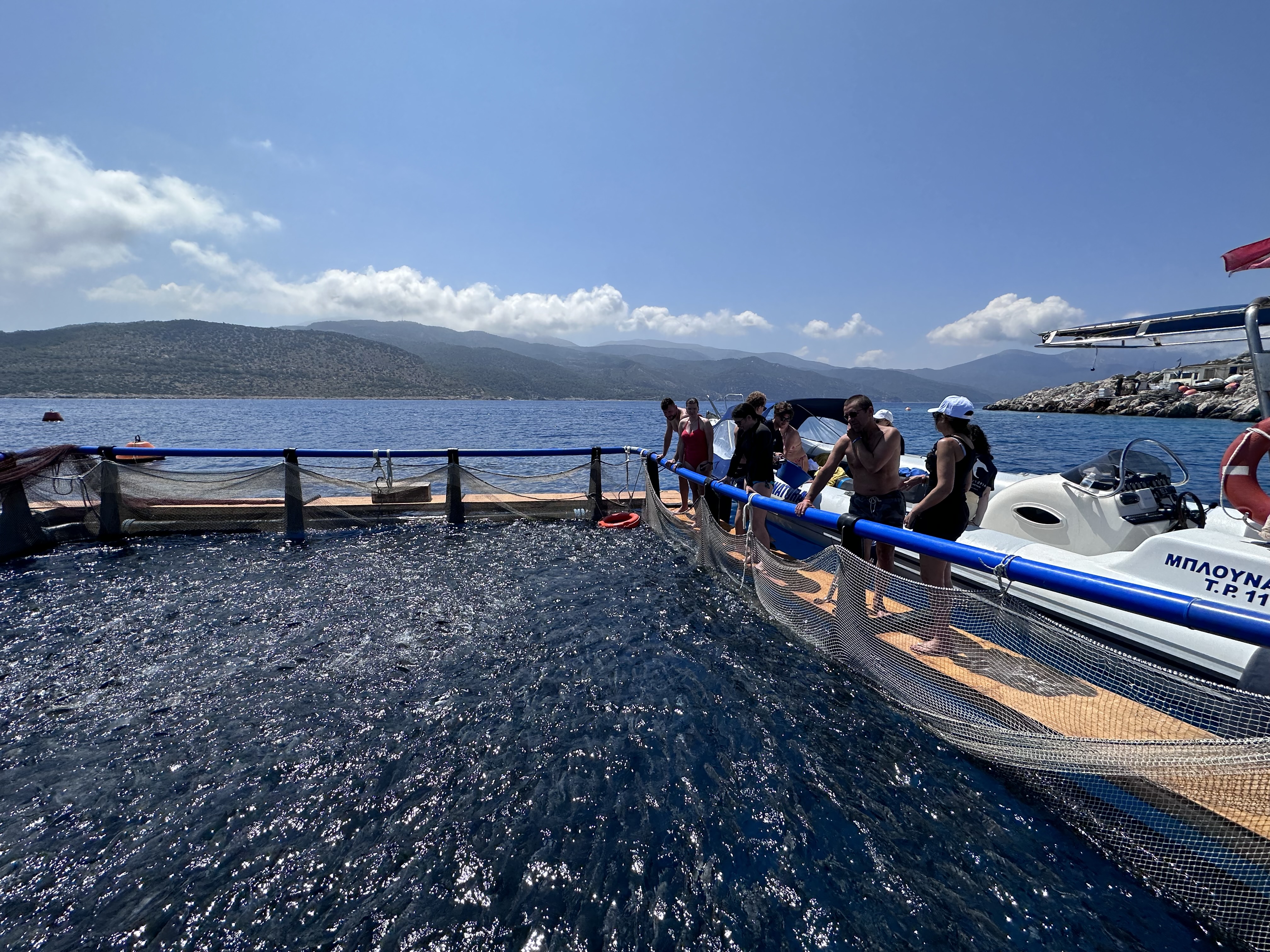
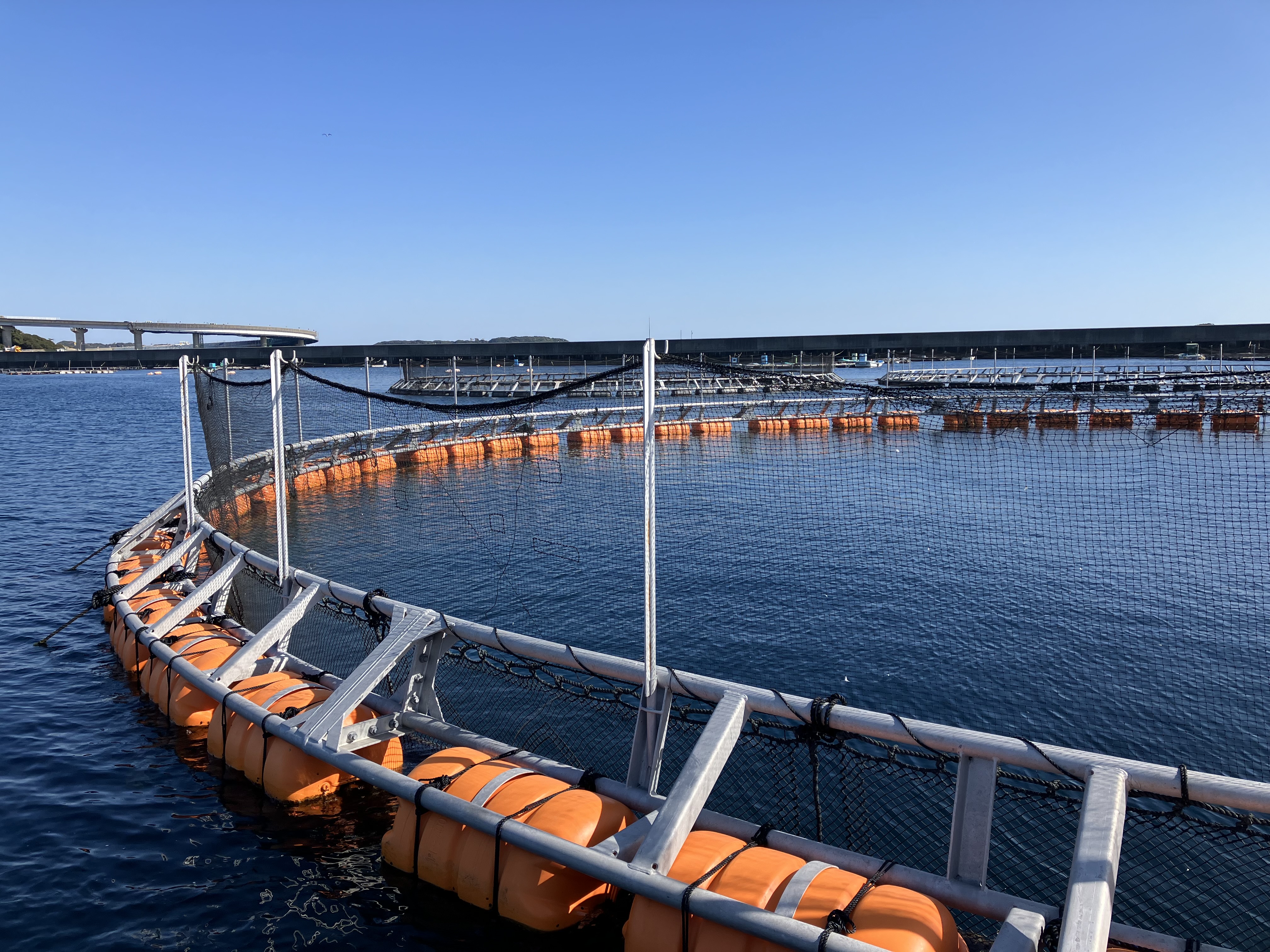
Tourism and aquaculture was another fascinating subject to explore, and in June this year I saw for myself how these sectors are coming together on the Greek island of Rhodes. Tourism there is a huge industry, while 65 percent of fisheries production in Greece is from aquaculture. With the demand for seafood increasing worldwide, along with awareness of the importance of sustainable businesses, innovation and unique initiatives are crucial for solid economic performance and to safeguard the natural environment. Visits to offshore pens containing sea bass and sea bream are opportunities for tourists in Rhodes to learn about farming practices, the importance of aquaculture in Europe and the relationship between aquaculture and the environment. Tours like this are also a way for fish farms to diversify and become more stable financially while continuing to work on the water. 


Blue Carbon
But by far the highlight of 2023 for me was blue carbon, the carbon that is captured and stored in marine and coastal ecosystems such as mangroves, salt marshes, seagrass and seaweed. With studies showing that these can store up to 10 times more carbon per unit area than terrestrial forests, blue carbon is gaining huge attention as a way of mitigating the effects of climate change. For aquaculture — in particular seaweed farming — this is extremely significant. The benefits of farming seaweed are already clear, and if farms can have economic incentives associated with proof of climate change mitigation, this may be key to improving farmers’ income and supporting more seaweed production in future. 

It’s also exciting to see the increasing number of companies that are buying blue carbon credits* from carbon offset projects, with sales revenue going towards the conservation and restoration of blue carbon ecosystems. This increased focus on blue carbon highlights a stronger awareness towards the need for investment in the conservation and restoration of ecosystems like seagrass and seaweed, which is huge, and it’s great to see a lot of companies, particularly in Japan, recognising the appeal and potential of blue carbon and wanting to be a part of something that delivers social, economic and biodiversity benefits. 

*When an ecosystem like seagrass is protected or restored, it can capture CO2. IF this carbon capture is quantified and verified, it generates blue carbon credits that are tradable on carbon markets for companies that want to offset their GHG emissions.


As we go into 2024, I’m looking forward to seeing how things will develop in the blue carbon space and what the future holds for seaweed farming. No doubt there will also be other innovations from AI and feed to disease prevention and animal welfare, keeping aquaculture and fisheries strong and resilient amidst the world’s ongoing need for responsibly produced seafood. 

Seaweed Beyond Kelp

This month’s blog entry is an article for the Inside Seaweed newsletter by Fed DeGobbi, host of the Inside Seaweed podcast. Click here to listen to the ideas and insights of key players in the seaweed industry.

An ingredient that is nutrient-rich, requires zero input to grow and tastes delicious might sound too good to be true, but kelp is the real deal. Whether consumed dried or fresh, it may be one of the most versatile ingredients in our kitchens. 

In fact, it’s so popular that it’s the most cultivated species of seaweed. In 2019, it was among five kinds that accounted for over 95% of global seaweed culture production. Seaweed farming is now expanding from countries such as China, South Korea and Japan to the US and Europe, and kelp is also making an impact there. Sugar kelp (Saccharina latissima) is the most commonly cultivated commercial species in Europe. It’s also farmed in the Gulf of Maine in the US, and for commercial and scientific purposes in the UK. It’s an excellent candidate for aquaculture, growing up to several centimetres per day and reaching over 2m long during a single growth season.

In 2019, 27 different seaweed species, including kelp, were farmed globally. China produces Gracilaria seaweed (Gracilaria spp.) and red seaweed (Pyropia) for agar production and for use in soups and salads, while Indonesia farms the carrageenophytes Eucheuma and Kappaphycus. Japan, meanwhile, is known for farming nori (Porphyra spp.) and wakame (Undaria spp.). Nori is popular as thin sheets wrapped around sushi, while wakame is sold boiled or dried and can be eaten in miso soup or seaweed salads.

Farming seaweed is an opportunity for fish or shellfish farmers to diversify a farming operation or start a new business, and reap large harvests from a small area as seaweed uses the entire water column to grow. Kelp farmers can also gain a steadier income by taking advantage of the winter months as the species can be farmed during the winter. But although kelp is taking off, other seaweed like nori or wakame are not grown in Europe or the US. Why is this, when the techniques for growing seaweeds are well established and relatively simple?

There have been some attempts to grow species other than kelp in areas outside Southeast Asia. In Ireland, the Seaweed Company is growing Atlantic wakame and ulva (sea lettuce) in Irish and Dutch waters, while nori cultivation has been trialled in Scotland but is still at the research and development stage due to its complex lifecycle and expensive hatchery process. The reasons for this slow start appear to lie in various hurdles, such as cost issues, unpredictable production cycles, a lack of investment, a lack of processing infrastructure or simply no previous examples of nori or wakame having been farmed. Governance and market issues also appear to be challenges in Europe. 

But the situation could change. Already there are a number of seaweed farmers, entrepreneurs and farms such as Seaweed Solutions in Norway and Atlantic Sea Farms in the US, so there could be more examples of fresh, locally grown varieties of seaweed in future. However, there is still a lot to do. In his book The Seaweed Revolution, Vincent Doumeizel explains the necessity of cataloguing different types of seaweed on particular coasts and domesticating them while controlling their proliferation to avoid ecosystem disturbances. He also stresses the need to continue improving and deepening phycology knowledge and experience. In this sense, understanding the factors that affect seaweed survival and growth, as well as necessary parameters such as light, water temperature and nutrient availability will be key for farmers. Meanwhile, different growing techniques in one country may not work in another, so farmers will have to assess such techniques and the genomic variation of seaweed on a local scale in order to farm particular varieties in their area.

Photos: Unsplash

Aquaculture, Tourism and Enhancing Public Understanding of Fish Farming

Amidst the search for sustainable alternative food sources, aquaculture has expanded greatly, with the proliferation of fish farms in more areas across the world, some of which are popular tourist destinations. Aquaculture can make significant contributions to these destinations, for example by providing tourists with fresh local seafood or supporting local communities, but a major concern is its environmental impact. In addition, unspoilt coastal scenery is important for tourists who are interested in natural and pristine areas, with many choosing particular locations simply because of their attractive settings. Fish cages or mussel rafts typically have large surface structures that can impact the aesthetics of seascapes viewed from the shore, adding to tourists’ concerns. 

However, in Greece, where 65% of domestic production of fishery products comes from aquaculture, the sector is being turned into a touristic asset, rather than a source of concern. 

Greece has everything we might dream of for the perfect vacation: crystal clear water, a warm climate and delicious local food, while aquaculture is also a familiar sight. Now, the the sector is keen to highlight how offshore farms are not a disturbance, but rather a touristic asset, and in June I went to see this for myself on the island of Rhodes. There, I saw just how tourists are learning about aquaculture and how two very different sectors can co-exist. 

The trip took me to Lamar S.A, a small-scale farm that produces around 300 tonnes of sea bream, sea bass, meagre and gilted sea bream each year on the west coast of Rhodes. Together with Blutopia Diving Center, which offers local scuba dives, Lamar S.A runs educational marine biology trips and diving excursions to an island called Strongyli. Tourists learn about sustainable farming practices and become familiar with fish farming while encountering dolphins, tuna and seals that aggregate around the farm site. During the tour, we heard about the necessity for aquaculture growth in Europe, the relationship between aquaculture and the marine environment, and the importance of environmental protection. By far the biggest highlight was swimming with sea bream in a designated net pen. Close to Lamar S.A.’s net pens, the sea is a hub of biodiversity. On the day of my first tour, dolphins passed our boat all the time and seals made the occasional appearance, while tuna can also be seen swimming in between the cages. 

While offering these excursions, Lamar S.A. is also looking to diversify by providing services other than fish production. Together with the Hellenic Centre for Marine Research, it gathers data on water quality parameters around the farm. These data are incorporated into aquaculture management programmes and shared for free with universities and research institutions. Lamar S.A. is also aiming to turn its farm into a Marine Protected Area (MPA). This can provide ecological benefits and drive the sustainable development of aquaculture and tourism, enabling them to grow together, while MPAs have a huge role in protecting biodiversity and sustaining livelihoods. Anastasios Baltadakis, an aquaculture research and development consultant at Lamar S.A., told me about the need for small-scale fish farms to diversify, and how playing a role in different fields from fish production to marine research makes Lamar S.A. a shining example –or in his words, a lighthouse — of sustainability. 

This type of partnership is a great way to enhance public understanding of aquaculture, and it made me think about what the sector can do to develop innovative ways of telling the public what fish and shellfish farming are all about. In Rhodes, tourists can clearly see aquaculture’s benefits, how sea bream and sea bass are farmed, and the impacts on the surrounding environment. Inviting tourists to fish farms in this way is also beneficial to aquaculture. It can encourage the promotion of best practices for offshore management, the adoption of ecosystem-based approaches and steps to increase the resilience of the ocean. Visitors also learn about broader topics, such as the importance of responsible aquaculture, the conservation of marine biodiversity, and how co-existing and growing with tourism is important for aquaculture’s sustainable development. The Rhodes excursion was an opportunity for me to see up close the type of aquaculture setup that exists on the island, what the technology and feeding systems are like, and taste farmed fish, which we did on a beautiful uninhabited island after the farm tour. It was also a chance for the fish farm staff to interact with the public at large, to meet people who may not know what fish farming is about or who may have concerns, and show them everything that happens on a fish farm.

Public, or consumer, understanding is key to achieving the full benefits of aquaculture and seafood farming. However, research shows that aquaculture literacy among the public is low, for example in the US. That influences how people understand, support, and make decisions about farmed seafood products. Most of them may encounter information that can be out of date, inaccurate or incomplete, which is why a trusted science source or community member that can share accurate information can be pivotal in increasing aquaculture and sustainable seafood literacy. In the US, the National Oceanic and Atmospheric Administration (NOAA) has a host of initiatives that are aimed at telling people about the science and latest advancements in aquaculture and its multiple benefits. One is the aquaculture literacy initiative. Work happens through the Coastal Ecosystem Learning Centres (CELC) Network, a consortium of 25 aquariums and marine science education centres across North America. With millions of people visiting CELC institutions every year, aquariums can provide them with the latest information on sustainable aquaculture while learning about community needs and perceptions. 

Another great US example is the Maine Oyster Trail, where the public can join farm tours, shucking lessons and community events to learn more about Maine’s coast and oyster regions as well as how oysters in the area are farmed. Participants can also use a trip planner to find different experiences along the Maine coast. The goal of the Maine Oyster Trail is to highlight local oyster farms and provide authentic experiences to tourists. It also works closely with oyster farmers to better understand their operations and provide the tools and support that they need to explore new business opportunities through tourism. 

With aquaculture getting such a mixed reception, I find that there is still so much misinformation and a lack of knowledge among people, and that if initiatives like excursions to fish farms were more widely available, there could be some significant impacts. When it comes to sustainability, fish welfare, or environmental and social impacts, consumers these days want, or even insist, to know more about what they are eating. But right now, they don’t know how much innovation, knowledge and skill goes into the different aspects of aquaculture from feed to health, genetics and more. 

However, as I discovered in Rhodes, people are interested in hearing the facts. This is really exciting, and aquaculture must access those facts and share them. Excursions to fish farms are an ideal opportunity. There is nothing like being able to see a farm for yourself, from the quantities of fish that are produced, to how the fish are fed, to how smoothly run a fish farm can be. Seeing this really highlights how aquaculture can offer different solutions and be a significant part of the blue economy. 

It would be great to see more thoughtful and productive conversations between consumers and aquaculture stakeholders. These types of conversations are vital for the future of aquaculture but with examples such as the excursions in Rhodes, I think the sector is on the right path. With more people becoming aware of aquaculture’s benefits and importance and, in turn, hopefully more supportive of it, we could see even more opportunities and exciting developments. 

Blue Carbon — Harnessing the Power of Aquaculture to Fight Climate Change

Over the past few years, blue carbon has gone from a niche subject to one of the most popular topics in various circles, including aquaculture. It’s clear that there is a lot to be excited about when it comes to blue carbon, but why is it drawing so much attention?

Blue carbon refers to the carbon that is captured and stored in marine and coastal ecosystems such as mangroves, seagrass meadows and salt marshes. These ecosystems act as natural “carbon sinks,” that store up to 10 times more carbon per unit area than their land-based counterparts. This superpower means that blue carbon is gaining attention in the race to mitigate the effects of climate change. According to the High Level Panel for a Sustainable Ocean Economy, as much as a fifth of the emissions cuts we need to limit the global temperature rise to 1.5C will need to come from the ocean. The panel also says that protecting and restoring seagrass, mangroves and salt marsh ecosystems could help absorb the equivalent of as much as 1.4bn tons of emissions a year by 2050.

But that’s not all — ecosystems like seagrass meadows and salt marshes provide other benefits such as offering protection against extreme weather events and supporting biodiversity. Seagrass can stabilise sediment beneath its roots, limiting erosion, while salt marshes filter pollutants and reduce flooding by absorbing excess water. Now, they are also urgent new areas of conservation. 

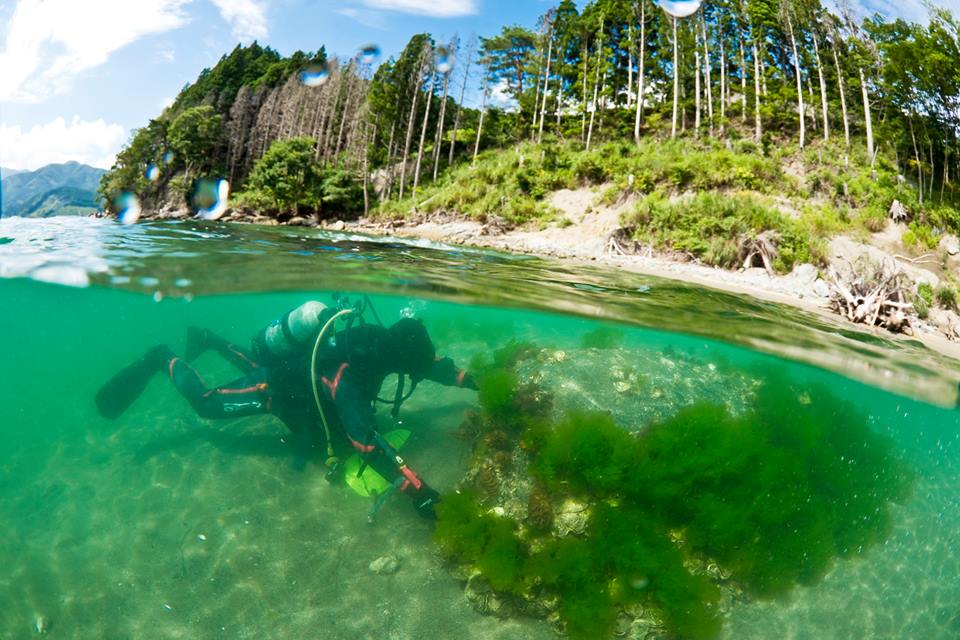
Seaweed growing in Iwate Prefecture, northeast Japan. Credit: Hiroshi Sato

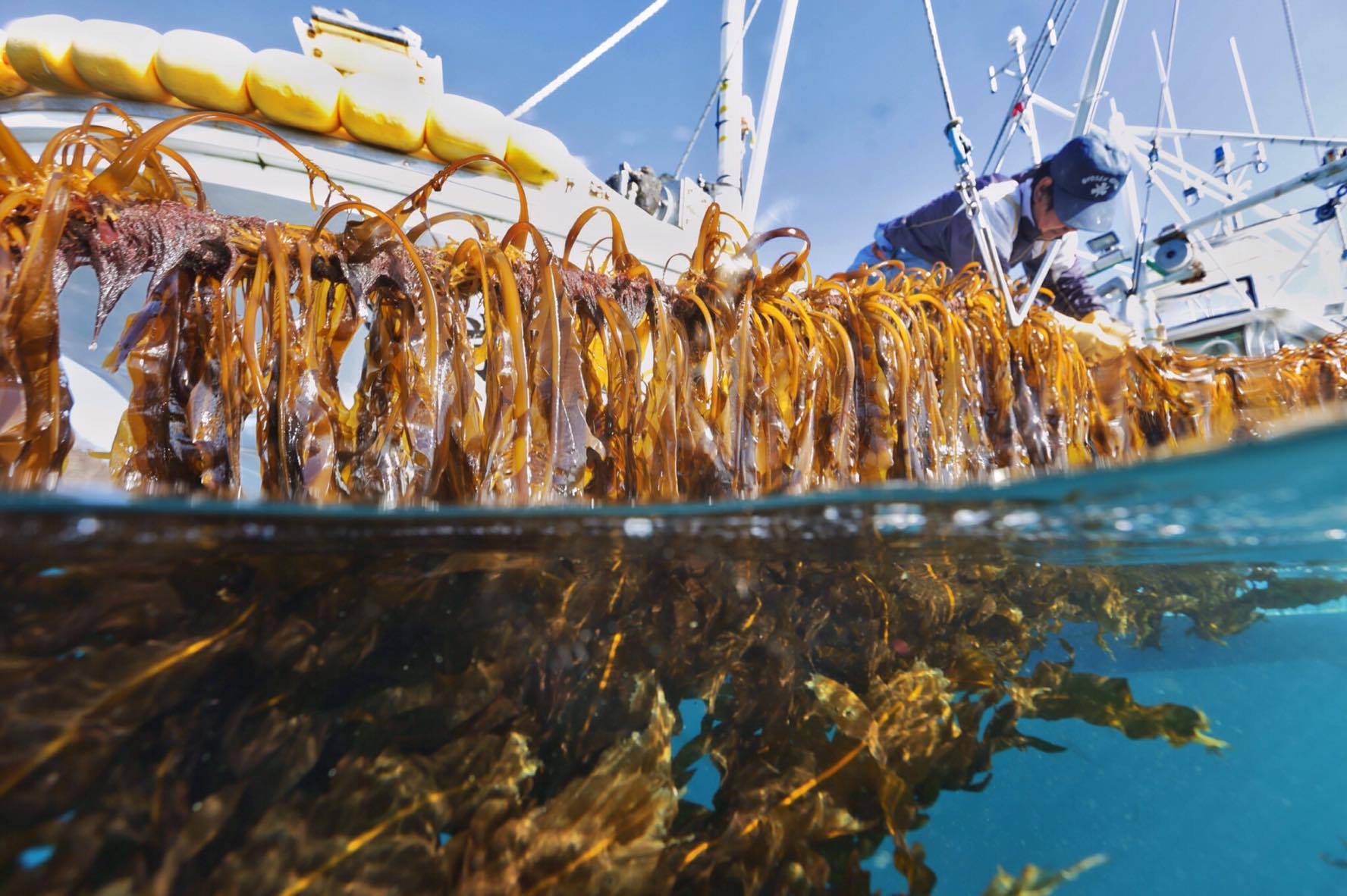
Blue carbon is also gaining traction with aquaculture, in particular seaweed farming. The benefits of farming seaweed are already clear. Seaweed doesn’t need feed or additional attention as the plant grows naturally, creating safe, healthy nursery grounds for young fish and crustaceans. Increasing seaweed farming may also open the door to a more efficient form of renewable energy — biomass — while seaweed’s ability to break down environmental pollutants and improve water quality makes its development a significant priority for aquaculture.

But like seagrass meadows, mangroves and salt marshes, seaweed can also sequester carbon. In fact, there are already seaweed farming projects with the goal of capturing carbon from the atmosphere, for example in Norway where technology and farming methods are being developed to capture CO2 through seaweed cultivation. With seaweed farming facing challenges such as the limited scope for expansion due to the availability of suitable areas and competition for these areas, rearing systems that can cope with rough conditions offshore, and increasing market demand for seaweed products, some say that providing farms with economic incentives associated with proof of climate change mitigation may be instrumental in improving the income of seaweed farmers and supporting increased seaweed production into the future. 

Seaweed growing in Iwate Prefecture, northeast Japan. Credit: Hiroshi Sato

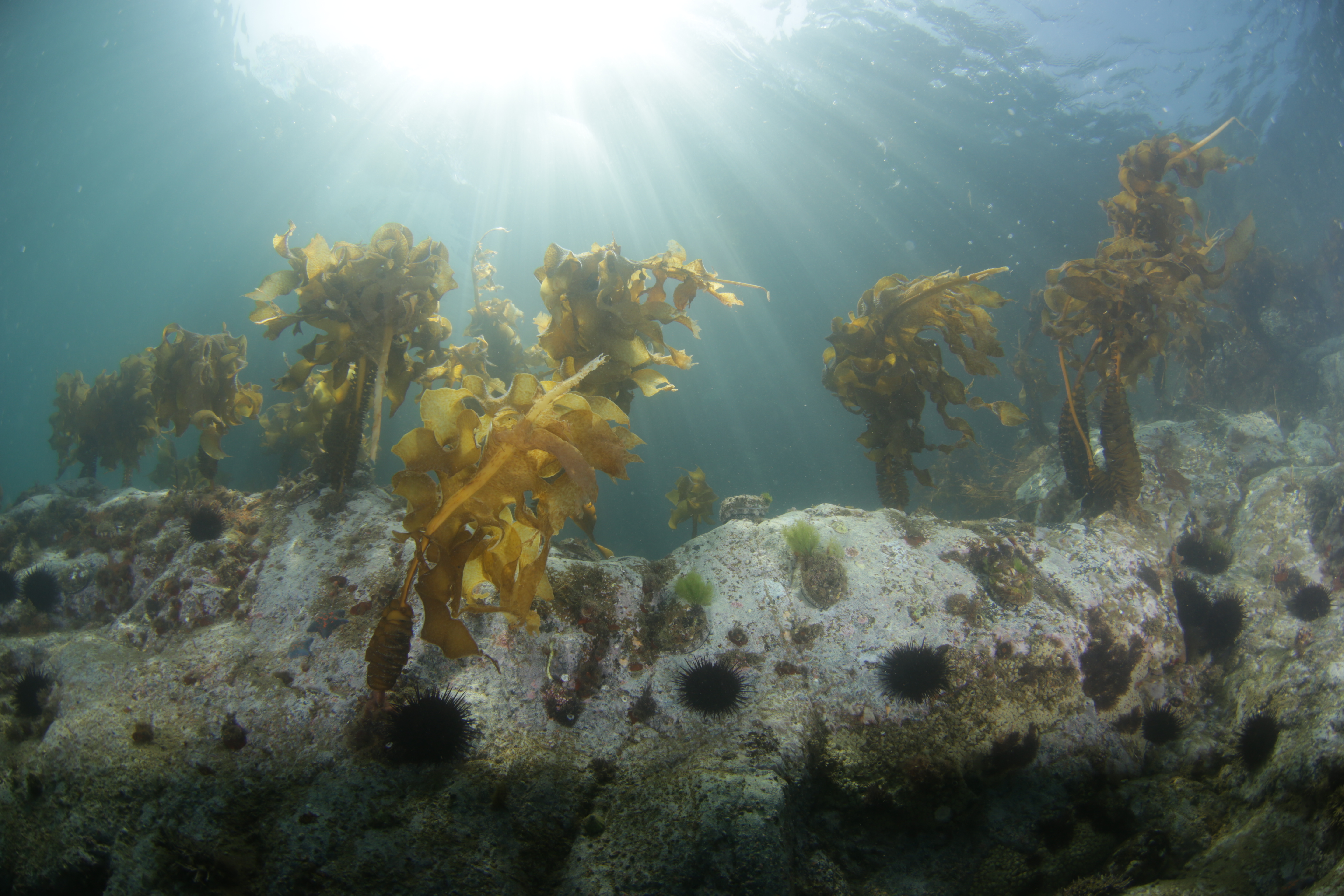
I’ve found it very exciting to see how aquaculture companies are realising the appeal of blue carbon and want to be a part of something that delivers social, economic and biodiversity benefits. In November 2022, kelp restoration and sea urchin aquaculture firm Urchinomics obtained the world’s first voluntary blue carbon credit for kelp bed restoration. By paying divers to remove sea urchins from kelp beds that have been overgrazed by sea urchins, Urchinomics helps the kelp beds to recover while turning the sea urchins into seafood through aquaculture (the sea urchins are grown on indoor raceways and fed pellets made out of kelp-stem byproducts). The Japan Blue Economy Association (JBE), a state-appointed research institute in Japan that establishes blue carbon credit standards for the country, validated Urchinomics’s science and certified the voluntary blue carbon credit. In a press release, Brian Tsuyoshi Takeda, the CEO and Founder of Urchinomics, expressed his hope that “other kelp-supporting countries will look to the Japanese precedent and accelerate their adoption of kelp as a blue carbon opportunity.” He also said “while it is called blue carbon, make no mistake that the true value in restoring kelp forests is about biodiversity. Kelp forests are one of the most biodiverse ecosystems on our planet, and meaningful carbon sequestration only happens when biodiversity is championed at the same time.” 

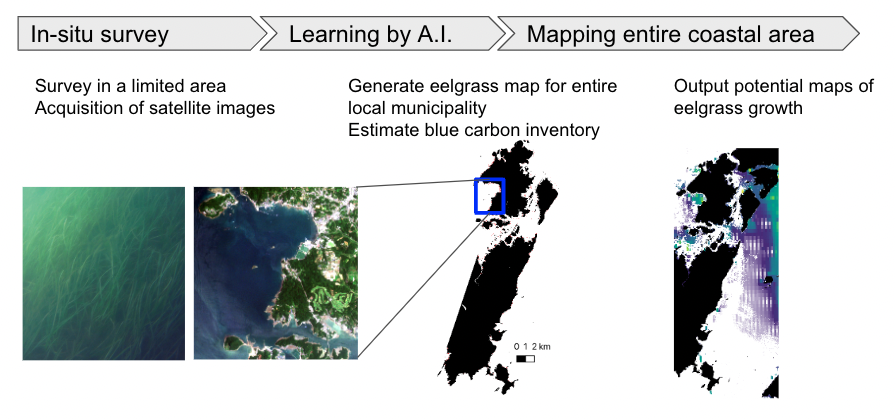
A couple of months ago, I heard about Japan/Singapore firm Umitron’s new project to identify blue carbon sinks, and am looking forward to delving into this subject a bit more over the summer. Umitron says that although blue carbon has immense potential, identifying and mapping ecosystems like seagrass meadows, salt marshes and mangroves is a big challenge, involving labour-intensive field surveys that can be time-consuming and costly. Recognising this issue, the Umitron team are using their AI technology and satellite remote sensing capabilities to identify, map and analyse coastal areas, focusing on seagrass beds, mangroves, seaweed and more. The team starts with a limited survey of a particular area, collecting data on the target species, before using AI algorithms to understand growth conditions and train the AI model to identify habitats that would be ideal for the accumulation of blue carbon. The team then leverages satellite images to analyse coastal regions, estimate areas where particular species grow, and identifies existing and potential blue carbon sinks in the process. The project can also estimate the amount of blue carbon that is accumulated in different areas. This can provide valuable insight into the potential of carbon sequestration in a particular site and potentially pick up suitable areas for seaweed farming. 

There is undoubtedly a strong case for blue carbon projects, considering just how much carbon is removed by seagrass meadows, salt marshes and mangroves. However, there are some challenges to consider. For example, the ability of these ecosystems to continue storing excess carbon from the atmosphere could depend on how climate change will impact them. These impacts could be complex, and vary from one marine ecosystem to another, or even from one species to another within the same ecosystem. Blue carbon projects are also specific to the environments that they operate in, which could make it harder for them to be scaled or implemented globally, while restoring ecosystems like salt marshes, mangroves or seagrass meadows for the purpose of carbon sequestration is a major task. Another issue is estimating how much carbon particular ecosystems can soak up, while the science behind blue carbon is still developing, despite being an important part of the complex jigsaw to fight climate change. It’s possible that the focus and hype surrounding blue carbon could result in high expectations and the risk of very different or unexpected outcomes if a project is scaled further or implemented in an environment where it might not be suitable. 

In fact, researchers from the University of East Anglia (UEA), the French Centre National de la Recherche Scientifique (CNRS) and the OACIS initiative of the Prince Albert II of Monaco Foundation have challenged the view that restoring ecosystems such as seagrass meadows and salt marshes can remove large amounts of CO2 from the atmosphere. 

In their study, they point to the vulnerability to future climate change and the high variability in carbon storage rates. They also explain that extra habitat will be required for extra carbon removal, but such habitats have already been built on for coastal settlement, tourism and port development. They also say that CO2 removal through coastal blue carbon restoration has questionable cost-effectiveness when considered only as a climate mitigation action. Comprehensive, long-term monitoring will be required to verify that the intended climate benefits are being achieved. On the whole, however, the study does stress the need for blue carbon habitats to be protected and, where possible, restored, given their benefits for climate adaptation, coastal protection, food provision and biodiversity conservation.

Seagrass meadow. Credit: Benjamin L. Jones, Unsplash

Blue carbon projects are not going to go away, and yet it’s clear that more work needs to be done. These projects will have to be flexible and adaptable to the context in which they operate, while perhaps we need to recognise that blue carbon is just one of many tools, not the full answer that we are looking for. Although blue carbon projects provide significant benefits, they aren’t suitable for every environment and will need to be done in the right one. But if we get it right, we can unlock their potential, and this can lead to more sustainable livelihoods and the preservation of important coastal habitats alongside the carbon benefits.

The increased focus on blue carbon has meant that we are also more aware of the need for investment in the conservation and restoration of marine ecosystems like seagrass meadows, salt marshes, mangroves and seaweed beds, and that’s a huge step forward. As we know, the importance of ecosystems like these extends beyond just carbon storage. While there are still challenges when it comes to blue carbon, and no doubt other setbacks to come, conserving and restoring blue carbon ecosystems is a gold mine in terms of environmental, economical and social benefits.

Back to Japan: The Latest in Fisheries & Aquaculture

Two and a half years after the COVID-19 pandemic, Japan opened up its borders to international travel on the 11th October 2022. This was the news I’d been waiting for, and after four years, I touched down in the country at the end of February and spent the first half of March getting reacquainted with fisheries and aquaculture. This month’s blog entry is a look at what’s been happening in two of Japan’s key sectors.

Fisheries
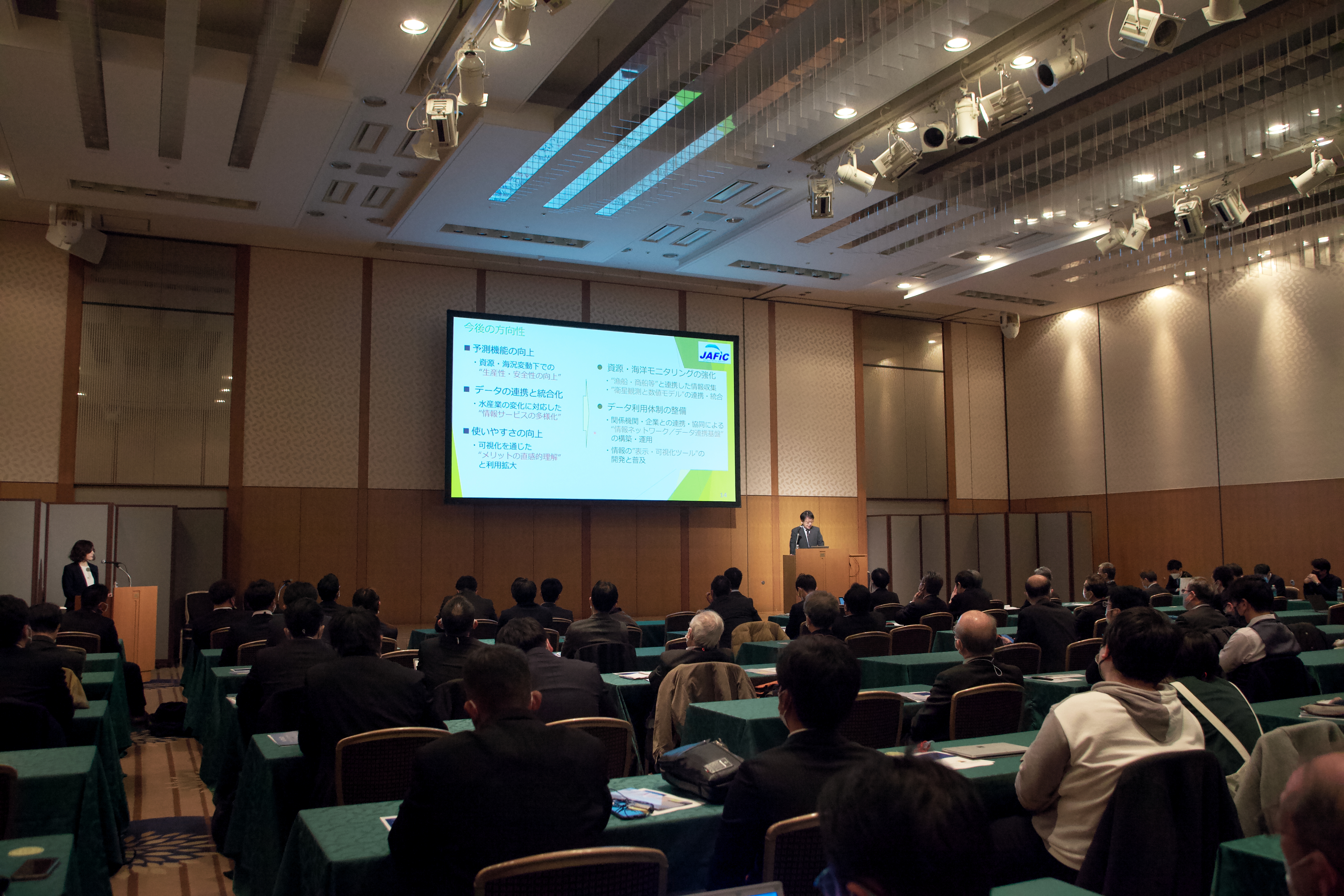
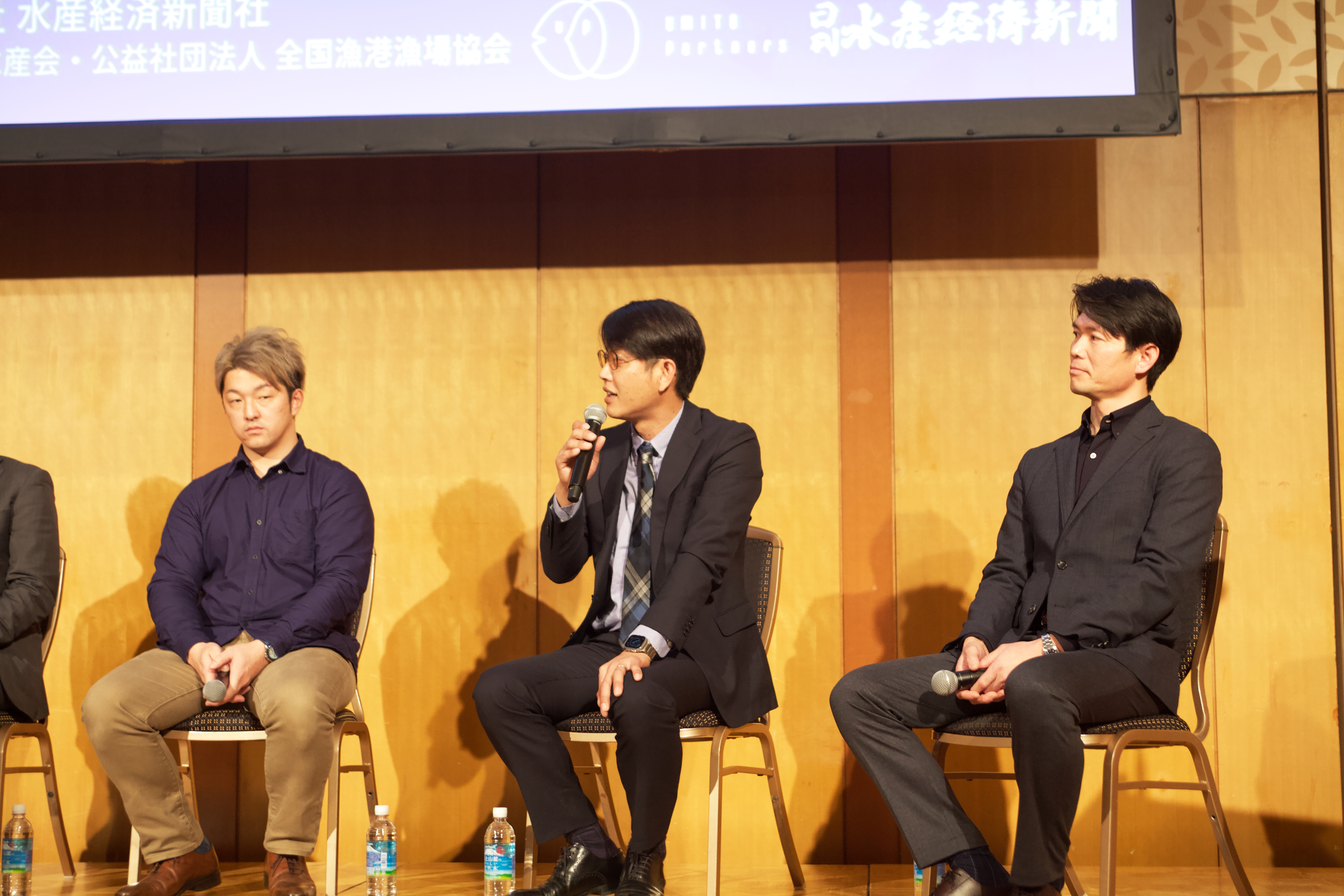
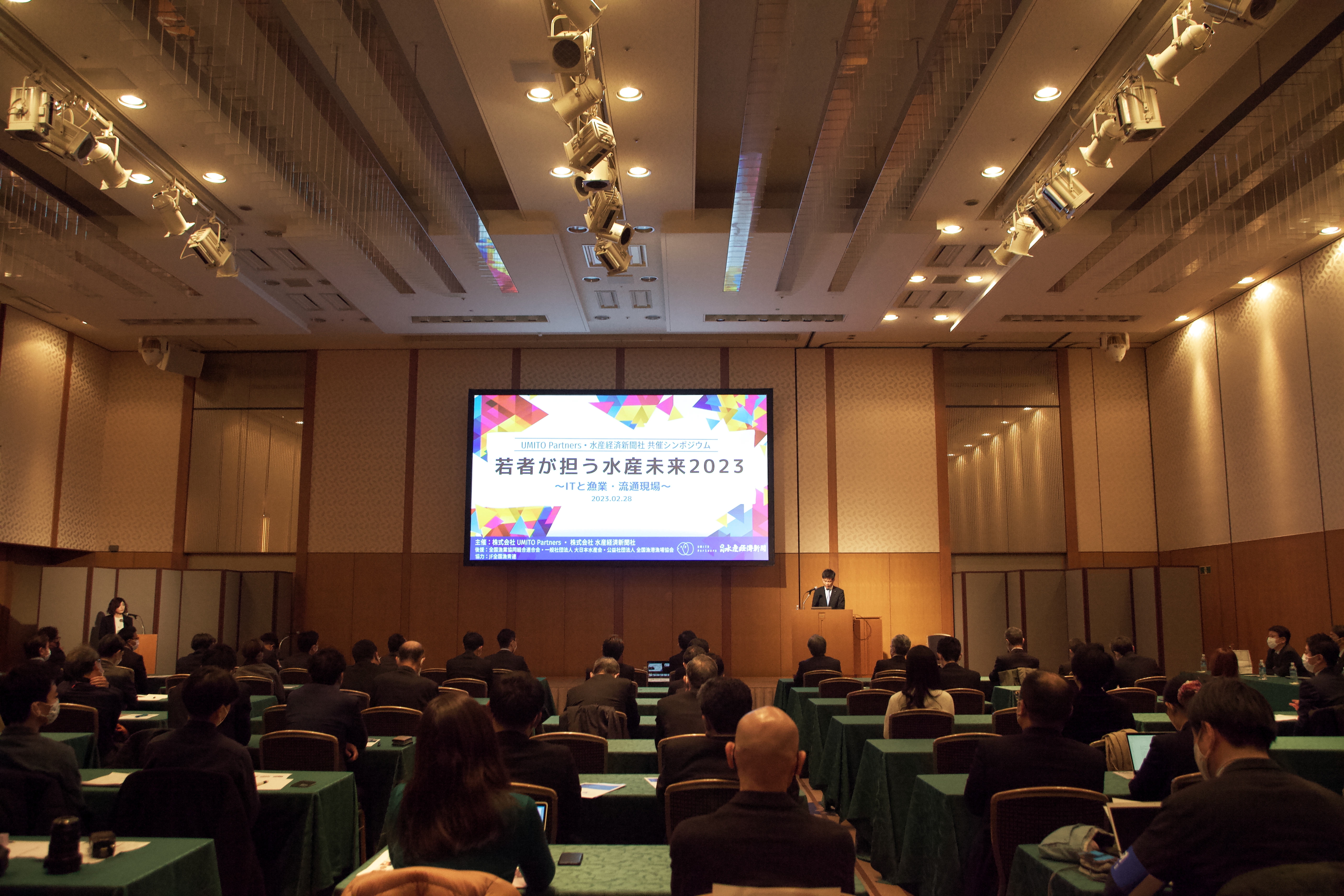
In fisheries, technology, artificial intelligence (AI) and smart solutions loomed large as a way of enticing young people to the sector. I attended a seminar held by Umito Partners, a consultancy in Tokyo that works with fisheries and fishery communities on MSC/ASC certification consultations and fishery projects and provides support in research, product development and PR. 

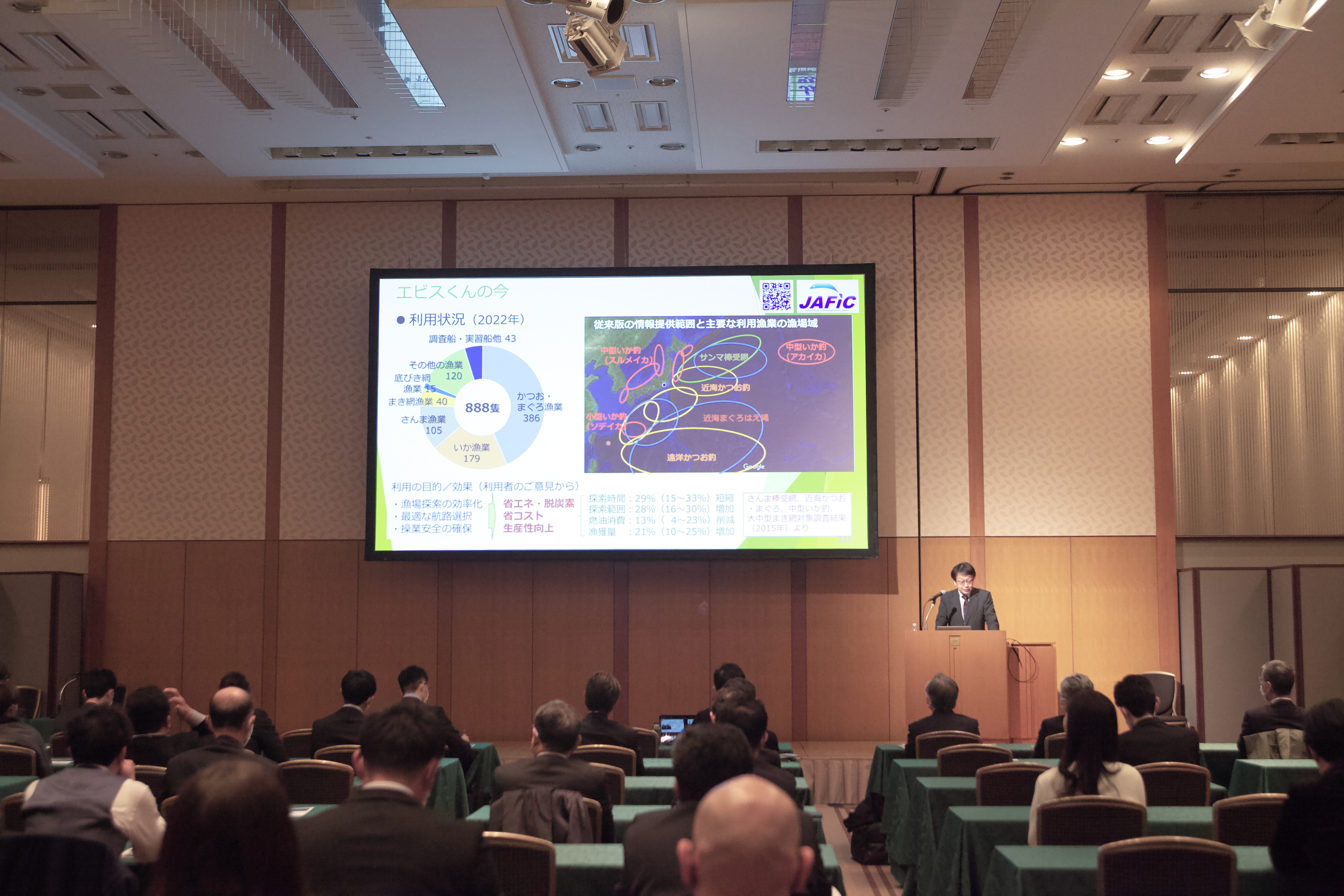
Japanese companies are increasingly creating high-tech solutions for problems faced in fishing, and some say that this can be a way to address the declining number of fishermen and bring young people back to the sector. During the seminar, organisations such as the Japan Fisheries Information Service Center (JAFIC) and IT firms including Ocean Solution Technology discussed IoT data-sharing platforms and the importance of gathering information, for example on seawater temperature, to form fishing grounds, improve the accuracy of forecasting and grasp the state of the oceans. The seminar also shed light on turning the knowledge and experience of older fishermen into data to pass this down to younger fishermen more efficiently. The second part was a panel discussion with younger fishermen including an octopus fisher from Hokkaido and the head of a firm called Lighthouse, whose system ISANA improves communication on fishing vessels and enables them to capture data and analyse it for decision-making. AI and technology are playing a larger role in seafood, the panelists said, and as they continue to improve, there will be countless applications for fishing and fisheries management. Although there are still hurdles to overcome such as running costs, Japan’s fishing industry has great potential and young people who are more experienced in technology will be key to building trust and getting things off the ground.

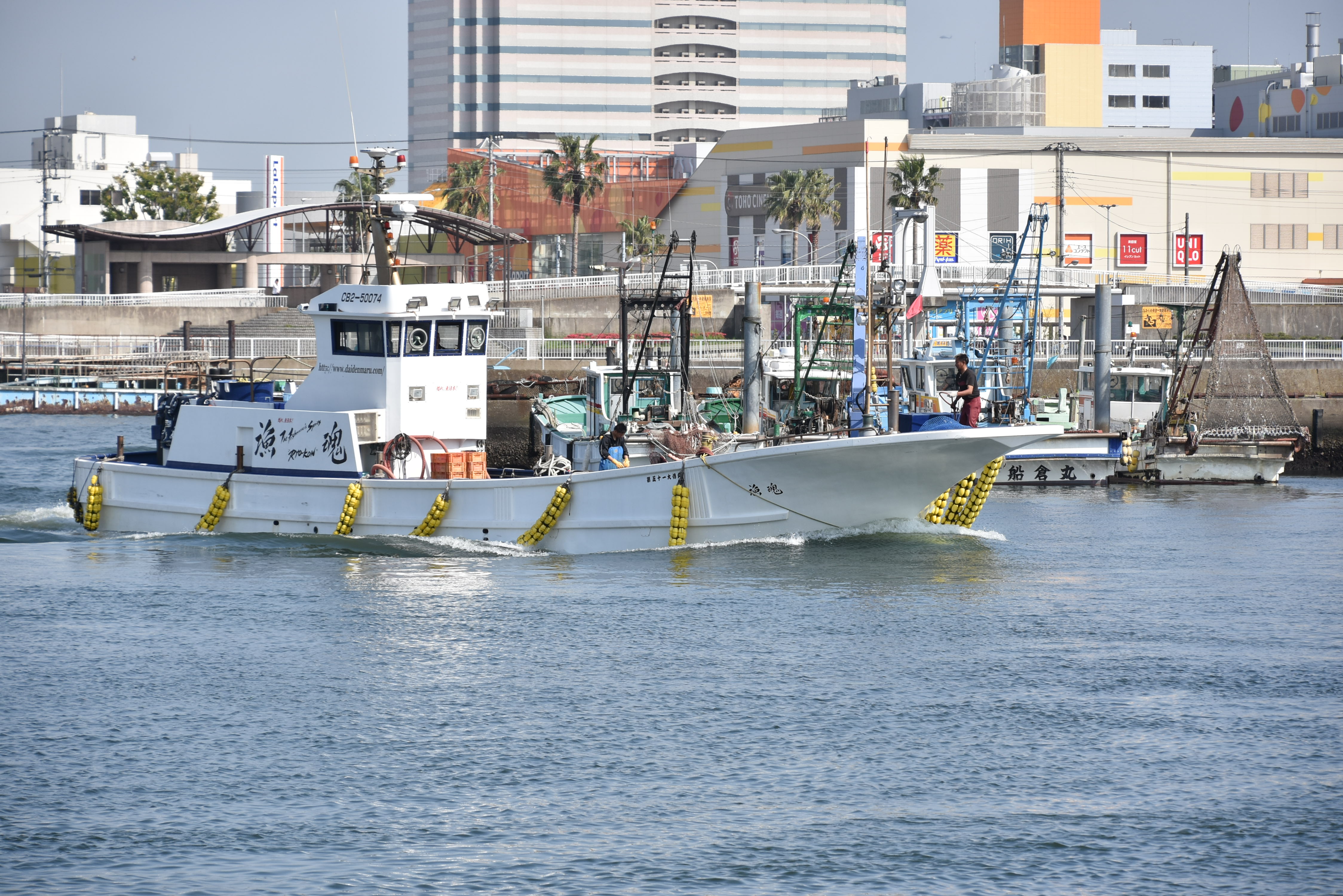
One of the guests at the seminar was sea perch fisherman Kazuhiko Ohno, who I had the pleasure of interviewing on Zoom towards the end of my stay. The eldest son of a family of fishermen, Ohno has been catching sea perch in Tokyo Bay for 42 years. Thanks to Umito Partners who arranged the interview, we had a fun discussion on the changing marine conditions in Tokyo Bay, how fishermen can play a role in helping to improve the environment, and how Ohno set up Japan’s first Fishery Improvement Project (FIP) not only to protect and pass on his sea perch fishery to future generations, but also to provide sea perch to athletes and tourists during the 2020 Tokyo Olympic Games. The pandemic changed things drastically for Ohno when the games were delayed until 2021, but the sea perch FIP is thriving and working to increase scientific understanding of the fishery, maintain sea perch stocks in Tokyo Bay and improve fisheries management practices. My interview with Ohno will be published in the May 2023 edition of commercial fishing magazine Hook & Net.

As the world’s largest consumer of high-value fish and the third largest seafood importer after the European Union and the United States, it goes without saying that seafood is a big deal in Japan. But the country has been vulnerable to importing illegal, unreported and unregulated (IUU) seafood, largely due to lax traceability requirements. In 2020, Japan passed a new law to prevent IUU-sourced seafood from entering the Japanese market, and in December 2022, the Act on Ensuring the Proper Domestic Distribution and Importation of Specified Aquatic Animals and Plants was enacted. This was the subject of an afternoon with the staff of consultancy firm Seafood Legacy, which has been working to strengthen Japan’s position in implementing measures to address IUU seafood. By providing consulting services in responsible seafood to seafood-related companies, financial institutions, governments and international bodies, Seafood Legacy is aiming to maximize Japan’s potential as a key market for imported seafood. It says that if Japan is to play a key role in sustainable seafood, it must enhance its position internationally. Strengthening and speeding up multi-stakeholder cooperation and establishing opportunities for further dialogue, as well as taking different steps under the new act, will be key. 

Aquaculture
Despite the challenges presented by COVID, aquaculture in Japan is continuing to do well. Companies such as Umitron are tapping into artificial intelligence (AI) to solve fish farming challenges. In 2022, Umitron began selling its automatic fish feeder Umitron CELL to Kura Osakana Farm, a subsidiary of Japanese revolving sushi chain Kura Sushi. Now, farmed AI Sumagatsuo — eastern little tuna or mackerel tuna — is being sold across the country, while Umitron’s fish feeder is enhancing farmers’ working environment and refining their operational and production costs and overall industry management. 

While in Tokyo, I also caught up with Dr. Marcy Wilder of the Japan International Research Center for Agricultural Sciences (JIRCAS). Land-based shrimp farming is big in Japan as a way of securing steady supplies of shrimp, and with more companies entering recirculation aquaculture systems (RAS) production, Dr. Wilder has her work cut out with the farming of Pacific whiteleg shrimp through JIRCAS’s Indoor Shrimp Production System (ISPS). The RAS trend is being driven by the technology’s promise to limit negative environmental impacts and tighten biosecurity, said Dr. Wilder, but questions remain as to whether it can be profitable with the amount of equipment and water treatment facilities that are required. That being said, with a trip to Thailand involving land-based shrimp farms in March 2023, Dr. Wilder is optimistic, and it was also worth noting during my stay the work being done by land-based salmon farmer Proximar Seafood, which is planning to produce 5,300 metric tons of salmon from its facility at the base of Mt. Fuji. 

A key reason for Japan’s focus on land-based farming is the need to procure seafood in other ways amidst the mounting pressure on aquatic ecosystems. I spoke to Takahiro Morioka of Nichimo, who said that more people are rethinking where their seafood comes from and coming up with innovative ideas. He told me about an entrepreneur called Yosuke Kurihara of startup ARK Inc. He’s pioneering a land-based farm whose units are designed to fit into a parking spot. They have the capacity to grow 60kg of shrimp in a four-month cycle, and contain sensors that monitor water temperature and oxygen levels. Kurihara hopes that soon, his company will provide fresh shrimp and more to nearby cities and even commuters through a partnership with Japan Rail. This is bringing him to Fukushima, where he is aiming to set up his units in train stations and offer local communities the chance to sell land-based seafood. Kurihara himself is actually based in London, so we’ll be meeting up in May where he’ll tell me more about his work in London and where he goes from here in Japan and the UK. 

But by far the highlight of my time in Japan was a trip to Kushimoto and Osaka to catch up with Professor Yoshifumi Sawada of Kindai University for a tour of his bluefin tuna farms. Together with his team at the university’s Aquaculture Research Institute, Sawada has also started something new — the breeding of rabbitfish (Siganus fuscescens), a herbivorous species that could play a significant role in reducing food waste by eating items such as cabbage, lettuce, broccoli, carrot and cucumber, as well as herbs such as basil and perilla. The team is collaborating with local grocery stores, restaurants and farmers to collect waste vegetables for the fish, and has also joined forces with chefs and managers of high-end restaurants in Osaka and Kyoto that are selling farmed rabbitfish. Members of the public can get involved by participating in rabbitfish tasting events and gatherings to discuss declining fish stocks, the impact of climate change on the ocean and reducing food waste. The goal of this joint effort is not only the promotion of farmed rabbitfish, but also to raise awareness of the importance of aquaculture for Japan and highlight how it can contribute to issues like food waste reduction and steering away from fishmeal and fish oil use. Giving consumers a delicious dining experience and the opportunity to hear from chefs who handle seafood daily is one effective way to raise awareness, says Sawada. He also introduced me to the Tsuji Culinary Institute in Osaka where I spoke to a group of students who are using farmed fish in their studies. We talked about the importance of aquaculture for Japan, the health benefits of seafood and how they see aquaculture developing in the future. 

Back in Tokyo, it was also a huge pleasure to meet some fellow fisheries and aquaculture journalists working for the Suisan Keizai Shinbun. We discussed a range of issues from bluefin tuna farming in Japan, the number of people in Japan and the UK who are eating less meat and focusing on fish and vegetables, the perception of aquaculture in Japan and the UK, consumer preferences between farmed fish and fish from the wild, and the UK seaweed farming sector, which was something the journalists were particularly interested in. I’ll be working more closely with the newspaper from now on to produce content in Japanese on aquaculture initiatives in the UK and around the world. I hope that through this work, readers in Japan will come to know more about fisheries and aquaculture outside their own country and build their own knowledge and connections. 

It goes without saying that COVID-19 greatly affected fisheries and aquaculture around the world, not just in Japan. The pandemic created many hurdles, but there is a lot that fisheries and aquaculture can learn from it, and it was most heartening to see that in Japan, work went on, for example by developing innovations and collaborating with one another more closely. Key steps like these were clear to see, and will continue to play vital roles in the new post-pandemic era. Aquaculture and fisheries in Japan have already featured prominently in the news since my return to the UK, most notably French firm Ynsect’s partnership with Marubeni to produce insect feed for sea bream and yellowtail farms, the use of AI in sturgeon farming and developments at Japan’s first land-based squid farm, which I’m looking forward to finding out more about later this year. I’m also keeping an eye on efforts to increase the amount of blue carbon absorbed by artificial seaweed beds, and the implementation of Japanese blue carbon offset crediting projects. There is no doubt that we can expect a lot more from Japan in the future.