A Look Back at February – Why Seaweed Is All The Rage

Seaweed is one of the world’s most sustainable and nutritious crops. It requires neither freshwater nor fertiliser, absorbs dissolved nitrogen, phosphorous and carbon dioxide directly from the sea and proliferates at an impressive rate. The large-scale cultivation of seaweed has been practised in Asia for decades, but more recently it’s become prominent in other parts of the world.

In February, there was a huge focus on seaweed farming in aquaculture circles. The Seagriculture Asia-Pacific Conference was held online early in the month. This two-day event addressed the essentials of scaling seaweed farming, the current status and future development plans for farming seaweed in Vietnam, advancing it in the North Atlantic and Eastern Pacific, new markets for a productive and scalable seaweed industry, seaweed biopackaging and a whole lot more. 

Soon after the Seagriculture conference, I met up with Fed de Gobbi, a fellow Bristolian who hosts the podcast Inside Seaweed. Once a month, Fed and his guests talk about seaweed and the benefits of farming it in relation to issues such as climate change. The podcast is also a chance to listen to how his guests became seaweed farmers. Fed and I talked about this and more, including people who might want to set up a seaweed farm, the tools they might need, the problems they could face and the type of help that might be out there. We’ve also had this year’s International Seaweed Symposium in Australia, while my February feature for Global Seafood Alliance also covered seaweed. 
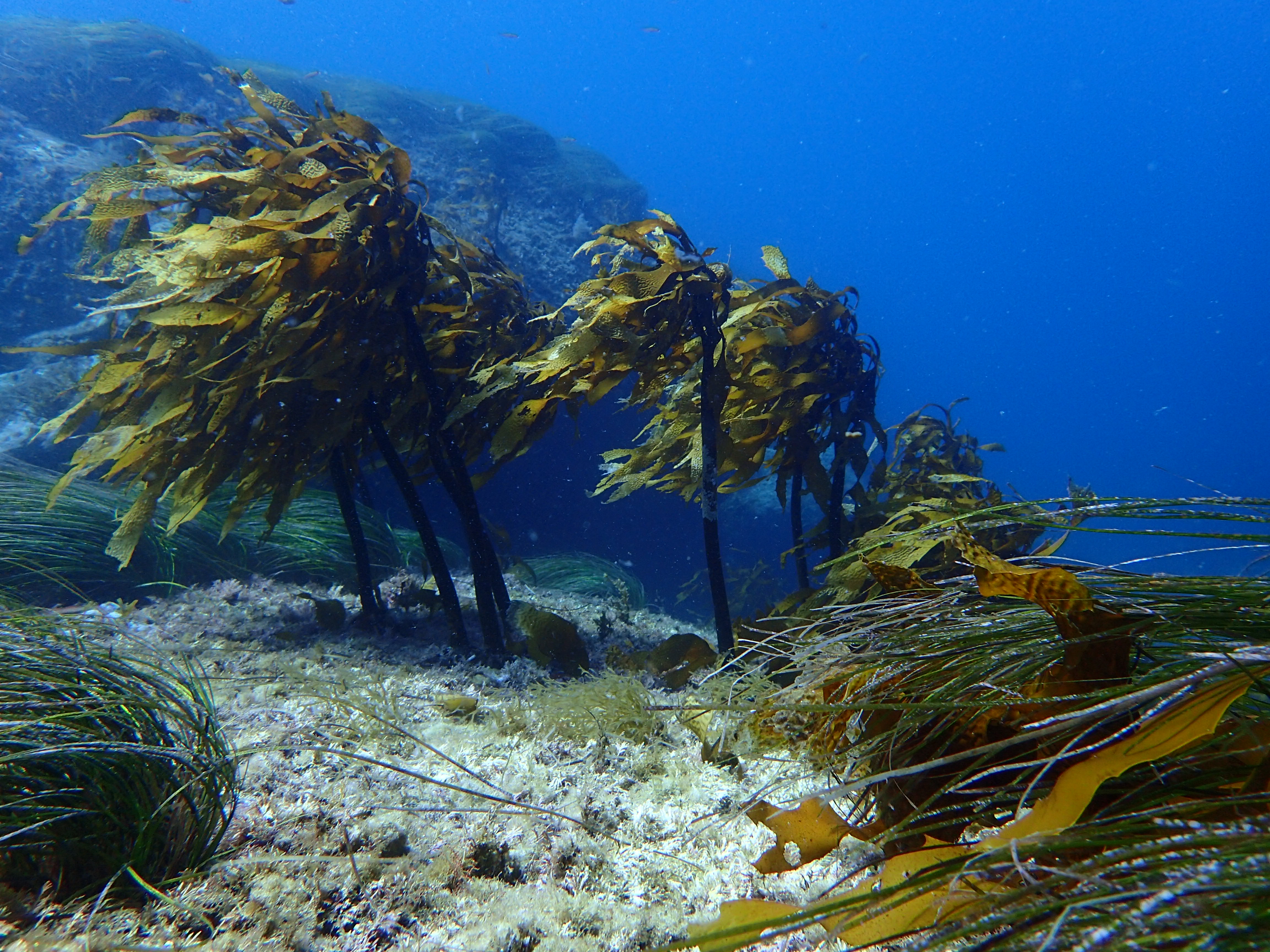
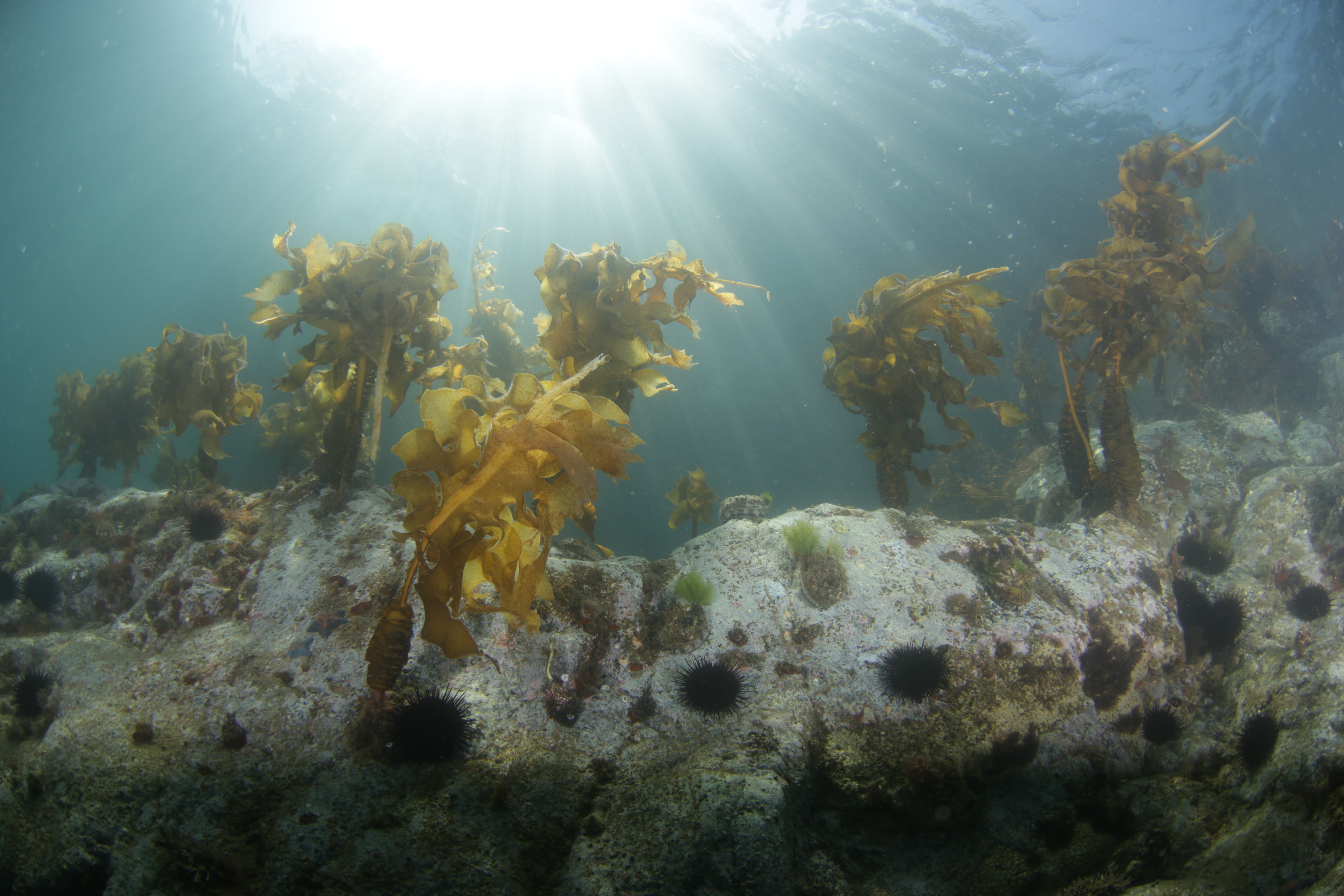
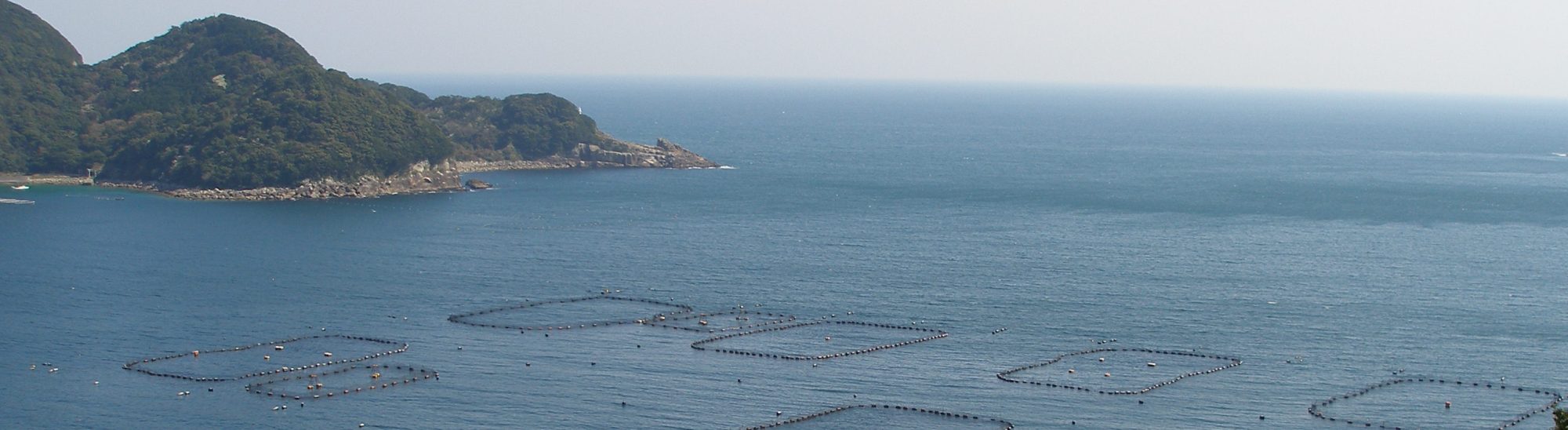
Seaweed in the Sea of Japan. Credit: Bonnie Waycott

It’s not hard to see why seaweed is having its moment in the sun. Agriculture’s capacity to meet future food demands is becoming limited because of the reduced availability of arable land and freshwater. Meanwhile, reducing greenhouse gas emissions is a huge challenge, as is habitat degradation on land. With agriculture becoming more untenable, we are being pushed out to sea. Aquaculture has long been seen as a promising way to meet sustainable development goals and feed a growing global population. But how can the sector do this? 

One answer to this question is seaweed farming. Seaweed is rich in protein, Vitamin B12 and trace minerals, while iodine and omega-3 fatty acids, which many seaweeds have in abundance, are essential for brain development. It also has potential as animal feed and even beyond food as a packaging replacement for plastics and biofuel. Seaweed farming also offers economic opportunities to coastal communities that have lost jobs due to declining commercial offshore fisheries, while one study shows that seaweed could absorb as much carbon as the Amazon. With all the talk of poor ocean health and predictions of seas without fish, seaweed farming offers hope that there is still a way to work sustainably with the ocean.

Seaweed farming in Tohoku, Japan. Credit: Hiroshi Sato

Here in the UK, the Pembrokeshire coastline in Wales is home to commercial venture Câr-y-Môr, which means “for the love of the sea” in Welsh. This community-owned business is aiming to become the first commercial seaweed and shellfish farm in Wales and improve the coastal environment and community of the UK’s smallest city St Davids by creating jobs and giving local people a route into the Welsh seafood sector. The farm grows sugar kelp with scallops and oysters, replicating a farming model that was pioneered in the US by Bren Smith, founder of NPO GreenWave that focuses on developing regenerative ocean farming. It uses a polyculture system where a mixture of shellfish and seaweed are grown without freshwater, fertiliser or feed, while capturing and storing carbon. Another example of seaweed farming is Norway’s Seaweed Solutions, which supplies the food industry and other markets with sugar kelp, winged kelp and other species that are farmed off the island of Frøya. 
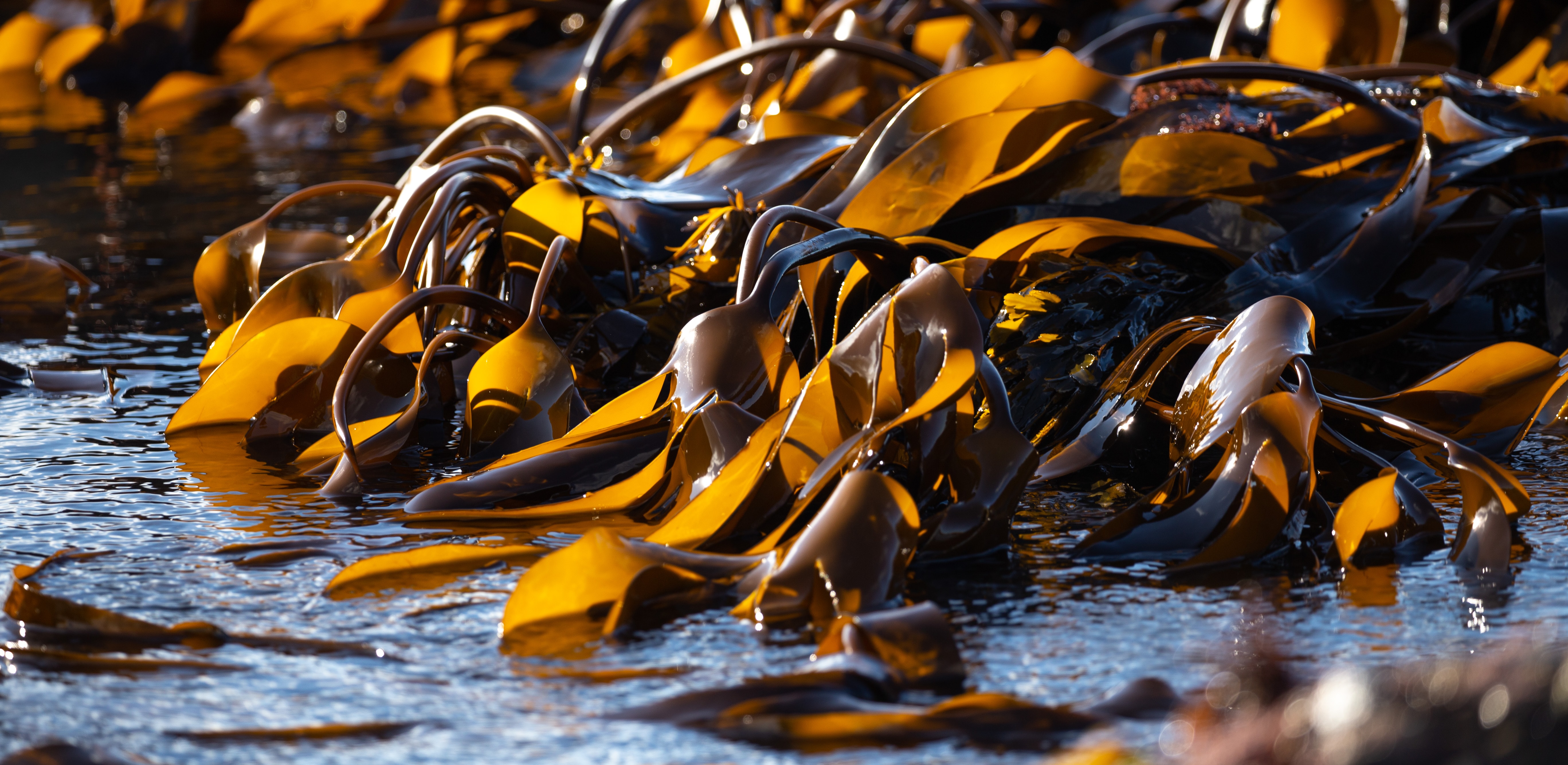
Photo credit: Ben Wicks, Unsplash

If seaweed farming continues to grow, could we see more people eating it? The consumption of seaweed remains somewhat niche in the west and much more common in Asian countries, but despite this, Western countries are starting to embrace seaweed as a food ingredient. Perhaps one of the most famous examples is nori seaweed, which is used in sushi as an edible wrap. But many people are still less familar with seaweed, with first impressions of it less than appealing. It’s often seen as a smelly, salty or slimy plant that washes up on beaches. 

One study shows that taste and familiarity have the most influence on participants’ willingness to try and buy seaweed-based foods, with the healthy attributes of seaweed less important. Luckily, seaweed is extremely versatile — it can be added to a range of products to enhance taste, thicken soups, stabilise texture or act as an alternative seasoning to salt. Furthermore, thinking about what we eat has become an important environment-related talking point. With more people eating less meat and dairy, the consumption of plant-based products, plant-based milk like almond, soya and oat milk, and daily alternatives like plant-based yogurt are all on the rise. Seaweed could be a worthy addition to this list. It is suggested that if future seaweed products are to draw attention, taste-focused language on packaging (delicious, rich) and recipe ideas for consumers (how to make a seaweed salad or serve seaweed as a side dish) could be two important marketing strategies. 

The current focus on seaweed farming is extremely encouraging and I have no doubt that it will continue. It is often viewed as the pinnacle of sustainable aquaculture but it’s also important to better understand the possibilities it offers and any possible effects, for example on the marine environment. Could seaweed change environmental conditions or become invasive in a new habitat? This type of work will help to enhance our knowledge of seaweed farming and the potential to explore and further develop it. If we can work with seaweed to improve environmental practices and more, we could be one step closer to feeding a growing population and maintaining healthier seas. 
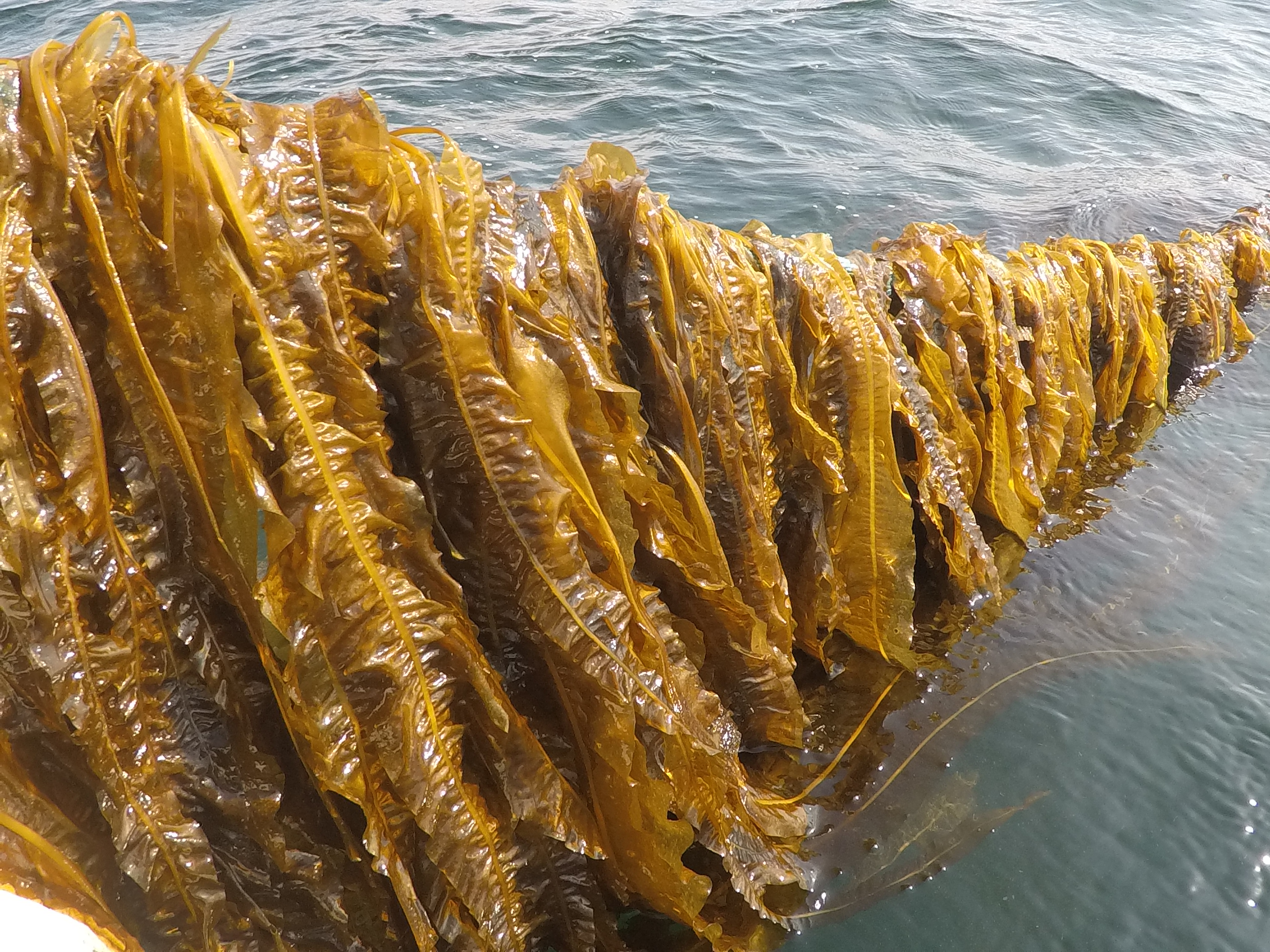
Seaweed on longline. Credit: Tom McDermott

Bright Horizons — What’s Next for Aquaculture This Year?
The past couple of years have been extremely challenging for aquaculture. Not only has the industry had to contend with a global pandemic, but a cost-of-living crisis, inflation and energy prices, supply issues and even a war in Ukraine have brought home the need to overcome some unprecedented hurdles in the midst of other obstacles such as ocean acidification and climate change.

This huge uncertainty is overwhelming and I have no doubt that my role, and that of the media in sharing the experiences of those in aquaculture, will become more important than ever. In my first blog entry of 2023, I take a look at the outlook for aquaculture and what resonated with me.

At the end of 2022, the Sustainable Aquaculture Innovation Centre (SAIC) in Scotland outlined three themes that would shape the Scottish sector in 2023. Among the biggest emerging challenges for aquaculture in 2022, said Heather Jones, CEO of SAIC, was warmer waters causing algal plant or zooplankton blooms. With the impact on animals and plants in the natural ecosystem, as well as seafood, a huge concern, one of SAIC’s goals is to support aquaculture with new technology that can better understand the threats posed by harmful blooms. Early warning technology and methods to discern the trends and patterns of harmful blooms will go a long way towards helping farmers respond quickly to protect their fish or shellfish.

Harmful blooms are also a growing concern in the US, where modelling and forecasting capabilities, and systems like sensors that assemble data on ocean conditions, currents, algal species abundance and toxin levels, are working to lessen the negative effects. These will become even more critical to helping aquaculture keep pace with further impacts as our oceans warm under a changing climate. Researchers are also learning that different algae species impact different types of fish and shellfish, and efforts are underway to ensure that the technology is ready so that farmers can act accordingly when things shift on their farms.

Jones also said that a progressive, modern mindset is needed to help future-proof aquaculture, and that in 2023 there will be opportunities to shift from the development of emerging technology to its adoption. We have already seen that the Internet of Things (IoT) and artificial intelligence (AI) help fish farms monitor and control their production through real-time data collection so that water quality conditions and other parameters can be adjusted and assessed quickly and remotely. They can also help farms manage risks and processes such as food safety, supply chain transparency and waste reduction. With plenty of knowledge already gained from research, hopefully in 2023 this knowledge will be put to use even more. The increasing need to procure seafood responsibly and sustainably will prompt further technological innovations that will reshape aquaculture.

Could aquaculture also see some new species this year? Last month I read about work in Norway to develop farming techniques for the spotted wolffish (Anarchichas minor). This fish appears to have some unique traits that make it suitable for aquaculture, such as good feed conversion ratios. Another new species that caught my eye was the snubnose pompano (Trachinotus blochii). Researchers at the Southeast Asian Fisheries Development Centre Aquaculture Department (SEAFDEC/AQD) in the Philippines are aiming to address the lack of pompano fingerlings that can be stocked in cages and ponds, and are building a pompano hatchery with a rearing capacity of 80 tonnes. It may be worth keeping an eye on this new species, which is also being considered as an alternative to milkfish and tilapia, the dominant farmed species in the Philippines.

Despite falling prices and rising costs, the outlook for the shrimp market in 2023 is optimistic. According to the latest Rabobank report, global shrimp production is expected to grow by up to 7%. Ecuador, the world’s largest producer and exporter of shrimp, is likely to be a key driver of the shrimp industry. “With a perfect climate, a low-intensity model, and large, vertically integrated farmers, the Ecuadorian industry has a unique advantage that will last for the foreseeable future,” says the report.

Also coming up this year is the Seagriculture virtual conference, which will premiere in the Asia-Pacific in early February. Dedicated to the region’s seaweed industry, the conference will cover topics from seaweed farming and mechanisation to market trends and business development, along with breeding and disease and seaweed applications. With so much focus over the years on the benefits of seaweed and the positive impacts of farming it, could we see even more opportunities for seaweed this year? Seaweed farming requires no inputs and as a regenerative form of farming, is winning praise and leading to positive dialogue on aquaculture’s environmental benefits. With the climate impact of our food a huge topic, more and more people are likely to want food with lower carbon footprints, such as seaweed and shellfish. This will undoubtedly put seaweed in the spotlight as a healthy protein option.

There is also a sense of positivity in Japan. In his new year address, the CEO of social venture Seafood Legacy, Wakao Hanaoka, discussed Japan’s seafood industry, including fisheries and aquaculture, and highlighted his belief that becoming a front-runner among Asian countries in the pursuit of environmental sustainability and social responsibility is the path to a bright future for Japan. In the meantime, new species are also being farmed in the country. Researchers at Kindai University are farming the herbivorous rabbitfish (Siganus fuscescens), a species that tends to be discarded by capture fisheries as its unique smell isn’t popular among Japanese consumers. By farming this type of species, the researchers hope to address the issue of waste vegetables and join forces with high-end restaurant chefs who can prepare rabbitfish to reduce its smell, encourage consumers to embrace it, and highlight the positive nature of farmed fish. I’m looking forward to hearing more about Japan’s efforts when I head there next month.

July 2022: Eliminating Off-Flavour – Making RAS Fish Taste Better

Last month, for an upcoming article, I received an interesting link from the editor of Hatchery International magazine: https://www.eitfood.eu/projects/just-add-water.
FishFrom Ltd, a land-based salmon farm in Scotland, is planning to raise Atlantic salmon from egg to 5kg using recirulating aquaculture systems (RAS) technology that improves animal welfare and product quality.

But what caught my eye in the link was the word bacteria. The new technology will not only reduce energy consumption and provide a host of other RAS benefits, but it will also eradicate particular bacteria, resulting in a product that is free from the muddy taste that is sometimes present in fish that are grown on land.

RAS is growing in leaps and bounds, and more fish are being produced in these systems every year. The practice allows fish to be raised in a controlled, healthy rearing environment and lowers the risk of negative environmental impacts. RAS is a positive step for fish farming, but mitigating the off-flavours that the system can impart on fish is a big challenge. Seen as a defect in quality, a muddy taste is bad for business and reduces market value.

This taste occurs when bacteria such as streptomyces, myxobacteria and actinomycetes build up in the water, producing organic compounds called geosmin (GSM) and 2-methylisoborneol (MIB). (GSM is the organic compound that causes the fresh, earthy smell we tend to detect after it rains). These are absorbed into the gills and tissues of the fish, accumulating in their flesh. Fish such as Arctic charr, barramundi and rainbow trout, as well as salmon, can all be affected. Off-flavours are usually removed by depurating fish in clean water, but this can take days to weeks depending on the concentrations of GSM and MIB, the species and their size, costs a lot in terms of equipment and energy requirement and can result in significant economic losses due to delays in harvest and high consumption of clean water. Fish are also not fed during depuration in order to ensure good water quality. This can result in weight loss.

Through the new technology it’s developing, FishFrom Ltd is aiming to combat issues associated with off-flavours and come up with solutions so it’s no longer a hot topic on RAS farms. The company has joined forces with the Universities of Trento and Bologna to develop a system that is based on photocatalytic ozonation — using light and ozone to purify water. Francesco Parrino, a University of Trento researcher who developed the system, told me this month that light can produce reactions that lead to the degradation of pollutants and the removal of pathogens such as viruses and bacteria. Could this method eventually replace depuration? Although it’s still not clear, the technology has shown some promise in that it appears to improve water quality parameters rather than alter them.

FishFrom Ltd is not the only company trying to counteract the effects of off-flavour. One study shows that methods such as advanced oxidation processes, algicides and activated carbon show promise in degrading the compounds that produce off-flavours. It’s also possible to add bacteria to the water that out-compete the bacteria that cause off-flavours. Biotechnology company Nova Q is exploring this very area, and their latest innovation is identifying a bacteria that will break down GSM and MIB. They’ve developed a product called RAS-Right, a liquid additive that contains a mix of bacteria that enhances the nitrification process in RAS farms. In the meantime, it may be possible one day to taste the fish before sending them out for analysis or shipping them to market. Scientifically, setting up a taste panel may not be easy due to the different taste thresholds of those involved. But matching up the science and data with taste information could prove to be insightful.

Interestingly and perhaps unexpectedly, feed firms are also looking at tackling off- flavour. KnipBio, whose focus is nutritional solutions for aquafeed, is investigating whether feed additives could reduce off-flavours. They say that fish fed a diet containing five percent of KnipBio Meal single-cell protein have significantly lower levels of GSM and MIB. As the first nutrition-based alternative to purging fish, the diet indicates that purging could potentially be eliminated, resulting in significantly better RAS economics, better process reliability and enhanced consumer satisfaction.

As their project evolves, FishFarm Ltd and the Universities of Trento and Bologna will also be taking into account the final stage of the process when the products hit the shelves — the behaviour of consumers, and their awareness in making responsible choices for the environment and their health. It’s important from the consumers’ point of view to know what they are buying, and with consumers trying to eat better and being more aware of issues such as aquaculture’s environmental impact, it is vital for farmers to know about consumer preference when it comes to such things as taste and texture and be able to deliver accordingly.

The inroads being made to address off-flavour are encouraging. It’s a topic that we don’t hear about so often in aquaculture circles but it’s one where everybody needs to have as much information as possible to try to mitigate the problem, so it’s great to see the efforts that are underway. Large-scale RAS facilities are continuing to develop, and one key to unlocking their growth potential could be in improving how they manage bacteria and ensure delicious taste and good quality. Technology providers have a key role here, and it will take the researchers and innovators out there to come up with that ideal solution, whether that’s a combination of technologies or just one.

June 2022: Climate-Friendly Seafood — How Aquaculture Can Reduce GHG Emissions

Last month I was intrigued by — and very much enjoyed — a joint study between the University of Adelaide and the Nature Conservancy, which assessed how GHG emissions from finfish, seaweed and bivalve aquaculture could be mitigated. The study — Climate-Friendly Seafood: The Potential for Emissions Reduction and Carbon Capture in Marine Aquaculture — gives a good insight into the development of climate-friendly aquaculture practices and the issues that we need to prioritise and address. 

When it comes to our food and issues such as climate change and carbon footprint, discussions tend to focus on meat, or corn, or soy. But what about fish and seafood? Can these be climate-friendly food alternatives? Some of us may think so, but both wild-caught and farmed fish generate greenhouse gas (GHG) emissions, with impacts varying widely depending on what the fish eat, how they are caught or farmed, and how they make their way to our plates. We talk a lot about sustainable aquaculture or responsible aquaculture, but these can be quite loose terms that don’t always carry a lot of meaning or specificity. Emissions and climate-friendly seafood are much more specific, which is why this particular study caught my eye. 

Climate-Friendly Seafood

According to the study, aquaculture produces GHG emissions in many ways, for example through feed production or transportation. Finfish aquaculture has the highest GHG footprint, far more than seaweed and bivalve aquaculture. Seaweed has the lowest footprint because production involves limited infrastructure and mechanisation and is closer to shore, therefore lower on farm transport and maintenance emissions. However, on-farm activities such as using electricity and fuel could be classified as emissions-intensive. The study says that attention should be paid to the sources of energy for seaweed cultivation and any change in farm location, such as moving or expanding to offshore environments that could be energy-intensive. 

Bivalve aquaculture doesn’t require feed inputs, so emissions can be minimised. Like seaweed, energy and fuel use on a bivalve farm are the two areas that could potentially contribute to increased emissions, depending on the production system. 

Finfish aquaculture has the highest GHG footprint because of the emissions intensity from feed supply, including wild-caught fishmeal or fish oil, feed processing, transportation of feed to farms and crop agriculture, deforestation or fertiliser use if fishmeal alternatives are used. The fuel used on boats that catch wild-caught fish is also a big factor. Feed is undoubtedly the number one culprit for GHG emissions when it comes to finfish aquaculture, but in order to understand the impact of these emissions, we need to know what kind of feed is used and how efficiently fish convert food into growth. And, finally, feed aside, the location where products are processed can also increase GHG emissions. Shipping something to be processed in another country, or importing a product for sale, raises fuel and energy consumption significantly. The result? Higher emissions. 

Reducing GHG Emissions

One way for aquaculture to reduce GHG emissions is to switch to low-emissions energy sources, biofuels and sustainable building materials. For example, finfish aquaculture could switch from diesel oil to natural gas. This has been shown to reduce GHG nitrous oxide emissions from farmed salmon by 85% and CO2 emissions by 20%, according to the study. Site selection is also key to limiting GHG emissions. Seagrass and other sensitive habitats should be avoided as much as possible, but if this is difficult, regularly shifting the location of infrastructure within the broader farm area could be a step to take. Farmers could also shift to species that require less feed, or change the composition of feed to reduce eutrophication. 

For bivalve aquaculture, manual harvesting is said to be the least likely to disturb seagrass, while the volume of carbon-rich shell waste could also be taken into account. Rather than discarding bivalve shells in landfills, where they eventually release stored carbon into the environment, upcycling and turning them into calcium carbonate or calcium oxide can provide a cheap, abundant and sustainable resource.

Focusing on climate-friendly farm designs, farm siting and species choices can all help to support reductions in GHG emissions in seaweed aquaculture, while the use of farmed seaweed in future feed or animal feed products could achieve a net reduction in GHG emissions compared to current feed sources, or provide a functional food value such as improving fish health and therefore efficiency in production. There are also opportunities to reduce indirect GHG releases, such as the release of CO2 associated with calcification. Farming seaweed with bivalves could lead to a net reduction in CO2 emissions, while cofarming finfish with seaweed or bivalves absorbs excess nutrients, reducing eutrophication. 

Moving Forward

Aquaculture needs to be part of the climate change solution. Sustainable aquaculture or responsible aquaculture are well-established concepts, but perhaps we should also consider low GHG aquaculture. Policy shifts, international cooperation, improved technology and assistance for fish farmers are all necessary changes if aquaculture is to continue improving. Farmers must show that their products and production systems fit into a more environmentally-friendly world, while consumers can continue to signal that they want sustainably-caught, low carbon fish, not just to help fight climate change but also to help preserve the fish that they want to see on their plates. 

As aquaculture increases in prevalence and importance, so too do its climate impacts, but multitrophic aquaculture, such as farming oysters or mussels together with seaweed, can be far more climate friendly and help combat climate change. Not only does this help in terms of ocean acidification, but it also provides a little bit of a carbon sink and sequesters some of the local carbon, tempers the surrounding acidity and produces a better shellfish product. Seaweed creates oxygen pockets that shellfish can thrive in, and also draws out some of the excess carbon in the ocean, which helps mitigate the effects of climate change.

As aquaculture continues to expand, intensify and diversify, we must recognise the relevant environmental and social concerns such as impacts from feed production, water pollution, antimicrobial resistance and competition for land and water, and take steps to address them.

April 2022: IoT, The Rising Star in Aquaculture

Aquaculture is a relatively new industry, with the most established farms having only really started in the late 20th century. But it’s grown to such an extent that today, seafood from aquaculture now accounts for over half of all the fish we eat worldwide. Given the negligible scope for capture fisheries to increase their harvests — it may only be a matter of time before we pull the last fish out of the ocean — aquaculture is now poised to feed a hungry planet and meet the increasing demand for seafood. One thing it will need to fulfil this task is technology. 

Enter the Internet of Things, or IoT. Companies and startups are turning to IoT to develop systems that pull data from various sensors and satellites. This data is then put to use to make operations more efficient using cloud-based analytic software tools. Every item of equipment across the production chain can be interconnected through IoT. Cloud computing also provides a virtual storage place and pathway for the vast amounts of data and programmes that need to be stored and accessed. This enables better collaboration between developers situated remotely, offers a clearer understanding of what is happening across a farm, and enables decisions to be made swiftly if a farm is likely to encounter any problems. 

Farmers can gather information through cameras, digital image data acquisition equipment and temperature, humidity, light and other sensors for water quality parameters. Data on the health of fish and environmental parameters can then be transmitted to a control center through communication nodes with data processing and decision-making performed in the cloud. Integrating technology and the whole industrial chain of aquaculture production, operation, management and service also means that, for example, an aerator system can precisely control the aerator, circulating water treatment equipment and cleaning equipment to achieve good water quality. Or, an automatic fish divider could pool and harvest fry of different sizes and ages, while fault diagnosis and early warning systems are constantly on alert to guarantee safe operations. 

Put simply, farmers get the visibility they need to do the following:

–> Stay on top of fish health. Farmers can foresee everything from fish growth rates to environmental threats like algal blooms thanks to real-time monitoring and management.

–> Decrease the amount of waste from feed. They can tell when their fish are being overfed and predict how much the fish will eat based on temperature, health, time of year and other factors, resulting in less feed waste.

–> Comply with regulations. Because healthy fish don’t need antibiotics, farms are able to prove that they are complying with particular regulations or sustainability requirements.

What IoT Technologies Are Driving Aquaculture?

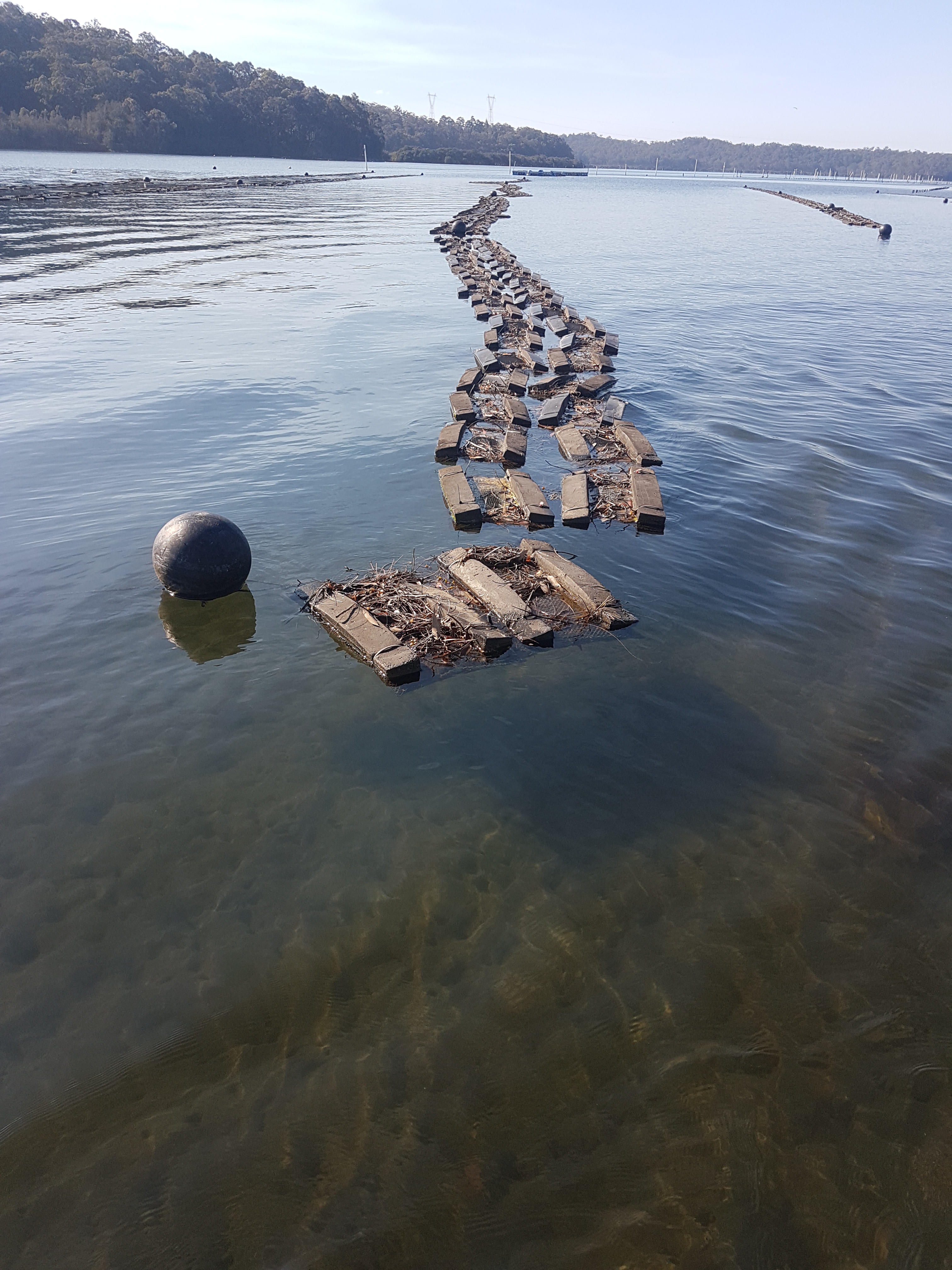
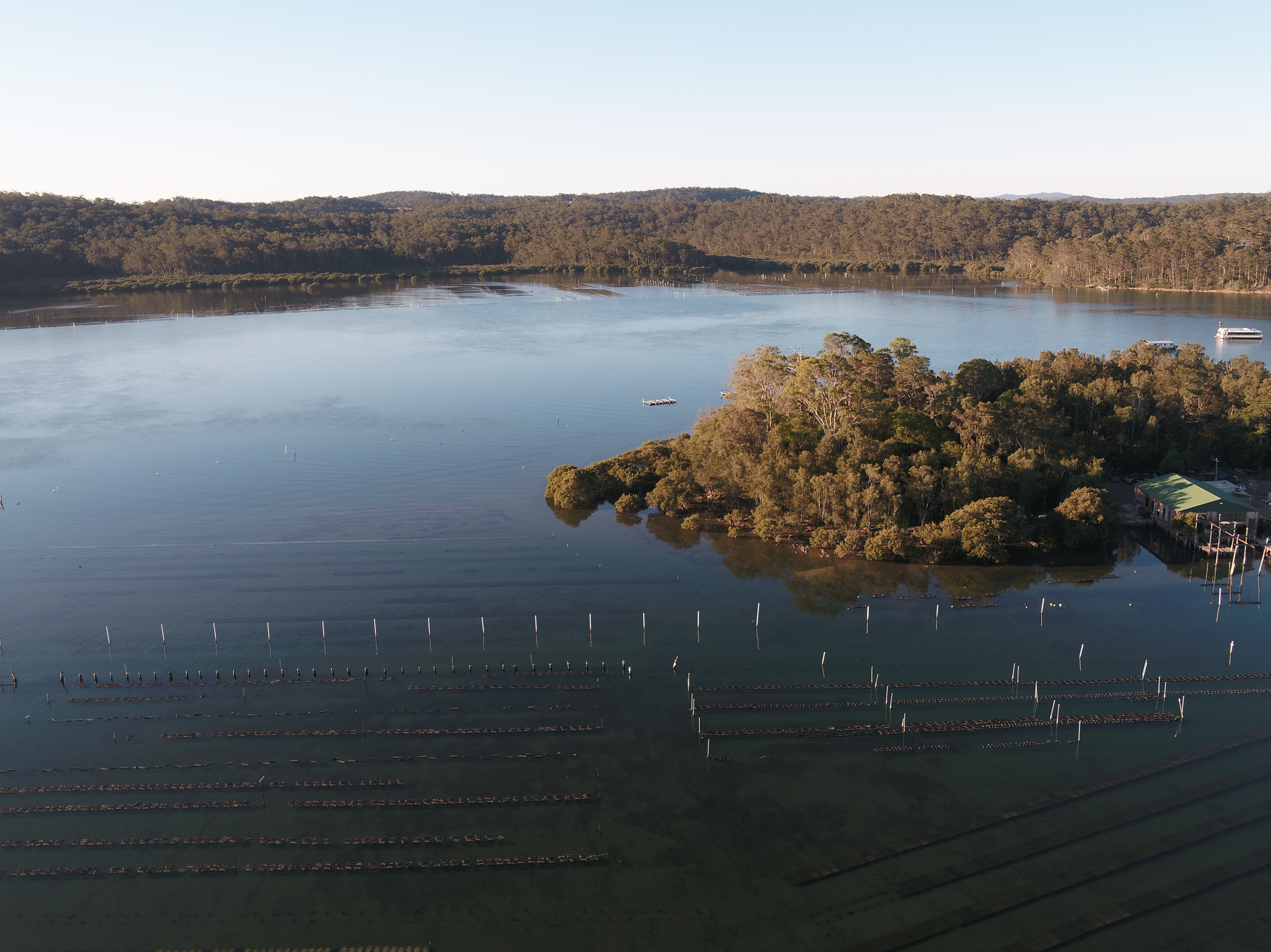
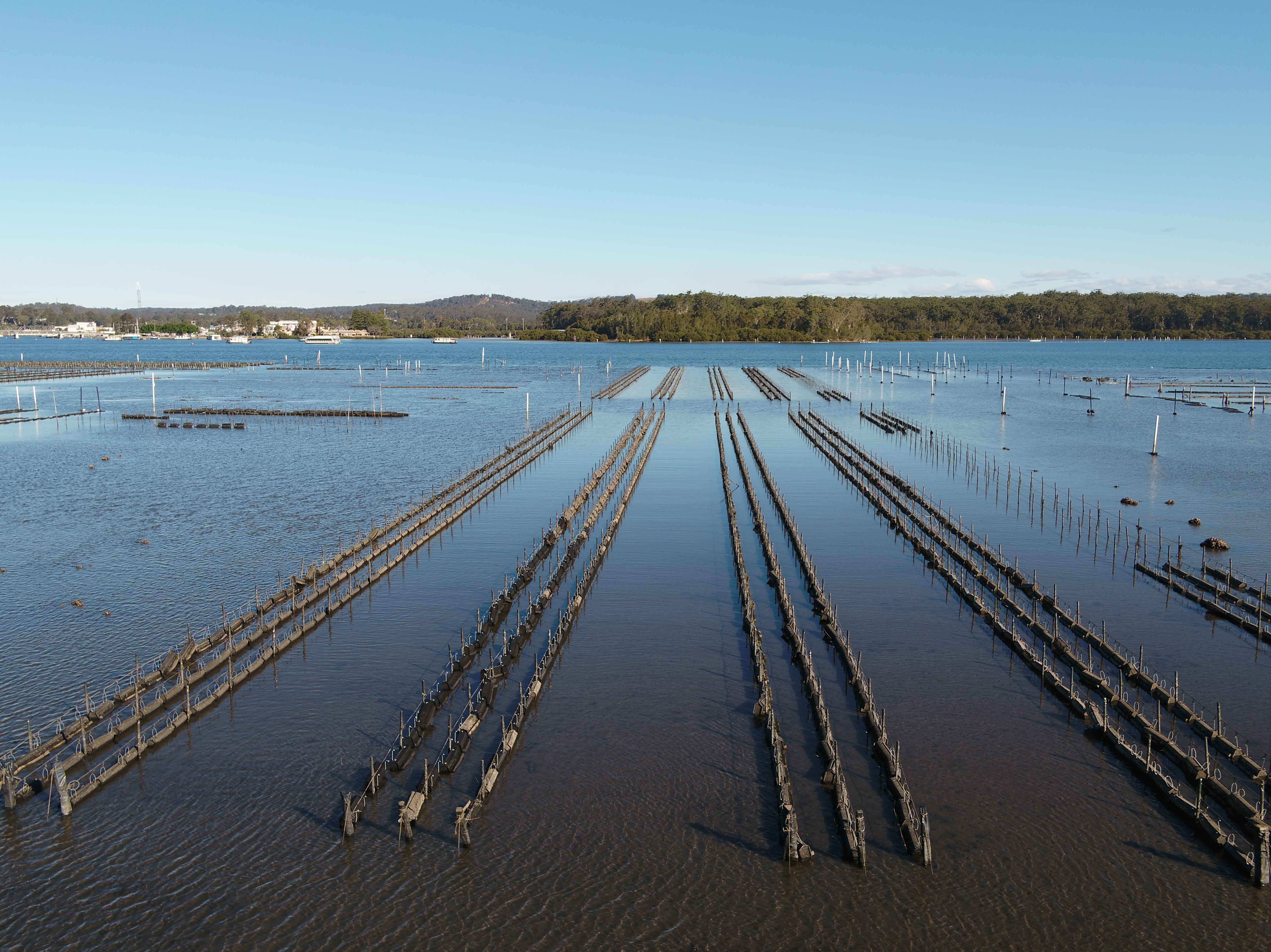
My work over the past few months has shown just how important IoT is in aquaculture. The Climate Smart Pilots (CSP) project in New South Wales, Australia, was launched in 2018. It’s working to understand how digital technology can help oyster farmers on the Clyde River estuary track and respond to changing conditions through data collection and decision-making tools. Last month I spoke to the project team and heard about their IoT sensors for salinity and water temperature, an automatic weather station that provides on-farm data, a cloud-based system to store and process the data, and a dashboard for data access, visualisations and alerts. The data is transferred to a cloud platform where AI and other analytical software converts it into predictions about local weather and havesting conditions. The team told me that local, real-time data is giving farmers plenty of information on what’s happening on their farms, what changes might occur, and helping them make decisions with confidence.

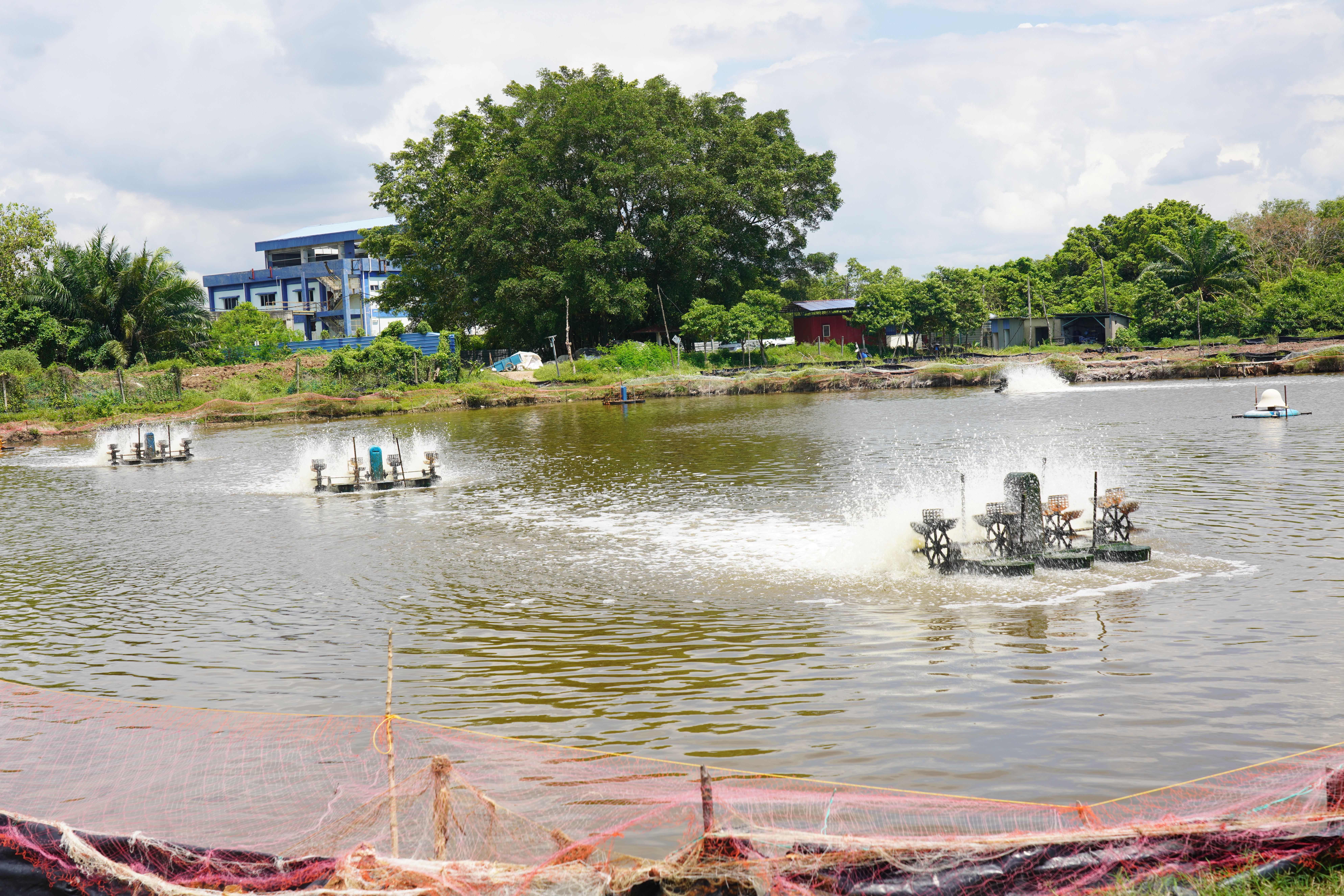
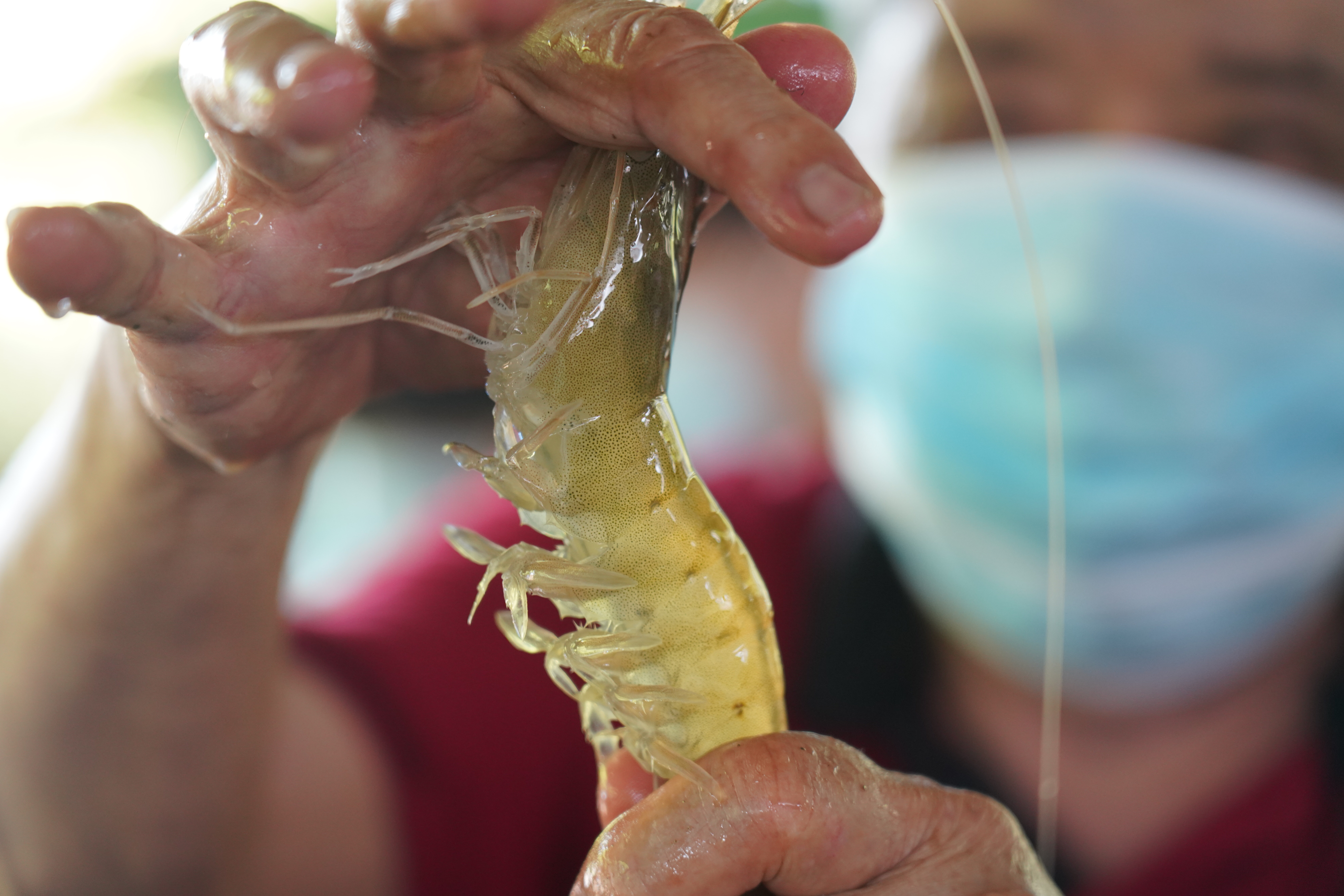
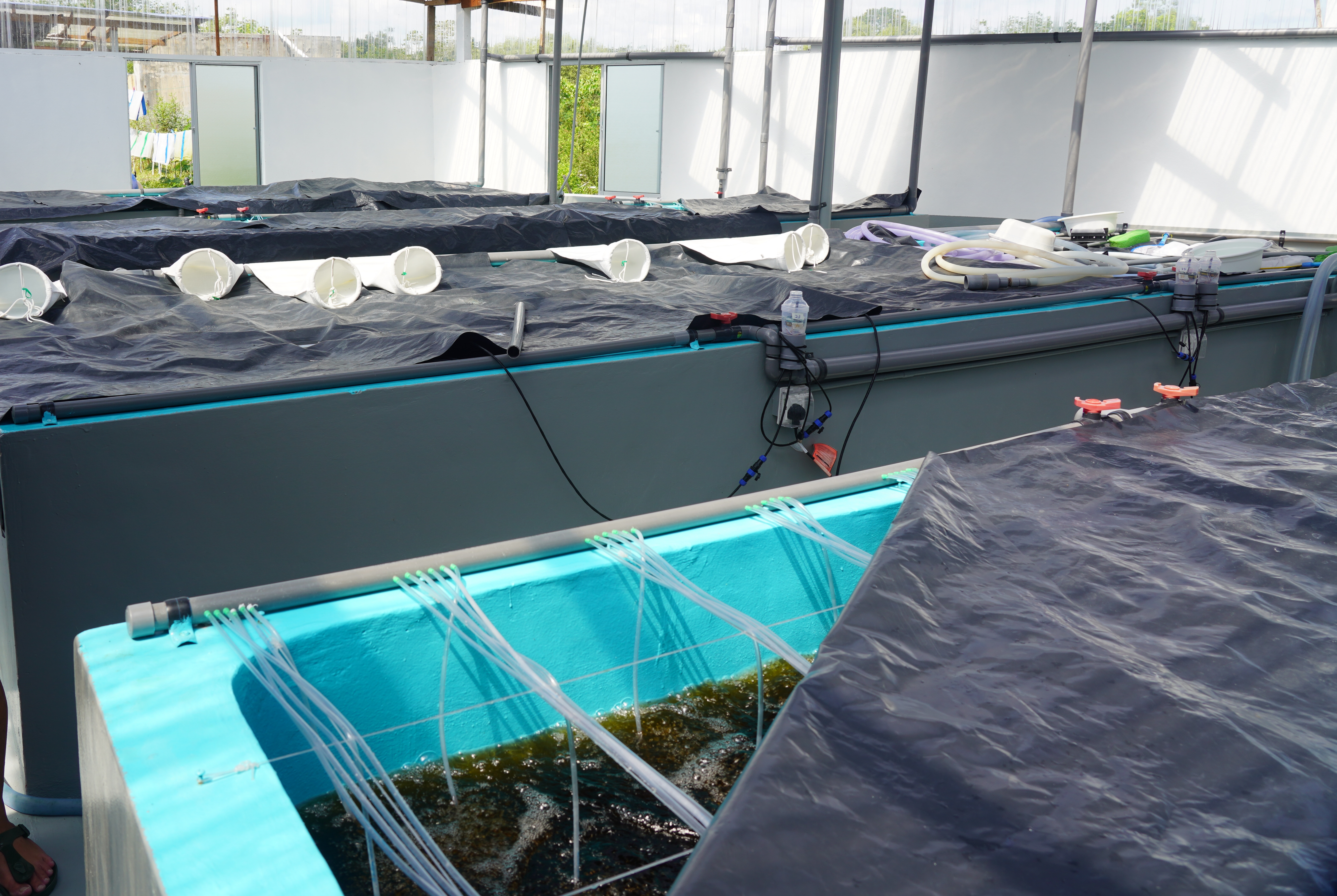
Meanwhile in Malaysia, researchers I spoke to at Universiti Putra Malaysia have found that with young people drawn to the concept of smart aquaculture, IoT and AI are actually attracting them to aquaculture and addressing the problems of an ageing workforce and declining populations in rural areas. The university team are using IoT to detect changes in water quality parameters, analyse data and provide fish and shrimp farmers with information to enable better decisions. Thanks to IoT, farmers have much more information on the health status of the species they are rearing (All photos below taken by Dato Prof Dr Mohamed Shariff bin Mohamed Din, Universiti Putra Malaysia).

One of the challenges facing IoT is poor connectivity, and this hasn’t gone unnoticed by UK firm R3-IoT. Co-founder and CTO Kevin Quillien told me that poor connectivity must be addressed if aquaculture wants to digitize, and that satellite-enabled connectivity platforms such as the one his company is developing can help to provide end-to-end data services from smart devices anywhere, regardless of existing infrastructure. 

These are just three examples of IoT in aquaculture, but there are many more initiatives out there, such as systems that can count and size organisms like shrimp larvae or submersible devices that can analyze particles in water using microscopes and machine vision (these can also serve as early-warning tools for detecting harmful algal blooms). 

It’s interesting to see that although aquaculture is the fastest-growing food sector in the world, technologically it’s only recently getting on board, while many other factors need to be addressed such as implementation costs, reliable, intelligent algorithms, long-term stable operation equipment and data security. Aquaculture will also require more IoT research and economic analysis to identify ways for IoT and other technology to be economically viable. I also believe that acceptance is still a key issue for IoT’s full implementation, and that over time, proof of value will be among the many ways in which IoT could be boosted in the industry. But, IoT will help increase profitability for farms, improve control and increase production. This, in turn, reduces risk and creates information, opening up opportunities for more significant investment and further industry growth overall. A combination of different technologies and systems all working together will no doubt continue to improve the many stages of fish and shellfish farming operations, enabling aquaculture to take great strides in the future.

August 2021: Traceability – The Key to Better Fisheries and Aquaculture?

As we already know, aquaculture is one of the fastest-growing food production areas and one of the most important sources of food, nutrition, income and livelihoods for millions of people worldwide.

We also hear much about its potential and benefits, but juggling sustainable practices, local regulations and proof of quality can be difficult, and for consumers this can cast doubt on the quality of seafood that is coming from aquaculture. Regulators, food processors, fish farms, buyers and suppliers all need a way to share accurate and trusted information with their customers. Although it’s developing rapidly, aquaculture also has a reputation as an under-regulated industry, and consumers today are wary of farm-raised seafood even as the industry grows.

One way for aquaculture to build confidence in the integrity of its work is to improve its traceability. With effective traceability measures, it becomes possible to verify operational sustainability, while there are also financial and environmental incentives. Traceability can also limit product recalls and investor risk, and improve profitability. Investors can also play a part by talking to the firms they’ve invested in about how traceability can help increase profitability and sustainability. They could also help to weigh up the pros and cons of a company’s initiatives, and work out how they can move forward. Being transparent is a great opportunity for farms and companies to differentiate themselves in the marketplace.

There is still a lot of work to be done for aquaculture firms to take full advantage of increased traceability, but many of them see it as a key sustainability goal. One such company is Grieg Seafood BC. In September last year, it received its sixth and final Aquaculture Stewardship Council (ASC) multi-site certificate for its Sunshine Coast and Okisollo Channel farms in British Columbia. The certificate is the largest globally with a total of six farms. Certification is one way of enabling aquaculture to demonstrate responsible farming practices by complying with national legislation, minimising environmental impact and making the best use of locally available resources. Under the Aquaculture Stewardship Council’s certification scheme, fish farms are assessed by independent organisations (certifying bodies) against a range of principles including environmental and water resource preservation, diversity of species and wild populations, animal health, social responsibility and responsible use of animal feed and other resources.

Grieg has also recently partnered with Scoot Science in Santa Cruz to launch the SeaState Dashboard, an ocean analytics and data management platform that will provide real-time data on ocean environmental conditions to Grieg’s salmon farms in British Columbia. By using sensor networks on farms, the platform will show how salmon farms react to changing ocean conditions and will be available to universities, scientists and indigenous groups to access in order to study ocean trends and understand the interaction between ecological systems and the changing ocean environment. Other data, including Grieg’s sea lice numbers and compliance with regulatory bodies, will be made publicly available in line with Grieg’s transparency goals.

Recognising the growing consumer demand for food-production information, salmon producer Mowi is also taking steps. It’s created a traceability platform that lets shoppers see, via smartphone app, how the company operates and raises its fish, with information about origin, farming and harvesting activities. Readily available technology is becoming increasingly important for companies as an increasing number of them move towards sharing their production processes and more with the public.

Fisheries
Traceability is also critical to sustainable fisheries management. For the fishing industry, effective traceability measures can help to reduce stocks from illegal, unreported and unregulated (IUU) fishing passing through the supply chain and onto our plates. Businesses can verify the environmental sustainability and social responsibility of products they purchase. Companies and investors can be protected from regulatory and reputational risks. Producers and suppliers who maintain sustainable practices can get the recognition they have earned, and governments can better manage their resources.

Global standards, such as the Global Dialogue on Seafood Traceability (GDST), are a promising step in the traceability journey. Released last year, their goal is to enable industry-wide traceability from individuals on mobile phones to large seafood companies and retailers. GDST is an international, business-to-business platform of stakeholders from different areas of the seafood supply chain. Various companies can join to become part of discussions, consultations and contribute to the evolution of seafood standards and better traceability. They can also get help in disclosing their annual seafood sourcing details by becoming part of the Ocean Disclosure Project (ODP), a Sustainable Fisheries Partnership project that promotes traceability in the seafood industry. Retailers, suppliers, and others can disclose their wild-caught and farmed seafood sourcing alongside information on the environmental performance of each source. Consumers can access all ODP company profiles and other known disclosures through the ODP website.

Another company that impressed me last year with their work on traceability is fishing company Usufuku Honten in Kesennuma city, northeast Japan. Usufuku Honten hit headlines in the west last August when it received Marine Stewardship Council certification for its Atlantic bluefin tuna fishery. Located in an area that was devastated by the March 11th 2011 earthquake and tsunami, Usufuku Honten saw the tragic events as a new start and an opportunity to help local industries including fisheries and aquaculture gain more recognition.

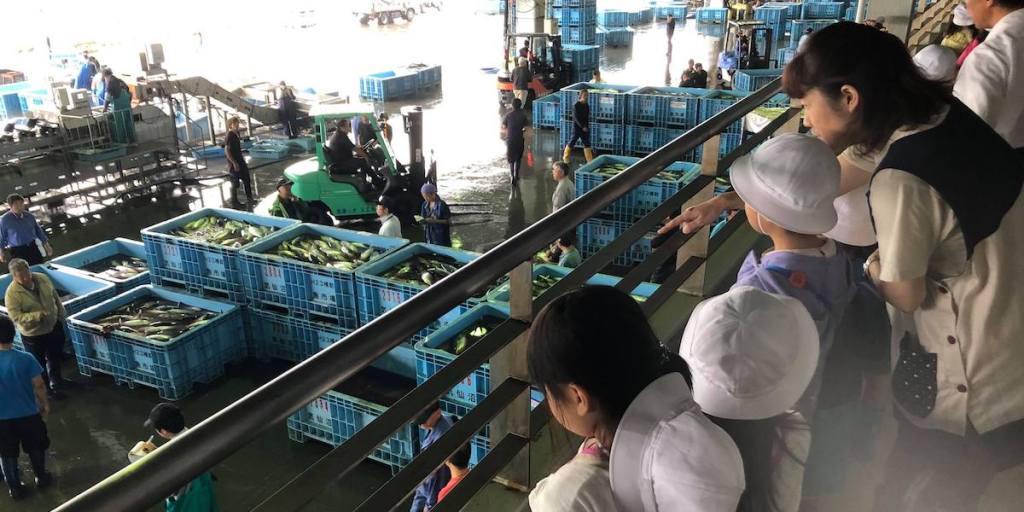
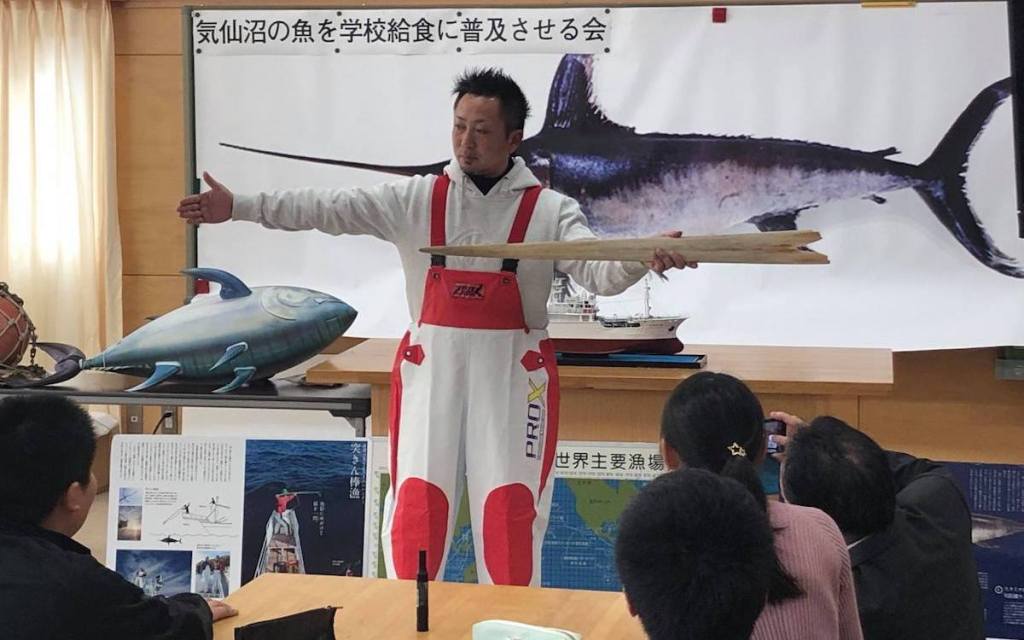
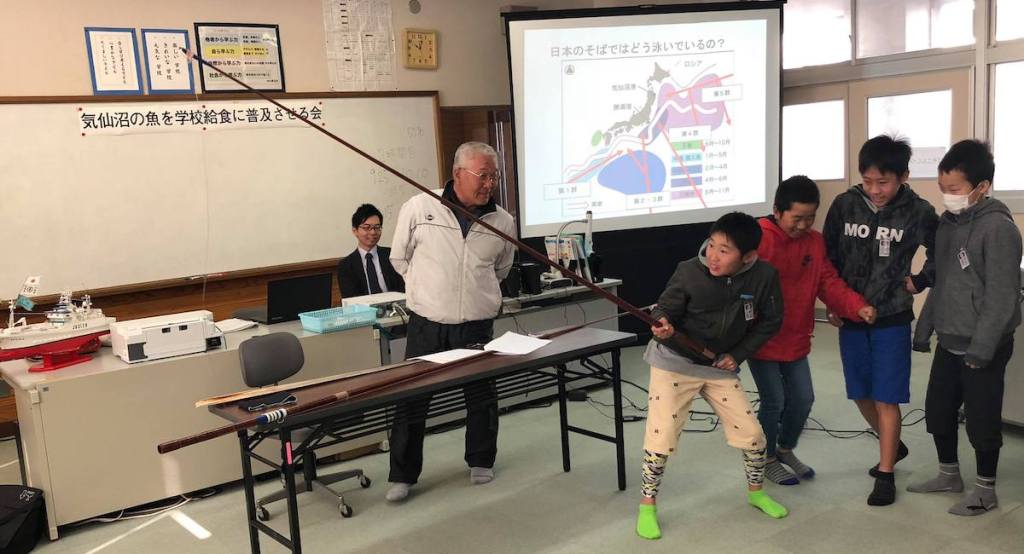
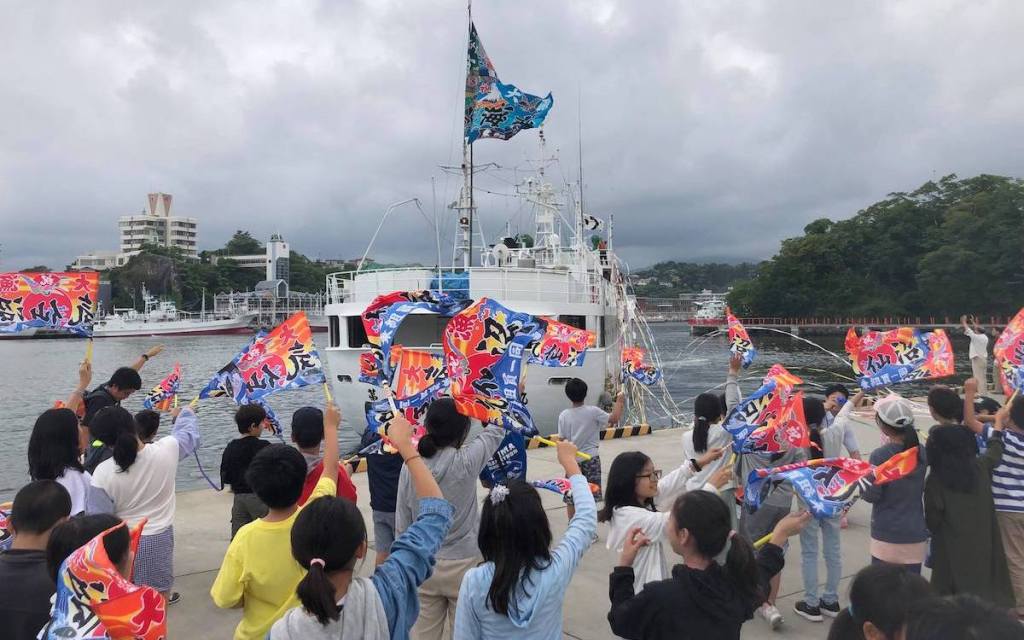
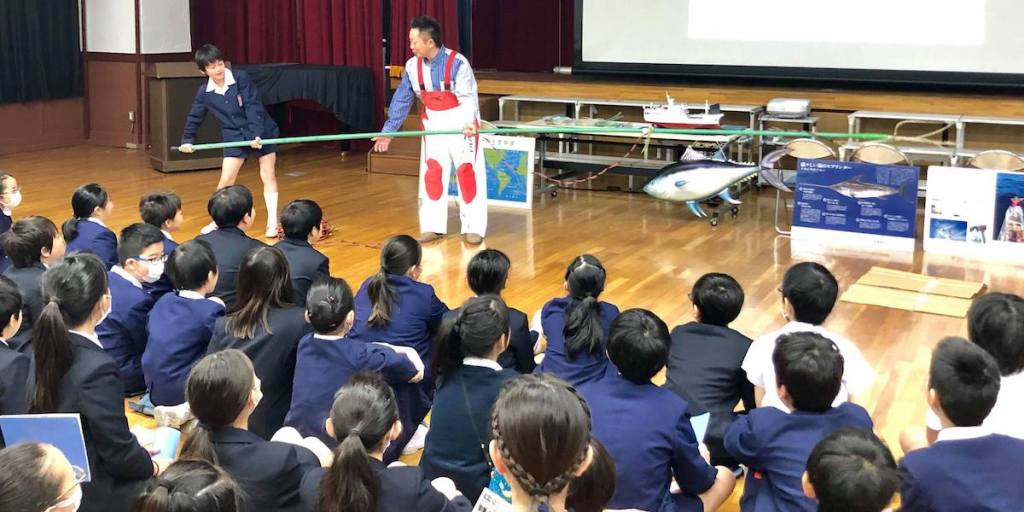
Today, president Sotaro Usui is part of a programme that promotes fish caught in Kesennuma city at schools. Through engaging classes, fun activities and lessons on the importance of primary industries, children get to meet fishermen and hear about their work, eat locally caught or produced seafood for lunch and visit seafood markets. Usui believes that education, from a young age, and making fisheries and aquaculture appear fun are two key ways to be transparent (Photos below courtesy of Usufuku Honten).

Education
The importance of public education is being noticed outside Japan, too. A few years ago, the FAO held a workshop in Spain on increasing understanding and acceptance among the public and the important role of traceability. Participants acknowledged the significant gap in consumers’ knowledge of fisheries and aquaculture and the inconsistent and inaccurate ways in which information is being communicated, resulting in issues of trust between industry and consumers. Participants suggested that acknowledging and learning from past mistakes could create a better image, as well as emphasising interest in good environmental conditions and healthy fish stocks but even more importantly, there is a need for fisheries and aquaculture to tell a good story. Rather than just sharing scientific facts, both industries need to deliver messages that can be understood and trusted by the public, maybe by working with chefs or nutritionists, or showing how fisheries and aquaculture can improve the livelihoods of local communities. This is why I really love Usui’s approach. Although important, I don’t think that certifications and global standards are the only way forward – fisheries and aquaculture can do so much more by telling interesting stories, highlighting its support for good environmental conditions and healthy fish stocks, and perhaps sharing other information such as the health benefits of fish, not only focusing on wild vs farmed.

What Next?
Fisheries and aquaculture have been doing their utmost to make seafood one of the most sustainable and safest food sources. However, this only matters if all of us, from regulators to consumers, can trust that we aren’t being misled. By focusing on traceability and embedding trust throughout the production chain, fisheries and aquaculture can help to ensure a more sustainable food supply, both now and in the future.