July 2021: The Case For Regenerative Aquaculture

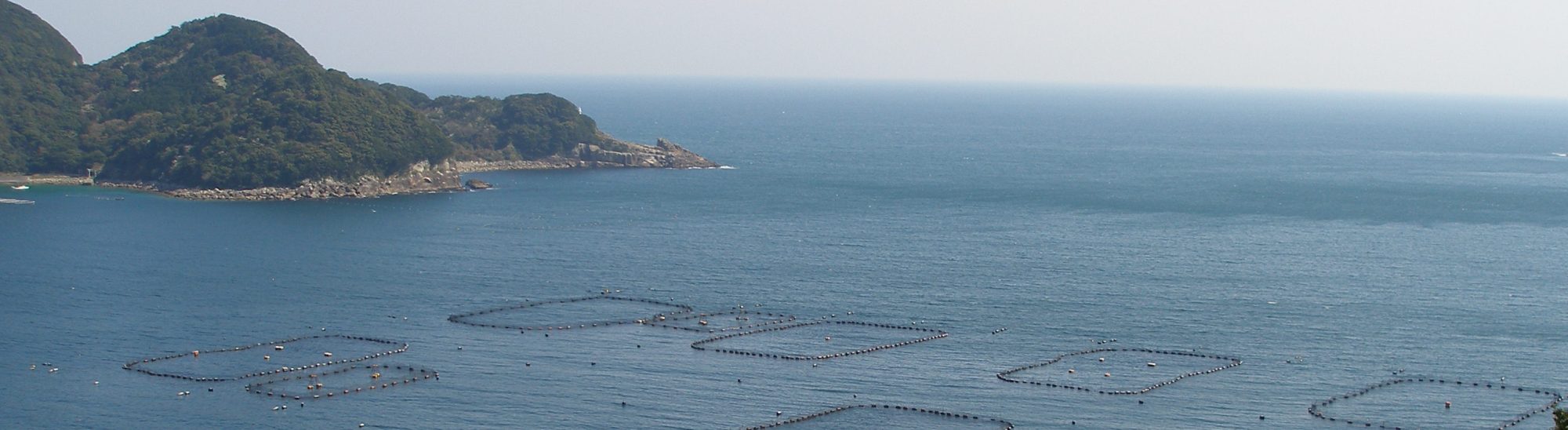
Over the past few months, the words regenerative aquaculture have been featuring prominently in aquaculture circles following the release of a new study by The Nature Conservancy (TNC), the world’s leading conservation organisation, and The University of New England. Published in the journal Reviews in Aquaculture, it shows that seaweed and shellfish farming is a critical part of regenerative food production and helps meet the needs of a growing population while working to maintain and improve ocean health.

According to the study, mussel farms appear to be the most beneficial for enhancing the volume of marine life, as 3.6 times more fish and invertebrates seem to appear around those farms compared to others. Oyster farms also help to increase species diversity by providing food, places to forage and reproductive grounds for fish. The study is a great read and a fantastic example of the positive impact that aquaculture can have on our oceans.

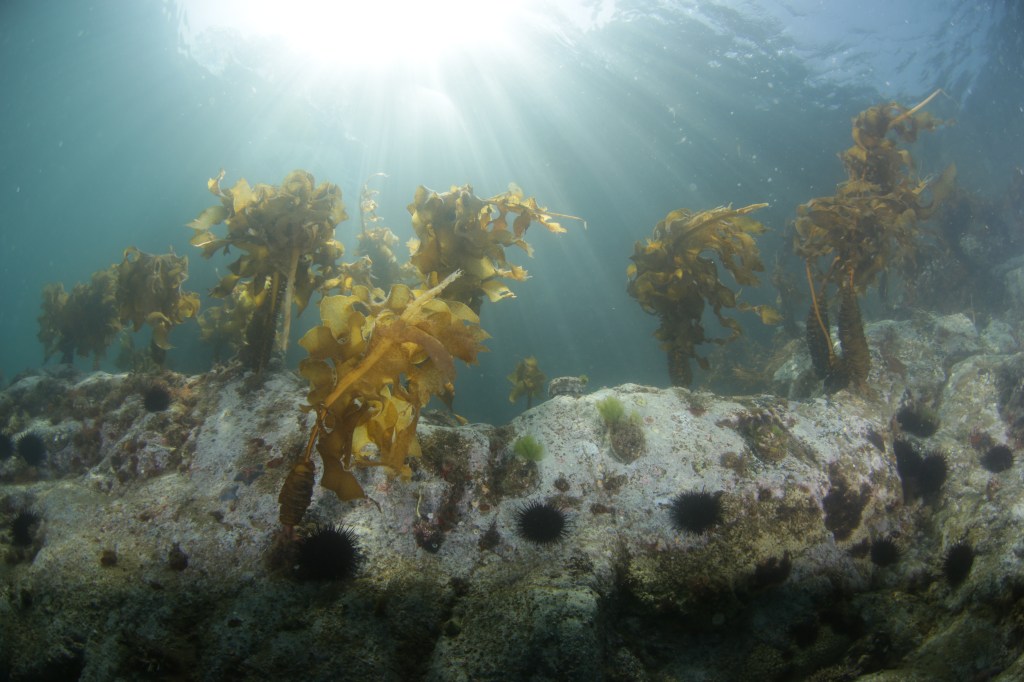
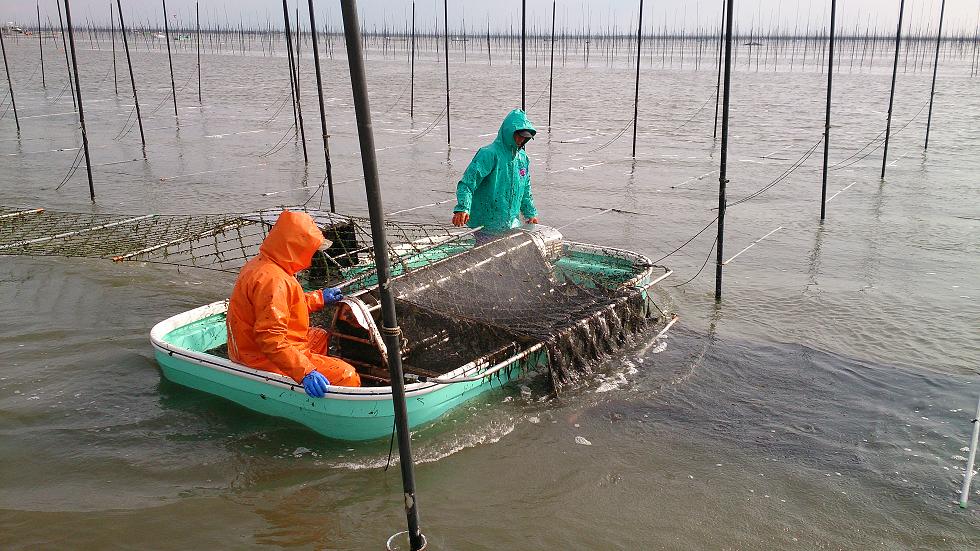
But what exactly is regenerative aquaculture? Perhaps the biggest and most well-known example is the work of GreenWave, which uses the term regenerative ocean farming. GreenWave is a US nonprofit that grows shellfish, kelp and other sea vegetables that don’t require any freshwater, fertilisers or feed. Instead, these species soak up nutrients while sequestering carbon and rebuilding ecosystems. 

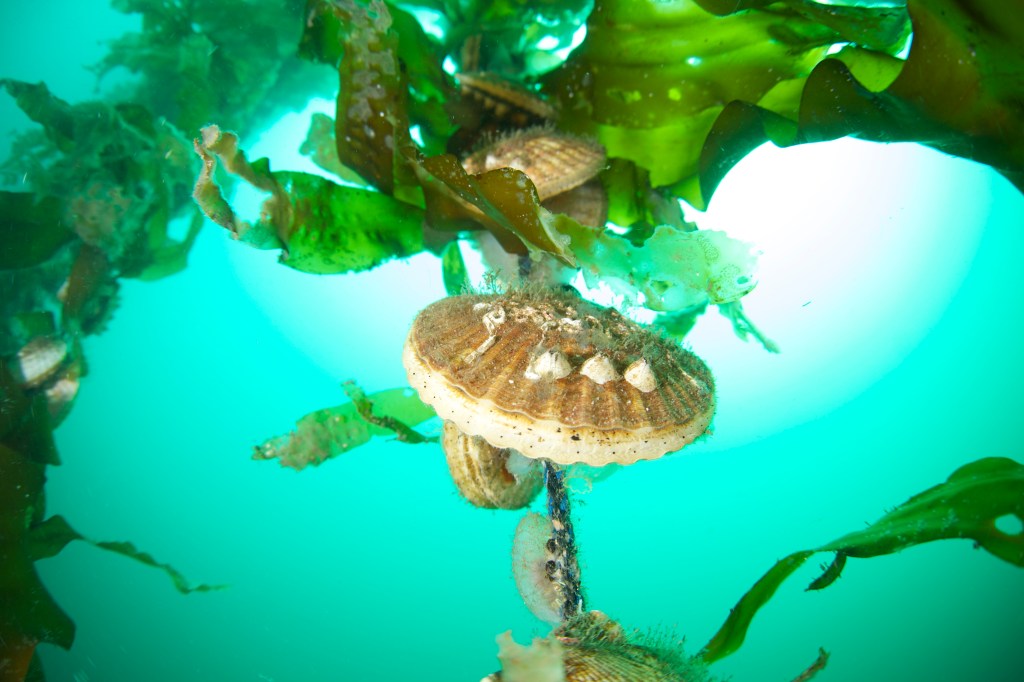
GreenWave’s model involves hanging seaweed, kelp, scallops and mussels from buoys, while cages with oysters and clams lie beneath. Growing a mix of species, each playing a vital role, mimics the diversity of ocean reefs. Kelp can act as a physical cushion in storm surges, absorbing energy from high waves, while seaweed and shellfish provide a safe haven for marine life and a habitat that can foster biodiversity and support the health of an array of species. The setup can also provide jobs to local communities that rely on the sea to make a living. Both seaweed and shellfish also require zero inputs as they utilise sunlight alongside nutrients and plankton that are already in the water to grow. This means that the primary sources of aquaculture pollution – fish feed, chemical fertilisers and other synthetic chemicals – are not part of the equation.

But the ability of shellfish and seaweed to fight the pressing issue of climate change is undoubtedly worth mentioning. Seaweed is incredibly efficient when it comes to taking in carbon for growth and mitigating the impacts of ocean acidification. One study estimates that it could sequester around 173 million metric tonnes of carbon each year. Shellfish, meanwhile, filter nitrogen out of the water column (the main nitrogen polluter is agricultural fertiliser runoff that ends up in the ocean). Nitrogen is 300 times more potent than carbon dioxide. It’s an essential part of life but too much has a devastating effect on our land and ecosystems. 

Regenerative aquaculture offers large quantities of food while ocean conditions are improved and greenhouse gases are absorbed. That’s a huge win for us, but it doesn’t stop at humans. Integrating seaweed into fish feed as a fishmeal and fish oil alternative could also have potential, says Dr. Julie Ekasari of Bogor Agricultural University in Indonesia. “Based on its nutritional composition, seaweed is indeed a promising feed raw material,” she told me. “It can contribute to the supply of some essential nutrients and bioactive compounds that further upgrade the function of the feed. From a production point of view, seaweed culture is also relatively inexpensive with simple technology. We believe that the need for seaweed as a marine-based feed raw material will continue to increase in future.”

“Some studies have shown that dietary seaweed supplementation could enhance the levels of some bioactive compounds and essential minerals such as carotenoids and iodine in fish meat. In this sense, we can hypothesise that it may also enhance the health benefits of cultured fish for human consumption,” she continued.

Regenerative aquaculture is drawing attention at the right time. The Nature Conservancy study was released amidst much focus on the negative environmental impacts of food production, so this couldn’t be a better opportunity to highlight aquaculture’s potential. In addition, various organic and sustainability movements over the years have made us think more about how our food is raised, grown, harvested, processed and how it impacts the environment. Meanwhile, as the COVID-19 pandemic continues, we’ve become more aware of supply chain disruptions, how far our food has been travelling and the environmental impact of these journeys. Hopes are high that starting with the Nature Conservancy study, the positive impacts of aquaculture will be better recognised and play a key role in the development of an industry that is even better managed and geared towards ecosystem recovery and protection.

Regenerative aquaculture may not be the solution to all the environmental problems out there, but it does show that small steps can have really significant results. As we continue to look closely at our food systems and topics such as climate change become part of everyday conversations, regenerative aquaculture definitely needs to be part of the solution.

May 2021: Better Late Than Never…Looking Back on Seaspiracy

Since its release on March 24th, the Netflix documentary Seaspiracy has been dividing opinions and sparking discussion on issues such as sustainable seafood and the plight of our ocean. 

It is clear that we need to change how we protect the ocean, and Seaspiracy has been igniting new conversations on how just how much the ocean is being mistreated. It’s also bringing to light certain fishing and aquaculture practices that need to end, introducing people to ocean issues and challenging them to think more about their seafood consumption. But Seaspiracy doesn’t even begin to cover the full extent of just how much the ocean is in trouble. Climate change, the potential extinction of coral reefs, mining the deep sea and ocean acidification – these are also wreaking havoc. 

But what disappointed me about Seaspiracy was the total exclusion of those who are working to change commercial fishing and aquaculture practices. Let’s start with aquaculture…

Farming Fish

Aquaculture has grown remarkably to become the world’s fastest-growing food producing sector. Offering direct employment to around 20.5 million people, it’s a vital industry that will not only increase the amount of food that can be produced, but also alleviate pressure on wild fish stocks. 

Since I started writing about this industry, I’ve been amazed by the efforts that are being made to address a host of issues such as waste from production systems and fishmeal alternatives. Here are just some examples of what’s going on:

→ Fishmeal alternatives – Seaspiracy talks about feeding wild fish to grow farmed fish and it’s clear that if aquaculture operations switch from forage fish such as anchovies or sardines to ingredients like insects, algae or yeast, it could considerably reduce pressure on wild forage fish stocks. To this end, Norwegian firm Metapod is developing technology to produce a highly digestible meal for salmon made from grasshoppers and crickets. Insects are a natural diet for salmon and trout in the wild and they can also grow on food waste. Protix is another firm that’s doing exactly the same with insects.

→ Recycling waste and tackling sea lice – Seaspiracy also chronicles sea lice infestations on salmon farms in Scotland and chemical/organic waste that’s being pumped into rivers and the ocean. It’s true that the intensification of aquaculture has led to increased fish waste from production systems and more sea lice but some companies are taking action to address this. Norwegian firm Bioretur provides treatment plants and services to convert fish sludge from land-based salmon farms into fertiliser by drying the sludge into a powder beforehand. Their fertiliser is also shipped to Vietnam, where farmers use it to produce various products such as coffee. Meanwhile, the salmon farming industry is continuously researching non-medicinal approaches to tackle sea lice and a host of efforts are being made here. Breeding salmon that are more resistant to sea lice also has potential, according to the University of Edinburgh.

→ Integrated multitrophic aquaculture or IMTA – This is the farming in proximity of species from different trophic levels to allow one species’ uneaten feed and waste, nutrients and by-products to be recaptured and converted into feed and energy for the other. In Asia, especially China, it’s been practised for centuries, for example in rice fields where the fields provide the environment and habitat for fish and other aquatic animals while the fish feed on invertebrates and other organic particles in the fields. Now, researchers in Ireland are working to determine whether IMTA could work on salmon farms by growing juvenile lobsters in cages attached to offshore pens. This would provide the lobsters with a source of food via waste from the farms, while the pens would shelter the lobsters from rough weather. 

Commercial Fishing

But Seaspiracy is ultimately about commercial fishing, and here also, the documentary touches on a number of issues including bycatch, the impacts of abandoned fishing gear, plastic pollution and labour abuses. The hard reality is that all these are happening. On top of this, the documentary then states that there is no such thing as a sustainable fishery. But these are in fact common. One paper published in early 2020 shows that on average, scientifically-assessed fish populations worldwide are healthy or improving. Fisheries are not perfect, and there is a crisis of overfishing in the oceans. But one definition of sustainable fishing is being able to catch the right amount of fish each year, and fortunately there is an entire branch of science, maths and computer models that are figuring out exactly what this amount is. 

Meanwhile, the documentary does not mention Total Allowable Catch (TAC) limits, which helps to ensure the long-term sustainability of fish stocks, and what is being done by commercial fishing to address problems such as plastic pollution or bycatch. While discussing the negative impact of discarded or abandoned fishing gear, Seaspiracy made no mention of Blue Ocean Gear, a US firm that I interviewed just before the documentary was released. They’re developing sensors that track lost fishing gear and prevent aquatic life from becoming entangled. Also worth mentioning are the Global Ghost Gear Initiative (GGGI), which involves companies, NGOs, the fishing industry, academia and governments working together to tackle lost and abandoned fishing gear, and SafetyNet Technologies, which helps fishers catch the right fish using light emitting devices. 

Should We Be Eating Fish?

At the end of the documentary, Tabrizi concludes that “the single best thing I could do every single day to protect the ocean and the marine life I loved was to simply not eat them.” But should we stop eating fish? On the one hand, probably not. A 2021 FAO report cites the importance of seafood in ending hunger and addressing malnutrition. It also states that the global seafood industry plays a vital role in livelihoods by employing hundreds of millions of people worldwide. The Global Aquaculture Alliance whom I write for also released this statement after Seaspiracy came out: 
“Simply ending aquaculture and fishing will do nothing but abandon people employed by the industry and rob billions of people of a healthful source of protein. We need to remember that ALL food production can be damaging if done irresponsibly. Soy production can lead to the destruction of precious rainforests and loss of biodiversity, for example.”

But on the other hand, unlike poorer, less developed countries where seafood is vital as a source of protein and income, in the west this isn’t the case, and so whether or not you eat fish is really a question of personal choice, beliefs or reasons related to health. Rather than eliminate seafood entirely, we can push for accountability for sustainability measures and increased traceability of what we’re consuming. After all, being an active consumer, insisting on knowing where our food comes from, asking questions, participating and learning more about our food is extremely rewarding. We can also take the time to read up on aquaculture and commercial fisheries and learn more about different species and how they are farmed or captured. Collaboration, transparency and honesty will be key to tackling the issues raised in Seaspiracy. 

Despite the disappointing side of the documentary, it’s exciting to see the attention given to a very important topic – critical issues that are affecting the ocean. But we must remember that scientists, industry, companies and more have been working hard for many years to improve fisheries and aquaculture. This post hasn’t even begun to cover the many other subjects that Seaspiracy talks about, but I hope it will get us thinking and be an opportunity for healthy, open discussions on how we can protect the ocean and learn more about commercial fishing and aquaculture. 

April 2021: Despite COVID-19, Aquaculture’s Commitments Remain

By now, we are all too familiar with the impacts of COVID-19. Since I started writing about aquaculture and fisheries six years ago, I’ve spent the longest period of time away from fish farms, companies and individuals, and have never felt less physically connected to an industry I have grown to love. 

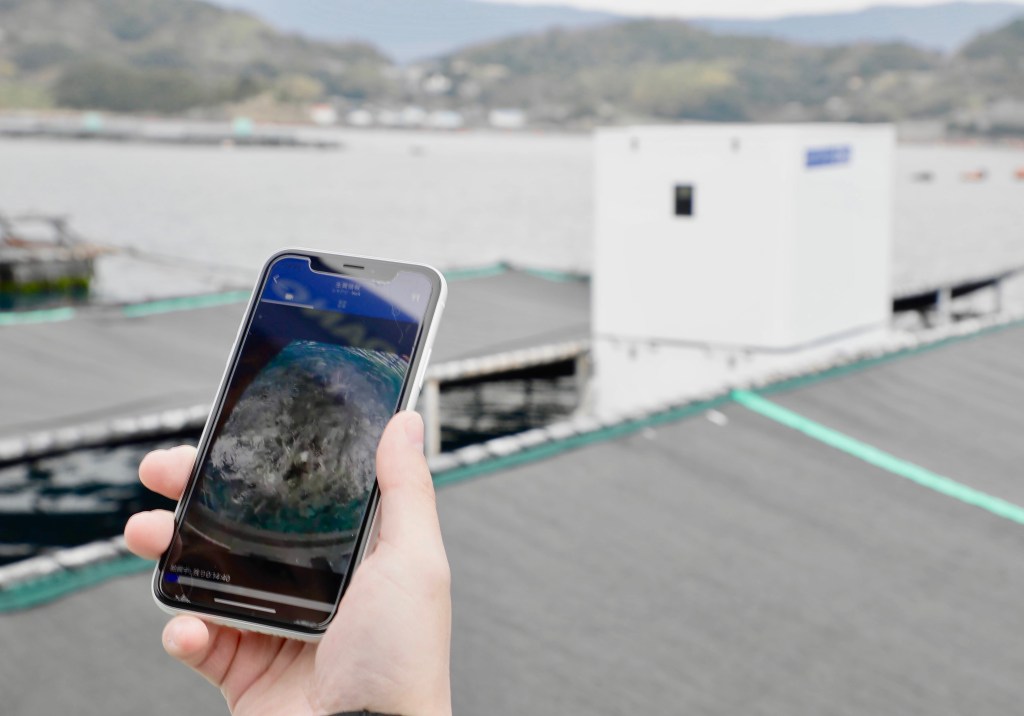
Despite the challenges, however, the work of aquaculture this past year has been extremely impressive. Aquaconnect, a technology startup in India, launched a COVID-19 helpline for shrimp farmers to provide remote support on farm management and help farmers navigate supply, demand and logistics. In Japan, technology provider Umitron’s automated smart feeder CELL proved particularly advantageous. The device collects data to optimise feeding and is remotely managed through a cloud-based application on a mobile device. This allows farmers to feed and monitor their fish without being on their farm.

I also spoke to Juliette Alemany, a data scientist and project manager at Bangkok-based consultancy VerifiK8, which specialises in improving supply-chain sustainability through technology. She told me that the pandemic is an opportunity for aquaculture stakeholders to reconsider areas such as hard-to-predict risks and biosecurity. As new viruses commonly arise in aquaculture in the same way that COVID-19 arose in the human population, she said, farmers will need to come up with risk management and crisis plans, and realise the issue of disrupted supply chains and the need to strengthen bonds between farms and processors.

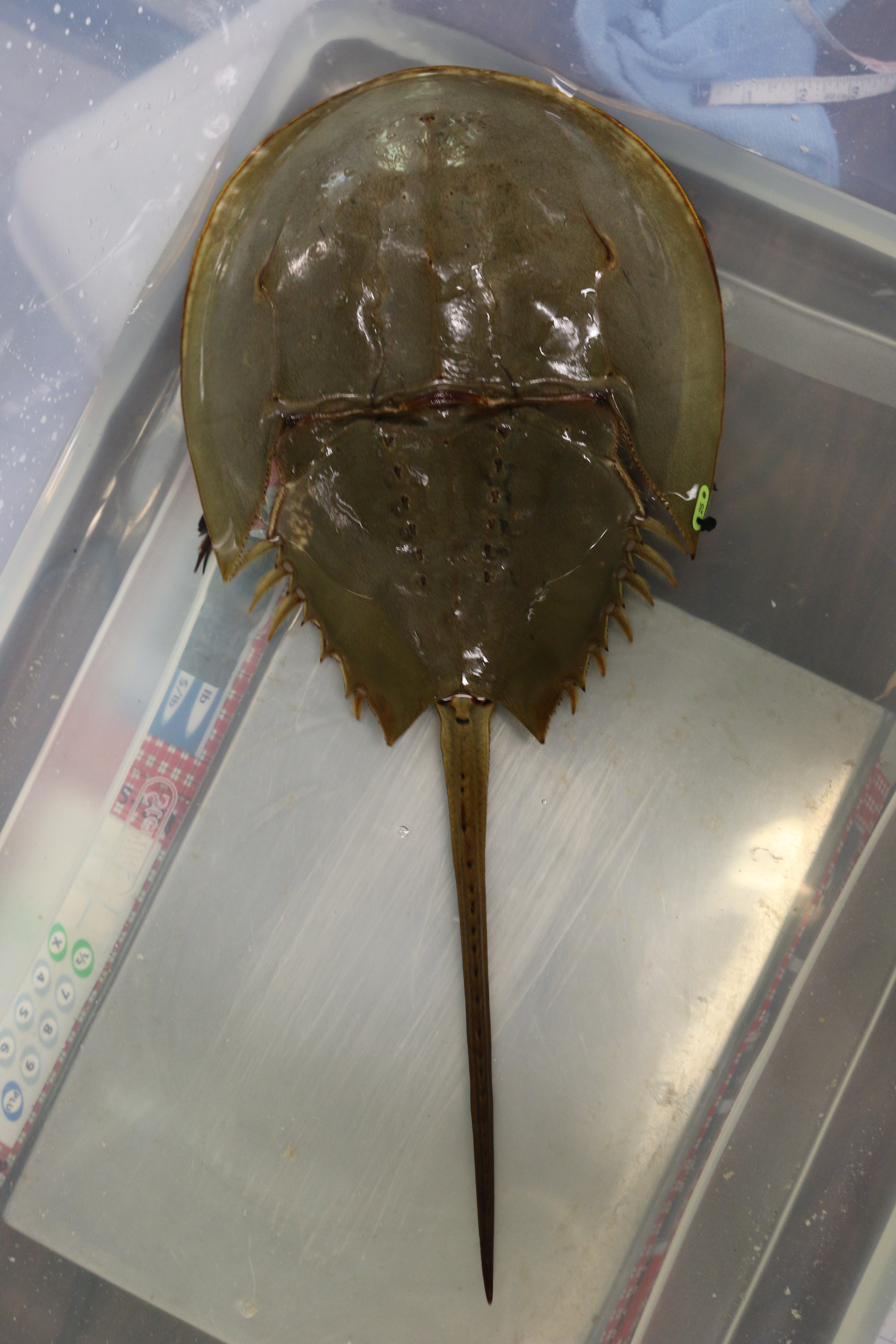
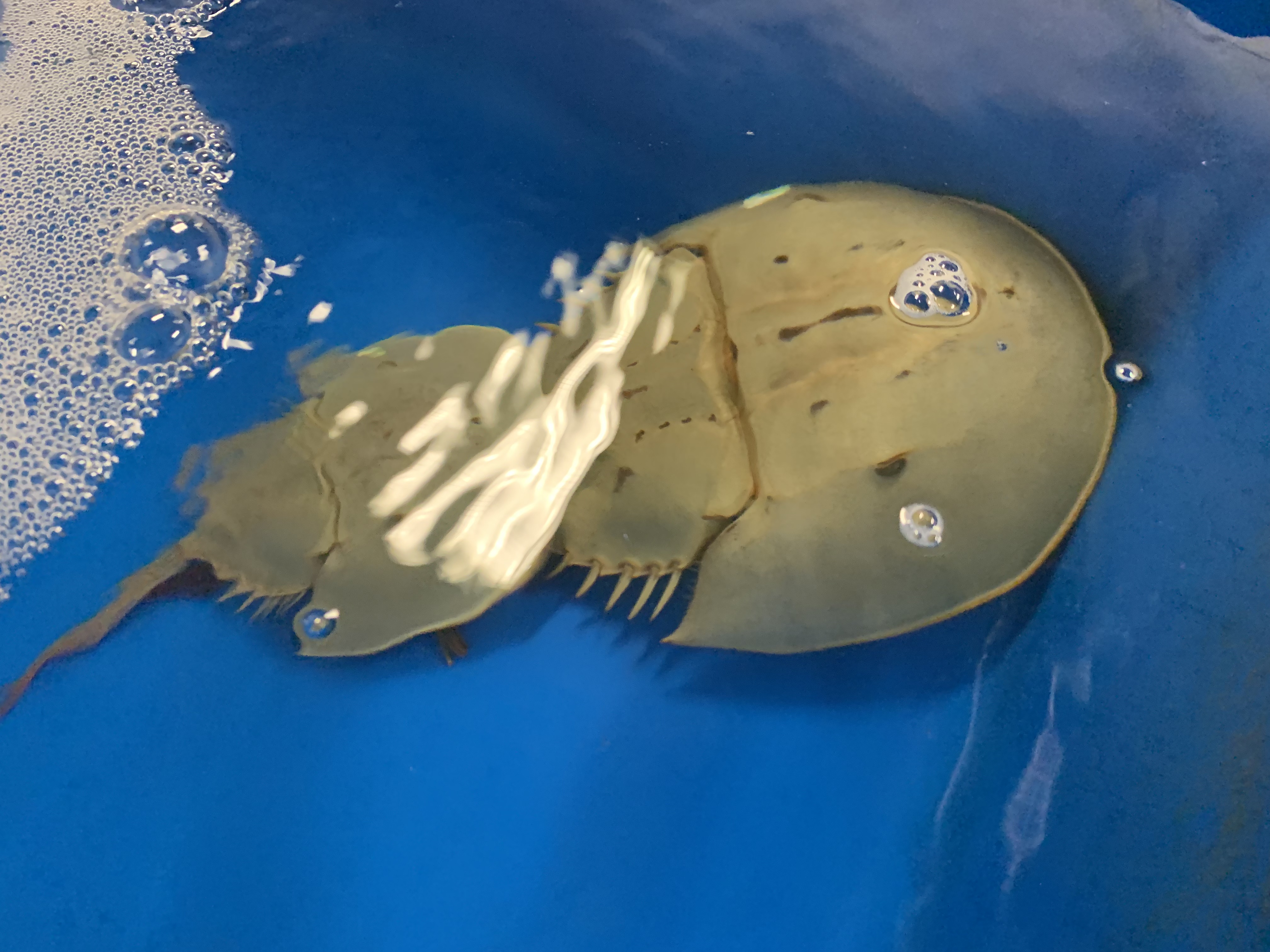
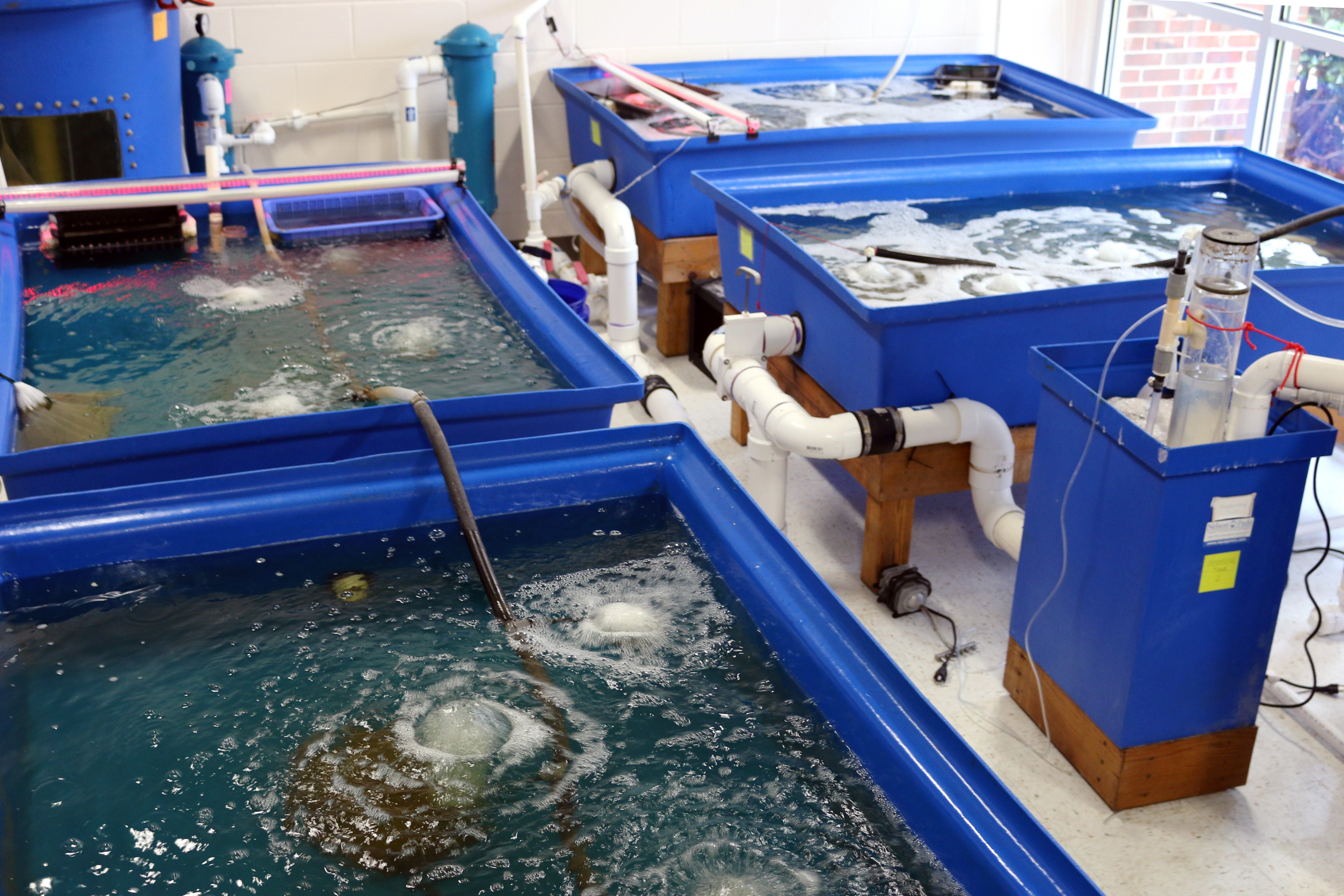
My favourite story from 2020 was on RAS technology that’s being used to farm horseshoe crabs for medical purposes. Dr. Anthony Dellinger, president of Kepley BioSystems, a life science start-up in North Carolina, told me that blood from horseshoe crabs is a vital resource for medicine as it contains Limulus Amebocyte Lysate (LAL) that is used in sterility testing. This ensures that drugs, vaccines and medical devices don’t contain potentially deadly bacteria known as endotoxins. However, horseshoe crabs in the wild are vulnerable due to global warming and harvesting for the biomedical industry. 

With this in mind, Dr. Dellinger and his team came up with a way to farm horseshoe crabs on land to obtain LAL without depending on wild populations. They estimate that 45,000 horseshoe crabs from aquaculture would provide enough LAL for all current diagnostic needs and even help to detect endotoxins in pre-treated human blood samples. This could lead to the early detection of infectious diseases, a welcome result for patients at risk of life-threatening conditions and in light of the pandemic. Vaccines and medical devices such as ventilator components will also need to be validated with LAL. With the pandemic continuing, there is an immediate, near-term need for large quantities of LAL to ensure that appropriate amounts reach the market as soon as possible.

“Our work is extremely important because of the Covid circumstances and the susceptibility of patients with COVID-19 to secondary bacterial infections. Such infections aren’t being looked at very carefully right now because COVID-19 patients are too sick and there is too much risk associated with it, but if we could use LAL in a very small blood sample, for example from a finger prick, and ascertain whether a patient is at risk of secondary infection, we could give physicians more information on how to treat such patients timely, accurately and how long for,” said Dr. Dellinger.

“It’s great to look at aquaculture from the perspective of clinically significant products that can be derived from marine sources. There is significant pressure on the medical industry to safeguard humanity, and aquaculture can help them meet that responsibility,” he concluded.

As travel has been neither allowed nor safe this past year, many conferences and events were postponed or cancelled. I was disappointed at the cancellation of Aquaculture UK that was due to be held in May 2020 in Aviemore, Scotland, and the Global Aquaculture Alliance’s* conference that was scheduled to take place in Tokyo in October 2020. But instead of resting on their laurels, organisers of events such as these worked closely to provide online webinars and industry conferences in a new, extra-digitally connected world. This provided aquaculture with unique opportunities to share its voice with a wider audience. Pure Salmon, Atlantic Sapphire and Nordic Aquafarms contributed some valuable lessons during the RAS Virtual Summit 2020, which was hosted by RASTech magazine and Annex Business Media in Canada. I particularly enjoyed the Global Aquaculture Alliance’s first online conference – GOAL 2020 – which covered a series of topics including production systems, disease management and welfare, trading, marketing and consumption in a COVID-19 world and land-based and offshore trajectories. The Global Conference on Aquaculture 2020, convened by the FAO, Network of Aquaculture Centres in Asia-Pacific (NACA) and the World Fisheries Trust, also moved online. I’m extremely grateful to all the speakers for taking the time to share their knowledge and expertise, and to the organisers for making it possible to learn so much from the comfort of my own home. 

It goes without saying that COVID-19 has greatly affected fisheries and aquaculture around the world. An FAO report released in February this year – the impact of COVID-19 on fisheries and aquaculture food systems – discusses disruption to production, supply chains and consumer spending and warns of more interference. The pandemic has created some hurdles but there is lot that aquaculture can learn from it. Understanding what changes are required and how those changes can be met, for example by collecting data, collaborating with one another more closely and developing innovations, will be key as we slowly approach a new, post-pandemic era. A coordinated global effort will undoubtedly make the biggest impact. 

*The Global Aquaculture Alliance is now known as the Global Seafood Alliance following a name change in April 2021.

February 2019: Japan Aquaculture and Diving – Looking Back at 2018

Looking back at 2018, scuba diving and aquaculture scored big in Japan. This month on the blog is a quick look at what last year was like for two of Japan’s marine and science fields.

In aquaculture, innovation loomed large in terms of systems that aim to create more sustainable fish farming and streamline operations. From cloud computing to Artificial Intelligence (AI) and the Internet of Things, new technologies, products, machines, facilities and systems are dramatically transforming relatively new industries like aquaculture, making huge impacts on growth and development. Such innovations are extremely significant for the future of farm production, management and risk mitigation strategies.

2018 could be characterised as the year of land-based recirculating aquaculture systems (RAS) in Japan. FRD Japan in Saitama City is working to establish cost-effective inland salmon farming, which could enable Japanese consumers to buy quality homegrown salmon whenever they like. Farming salmon at sea off Japan is a complicated prospect, as the ocean needs to be colder than 20C with no strong waves and currents, while inland farming is seen as impractical and expensive, requiring lots of water and electricity.

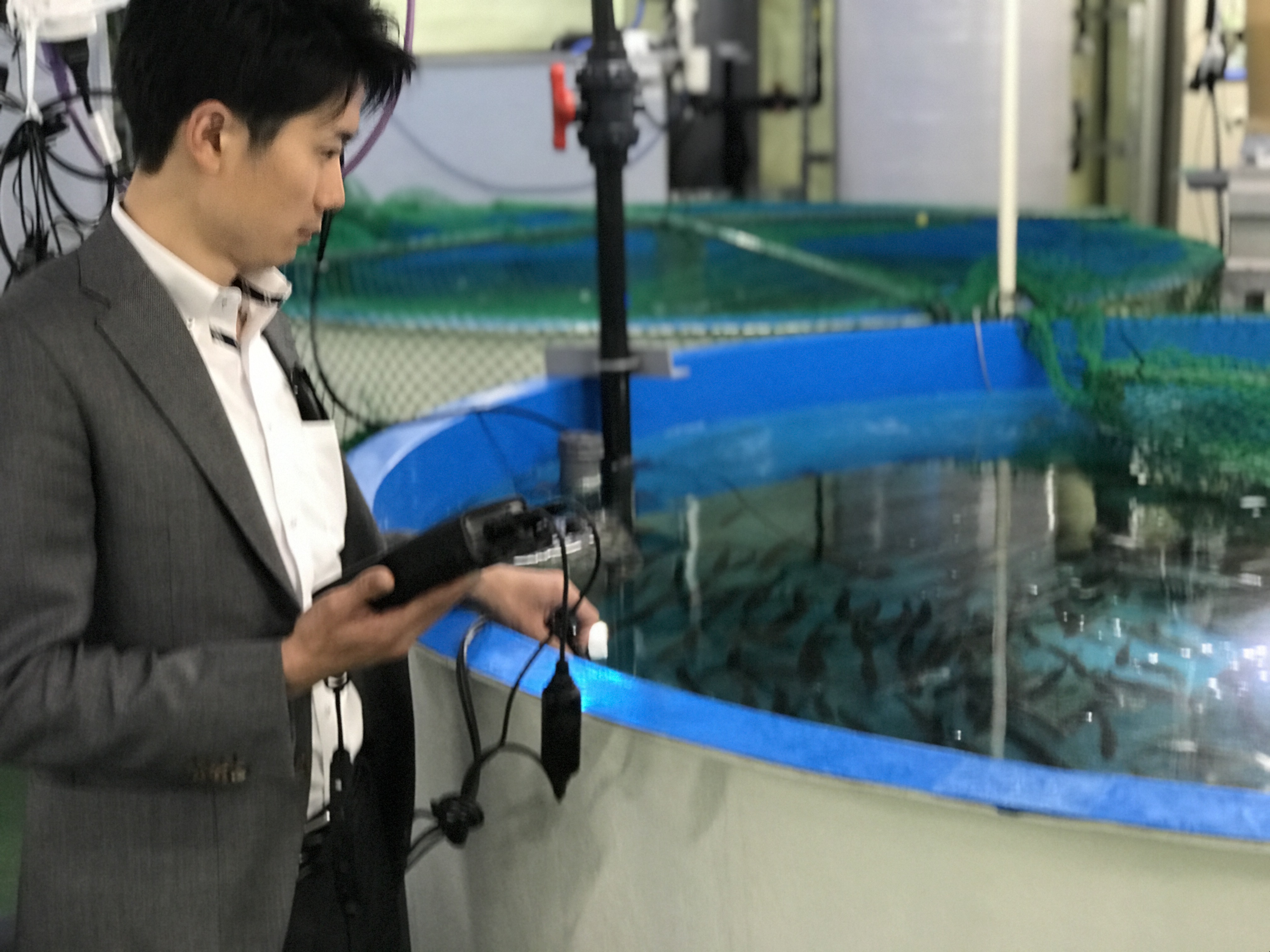
But FRD is working to convert simple tap water to seawater using artificial sea salt, which will allow its system to be used in any location that has tap water. The firm has also established a technology involving bacteria that can clean water by consuming the ammonia that’s produced by the fish and dissolving nitric acid. Chief Operating Officer Tetsuro Sogo believes his firm will be the first successful example of this type of land-based salmon farming. FRD Japan is also scaling up by building a larger, pilot plant in Chiba prefecture near Tokyo. Its goal is to produce 1,500 MT of salmon slices by 2020, again using ordinary tap water.
(Photos below: FRD Chief Operating Officer Tetsuro Sogo monitors water conditions in his land-based salmon farm. Credit: FRD Japan)

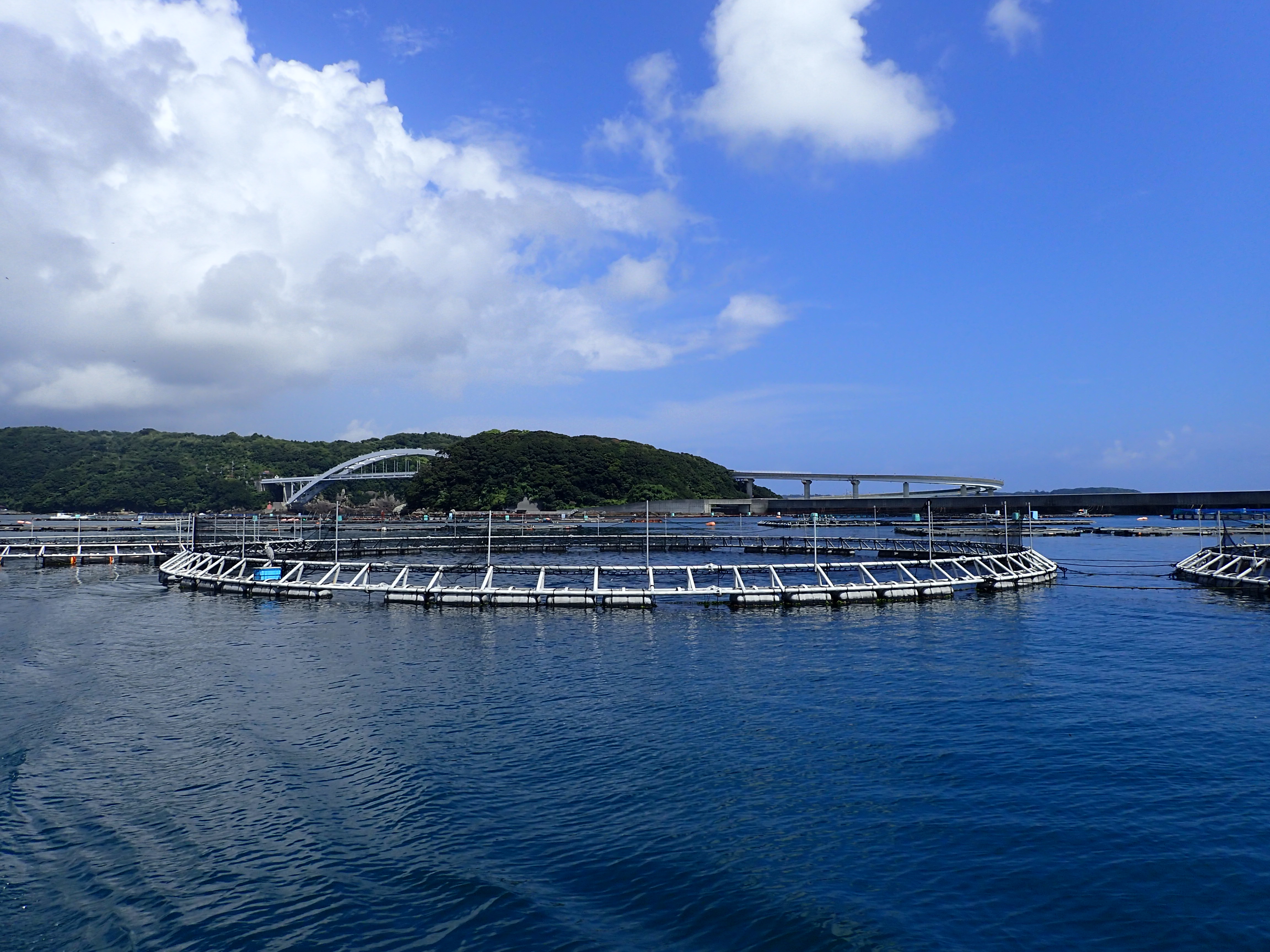
Japan’s bluefin tuna farming has been well-known since Kindai University successfully raised the species in captivity back in 2002. Over the years, Japanese seafood giants such as Maruha Nichiro have also been rearing tuna, and at the end of last year, Maruha Nichiro announced plans to export its tuna to the EU for the first time. Since perfecting their tuna farming techniques, several other firms in Japan, including seafood distributor Kyokuyo, are also looking beyond the domestic market. The next challenge for the farmed tuna industry will be further boosts in production and gaining increased support from consumers who are interested in resource conservation.
(Photos by myself taken at Kindai University’s offshore tuna farm, tuna photos courtesy of Maruha Nichiro)

In Japan’s scuba diving, two areas stood out last year. The annual spawning ritual of firefly squid has been drawing scientists to Toyama Bay for years, and now scuba divers are joining in. Each spawning season, between March and late May, bioluminescent females swim to the surface to release their eggs in the early morning, flashing blue lights over their bodies in a variety of alternating patterns. There are few other opportunities to glimpse these unusual creatures because firefly squid usually remain out of sight, their physiology, life history and behaviour a mystery.
While researchers work to better understand these creatures and the chemistry of bioluminescence, more and more scuba divers have been venturing out on night dives to watch the popular light display. English-speaking groups in Tokyo have organised trips and guided dives, offering divers an opportunity to enjoy and photograph the glowing blue light show, as the ocean transforms into a galactic landscape.

Firefly squid aren’t the only marine creatures congregating in large groups off Japan’s ocean. Closer to Tokyo is a town called Tateyama in Chiba prefecture, adjacent to the capital. Popular with divers, Tateyama is home to species such as sea horses, purple coral and eels but these aren’t the only reason why divers flock here. Only 5 – 10 minutes by boat from the shore is Shark Scramble, where divers swim in shark-infested waters surrounded by banded houndsharks and red stingrays. The dive is actually a shark-feeding one, established after banded houndsharks were poaching fish from local fishermen’s nets. English-speaking guide Kan Shiota of dive shop Bommie started organising dives to feed the sharks and lure them away from the nets. Since then, he’s never looked back. Two boat dives cost ¥16,500 yen and 2018 saw just as many divers arriving as previous years.

What’s ahead for aquaculture and diving in Japan?

In aquaculture, a large portion of time will continue to be spent on testing, learning and incorporating product and process improvements. As Japan hosts two seafood shows this year, one in Tokyo and the other in Osaka, there will be ample opportunity to work with customers on new innovations. Further updates can also be expected from Japan in software enhancements that focus on data analysis and monitoring offshore farms remotely.

In scuba diving, The Marine Diving Fair will be held in Tokyo this April, and in recent years the number of exhibitors and visitors from other countries such as Thailand, the Maldives and Indonesia has been growing considerably. With Japan now taking part in dive expos abroad (Hachijojima dive shop Concolor attended a dive expo in Hong Kong last December), there is likely to be more communication with dive destinations outside Japan and for Japan’s diving to become even better known.

Looking forward to a prosperous 2019!

January 2019: Rising Bubbles is Back

After a year’s hibernation, Rising Bubbles is making a comeback!

This comes just over a year after taking some time out from blogging, but fortunately it was all for good reasons, which I’ll be going into in a moment. For now, I’m excited to be restarting this blog with a host of ideas for 2019. Here’s a quick look back at 2018 before I delve into another new year…

Work got off to a busy start in January 2018 with the launch of a new series called Women in Aquaculture by The Fish Site, an aquaculture portal that is run by a textbook publishing firm called 5M Publishing that I’ve been working with for the past 4 years. I was delighted to help with the series, which aimed to highlight the roles of female workers in aquaculture. Throughout 2018, it was an honour to talk to a host of women across the world about everything aquaculture-related from gene editing, larval rearing and fish welfare to seaweed farming, oyster hatchery work and offshore cages. The biggest highlight was interviewing two women from Japan, Atsuko Nozaki and Yukiko Furukawa, who sent in these great photos of their work:

It also struck me just how many women work in aquaculture today, how varied their roles are and just how big an impact they are having. Many women, like myself, had no prior experience or scientific background before joining the aquaculture industry, which was extremely encouraging. 

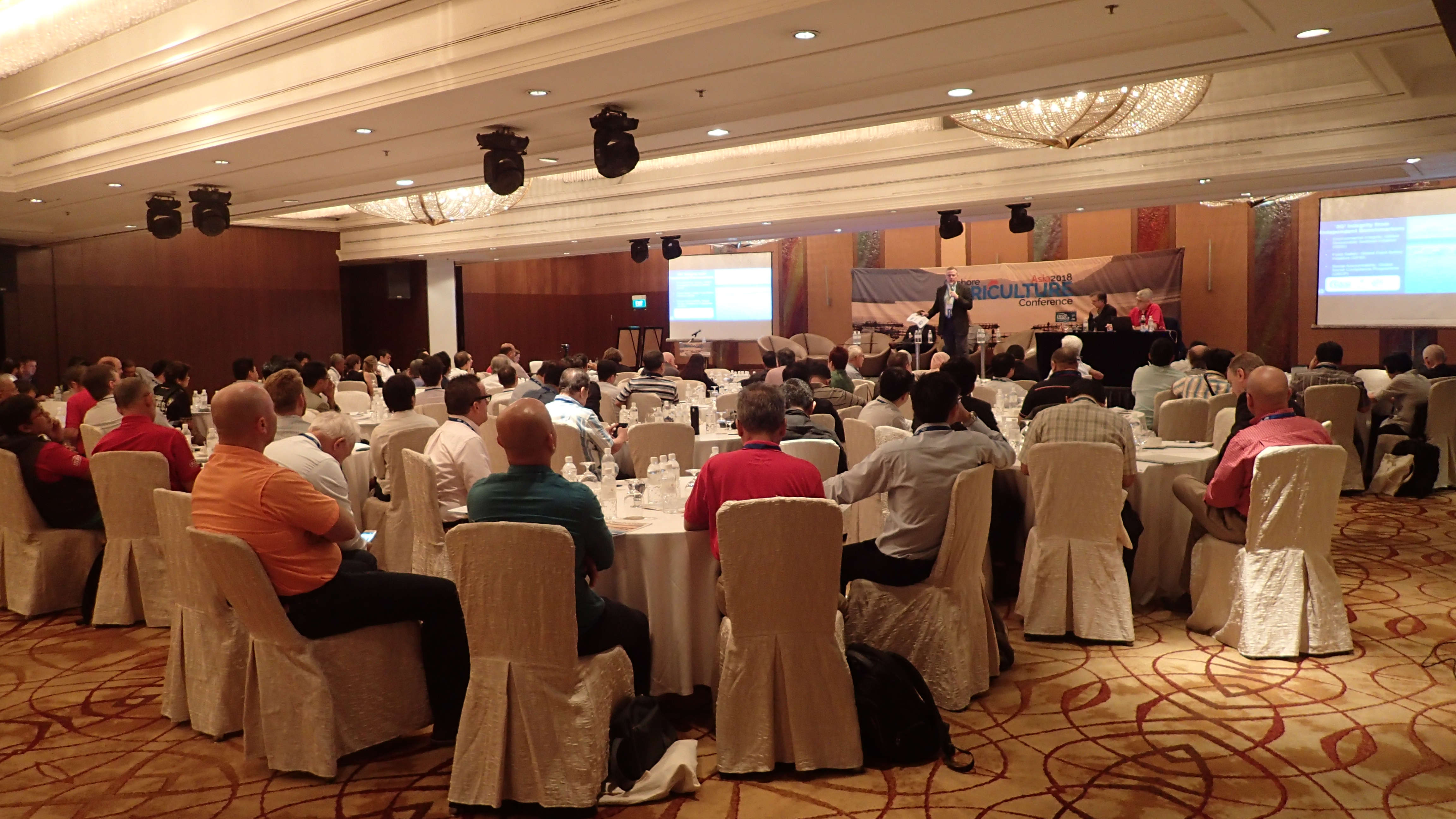
As the Women in Aquaculture series kicked off, I discovered that the editor of another magazine I write for, World Fishing and Aquaculture, lived only half an hour away from my parents’ place in Southampton. He and I met for the first time in early 2018 and I made a few trips to the magazine’s main office to meet the staff I’d been corresponding with for the past three years. In May 2018, World Fishing and Aquaculture sent me to Singapore for 5 days to report back on the Offshore Mariculture Conference, the first to take place in the Southeast Asia region following the 2017 conference in Mexico. The event welcomed an audience of 130 aquaculture professionals including government officials, NGOs, investors, farm operators, equipment suppliers and more. My role was to attend all talks, write short summaries for the World Fishing and Aquaculture website and prepare a final, longer report back in the UK. Being rushed off my feet that much was a great challenge and it was an honour to listen to and learn from a range of high calibre speakers. 

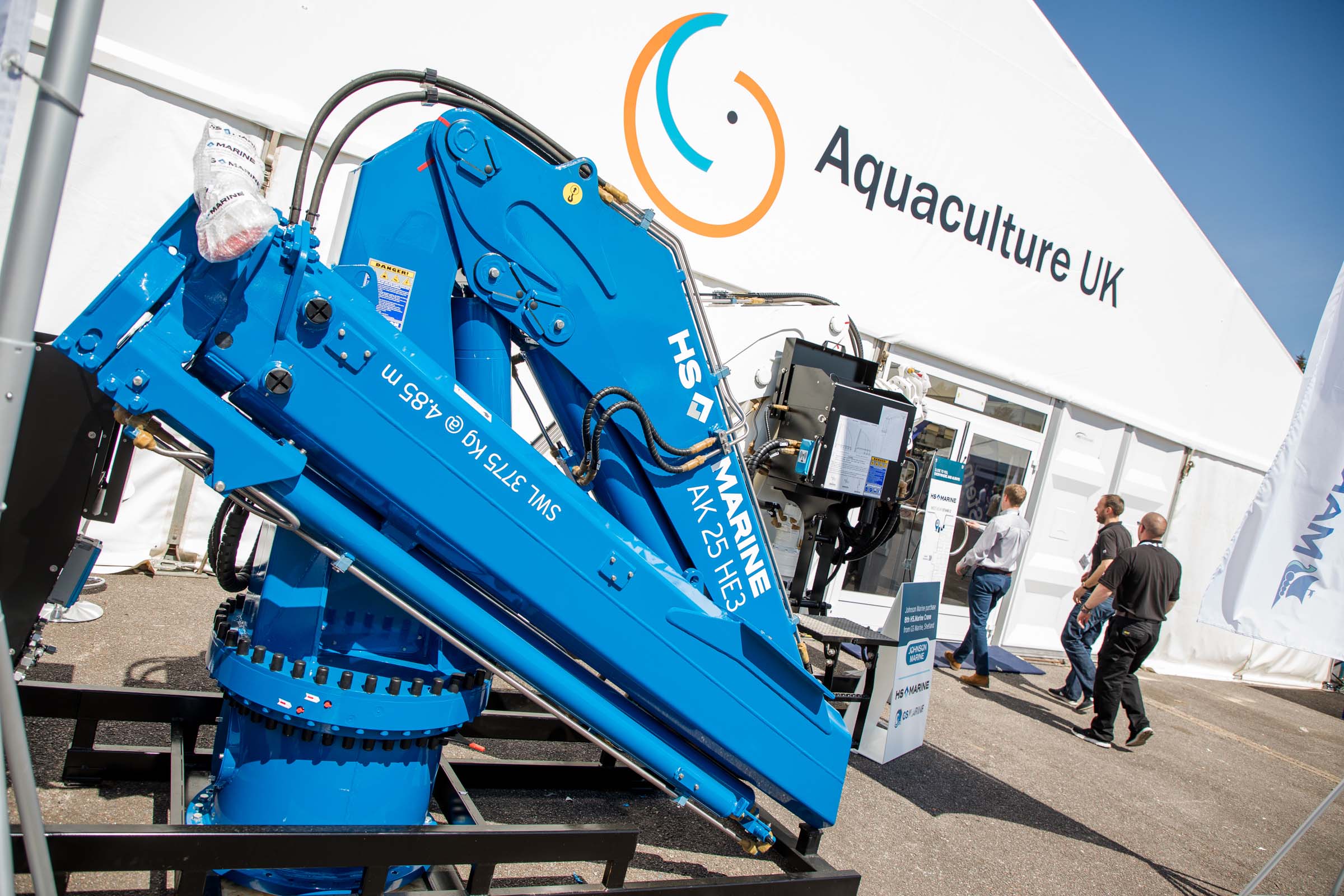
After a couple of days back in the UK, I flew to Inverness and on to Aviemore to attend Aquaculture UK, the biggest aquaculture exhibition and conference in the British Isles. The three-day conference offers the opportunity to network, discover new products and find out the latest research, and for me it’s a great chance to catch up with staff from The Fish Site and my MSc tutors at the University of St Andrews. This year I helped man the booth of Canada’s Hatchery International magazine that I also write for, and enjoyed an array of presentations. Photos below were taken by 5M Publishing.

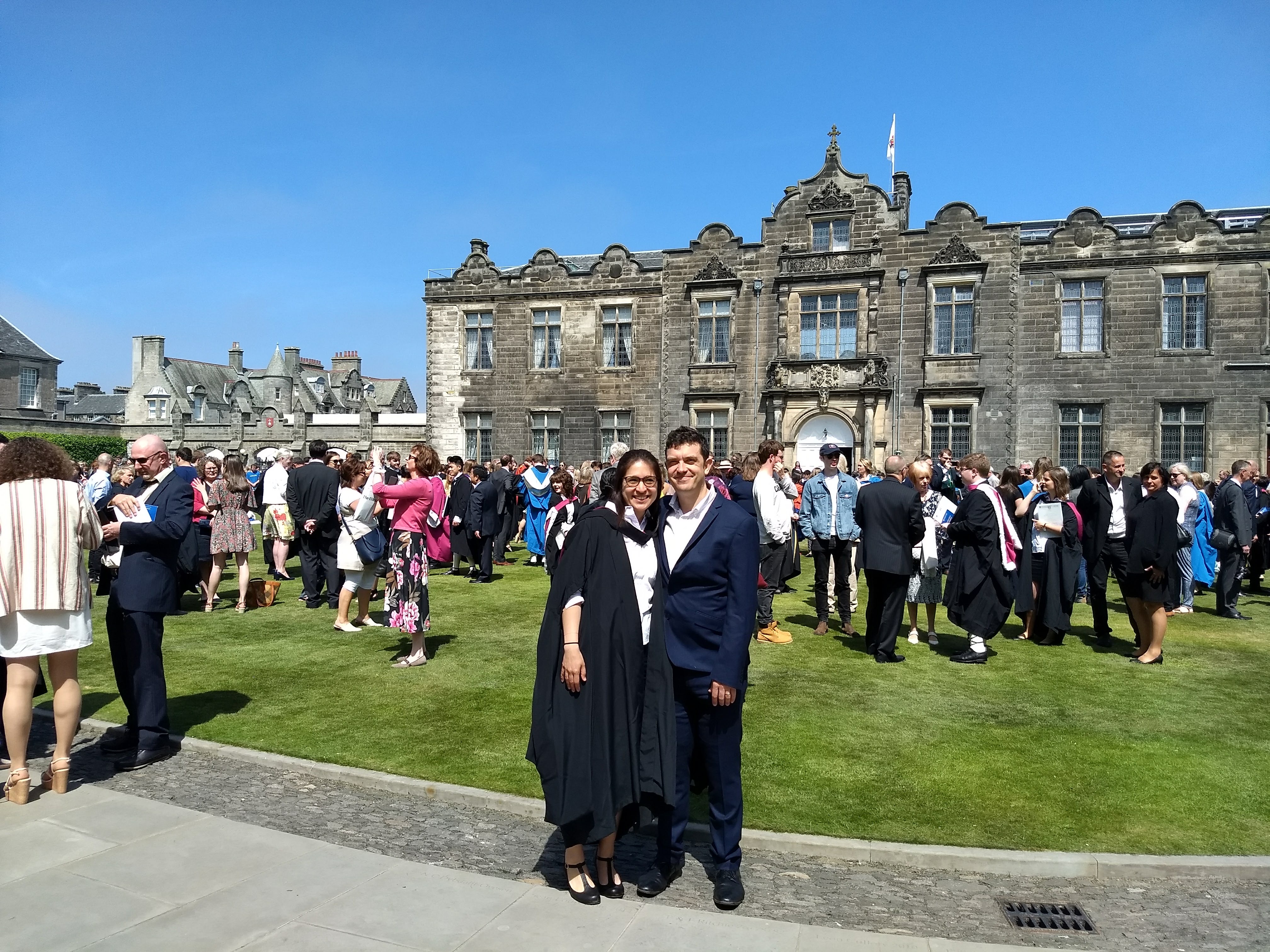
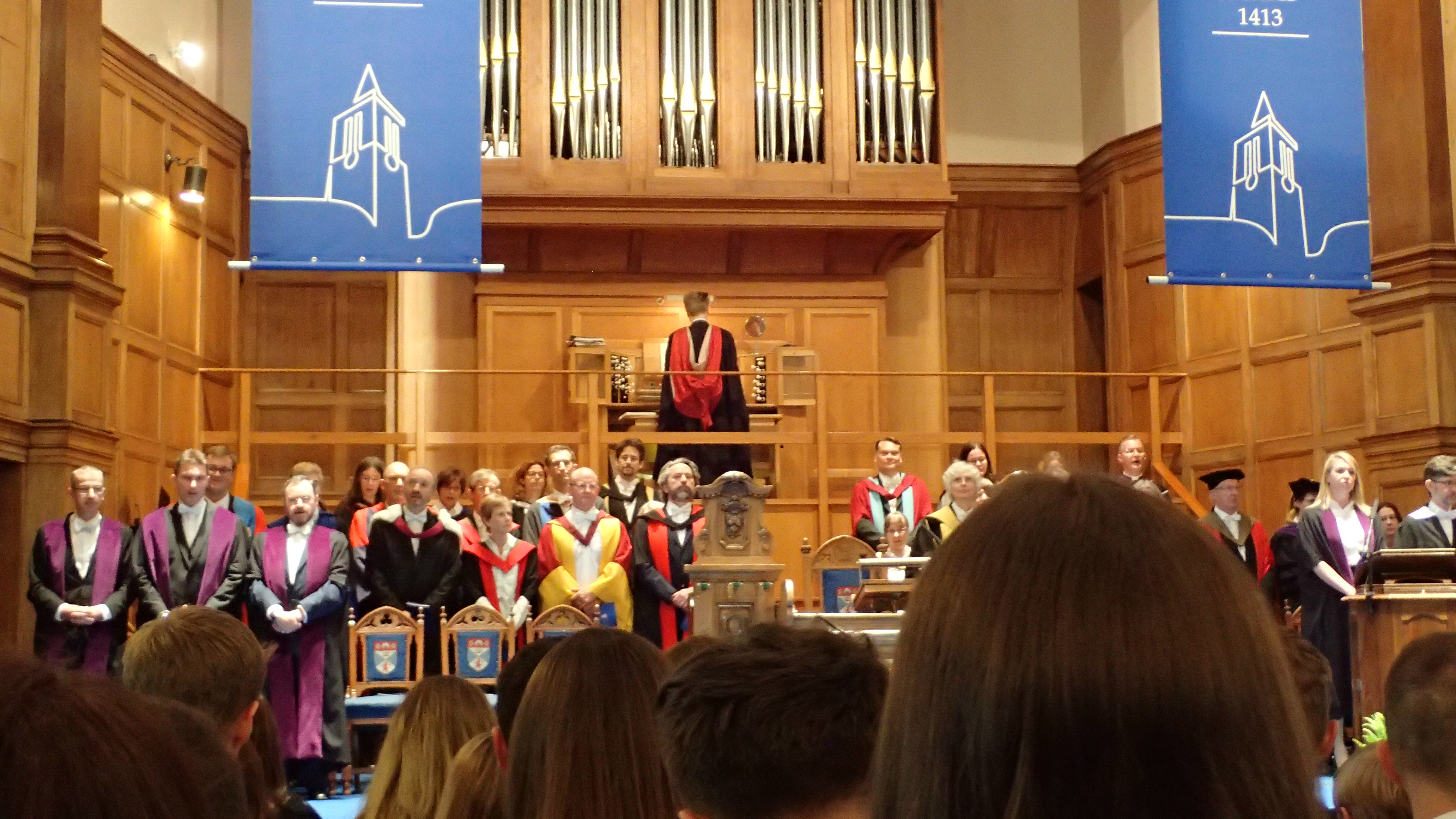
But by far my biggest highlight of 2018 was graduating from the University of St Andrews with my MSc in Sustainable Aquaculture. Looking back to 2014 when I tentatively started their undergraduate certificate course before the MSc in September 2015, I’m amazed at how far I’ve come and how I navigated the challenges of learning online, such as having to self-motivate and manage multiple courses in a limited time. Online study does eliminate the social aspect of in-person education but as someone who enjoys working at her own pace, independent higher education from home was ideal. Fortunately, the subject is also a joy, I relished the challenge of assignments, exams and final thesis and I’m sure that the knowledge I gained has been key to setting myself up as a freelance writer. I was also able to maintain my links to Japan by writing a thesis on disaster management, specifically the Great East Japan Earthquake and Tsunami on March 11, 2011 and how aquaculture in affected areas is moving towards recovery. Having a specialty such as Japan has been key to standing out in the aquaculture industry. I celebrated my graduation with my husband and friend, and enjoyed a couple of wonderful hot and sunny days in Edinburgh and St Andrews.

As the hot UK summer began in earnest, my writing work continued to pick up, with a couple of  Japan-related assignments from the Global Aquaculture Alliance, an international NPO based in the US. After contacting the editor of the NPO’s magazine, Global Aquaculture Advocate, to introduce myself, I was delighted to receive some work from them and am hoping that this will become a more regular thing in 2019.

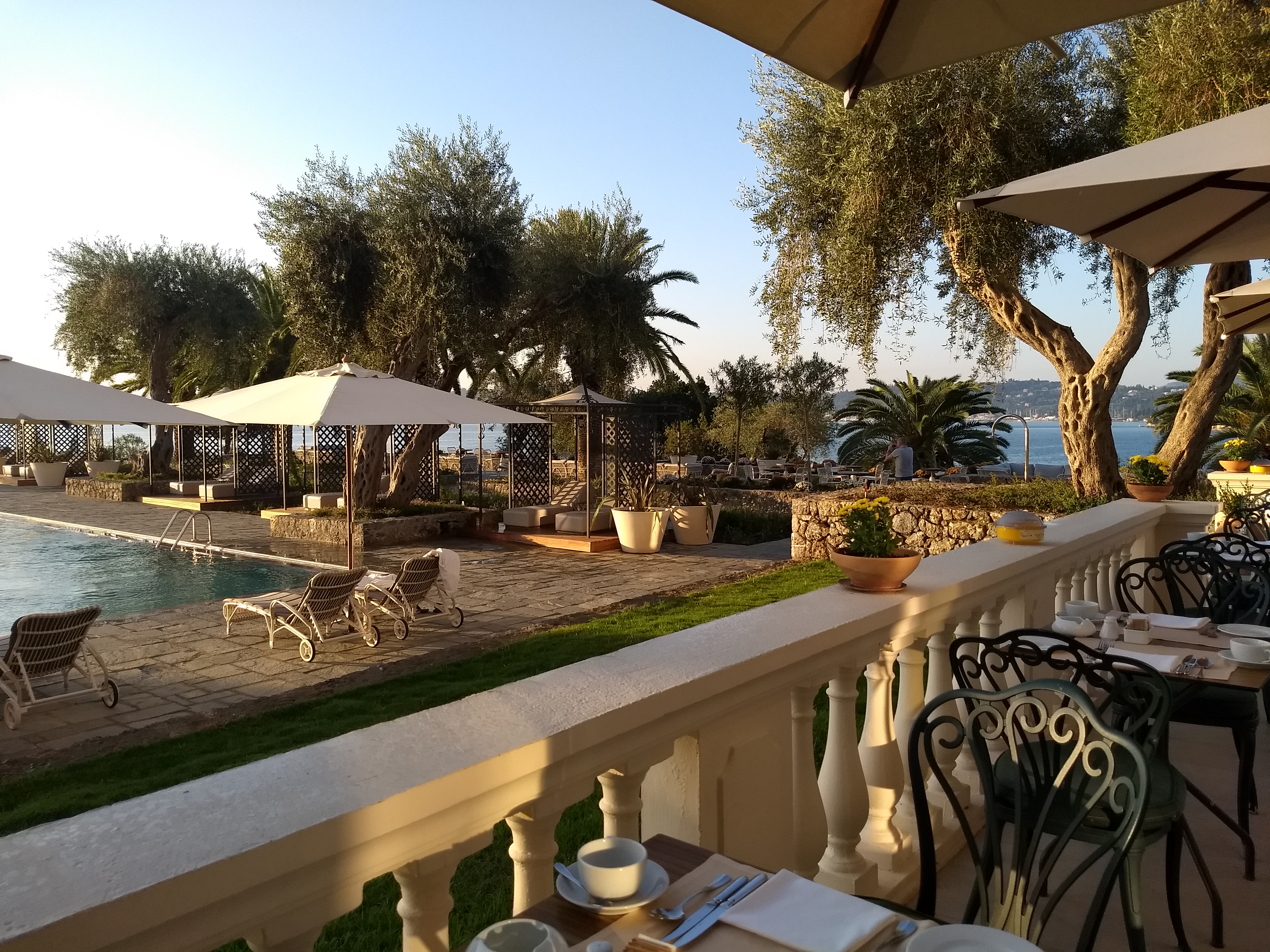
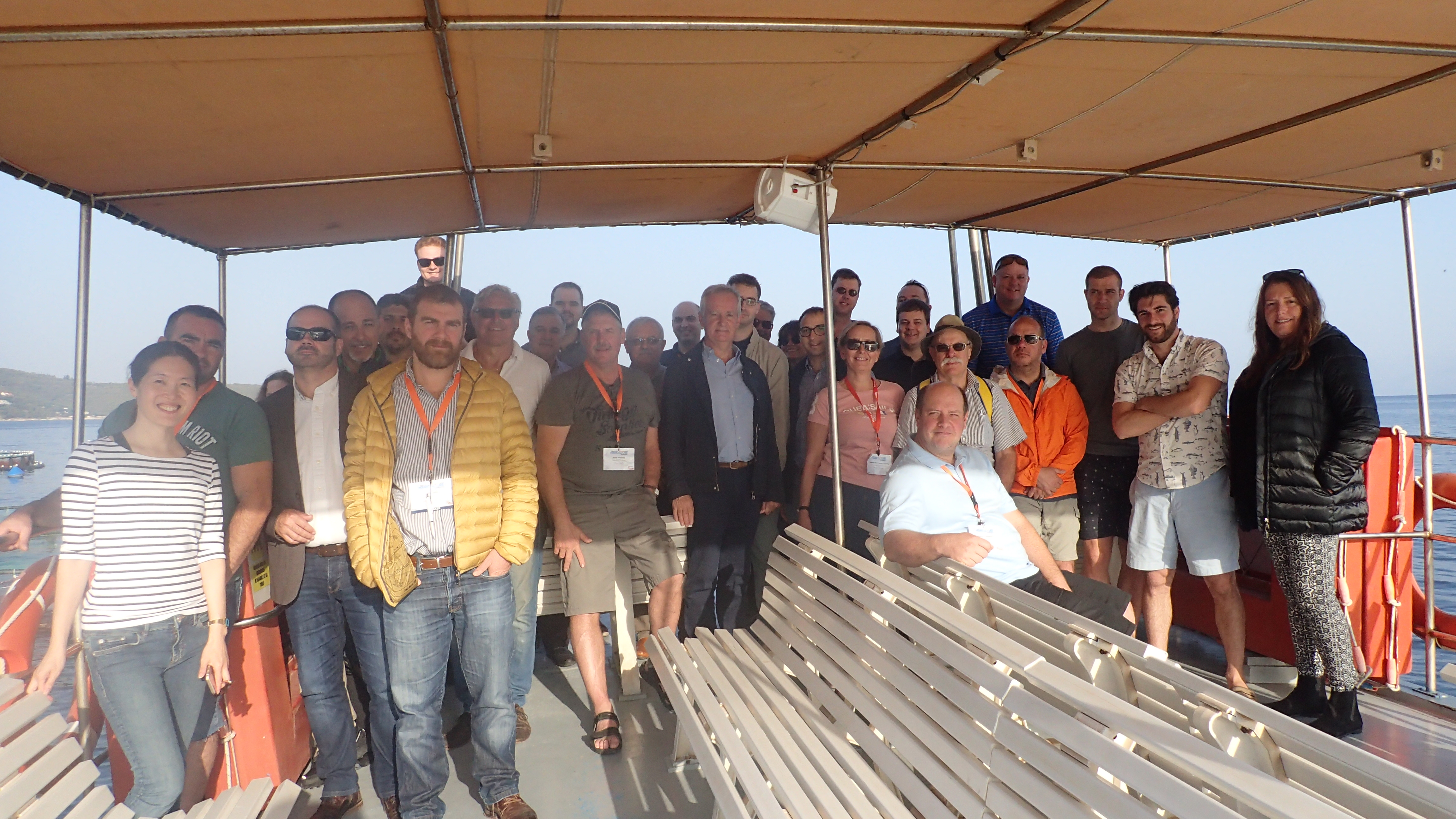
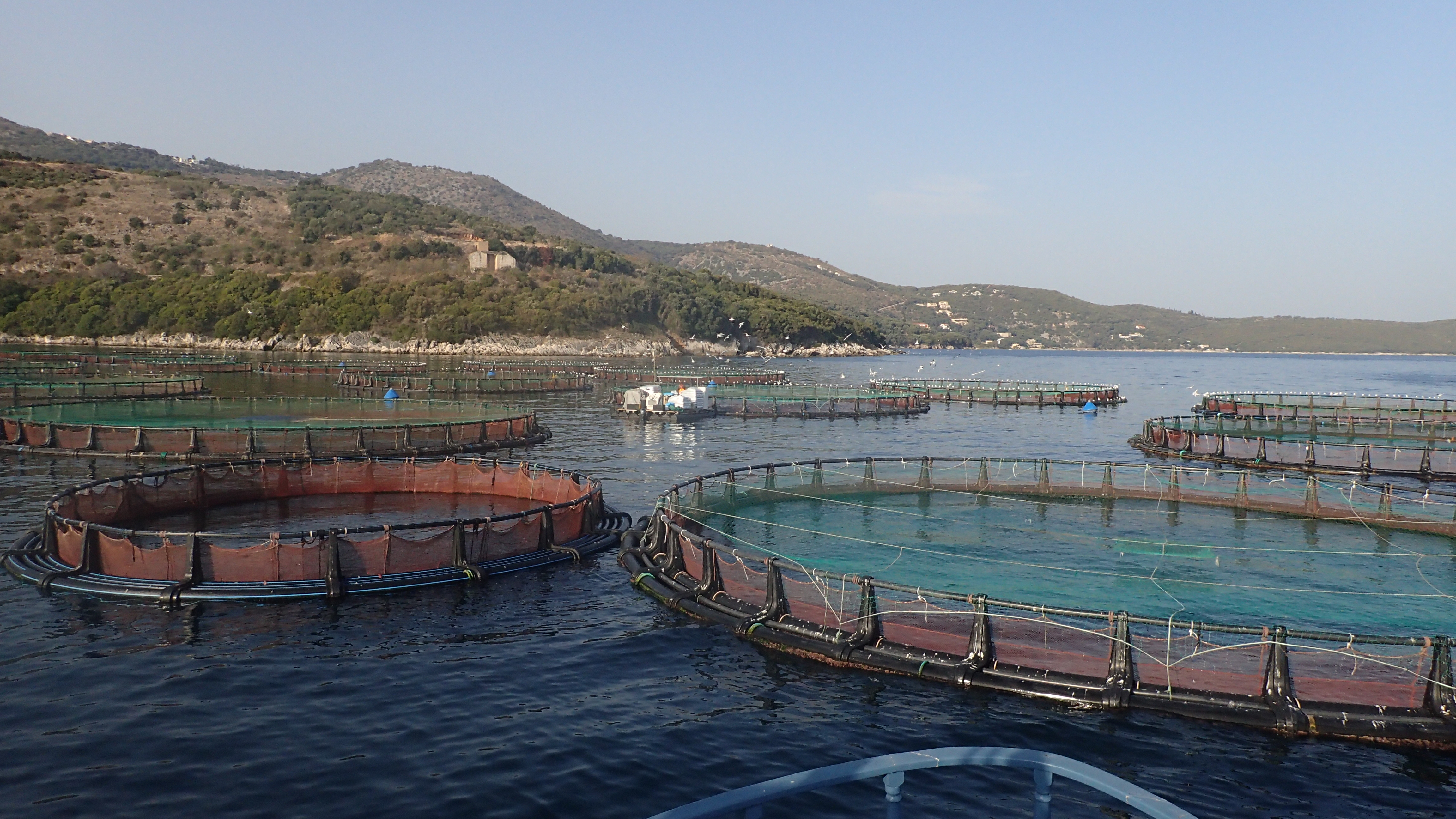
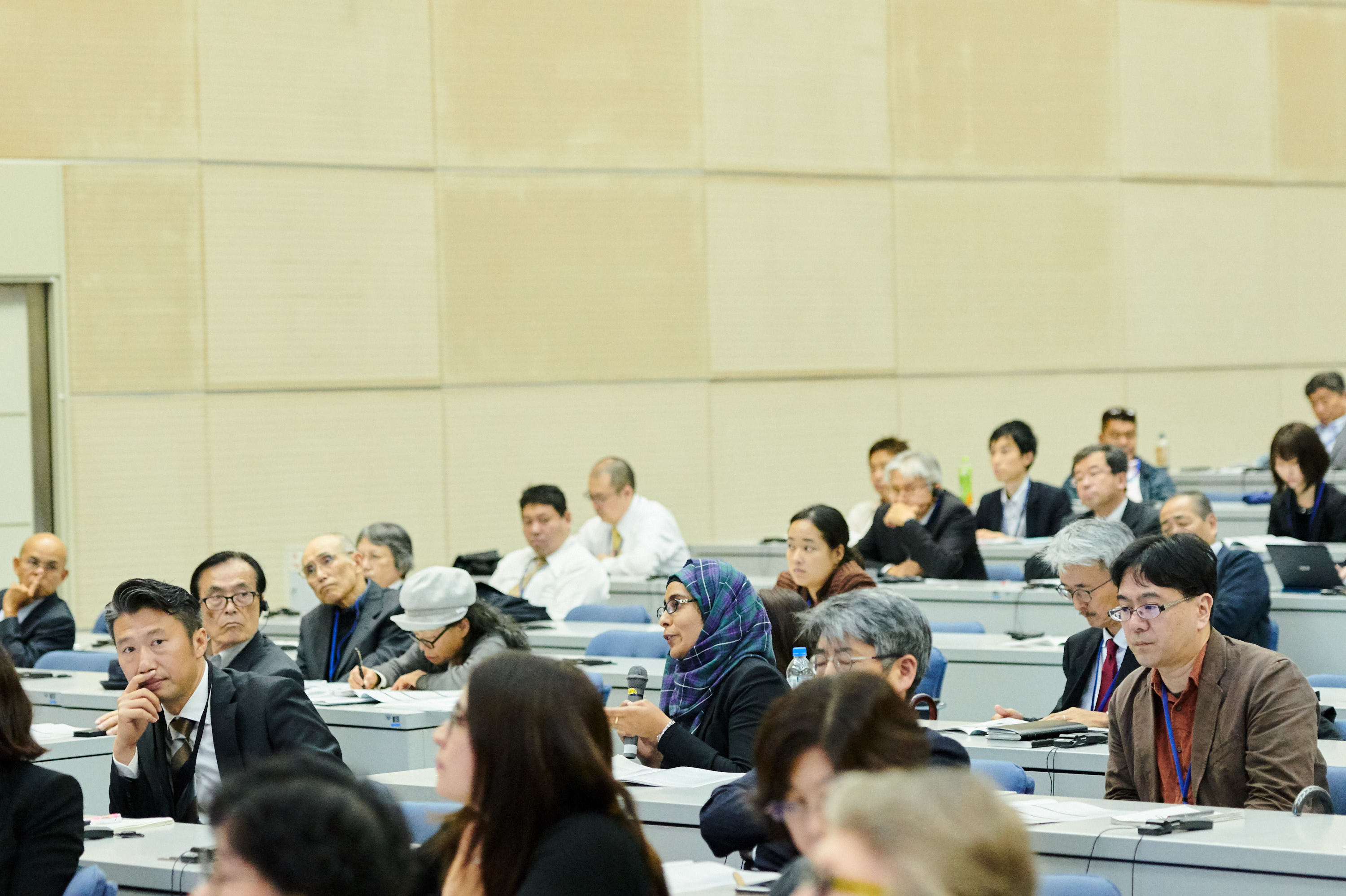
In October 2018 I also caught up with the staff of World Fishing and Aquaculture again at the smaller, sister conference of the Offshore Mariculture Conference, this time in Corfu. Clearly I couldn’t wait until 2020 for the next instalment 🙂 I spent three days doing similar work to Singapore – writing short summaries of each talk and a longer report back in the UK. The event was a great introduction to aquaculture in Greece, which is already an integral part of the country’s economy with 69% of total fisheries production coming from farming. It also explored the progress and prospects for offshore aquaculture and included a technical visit to a fish farm – this gave delegates a comprehensive insight into how offshore fish farms are operating today. 2018 concluded with an unexpected return to Tokyo after receiving an invitation from a friend at the Japan International Research Center for Agricultural Science (JIRCAS) to give a talk at a symposium on women in fisheries and aquaculture. Working with The Fish Site, I prepared a 20-minute presentation called Women in Aquaculture: Stories from the Field, introducing the Women in Aquaculture series and examples of women playing active roles in the industry outside Japan. 

I started this blog in January 2011 as a record of my scuba diving trips around Japan and to give non-Japanese divers information in English on how to plan their own dives. It served as a fun way of documenting memories, sharing information and keeping friends and family in the loop. Today I’m not the full-time diver that I was, having moved back to the UK and focused more on building up my aquaculture work. But I’m still heavily impacted by my diving, my fellow divers and a spirit of curiosity that I had back then and still have today. As a couple of writing assignments for the Japan Times showed, diving in Japan is becoming more and more popular, and I continue to respond to enquiries from non-Japanese divers there. 

This year I’ll be working more with The Fish Site on their Women in Aquaculture efforts, and have started working on my first research paper based around my MSc thesis. My challenge this year is to submit it to research publications and see what happens. But taking the spirit of curiosity I mentioned earlier, I’m bringing Rising Bubbles back and in the months ahead, you can expect to see updates on the latest in Japan’s scuba diving and aquaculture, opinions and lessons learned along the way.

Thank you for being here. 


January 2018: Japan’s Ice Diving Season

Definitely not for the faint hearted, ice diving is an extreme, adventurous activity that not many divers get to experience.  Those who do, however, find an underwater world like no other — a clear turquoise colour that’s unique to an under-ice environment, sunbeams that penetrate through the ice cracks and a feeling that you’ll never know what you might come across.

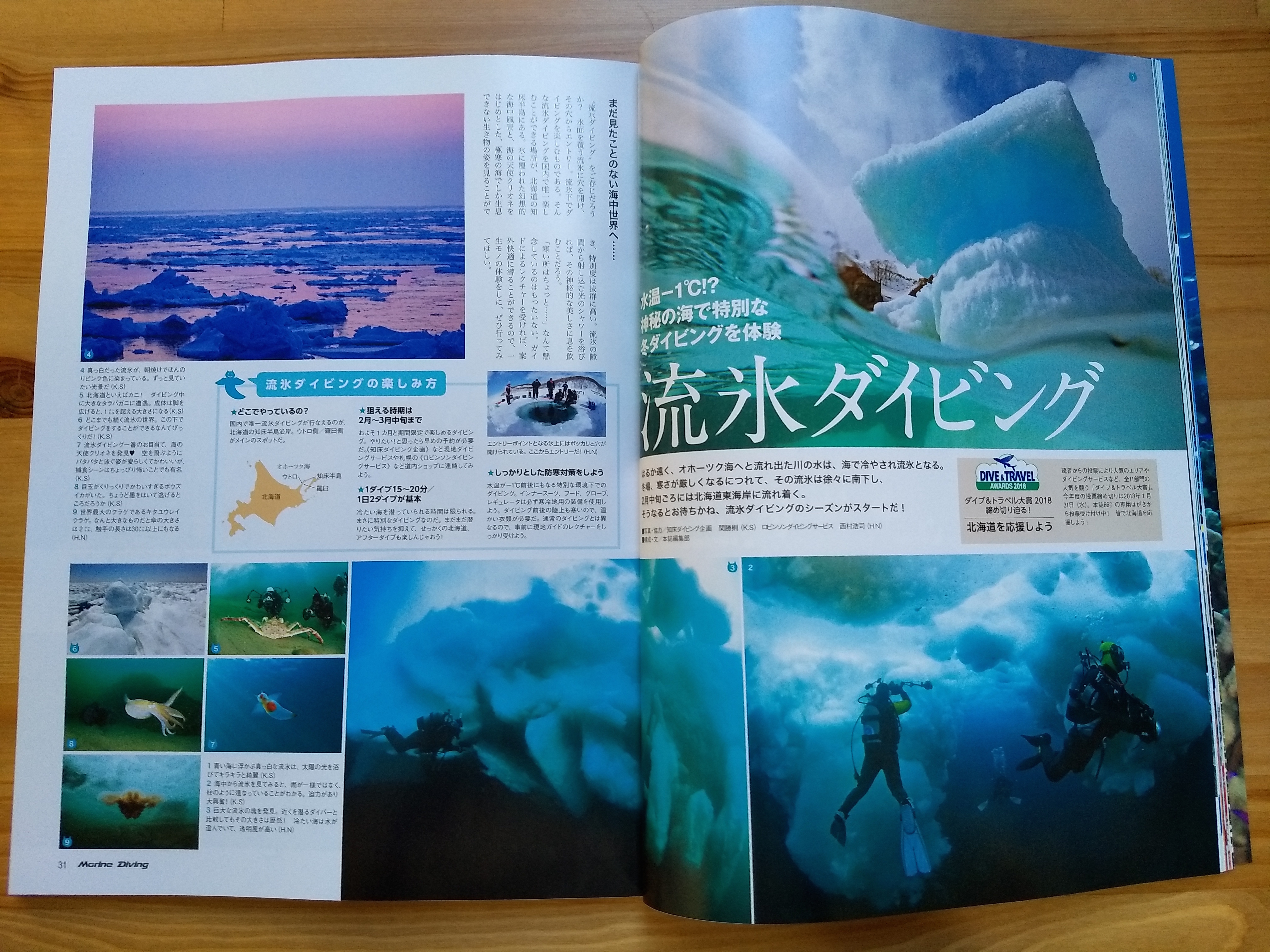
When it comes to ice diving, countries such as Russia or Canada may come to mind but the season is about to get underway in Japan, and I was delighted to see this two-page spread in the latest edition of Japan’s Marine Diving magazine, that explains what ice diving is all about and brought back some fun memories.

IMG_20180119_154803385Each winter off the northernmost island of Hokkaido, ice floes from Sibera are blown down across the Sea of Okhotsk, where they settle around the Shiretoko Peninsula, becoming more rounded as their edges soften.  It is here that the ice diving season begins, running in February and March.  While it’s possible to spot a few fish, most divers come to see the tiny, transparent sea angel or clione.  Besides the mesmerising layers of ice on the water surface, ice diving also provides other unique experiences..  Visibility is excellent, while particulate matter settles more easily thanks to the calm sea.  The rocky topography is also home to seagrass, crabs, starfish, shrimp and even tiny nudibranchs if you have a keen eye and are brave enough to withstand the -1C temperatures for long enough to keep looking.

Ice diving in Japan is more of a taster or introduction as opposed to a longer fun dive.  Most dives will usually be no deeper than 10m and for less than half an hour due to the extreme environment.  Non-Japanese divers who wish to try should ideally have some dry suit experience, an Advanced Open Water certification and most importantly, be able to speak some Japanese for safety reasons (briefings on safety measures and dive procedures will be detailed and strict).  If not, please make sure that you are accompanied by another diver who is able to translate on your behalf.

Dive shops on the Shiretoko Peninsula have become increasingly concerned about the lack of ice over the past couple of years, most likely due to climate change and global warming.  But the two-page spread in Marine Diving gave me a lot of hope, that ice diving is still possible after all.  If you’re a keen diver in Japan who speaks Japanese well enough and knows how to dive in a dry suit, I highly recommend this incredible underwater experience!

Click here to read about my ice diving adventure in February 2016: https://bonniewaycott.com/2016/04/06/february-2016-the-return-to-shiretoko-hokkaido-japan/